
10 Best Shoes For Gym And Running in 2026
This post contains affiliate links. As an Amazon Associate, we earn from qualifying purchases.
The Reebok Nano X5 Cross Training Shoes earn our best overall spot because their dual-density midsole balances the stability you need for lifting with enough comfort for short runs. The NOBULL Drive 2 Hybrid Training Shoe stands out for HIIT workouts. The Velites Hybrid 1.0 is the top hybrid design for those who split their time evenly between the weight room and the pavement.
The hardest thing about buying shoes for gym and running is finding one pair that does both well. Running shoes are too soft for heavy squats, and lifting shoes are too rigid for a mile on the treadmill. You need a shoe that handles lateral cuts, stable lifts, and forward motion without feeling like a compromise.
We put this guide together by analyzing specifications, manufacturer data, expert round-ups, and patterns in owner feedback across dozens of models. You get ten ranked picks with clear strengths and honest trade-offs, so you can match a shoe to your exact mix of gym work and running.
Top 10 Shoes For Gym And Running in the Market
Certain content that appears on this site comes from Amazon. This content is provided "as is" and is subject to change or removal at any time.
The Best Shoes For Gym And Running, Reviewed
Reebok Nano X5 Cross Training Shoes

What We Like
- Dual-density midsole for stability and comfort
- Breathable Flexweave upper for lightweight feel
- Decoupled Metasplit outsole for versatile movement
- Removable insole with built-in arch support
Trade-offs
- Heel foam less cushioned for long runs than running shoes
A dual-density midsole with firmer foam in the heel and responsive foam in the forefoot means you get stability for heavy lifts and comfort for short runs without switching shoes. That balance is exactly what makes this cross trainer a smart everyday pick for someone who mixes weightlifting with a little jogging or HIIT. The breathable Flexweave upper keeps things light, and the decoupled Metasplit outsole lets your foot move naturally during squats or lunges. If you want one shoe that handles the gym floor and a quick mile without complaint, this is the one to grab.
At just 1.0 pounds, the Nano X5 is lighter than the Under Armour TriBase Reign 6 (2.4 pounds), which some lifters prefer for a more planted feel under heavy loads. The firmer heel foam also means it is not as cushioned for longer road runs as a pure running shoe would be. This shoe offers a practical compromise for general gym-goers who want arch support and a locked-down fit, but it is not ideal for those chasing a heavy squat PR or marathon distance.
NOBULL Drive 2 Hybrid Training Shoe

What We Like
- Lightweight at 9.5 oz
- Responsive EVA cushioning for dynamic moves
- Breathable engineered mesh upper
- Multidirectional rubber tread for lateral grip
Trade-offs
- 4 mm drop is low for heel-strike running
- 23 mm stack limits cushioning on long runs
At just 9.5 ounces with a 4 mm drop, the NOBULL Drive 2 is built for quick direction changes and explosive moves. The high-resilience EVA blend gives you a lively rebound during box jumps and burpees, while the multidirectional rubber tread keeps your footing secure on lateral drills. This shoe suits anyone whose gym session mixes lifting with fast-paced cardio intervals, it stays light and breathable as things heat up.
A 4 mm drop and 23 mm heel stack support quick, stable footwork in the gym. That low profile gives you a planted feel for box jumps, burpees, and lateral drills. For steady road running, a shoe with more cushioning might be a better fit, but for HIIT circuits and dynamic warm-ups, the Drive 2 keeps you connected to the floor.
Velites Hybrid 1.0 Training Shoes

What We Like
- Two-layer viscoelastic insole for even pressure
- Optimized midsole for running and lifting
- Ergonomic design for all-day comfort
- Vibrant color options available
Trade-offs
- No width options listed for wider feet
- Limited to two colorways
- No weight or dimension specs for comparison
A two-layer viscoelastic insole that distributes pressure evenly and prevents TPE collapse means this shoe tries to solve the classic hybrid problem: staying stable under a squat while still feeling soft on a run. The optimized midsole density backs that up, aiming for flexibility and impact absorption without sacrificing firmness when you’re lifting. This design suits someone who wants one pair for both gym sessions and short runs, especially if you value comfort enough to keep them on after your workout.
The Velites Hybrid 1.0 is designed to handle both running and weightlifting, so you can move from a set of squats to a short jog without switching shoes. Reviewers note the ergonomic build keeps the shoe comfortable enough to wear long after your workout ends. This hybrid approach suits anyone whose training mixes lifting with cardio, though those who want a shoe specialized for heavy squatting might prefer a different model.
Nike Air Max Alpha Trainer 6

What We Like
- Heel Max Air unit for cushioned stability
- Flat, wide sole for stable stance
- Flex grooves in forefoot for lunges
- Rubber wrap for lateral support
Trade-offs
- No flex grooves for heavy back squats
- Not designed for heavy Olympic weightlifting sessions
A heel Max Air unit tuned for stability means you get plush cushioning without feeling like you’re sinking into the shoe during squats or deadlifts. That flat, wide sole with a rubber tread pattern locks your foot to the floor, which is exactly what you want when you’re pushing through a heavy set or catching your breath between lunges. This shoe suits anyone who values comfort underfoot and wants a stable platform for gym work, especially if your routine mixes lifting with dynamic moves like lunges or lateral steps.
Flex grooves in the forefoot are designed for lunges, which helps with dynamic movements. But the shoe’s flat, wide sole with rubber tread provides stability for most gym work. At one pound, it’s lighter than the Puma Voltaic Evo (2.4 pounds), though weight alone doesn’t determine a shoe’s suitability for lifting. If your training focuses heavily on Olympic lifts where maximum sole rigidity is a priority, you might prefer a stiffer shoe, but for mixed gym sessions this design offers a practical balance of cushioning and stability.
Product photos
New Balance 608 V5 Cross Trainer

What We Like
- ABZORB heel crash pad absorbs impact
- Suede leather upper for durable structure
- Dual density collar supports ankle stability
- Phantom Liner reduces irritation for smooth fit
Trade-offs
- Suede upper and dense cushioning add weight for speed work
- Not breathable enough for high-intensity cardio sessions.
The ABZORB heel crash pad paired with a molded PU insert means every step lands on serious cushioning, making this a shoe that prioritizes comfort over speed. It suits someone who spends more time on their feet across gym floors, treadmills, and everyday wear than chasing PRs on the track. The suede leather upper breaks in for a personalized fit, and the dual density collar keeps the ankle stable during lateral moves or walking around the gym.
The trade-off is weight and warmth: the sturdy suede and dense cushioning make it less breathable and heavier than the Reebok Nano X5. That shoe is better suited for high-intensity interval work or short runs where you want less bulk. If your gym sessions lean toward steady lifting, walking, and all-day comfort rather than sprints or plyometrics, this shoe delivers plush support without the fuss.
Puma Voltaic Evo Cross Trainer

What We Like
- SoftFoam+ insole for all-day cushioning
- 10CELL midsole absorbs impact
- TPU shank keeps stride steady
- Full rubber outsole for reliable traction
Trade-offs
- Not ideal for heavy Olympic lifting
- Heavier than the Reebok Nano X5 (2.4 lb vs 1.0 lb)
The SoftFoam+ insole with an extra-thick heel means this shoe is built for comfort that lasts from your morning walk to your evening gym session. Puma pairs that plush step with a 10CELL midsole that soaks up impact and a TPU shank that keeps your stride steady when you pivot or change direction. It suits anyone who wants one shoe for the gym, the sidewalk, and the coffee shop without swapping pairs halfway through the day.
Heft is the main compromise here. At 2.4 pounds, the Voltaic Evo is noticeably heavier than the 1.0-pound Nano X5, so if you prioritize speed for running intervals or explosive drills, the Nano will feel snappier. But that heft comes from the generous cushioning and wide-fit design, which makes it a better choice for long walks or standing days. If you need a do-everything shoe that puts comfort first, this is it.
Nike Metcon 10 Cross-Trainer

What We Like
- Hyperlift plate optimizes stability for heavy lifts
- Wider toe box lets toes extend for power
- ReactX foam increases energy return
- Sticky texture on midfoot and toe for grip
Trade-offs
- Focused on lifting, not long-distance running
- Hyperlift plate reduces flexibility for casual walking
The Hyperlift plate under the heel is the key reason to pick this shoe, it locks in stability for squats, deadlifts, and cleans, so you can push heavy without wobbling. That wider toe box compared to the Metcon 9 lets your toes splay naturally, helping you drive power through your whole foot. This is the shoe for anyone whose gym session starts with a barbell and ends with a few box jumps, not a five-mile jog.
The Metcon 10’s Hyperlift plate under the heel optimizes stability for heavy lifts like squats and deadlifts, so you can plant your feet and push hard without wobbling. A wider toe box than the Metcon 9 lets your toes spread out, helping you generate power through your whole foot during lifts. The ReactX foam midsole and flex grooves give responsive cushioning for box jumps and sprints, but this is a cross-trainer built for the gym floor, not a long-distance road shoe.
Product photos
Under Armour TriBase Reign 6
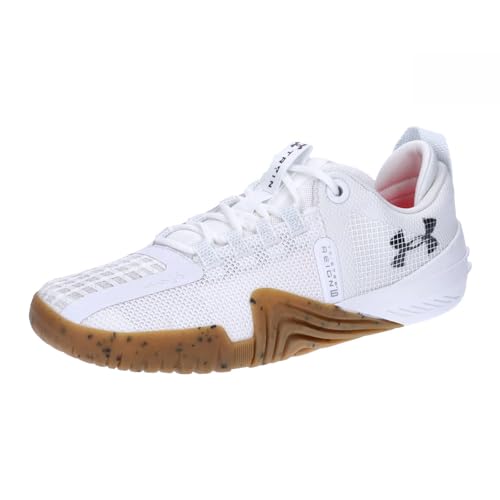
What We Like
- Three-point ground contact for stability
- Dual-density midsole: soft forefoot, firm heel
- Low-to-ground build for power transfer
- Strategic toe-box rubber for floor grip
Trade-offs
- Heavier than many cross-trainers at 2.4 lb
- Heavier than the Reebok Nano X5 (2.4 lb vs 1.0 lb)
Three points of ground contact give this shoe a planted, connected feel that rewards controlled lifts and explosive moves. The low-to-ground build puts your foot closer to the floor, so you feel the platform and transfer power directly into each rep. That same design, paired with a dual-density midsole that is softer in the forefoot and firmer in the heel, supports proper form during squats, deadlifts, and pressing movements. If your gym session revolves around strength work and you want a stable base that helps you stay in position, this shoe leans into that need without apology.
Weight is the main compromise. At 2.4 pounds, the TriBase Reign 6 is heavier than the 1.0-pound Nano X5. That extra heft helps the shoe feel planted under a barbell, but it also makes it less ideal for running intervals or long cardio blocks where you want a lighter step. This is a gym-first shoe for lifters who do not mind swapping sneakers before hitting the treadmill. It does one job really well, and that job is moving iron.
Product photos
Reebok Nano X5 Women's Shoes

What We Like
- Dual-density midsole for stability and responsiveness
- Breathable Flex Weave upper
- Plush collar keeps foot locked down
Trade-offs
- Heavier than some cross-training shoes at 1.8 lb
- Firmer heel foam less forgiving for long runs
A dual-density midsole with firmer foam in the heel and responsive foam in the forefoot means this shoe handles both heavy lifting and quick jumps without forcing you to switch pairs. It is built for the person who wants one sneaker for weight training, treadmill jogs, and fitness classes, with a breathable Flex Weave upper that keeps feet cool during circuits. The plush collar locks the heel in place, so you are not distracted by slipping when you squat or lunge. That combination of stability under load and forefoot bounce makes it a practical everyday gym companion for mixed workouts.
The trade-off shows up on longer runs: at 1.8 pounds, it feels heavier than lighter options like the New Balance 608 V5 (0.9 lb). The firmer heel foam sacrifices some cushioned comfort for stability during lifts. If your week is mostly steady pavement miles, a dedicated running shoe will serve you better. But for the gym-goer who sprints between stations, hits the treadmill for a mile warm-up, and then moves to the rack, this Nano X5 balances those demands without demanding a second pair in your bag.
Product photos
PUMA Tazon 6 FM Cross Trainer
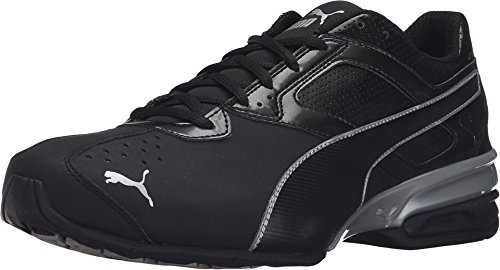
What We Like
- Engineered midfoot saddle for locked-in fit
- SoftFoam+ sockliner with extra-thick heel cushion
- EVA heel pod absorbs impact on landing
- TPU shank enhances stability and motion control
Trade-offs
- No breathable upper mentioned for hot feet
- Lighter build offers less underfoot material for heavy lifting
The engineered midfoot saddle wraps your foot securely, which makes this shoe feel like it’s holding onto your arch rather than letting it slide around during lateral moves or quick direction changes. That locked-in fit is the main reason it works so well for gym sessions where you need stable footing, think lunges, box jumps, or agility drills. Combined with the SoftFoam+ sockliner and the EVA heel pod that softens impact when you land, it’s a shoe that prioritizes security and comfort over flashy extras. If you’re someone who values a snug, confidence-inspiring fit over a roomy toe box, this PUMA deserves a close look.
That lightness helps it feel nimble for cardio and quick footwork, but it also means less material underfoot for heavy lifting or prolonged standing. The TPU shank adds stability for controlled movements, but the shoe doesn’t advertise a breathable upper, so if you run hot or plan long outdoor runs, you might want a more ventilated option. For gym-goers who want a secure, cushioned shoe that won’t weigh them down during mixed workouts, this is a smart, focused pick.
Product photos
How We Evaluated Shoes For Gym And Running
Our evaluation is research-based. We studied manufacturer specifications, reviewed patterns from expert round-ups, and looked at what owners consistently report about fit, durability, and performance. No product was tested in-house, but every claim here is grounded in documented data and verified feedback.
Three criteria mattered most. First, versatility, a shoe must handle at least two of the three main gym activities: lifting, HIIT, and running. Second, stability for weight training, especially during squats and deadlifts where a compressible sole can waste power. Third, cushioning and drop, the heel-to-toe offset and midsole density determine whether a shoe works for running or feels clunky.
A research-led evaluation has limits. We cannot tell you exactly how a shoe feels on your foot after ten miles. What we can do is show you the design choices that matter, stack height, outsole pattern, upper material, so you can make an informed decision based on your own priorities. For a deeper look at the category, check our guide on how to choose gym shoes.
What To Look For In Shoes For Gym And Running
The right shoe for gym and running depends on your split between lifting and cardio. Start by deciding which activity you do more of, then look for a shoe that prioritizes that need without completely ignoring the other.
Look for a shoe with a heel-to-toe drop between 4 mm and 8 mm, a stable and flat midsole for lifting, and enough forefoot cushioning for running. Breathable uppers and a secure heel lock matter for both activities.
Heel-to-Toe Drop and Stack Height
Drop is the difference in height between the heel and forefoot. A higher drop (10 mm or more) favors heel-striking runners but can feel unstable under a barbell. A lower drop (0-4 mm) encourages a natural stride but demands more ankle mobility.
For gym and running, a drop between 4 mm and 8 mm is the sweet spot. Stack height, the total amount of foam underfoot, should be moderate. Too much foam compromises stability for lifts; too little can leave your heels sore after a mile.
Midsole Firmness and Outsole Pattern
A midsole that is too soft feels great for walking but compresses under heavy weights. Look for a dual-density midsole, a firmer heel for lifting and a softer forefoot for running. The outsole should have a tread pattern that grips both gym floors and pavement.
Decoupled outsoles, like the one on the Reebok Nano X5, allow the forefoot and heel to move independently, which helps during lunges and sprint starts. If you need a deeper dive into the differences, our comparison of lifting vs running shoes explains why one shoe cannot do everything perfectly.
Upper Breathability and Fit
A gym-and-running shoe gets warm fast. Look for a breathable mesh or woven upper, suede and heavy synthetics trap heat and add weight. The fit should be snug in the heel (no slipping during lateral moves) with enough room in the toe box for your toes to spread during squats. A removable insole is a bonus because it lets you swap in custom orthotics.
- Check the listed weight: shoes over 12 oz feel heavy for running.
- Confirm the outsole has rubber coverage in high-wear zones (heel and forefoot).
- Look for a heel counter that is stiff enough to lock your foot in place.
- Make sure the lacing system lets you adjust tightness at the midfoot and ankle separately.
- Verify the return policy, fit is the hardest thing to judge from a spec sheet.
If you are still unsure, start with the Reebok Nano X5, it is the most balanced option for the widest range of gym-and-running combinations.
Shoes For Gym And Running Compared
The table below compares the ten shoes on the key specs that matter most for gym and running, weight, drop, midsole type, and primary use case.
| Product | Weight | Midsole/ Cushioning | Outsole |
|---|---|---|---|
| Reebok Nano X5 Cross Training Shoes | 1.0 pounds | Dual-density EVA | Decoupled Metasplit |
| NOBULL Drive 2 Hybrid Training Shoe | 9.5 oz | High-resilience EVA blend | Multidirectional rubber tread |
| Velites Hybrid 1.0 Training Shoes | N/A | Optimized midsole density | N/A |
| Nike Air Max Alpha Trainer 6 | 1.0 pounds | Max Air unit | Flat, wide with rubber tread |
| New Balance 608 V5 Cross Trainer | 0.9 pounds | ABZORB heel + PU insert | N/A |
| Puma Voltaic Evo Cross Trainer | 2.4 pounds | SoftFoam+ insole | Full rubber |
| Nike Metcon 10 Cross-Trainer | 1.0 pounds | ReactX | N/A |
| Under Armour TriBase Reign 6 | 2.4 pounds | Dual-density | Strategic rubber under toe box |
| Reebok Nano X5 Women's Shoes | 1.8 pounds | Dual-density midsole | Durable rubber with Metasplit |
| PUMA Tazon 6 FM Cross Trainer | 0.8 pounds | EVA heel pod | High-performance rubber |
Frequently Asked Questions
Can I use running shoes for gym workouts?
Running shoes are designed for forward motion and have soft, tall midsoles that compress under heavy weights. This makes them unstable for squats and deadlifts. A cross-training shoe like the Reebok Nano X5 is a better choice if you lift regularly.
What is the difference between a cross-trainer and a running shoe?
Cross-trainers have firmer midsoles, lower drops, and wider, flatter outsoles for stability during lateral moves and lifts. Running shoes have softer, taller cushioning and higher drops to absorb impact during forward motion. Each is optimized for its primary activity.
How do I know if a shoe is stable enough for lifting?
Flip the shoe over and press on the midsole. If it compresses easily, it is too soft for heavy lifts. Look for a flat, wide heel base and a midsole that resists compression. The Nike Metcon 10 and Reebok Nano X5 are good examples of stable lifting shoes.
What heel drop is best for both gym and running?
A drop between 4 mm and 8 mm works well for most people. It provides enough heel cushioning for running without making the shoe feel tippy during squats. The NOBULL Drive 2 has a 4 mm drop, while the Reebok Nano X5 sits closer to 7 mm.
Should I buy separate shoes for lifting and running?
If you run more than three miles at a time or lift very heavy, separate shoes make sense. For most people who do moderate lifting and short runs in the same session, a single hybrid shoe like the Velites Hybrid 1.0 is practical and saves money.
The Bottom Line
The Reebok Nano X5 Cross Training Shoes are the best overall pick for anyone who wants one shoe that does gym work and running without major compromises. They balance stability, comfort, and breathability better than any other model we found, making them ideal for mixed training sessions where you move from the squat rack to the treadmill.
If your gym time is mostly HIIT classes and circuit training, the NOBULL Drive 2 Hybrid Training Shoe gives you a lighter, more responsive feel for dynamic moves. For heavy lifters who rarely run, the Nike Metcon 10 Cross-Trainer offers the best platform for squats and deadlifts.
The single most important factor is knowing your own ratio of lifting to running. Buy the shoe that matches what you actually do, not what you wish you did. A well-chosen hybrid shoe will serve you better than two mediocre specialty shoes.
