
9 Best Shoes For Walking And Exercise in 2026
This post contains affiliate links. As an Amazon Associate, we earn from qualifying purchases.
The Brooks Adrenaline GTS 25 Walking Shoe is the best overall because its GuideRails support system keeps excess movement in check while DNA LOFT v3 cushioning delivers lightweight softness for longer sessions. For women who want a fit designed for a female foot shape, the Ryka Devotion X is our best for fitness walking. Walkers needing reliable arch support should look at the Skechers Go Walk Arch Fit Sneaker.
Finding a shoe that works for both a brisk outdoor walk and a gym session is harder than it sounds. Many walking shoes lack the lateral stability for light gym work, while cross trainers often feel too stiff for a natural stride. The real trick is balancing cushioning, support, and versatility for your specific foot shape and activity mix.
We built this guide by combing through manufacturer specs, expert round-ups, and patterns in owner feedback. The nine picks below cover different support needs, foot shapes, and budgets so you can match a shoe to your routine without guesswork.
Top 9 Shoes For Walking And Exercise in the Market
Certain content that appears on this site comes from Amazon. This content is provided "as is" and is subject to change or removal at any time.
The Best Shoes For Walking And Exercise, Reviewed
Brooks Adrenaline GTS 25 Walking Shoe

What We Like
- GuideRails support keeps excess movement in check
- DNA LOFT v3 cushioning for lightweight softness
- Breathable engineered mesh upper for secure fit
- Certified diabetic shoe with APMA acceptance
Trade-offs
- Supportive design adds structure over minimal shoes
- Wide width only available in 10 Wide
The GuideRails holistic support system is the standout feature here, guiding your body along its natural motion path while reining in excess movement. That’s exactly what you want when walking turns into a longer session or you’re mixing in some light jogging. The nitrogen-infused DNA LOFT v3 cushioning delivers a soft, responsive feel underfoot without sacrificing stability, so each step lands smoothly rather than sinking or bouncing unpredictably. It’s a shoe built for the person who wants reliable support mile after mile, whether that’s a daily neighborhood walk or a gym warm-up that stretches into a full workout.
The trade-off comes down to fit and feel: this is a structured shoe with a wide width. So if your feet are narrow or you prefer a barely-there minimalist experience, the Adrenaline GTS 25 might feel more substantial than you’d like. For most people looking for one shoe that handles both walking and light exercise without fuss, that extra structure is a benefit rather than a burden.
Ryka Devotion X Walking Shoe
What We Like
- Full-length RE-ZORB cushioning for shock absorption
- Designed for a woman's unique foot shape
- Breathable mesh with partially recycled linings
- Extra forefoot and heel cushioning
Trade-offs
- No weight listed for travel or packing
- Limited to lace-up closure only
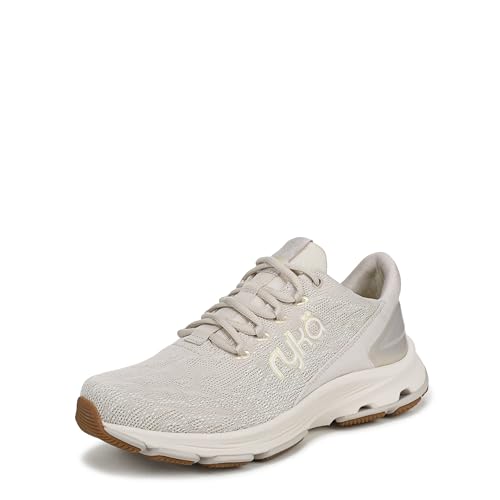
The Ryka Devotion X uses full-length RE-ZORB cushioning with extra RE-ZORB in the forefoot and heel for shock absorption and impact protection. That means each step gets targeted cushioning exactly where high-performance fitness walking demands it. Ryka built these around a woman’s foot anatomy, narrower heel, roomier toe, softer cushioning, so the fit feels intentional rather than generic. If your walking routine leans toward high-performance fitness walking, this shoe is designed to support that specific motion without extra bulk or sloppiness.
The Ryka Devotion X is built for high-performance fitness walking, so it’s a shoe you’d pick when you want steady cushioning mile after mile. Full-length RE-ZORB foam handles shock absorption and impact protection, with extra padding in the forefoot and heel for the high-impact zones. The fit is shaped for a woman’s foot, narrower heel, roomier toe, and softer cushioning, which means less slipping at the back and more space for your toes to spread during a brisk stride. A lace-up closure locks it all in place, so you don’t have to stop mid-walk to retie.
Product photos
Skechers Go Walk Arch Fit Sneaker

What We Like
- Podiatrist-certified arch support insoles
- Extra Wide (4E) fit available
- Machine washable for easy cleaning
- Breathable mesh upper for cooling
Trade-offs
- 2.0 pounds is heavier than some walking shoes
The Skechers Go Walk Arch Fit sneaker uses a podiatrist-certified arch support insole shaped from 120,000 foot scans and 20 years of data. That kind of design means your arches get consistent, targeted support whether you are logging miles on a treadmill or walking the dog. The breathable mesh upper helps keep feet cool, and the machine-washable construction makes upkeep simple after sweaty sessions. For anyone whose feet crave structured arch support without a stiff, clunky feel, this shoe delivers a balanced blend of cushion and stability.
Weight is a factor here: at 2.0 pounds, these are noticeably heavier than the New Balance FuelCell Walker Elite (1.7 pounds), so if you’re chasing a featherlight feel for speed walks or long distances, the FuelCell might suit you better. But the Skechers makes up for it with its Extra Wide (4E) option and moisture-wicking insole, giving wider feet and heavy sweaters a comfortable, supportive home base. It’s a practical, no-fuss walking shoe that prioritizes arch health over minimalism.
Product photos
New Balance FuelCell Walker Elite

What We Like
- Propulsive FuelCell foam drives you forward
- Walking Strike Path guides full gait cycle
- Stability Plane blends cushioning with support
- Adjustable lace closure for custom fit
Trade-offs
- 1.7 pounds is heavier than Brooks Adrenaline GTS 25 at 0.6 pounds
- Not designed for running or high-impact activities
The FuelCell foam in this shoe gives you a noticeable forward push with every step, which makes it feel like the ground is helping you along. That propulsive feel is the whole point here: if your walking routine includes brisk strides or you want to transition into light jogging intervals, this shoe rewards that effort. The Walking Strike Path technology guides your foot through the natural gait cycle, so you’re not fighting the shoe, it’s working with you. It’s best for someone who wants to pick up the pace and feel that springy response underfoot, not just cushioning.
At 1.7 pounds per shoe, the FuelCell Walker Elite is noticeably heavier than the Brooks Adrenaline GTS 25 (0.6 pounds), which matters if you’re doing longer, slower recovery walks or prefer a barely-there feel. The Stability Plane does keep the platform stable without sacrificing comfort, so you don’t lose support for the extra heft. If you’re after a walking shoe that actively propels you forward and you don’t mind a little more shoe on your foot, this one delivers that sensation better than most.
Product photos
New Balance 608 V5 Cross Trainer

What We Like
- ABZORB heel crash pad absorbs impact
- Suede leather upper for durable structure
- Dual density collar supports ankle stability
- Phantom Liner reduces interior seam irritation
Trade-offs
- Suede upper is not machine washable
- Heavier than Brooks Adrenaline GTS 25 walking shoe
The ABZORB heel crash pad paired with a molded PU insert means every step lands on forgiving cushion that keeps going all day. That makes the New Balance 608 V5 a natural fit if you want a cross trainer that doubles as a walking shoe without sacrificing comfort. The suede leather upper and dual density collar add support around the foot and ankle, so you can move from a brisk walk to light gym work without swapping shoes. It’s built for steady, versatile use rather than speed or minimalism.
The boxed product weighs 0.9 pounds, which includes the shoes and packaging, so the shoes themselves are lighter than that figure suggests. The generous padding and sturdy suede add some heft compared to a minimalist shoe, but the cushioning is the priority here. If you prioritize cloud-like cushion over featherweight feel, this shoe delivers. Just don’t expect it to disappear on your foot during fast intervals.
Brooks Anthem 8 Running Shoe
What We Like
- Softer ride with 2mm more DNA LOFT v2 foam
- Breathable mesh upper for warm-weather comfort
- RoadTack rubber outsole for reliable traction
- Smooth heel-to-toe transitions for natural strides
Trade-offs
- Neutral design offers no stability for overpronation
- Not enough support for runners who overpronate
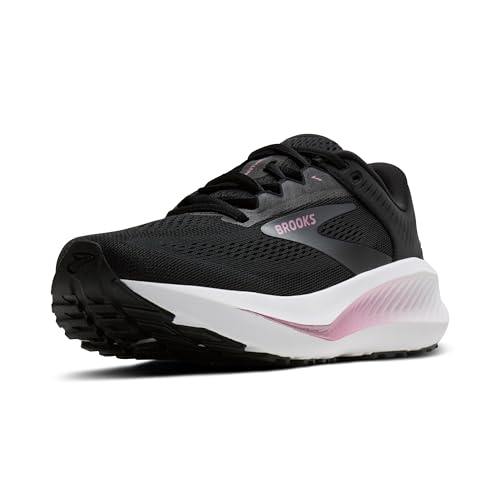
The extra 2mm of DNA LOFT v2 foam in the midsole is the key reason this shoe works so well for someone just starting to mix walking with short runs. That softer cushioning reduces impact on joints while still guiding your foot through a smooth heel-to-toe transition, so each step feels fluid rather than clunky. It’s a forgiving ride that doesn’t overwhelm a beginner with stiffness or aggressive geometry. If you’re easing into fitness from a mostly sedentary routine, this shoe lets you build confidence without punishing your feet.
This neutral design won’t provide the stability someone with flat arches or overpronation needs. For that, the Brooks Adrenaline GTS 25 offers structured support, but it also costs more and feels heavier on the foot. The Anthem 8 keeps things light and breathable, with a mesh upper that won’t trap heat during a brisk walk on a summer afternoon. It’s a smart, affordable entry point, just know that as your mileage grows, you may eventually want more support or a faster-responding sole.
Product photos
Reebok Rapid Strike Walking Shoe
What We Like
- TPR outsole gives dependable grip
- Removable insole for moisture management
- EVA midsole absorbs impact for smoother movement
Trade-offs
- No width option narrower than medium
- Designed for walking, not high-intensity running
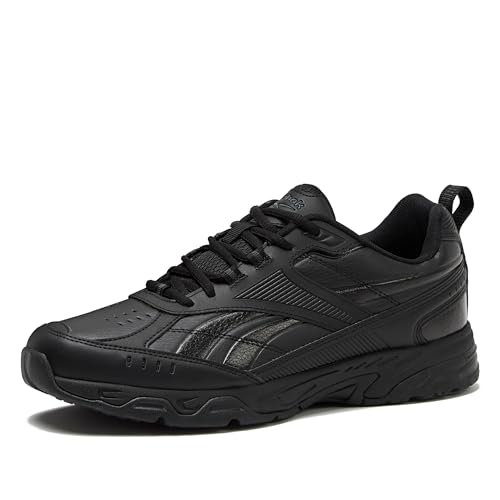
Because the upper is synthetic, it prioritizes durability over the plush feel of a mesh-based shoe like the Skechers Go Walk Arch Fit, which some reviewers note feels softer from the start. The Rapid Strike is designed for walking and cross-training, not for the speed-focused cushioning you’d find in a dedicated running shoe such as the Brooks Anthem 8. For all-day support during varied activity, it delivers dependable comfort.
Product photos
ALLSWIFIT StediCore Stability Sneaker

What We Like
- Dual-density cushioning with 55% energy return
- Built-in 3D arch support stabilizes midfoot
- Lightweight at 12.01 oz per shoe
- Easy slip-on design with out-turned collar
Trade-offs
- Reinforced base prioritizes stability over softness
- Not ideal for wide feet or high-volume insteps.
A dual-density cushioning system that returns 55% energy on each step means you get a lively push forward without your foot sinking into the foam. That reinforced base keeps every stride steady, making this a smart choice if you spend long hours on your feet at work or want reliable support for light gym sessions and daily walks. The built-in 3D arch support aligns with your foot’s natural curve, securing the midfoot and encouraging a smoother gait without extra bulk.
The slip-on design with an out-turned collar makes these shoes quick to put on, but it means you give up the ability to fine-tune the fit with laces. That trade-off is fine for casual walks and light gym sessions, but if you need a locked-down feel for faster movement, a lace-up shoe may suit you better.
Product photos
HARENCE Comfort Walking Shoe
What We Like
- Lightweight at 0.5 lbs each
- Breathable woven mesh upper
- Slip-resistant outsole for wet surfaces
- Arch and heel contoured insole
Trade-offs
- Narrow width only (no wide option listed)
- No arch support level specified for high arches
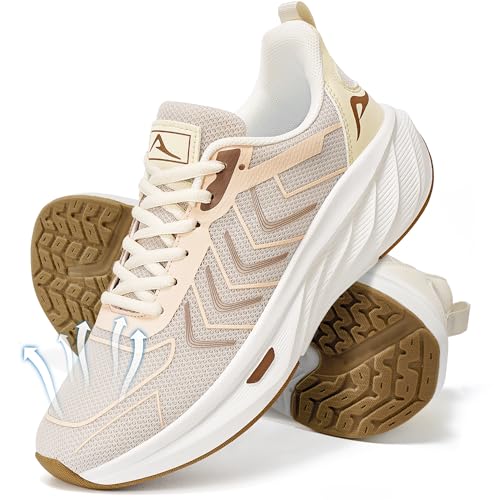
These sneakers weigh just half a pound per shoe, making them a lightweight option for walking, errands, or gym workouts. The thick EVA foam midsole provides cushioning and shock absorption to reduce joint impact, while the woven mesh upper helps keep feet cool. The textured outsole offers slip resistance on wet pavement and gym floors, so you can move with confidence.
This shoe comes in a standard width only, so if you have wider feet or need extra room in the toe box, it might feel snug after a couple of miles. Compared to the Brooks Adrenaline GTS 25, which is a different model with its own features, the HARENCE focuses on lightweight comfort and breathability. It’s a good choice for casual walking and everyday movement, but if you need a shoe with more structured support, you may want to consider other options.
Product photos
How We Evaluated Shoes For Walking And Exercise
This evaluation is based on manufacturer specifications, expert round-ups, and consistent patterns in owner feedback across dozens of models.
The three criteria that mattered most were support structure, cushioning type, and fit versatility. Walkers and gym-goers need a shoe that controls excess motion without feeling restrictive, and the cushioning must absorb impact without sacrificing ground feel. We also prioritized models available in multiple widths or with specific arch support features.
A research-led evaluation has limits. Owner feedback can be subjective, and individual fit varies with foot shape and gait. We focused on consistent praise and complaints across many reviews to identify reliable patterns rather than isolated opinions. For personalized advice, we recommend reading our guide on how to choose gym shoes for a step-by-step fit process.
What To Look For In Shoes For Walking And Exercise
Before you buy, focus on the three elements that separate a good all-rounder from a one-trick shoe: support, cushioning, and outsole grip. Here is what to check.
Look for a shoe that combines heel stability with forefoot flexibility. A rigid sole works against a natural walking gait, while too much flex leaves you unsupported during gym moves.
Support And Stability
Your walking gait naturally rolls through the heel, midfoot, and toe. Shoes with a medial post or guide rails help control overpronation without locking your foot in place. The Brooks Adrenaline GTS 25 uses GuideRails technology that gently corrects excess movement, while the ALLSWIFIT StediCore uses dual-density foam and a built-in 3D arch support for a different approach. If you have flat feet or know you overpronate, prioritize a stability shoe over a neutral one.
Cushioning And Responsiveness
Cushioning is about more than softness, it determines how your foot feels after a mile of walking and a set of lunges. Foam compounds like DNA LOFT v3 (Brooks) and FuelCell (New Balance) offer plush landings with enough bounce for a brisk pace. For gym work, look for a denser heel crash pad like the ABZORB in the New Balance 608 V5, which absorbs impact during exercises like step-ups or box jumps. The best all-around exercise shoes balance soft forefoot cushioning with a stable heel platform.
Outsole Traction And Durability
A walking shoe needs reliable grip on pavement, gym floors, and occasionally wet surfaces. Rubber outsoles with multi-directional tread patterns provide the best versatility. The Brooks Anthem 8 uses RoadTack rubber for reliable traction on roads and treadmills, while the HARENCE Comfort Walking Shoe adds a slip-resistant outsole for wet conditions. Avoid shoes with exposed foam midsoles if you plan to walk outdoors regularly, they wear down faster than full rubber coverage.
- Check if the shoe offers a removable insole for custom orthotics.
- Look for a toe bumper that protects against scuffs on pavement.
- Verify the upper material, engineered mesh breathes well, suede adds durability but resists washing.
- Consider the closure: slip-on designs save time, lace-ups offer a more precise fit.
- Weigh the shoe if you plan to pack it for travel or carry it to the gym.
A good rule of thumb: if the shoe feels unstable during a simple side-step or lunge in the store, it will not improve with wear.
Shoes For Walking And Exercise Compared
The table below compares the nine shoes across key specs so you can see how cushioning, weight, and support features stack up side by side.
| Product | Cushioning | Upper Material | Width Options |
|---|---|---|---|
| Brooks Adrenaline GTS 25 Walking Shoe | DNA LOFT v3 nitrogen-infused | Engineered mesh | Wide (D) |
| Ryka Devotion X Walking Shoe | RE-ZORB responsive cushioning | Breathable mesh | Wide |
| Skechers Go Walk Arch Fit Sneaker | Air-Cooled Arch Fit | Breathable athletic mesh | Medium (D) and Extra Wide (4E) |
| New Balance FuelCell Walker Elite | FuelCell foam | Synthetic, engineered mesh and textile | W |
| New Balance 608 V5 Cross Trainer | ABZORB heel + PU insert | Suede leather | Wide (2E) |
| Brooks Anthem 8 Running Shoe | DNA LOFT v2 midsole foam | Lightweight performance mesh | Medium |
| Reebok Rapid Strike Walking Shoe | EVA | Synthetic | Medium, wide, extra wide |
| ALLSWIFIT StediCore Stability Sneaker | Dual-density, 55% energy return | Breathable jacquard mesh | N/A |
| HARENCE Comfort Walking Shoe | Thick EVA foam | Woven mesh | N/A |
Frequently Asked Questions
What is the difference between walking shoes and running shoes?
Walking shoes have a more flexible forefoot to allow a natural rolling motion through the gait cycle. Running shoes prioritize heel cushioning and a stiffer midsole for forward propulsion and impact from higher speeds. Many walking shoes also use a lower heel-to-toe drop to keep your foot closer to the ground for stability.
Can I use walking shoes for light gym workouts?
Yes, many walking shoes work well for light gym sessions like weightlifting, stretching, or machine work. Look for models with a stable heel platform and decent lateral support, like the New Balance 608 V5 or the Brooks Adrenaline GTS 25. Avoid ultra-flexible walking shoes for exercises that involve side-to-side movement.
How do I know if I need arch support in a walking shoe?
If your feet flatten inward when you walk (overpronation) or you feel pain along the arch after walking, you likely need arch support. The wet-foot test, standing on a paper towel after wetting your foot, can show your arch type. A podiatrist-certified insole like the one in the Skechers Go Walk Arch Fit is a good starting point for moderate arch support.
What is the best way to break in new walking shoes?
Start with short walks of 15 to 20 minutes for the first few wears, then gradually increase duration. Focus on walking on flat, even surfaces initially. If you feel hot spots or rubbing, loosen the laces or try a different lacing pattern. Most modern walking shoes require minimal break-in, but your feet need time to adjust to the new support.
How often should I replace walking shoes?
Replace walking shoes when the cushioning feels flat or the outsole shows uneven wear. A visible crease in the midsole foam or a heel that feels less springy are signs it is time for a new pair. Walking in worn-out shoes can lead to foot pain and joint strain.
The Bottom Line
The Brooks Adrenaline GTS 25 Walking Shoe is the best overall pick for anyone who wants reliable support and plush cushioning for longer walking and exercise sessions. It is a certified diabetic shoe with APMA acceptance, and the GuideRails system gives you stability without feeling like a cast. If you have wider feet or need maximum arch support, the Skechers Go Walk Arch Fit is a strong alternative with a 4E width option.
Budget-conscious walkers should consider the HARENCE Comfort Walking Shoe for its lightweight, breathable mesh upper and slip-resistant outsole at an affordable price point. Women looking for a female-specific fit will appreciate the Ryka Devotion X, which shapes the heel and forefoot for a woman’s anatomy. For a responsive, forward-driving walk, the New Balance FuelCell Walker Elite delivers a propulsive feel that makes brisk paces feel effortless.
The single most important factor in choosing a shoe is how it fits your foot shape and supports your natural gait. Ignore trends and focus on comfort, support, and the activities you actually do. Whether you are browsing shoes for walking for exercise or comparing gym shoes for walking, take the time to try on multiple pairs and walk around the store. Your feet will thank you.
