
10 Best Small Fitness Trackers in 2026
This post contains affiliate links. As an Amazon Associate, we earn from qualifying purchases.
The Fitbit Air Screenless Activity Tracker is the best overall small fitness tracker because it combines a lightweight, distraction-free design with a seven-day battery and fast charging. For those who want even longer battery life without a subscription, the Garmin CIRQA Smart Band is a strong alternative, while the LOOKCARE Screenless Fitness Tracker wins for its barely-there 14.5-gram build.
Finding a fitness tracker that doesn’t feel bulky or get in the way is harder than it sounds. Many models are too wide for smaller wrists, too heavy for sleep tracking, or too flashy for daily wear. The real challenge is balancing a compact footprint with the features you actually need, step count, heart rate, sleep data, without sacrificing battery life or comfort.
This guide is built on specifications, manufacturer data, and patterns we found across expert round-ups and owner feedback. We focused on dimensions, weight, battery claims, and water resistance to help you choose a tracker that fits your wrist and your routine without unnecessary bulk.
Top 10 Small Fitness Trackers in the Market

Certain content that appears on this site comes from Amazon. This content is provided "as is" and is subject to change or removal at any time.
The Best Small Fitness Trackers, Reviewed
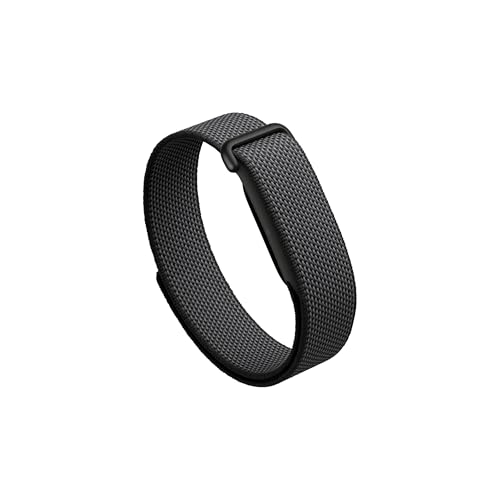
Fitbit Air Screenless Activity Tracker
What We Like
- Screenless design for zero distractions
- Lightweight, micro-adjustable comfort band
- 7-day battery with 5-minute fast charge
Trade-offs
- Requires subscription for personalized coaching
- No screen means no visible stats during workouts
A battery that lasts up to seven days and recharges a full day’s use in just five minutes means you can wear this tracker through your whole week, work, gym, sleep, without hunting for a charger. That convenience, paired with a screenless design that slips from bracelet to workout band without distracting you, makes it the kind of everyday companion that quietly supports your habits. It suits someone who wants heart rate, sleep, and activity tracking without staring at another screen, and who values simplicity over flashy features.
The most personalized coaching requires a premium subscription, so you get the full adaptive experience only if you pay after the free trial. The Fitbit Air’s AI-powered coaching is a strong draw if you want that extra guidance, but the Garmin CIRQA Smart Band needs no subscription at all. The band fits wrists from 130 to 210 mm, so it covers a wide range of sizes.
Product photos
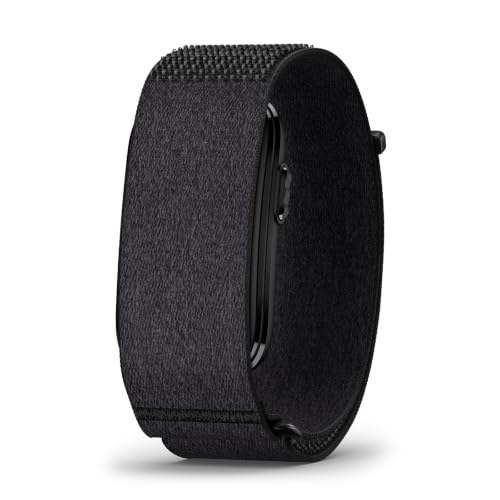
Garmin CIRQA Smart Band
What We Like
- Screenless design for distraction-free wear
- 10-day battery life
- No subscription required
- Tracks 80+ activities
Trade-offs
- No display for quick glances
- Requires smartphone for GPS tracking
With a 10-day battery life, this screenless band stays on your wrist through the work week and weekend without begging for a charger. That means you get consistent heart rate, stress, and sleep data without the interruption of taking it off to juice up. It is built for anyone who wants the health tracking benefits without the constant buzz of notifications or the temptation to check a screen during a workout or meeting. The fabric band is designed for all-day and all-night wear, and the lack of a display keeps your focus where it belongs on your movement, not on a tiny screen.
The trade off is that you lose the convenience of glancing at your stats mid run. For real time pace or distance, you will need to pair it with your phone’s GPS, which is not ideal if you prefer to leave your phone behind. Compared to the Fitbit Inspire 3, which has a display, the Garmin CIRQA is more of a background companion than a live dashboard. It is a great fit if you want the data without the distraction, but less suited if you want instant feedback during your workout.
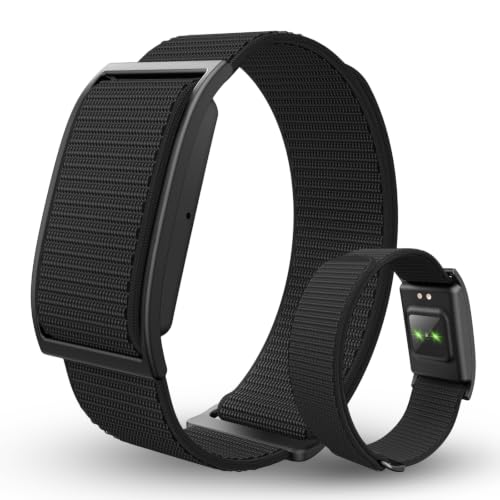
LOOKCARE Screenless Fitness Tracker
What We Like
- Screenless design keeps you focused
- Weighs only 14.5 g for all-day wear
- 100+ sports modes with phone GPS
- Subscription-free health and sleep tracking
Trade-offs
- 1 ATM water resistance limits to rain and sweat only
- No on-wrist display for quick stats
- Requires phone for GPS during outdoor workouts
Weighing just 14.5 g, this screenless tracker is designed for all-day wear without feeling bulky. The screenless design keeps your data in the app, so you can track steps, sleep stages, overnight heart rate, and HRV trends without on-wrist distractions. It requires no subscription, just the tracker and the app. This is a great pick for anyone who wants health data without a display.
The 1 ATM water resistance rating handles sweat and rain, but it is not designed for swimming or submersion. For outdoor workouts, the tracker supports phone GPS for route mapping, but you will need to carry your phone for that feature. The 100+ sports modes still log your effort. For everyday walking, running, or gym use, this tracker offers a lightweight, no-fuss way to stay on track.
Product photos
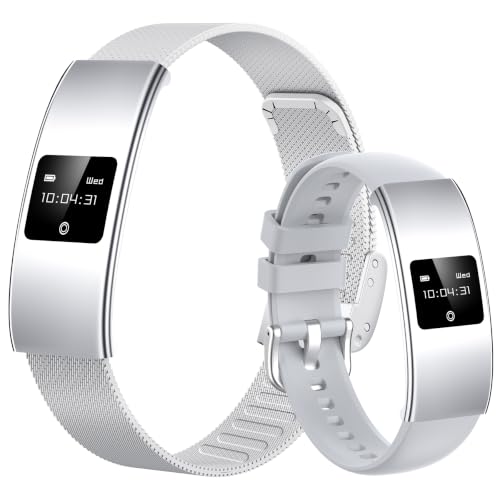
ZiCOWAY Ultra Slim Fitness Tracker
What We Like
- Ultra-slim 2.6 mm profile
- 10 ATM waterproof for swimming
- 12-day battery in Standard Mode
Trade-offs
- 0.49-inch screen is very small for reading stats
- No built-in GPS for phone-free tracking
- Only 5-day battery in Daily Use Mode
At just 2.6 mm thick, this tracker is designed to disappear on your wrist. You barely notice it during a busy workday, and it stays comfortable overnight for sleep tracking, no bulky lump digging into your arm. The 10 ATM water resistance means you can wear it swimming or diving without a second thought, and the 12-day battery in Standard Mode keeps you charging less and moving more.
The trade-off for that slim profile is a tiny 0.49-inch OLED screen. Glancing at your stats takes a focused look, and there is no built-in GPS, so you will need your phone along for mapped routes. Compared to the Xiaomi Smart Band 10 Pro’s larger 1.74-inch AMOLED display, the ZiCOWAY prioritizes low-profile wear over screen real estate. If you want a tracker that feels like part of your wrist rather than a gadget, this is the one.
Product photos
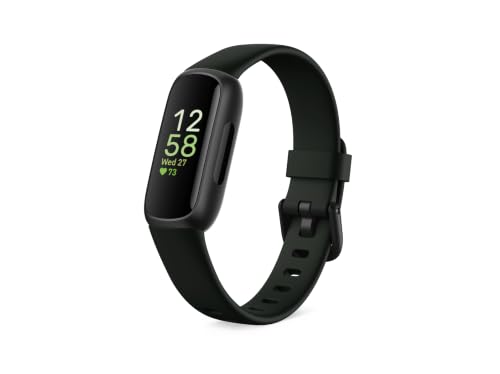
Fitbit Inspire 3 Fitness Tracker
What We Like
- Daily Stress Management Score and mindfulness sessions
- Automatic sleep tracking with Sleep Score
- 24/7 heart rate and SpO2 monitoring
- 40+ exercise modes and Active Zone Minutes
Trade-offs
- Requires iOS 16.4 or Android 11.0 or higher
- No built-in GPS for outdoor runs
A daily Stress Management Score and guided breathing sessions make this tracker stand out if your biggest fitness hurdle isn’t your legs but your head. The Inspire 3 wraps stress tracking, automatic sleep scoring, and 24/7 heart rate into a tiny 0.2-pound package that disappears on your wrist. It suits anyone who wants to understand how their sleep and stress affect their energy, without wearing a bulky screen or paying for a subscription after the first three months.
The display is small, which can feel cramped when you’re mid-set and want to glance at your heart rate zone. Compared to the Xiaomi Smart Band 10 Pro’s larger AMOLED screen, the Inspire 3 prioritises comfort and simplicity over data density. If you prefer a bigger touchscreen for on-the-wrist navigation, the Xiaomi is worth a look. But for a tracker that focuses on recovery and rest, this Fitbit does exactly that.
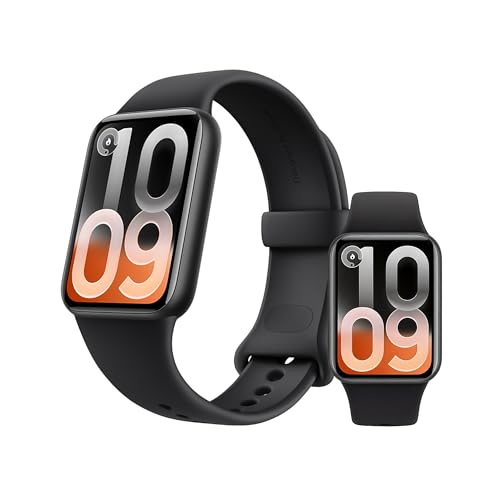
Xiaomi Smart Band 10 Pro
What We Like
- 21-day battery on light usage
- Large 1.74" AMOLED with 2000 nits brightness
- 5ATM waterproof for swimming
- 150+ sports modes with GNSS tracking
Trade-offs
- Requires 30-minute break after long wear
- Heavier ceramic edition (28.7g) available
Twenty-one days of battery life on light usage means this band can go from one weekend trip to the next without needing a charge. When it does, fast charging gets you back to full in just over an hour. That alone makes it the tracker you grab for long hikes, camping, or any stretch where you’d rather not hunt for an outlet. The 1.74-inch AMOLED display hits 2000 nits peak brightness, so you can read your stats even under direct sun, and the 5ATM waterproof rating lets you take it swimming without worry. For anyone who wants a small fitness tracker that keeps up with an active, on-the-go lifestyle, this is the one that won’t quit when you’re still going.
If you have known sensitivity to rubber or TPU, you might want to test it briefly first or consider swapping the strap. It’s a practical, no-fuss choice for anyone who values endurance over extra bells and whistles.
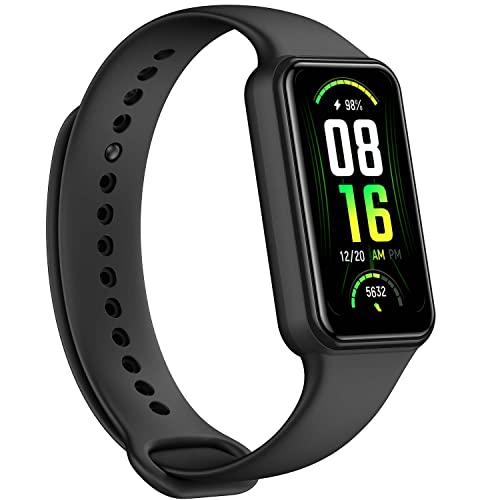
Amazfit Band 7 Fitness Tracker
What We Like
- Large 1.47" AMOLED always-on display
- Up to 18 days battery life
- 120 sports modes for variety
- Alexa built-in for hands-free control
Trade-offs
- Charging needed every 18 days still requires planning
- Alexa requires an internet connection to work
The 1.47-inch always-on AMOLED display is 112% larger than the screen on the Band 5. That means you can check your heart rate, steps, or workout stats with a quick glance instead of scrolling through menus mid-set. During a run or a gym session, that extra visible area keeps your focus on the activity rather than on tiny text. The display stays on, which means you don’t have to tap or raise your wrist to see your current pace or rep count. Owners report this makes tracking intervals or rest periods much more natural.
This band has a larger display than screenless trackers, so it won’t feel as minimal on your wrist. That’s a small price to pay if you value a bright, always-on screen for quick data checks. The 18-day battery is solid, though if you use the always-on display heavily, you may need to charge a bit sooner. Still, for a fitness tracker that puts a readable screen front and center, the Amazfit Band 7 delivers where it counts.
Product photos
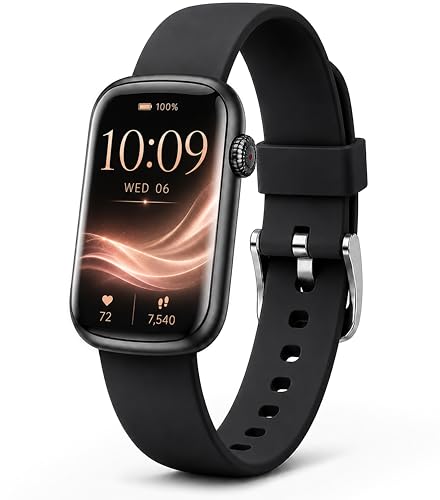
MorePro Slim Health Fitness Tracker
What We Like
- 1.47-inch slim display with 300+ watch faces
- 24/7 heart rate and blood pressure monitoring
- IP68 waterproof for daily use and rain
- Women's health tracking with period calendar
Trade-offs
- Blood oxygen is on-demand only, not continuous
- Health data for general wellness, not medical use
- Battery life varies with settings and usage
A 1.47-inch display packed into a slim body means you get a clear, customizable screen that feels more like a stylish watch than a chunky fitness brick. That’s the big draw here: it tracks your heart rate, blood pressure, and sleep around the clock, then lets you swap between over 300 watch faces to match your outfit or mood. For someone who wants health insights without looking like they just left a triathlon, this is a practical everyday companion that blends into work, workouts, and casual life.
The blood oxygen reading is on-demand only, so you won’t get automatic SpO2 tracking through the night like some pricier bands offer. If you want a slim, feature-rich tracker that keeps notifications and health data on your wrist without shouting ‘gadget,’ this fits the bill nicely.
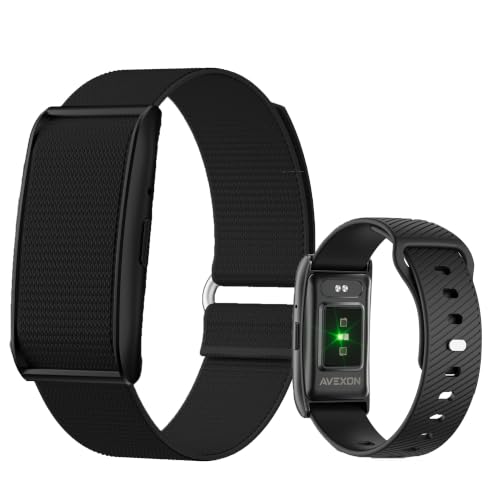
Avexon Screenless Smart Bracelet
What We Like
- 20+ day battery life
- Screenless design for focus
- 3ATM waterproof for swimming
- No subscription fees
Trade-offs
- No display for quick checks
- Health data for reference only
- No built-in GPS
Twenty-plus days of battery life means you can practically forget this tracker exists until you glance at the app weeks later. That’s the headline here, and for anyone tired of charging a fitness band every few nights, it’s a huge relief. The screenless design keeps distractions away, no glowing notifications during a meeting or while you’re trying to sleep, and the gentle vibrations let you know when something matters. It’s light enough at 27 grams to wear all day and night, tracking steps, heart rate, sleep stages, and over a hundred activity modes without demanding your attention. If your goal is steady, low-fuss health tracking without another glowing screen in your life, this fits that bill neatly.
You have to pull out your phone to see any data. There is no display to glance at mid-run or during a set, so real-time feedback requires the app. Compared to the Fitbit Air, which also skips a screen but offers up to seven days of battery, the Avexon’s 20-plus-day runtime is significantly longer, great for travel or anyone who dislikes charging. Just know the heart rate and blood oxygen readings are for reference, not medical use. It is a focused, minimalist tool for people who want less tech noise, not more.
Product photos
Amazfit Helio Strap Screenless Activity Tracker
What We Like
- Tracks reps, sets, and rest periods
- 10-day battery life lasts through training
- Syncs with Strava and TrainingPeaks
Trade-offs
- No display means no real-time workout feedback
- Requires phone or smartwatch for data viewing
- Screenless design limits glanceable notifications
A 10-day battery life means you can train, sleep, and recover without hunting for a charger mid-week. It’s a great fit if you want a no-distraction tracker that focuses on gym performance and recovery data, all fed into the free Zepp App for analysis.
Without a screen, you won’t see your stats until you sync with your phone or an Amazfit smartwatch. Compared to the Fitbit Air, which also skips a display but offers AI coaching, the Helio Strap offers up to 10 days of battery life versus 7 days. For dedicated lifters who want to track reps, sets, and rest periods, this strap delivers.
Product photos
How We Evaluated Small Fitness Trackers
We started by looking at physical dimensions and weight for every model, comparing case sizes and strap widths against what real owners report wearing comfortably. Manufacturer spec sheets gave us battery life claims, water resistance ratings, and display sizes, while expert round-ups helped us understand which features actually matter for daily use.
The three criteria that mattered most were physical size and weight, battery life, and feature depth relative to footprint. A tracker that is small but needs charging every two days isn’t practical for sleep tracking. A screenless model saves weight but requires a phone for data, that trade-off works for some people but not others.
We also considered how each tracker fits into the broader landscape of the smallest fitness trackers available. This is a research-led evaluation, not a hands-on test, so we rely on what the data and community feedback tell us about real-world performance.
What To Look For In Small Fitness Trackers
Choosing a small tracker means prioritizing what you’re willing to give up. Every compact model makes a trade-off, smaller screen, shorter battery, fewer sensors, so knowing your must-haves is the first step.
A good small fitness tracker weighs under 30 grams, fits wrists as small as 130 mm, and lasts at least five days between charges. Screenless models are the lightest but require a phone for data; display models offer glanceable stats but add bulk.
Size and Weight
The most important spec for a small tracker is its case diameter and thickness. Look for models under 40 mm wide and under 10 mm thick if you want true all-day and overnight comfort. Weight matters just as much, anything over 30 grams becomes noticeable during sleep. For the best fitness trackers for small wrists, check the strap circumference range and whether the band uses a standard quick-release size for easy swapping.
Battery Life vs. Features
Screenless trackers often last up to a week because they don’t power a display. AMOLED models with always-on screens typically need charging more often. If sleep tracking is important, prioritize a tracker that can go at least a week without a charge, you don’t want to take it off mid-week just to top up the battery.
Water Resistance
Not all small trackers handle water the same way. IP68 is fine for rain and hand washing, but 5 ATM or 10 ATM is needed for swimming. If you plan to track laps in the pool, skip anything below 5 ATM. Screenless models sometimes skimp here, so check the rating carefully.
- Measure your wrist circumference before buying, many trackers list a minimum fit of 130 mm.
- Check whether the charger is proprietary or uses a standard USB cable.
- Look for replaceable bands if you plan to wear the tracker 24/7.
- Confirm that the companion app works with your phone’s operating system version.
- Verify that the features you want (GPS, SpO2, stress tracking) are built-in, not subscription-locked.
A safe rule: pick the smallest tracker that covers your top two health metrics without needing a daily charge.
Small Fitness Trackers Compared
The table below compares the ten small fitness trackers across size, battery life, and key features so you can see the trade-offs at a glance.
| Product | Battery Life | Sports Modes | Display |
|---|---|---|---|
| Fitbit Air Screenless Activity Tracker | Up to 7 days | N/A | Screenless |
| Garmin CIRQA Smart Band | Up to 10 days | 80+ trackable | Screenless |
| LOOKCARE Screenless Fitness Tracker | Up to 10 days | 100+ | Screenless |
| ZiCOWAY Ultra Slim Fitness Tracker | 12 days (Standard Mode) | 100 | 0.49-inch OLED touchscreen |
| Fitbit Inspire 3 Fitness Tracker | N/A | 40+ exercise modes | N/A |
| Xiaomi Smart Band 10 Pro | Up to 21 days (light use) | 150+ with GNSS | 1.74" AMOLED, 2000 nits |
| Amazfit Band 7 Fitness Tracker | Up to 18 days | 120 sports modes | 1.47" AMOLED |
| MorePro Slim Health Fitness Tracker | 7 days / 10 days standby | 7 sports modes | 1.47-inch |
| Avexon Screenless Smart Bracelet | 20+ days | 100+ | Screenless |
| Amazfit Helio Strap Screenless Activity Tracker | Up to 10 days | 27 sports modes | Screenless |
Frequently Asked Questions
What is the smallest fitness tracker available?
The LOOKCARE Screenless Fitness Tracker weighs just 14.5 grams, making it one of the lightest options for all-day wear. Screenless models are generally the most compact because they don’t have a display, battery, or touchscreen components.
Can a small fitness tracker track sleep accurately?
Yes, most small trackers use accelerometer and heart rate data to estimate sleep stages and duration. Look for models with automatic sleep detection and a Sleep Score feature if this is your priority, the Fitbit Inspire 3 is a strong example.
Do screenless fitness trackers still measure heart rate?
Most screenless models include an optical heart rate sensor on the underside of the band. The data syncs to your phone via Bluetooth, so you can review your heart rate trends in the companion app after your workout or throughout the day.
How long do small fitness tracker batteries typically last?
Battery life varies widely by design. Screenless trackers often last 7 to 20 days, while AMOLED display models average 5 to 7 days with typical use. The Xiaomi Smart Band 10 Pro claims up to 21 days on light usage, which is exceptional for a display-equipped tracker.
What is the difference between IP68 and 5ATM water resistance?
IP68 means the tracker is dust-tight and can survive submersion in 1.5 meters of water for 30 minutes, fine for rain and hand washing. 5ATM means it can withstand pressures equivalent to 50 meters depth, making it suitable for swimming and showering.
The Bottom Line
The Fitbit Air Screenless Activity Tracker is our best overall pick for anyone who wants a discreet, distraction-free fitness tracker with strong coaching features and a battery that lasts through the week. Its screenless design keeps you focused on your workout, not your wrist, while the micro-adjustable band ensures a comfortable fit for smaller wrists.
If you prefer no subscription fees and even longer battery life, the Garmin CIRQA Smart Band is the better choice. For lifters who want rep and set tracking without a screen, the Amazfit Helio Strap is purpose-built for strength training and syncs with Strava and TrainingPeaks.
The single most important factor when choosing a small fitness tracker is knowing which trade-off you can live with, screenless for weight and battery, or a display for glanceable stats. Pick the one that matches your workout style, and you’ll actually wear it every day.
