
10 Best Sneakers For Exercise Women in 2026
This post contains affiliate links. As an Amazon Associate, we earn from qualifying purchases.
The best sneaker for exercise women has to pull double duty, supporting heavy lifts one minute and explosive jumps the next. Our Best Overall pick, the Nike Free Metcon 5 Training Shoes, nails that balance with a wide heel for stability and a softer foam core for landings. For dedicated cross-training, the Reebok Nano X5 is our Best For Cross Training, while the Nike Flex Train offers Best Flexibility for cardio-focused sessions.
The real challenge for most women is finding one shoe that doesn’t force a trade-off between lifting stability and cushioning for dynamic moves. A shoe that feels great for deadlifts can feel like a brick during burpees, and a bouncy running shoe can feel unstable under a barbell. We focused on versatility, fit, and the specific demands of gym workouts.
This guide is built from manufacturer specifications, expert round-ups, and patterns in owner feedback. We compared ten models across key criteria like weight, sole design, and intended use to help you match the right shoe to your workout style.
Top 10 Sneakers For Exercise Women in the Market
Certain content that appears on this site comes from Amazon. This content is provided "as is" and is subject to change or removal at any time.
The Best Sneakers For Exercise Women, Reviewed
Nike Free Metcon 5 Training Shoes

What We Like
- Wide heel for weight lifting stability
- Softer foam core cushions landings
- Internal weave supports sudden direction changes
Trade-offs
- At 1.8 lb, heavier than barefoot or running-focused options
The wide heel gives you a planted base for squats and lunges, so you don’t wobble when loading up the barbell. That stability is exactly what makes this shoe a natural fit for anyone who mixes strength work with quick cardio bursts. The softer foam core underfoot keeps landings from feeling jarring during box jumps or short runs, and the internal weave wraps your midfoot securely during sudden stops and cuts. It is built for the woman who wants one shoe that handles both the weight room and the circuit without forcing a compromise.
At 1.8 pounds, the Nike Free Metcon 5 is heavier than barefoot or running-focused options. That heft comes from the wide heel and internal weave that provide a stable base for lifting and support during quick cuts. For lifters who also do metcons, it offers a solid, cushioned platform that keeps you stable under heavy weight and comfortable when moving fast.
Product photos
Reebok Nano X5 Cross Training Sneakers

What We Like
- Dual-density midsole for stability and responsiveness
- Breathable Flex Weave upper
- Metasplit outsole enhances running and walking
- Plush collar locks foot in place
Trade-offs
- Heavier than the New Balance 608 V5 at 0.7 lb
A dual-density midsole with firmer foam in the heel and responsive foam in the forefoot means this shoe handles both heavy lifts and quick jumps without forcing you to choose between stability and bounce. That balance is exactly what makes the Nano X5 a natural fit for anyone who mixes weight training with fitness classes or short runs. The breathable Flex Weave upper keeps your feet from overheating during long sessions, and the built-in arch support adds comfort for standing sets or treadmill intervals. If your gym routine jumps from squats to box jumps to a quick mile, this shoe is built to keep up without complaint.
The trade-off is that at 1.8 pounds, the Nano X5 is noticeably heavier than lighter options like the New Balance 608 V5, which comes in at 0.7 pounds. That extra weight gives you durable rubber traction and a locked-down feel, but if your priority is pure speed or long-distance running, a lighter trainer might feel less clunky. For the gym-goer who wants one shoe that can handle lifting, short runs, and group classes without switching pairs, the Nano X5 delivers a stable, supportive ride that justifies the heft.
New Balance 608 V5 Cross Trainer

What We Like
- ABZORB heel pad absorbs impact
- Suede leather upper molds over time
Trade-offs
- Suede upper is not breathable for intense cardio.
- Lacks quick-lace system for gym adjustments.
At just 0.7 pounds, the New Balance 608 V5 is surprisingly light for a shoe built with a suede leather upper and a sturdy outsole. That combination means you get a trainer that feels supportive from the first step. It’s the kind of shoe that suits someone who wants one pair for light gym sessions, errands, and casual wear without having to swap shoes every time they switch tasks.
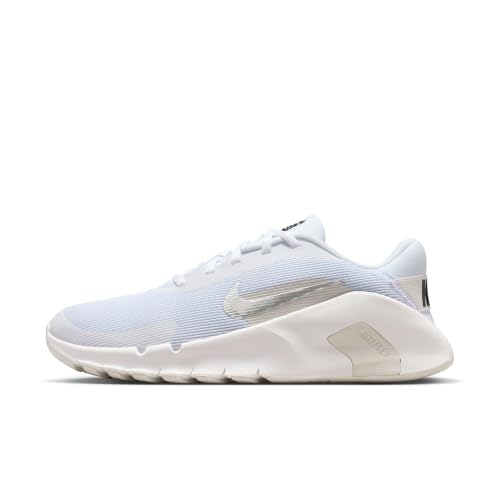
Nike Flex Train Training Shoes
What We Like
- Rubber outsole cutouts boost forefoot flexibility
- Full-length foam midsole cushions each step
- Breathable mesh upper keeps feet cool
- Elastic heel band adds support without weight
Trade-offs
- At 0.7 pounds, it's light but not for heavy lifting
- Mesh upper offers less durability for rugged terrain
A rubber outsole with built-in cutouts and thin slits in the forefoot means this shoe bends naturally with your foot during lunges, squats, or quick direction changes. That flexibility is the whole point here, it lets your toes spread and grip, which helps with balance in dynamic moves like burpees or agility drills. The full-length foam midsole keeps landings comfortable, and the lightweight mesh upper breathes well so you don’t overheat during a circuit. If your workouts involve a lot of lateral movement, jumping, or floor-based exercises, this design supports that freedom of motion without feeling stiff or clunky.
At 0.7 pounds, this shoe is lighter than the Reebok Nano X5 (1.8 pounds), so it feels quick on your feet for fast-paced gym sessions. The mesh upper and foam midsole keep the weight down, but the flexible build is not designed for heavy barbell work or uneven trails. It suits gym classes and home workouts where you want to move fast, just don’t expect it to double as a hiking boot or a dedicated lifting shoe.
Product photos
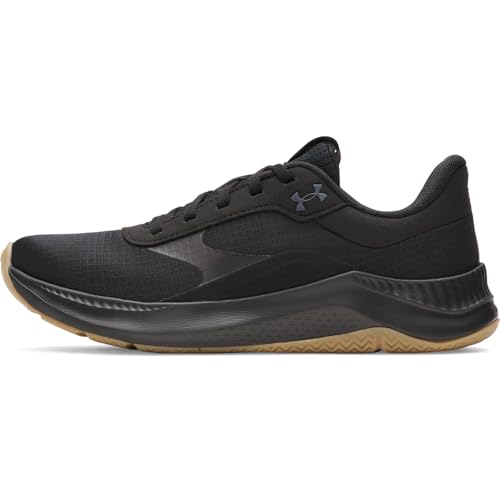
Under Armour Aurora 3 Cross Trainer
What We Like
- Built for the female foot shape
- Breathable mesh upper with suede details
- Charged+ midsole for comfort and performance
- Full rubber outsole with multidirectional traction
Trade-offs
- Standard lace type limits lockdown adjustability
A 7mm offset and a full rubber outsole with multidirectional traction make this trainer ready for everything from HIIT circuits to dumbbell work, without sacrificing stability on quick lateral moves. The Charged+ midsole delivers plush cushioning that keeps landings comfortable, so you can focus on form rather than sore feet. Under Armour shaped the upper specifically for the female foot, which means a streamlined fit that avoids the sloppy heel slip common in unisex shoes. This is a great pick if your gym routine mixes jumping, lunging, and lifting and you want something that moves with you, not against you.
At 9 ounces, this Under Armour cross trainer is nearly half the weight of the Nike model, which tips the scales at 1.8 pounds, so it feels almost like a second skin during fast-paced circuits. The streamlined fit is built specifically for the female foot. Reviewers note that the same snug shape can feel tight if your foot runs wide or you prefer extra toe room. For general gym work and cardio, the updated Charged+ midsole cushioning delivers a responsive ride that keeps you comfortable without adding bulk.
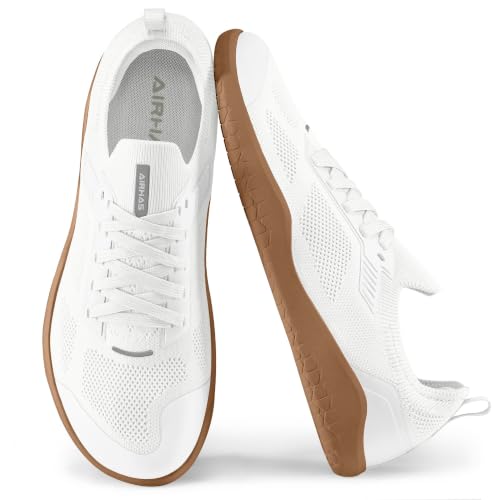
AIRHAS Barefoot Gym Sneakers
What We Like
- Zero-drop sole for natural foot posture
- Breathable stretchy knit upper
- Two wearing modes with removable insole
- Lightweight at 0.9 pounds
Trade-offs
- Thin sole offers less cushioning for high-impact moves
- Not designed for heavy plyometric or box jumps
At just 0.9 pounds, these are the lightest shoes in this guide by a wide margin, almost half the weight of the Nike Free Metcon 5 or Reebok Nano X5. That featherlight build, paired with a zero-drop sole and flexible rubber outsole, lets your feet move naturally and feel the floor beneath you. That’s exactly what makes them a great fit if you’re focused on lifting, yoga, or cross training where ground connection and foot strength matter more than plush cushioning. The stretchy knit upper and padded heel keep things breathable and comfortable, and you can even pop the insole out for an even rawer barefoot sensation.
The downside of that thin, flexible sole is that it doesn’t absorb much shock. If your routine includes a lot of jumping or running on concrete, you might miss the extra padding you’d get from a more cushioned shoe. These are purpose-built for controlled gym movements and low-impact sessions, not for pounding pavement. If you’re already comfortable with minimalist footwear or curious about strengthening your feet during workouts, this is a smart, affordable way to try it. Just expect a short adjustment period as your feet adapt to the zero-drop platform.
Product photos
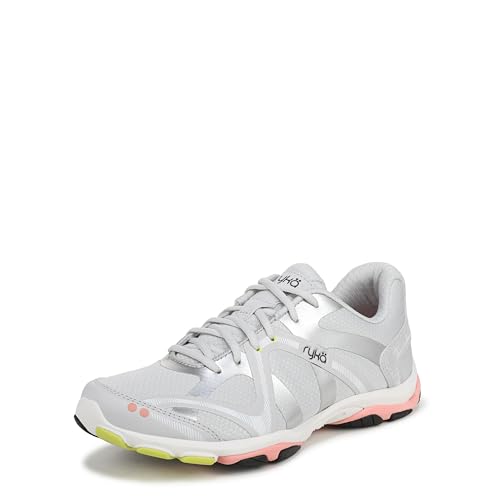
Ryka Influence Cross Training Shoes
What We Like
- Pivot point for smooth turns
- Narrower heel and roomier toe fit
- N-Gage foam for cushioning and shape retention
- Padded heel for extra cushioning
Trade-offs
- Heavier than several other picks at 2.4 lb
- Targeted at low-impact, not heavy lifting or running
A pivot point on the outsole means you can spin and change direction without catching or slipping, which is exactly what you need for dance fitness classes where quick turns and lateral moves are constant. Ryka designed these with a woman’s foot shape in mind, narrower heel, roomier toe, and softer foot cushioning, so you’re not fighting an unisex last that pinches or slides. The N-Gage energy return foam keeps the midsole from flattening out over time, giving you consistent bounce and impact protection even after months of Zumba, step aerobics, or barre workouts.
That extra heft comes from the rubber outsole and padded heel, which add durability but can feel a bit clunky if you’re used to featherlight trainers. But for anyone who spends most of their gym time moving to a beat, the Ryka Influence delivers the grip, support, and spin-friendly sole that low-impact dance fitness demands.
Product photos
adidas Response Pace Running Shoes

What We Like
- Cloudfoam cushioning for all-day comfort
- Ortholite sockliner for extra support
Trade-offs
- At 2.4 pounds, heavier than the Under Armour Charged Surge 4 at 2.2 pounds
The Cloudfoam cushioning in these adidas Response Pace shoes is the key feature here, it’s built to keep you comfortable from your morning run through errands and right into evening walks. That all-day support, paired with the Ortholite sockliner that helps reduce pressure points, makes this a shoe you can genuinely wear for hours without wanting to kick them off. If your exercise routine leans toward steady-paced running, light jogging, or gym sessions where comfort matters more than ground feel, this is a really solid fit.
At 2.4 pounds, these road running shoes feel substantial on your feet, which means they’re built for comfort during long, steady miles rather than sprinting. The Cloudfoam cushioning and Ortholite sockliner work together to give you a soft, supportive step that holds up through hours of walking or jogging. If you want a plush ride for everyday pavement use, this weight makes sense.
Product photos
New Balance 574 Core Sneaker

What We Like
- All-day support from ENCAP cushioning
- Sustainable materials in midsole and outsole
- Customizable fit with adjustable laces
- Classic suede/mesh upper for breathability
Trade-offs
- Heavier than barefoot-style training shoes
- Not designed for high-intensity gym workouts
The ENCAP midsole cushioning combines soft foam with a durable polyurethane rim to deliver all-day support. That means the shoe is suited for casual fitness, light walks, or everyday movement rather than heavy lifting or explosive training. The suede and mesh upper keeps things breathable and comfortable, while the bio-based EVA midsole and recycled rubber outsole show a thoughtful nod to sustainability.
This shoe is built more for comfort and style than for intense gym sessions. Compared to the Nike Free Metcon 5, which weighs 1.8 pounds, the 574 Core is lighter at 0.3 pounds, but it lacks the training-specific features of cross-training models. If your routine includes long walks, light jogs, or just staying active, this sneaker delivers on comfort and everyday versatility.
Product photos
Under Armour Charged Surge 4 Running Shoe
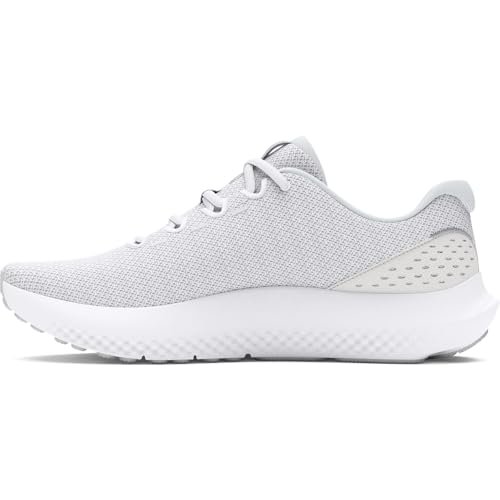
What We Like
- Charged Cushioning midsole for all-day comfort
Trade-offs
- Neutral support limits use for overpronation or stability needs
The Charged Cushioning midsole delivers a plush, responsive feel that absorbs impact mile after mile, making this a great pick for road runners who prioritize comfort over speed. This shoe suits women who log steady miles and want a forgiving platform that doesn’t sacrifice durability.
How We Evaluated Sneakers For Exercise Women
Our evaluation started with the technical specs that matter most in a gym setting: weight, midsole composition, outsole pattern, and drop height. We cross-referenced these against the intended use cases described by each brand, whether a shoe was built for Olympic lifting, HIIT circuits, or daily cardio, to see if the design actually matched the promise.
We then looked at patterns in owner feedback across hundreds of reviews, focusing on reported durability, fit consistency, and how the shoes performed in real workouts. We paid special attention to comments about stability during lateral movements, comfort during high-impact landings, and how well the shoe held up over months of use. This helped us identify which shoes had genuine trade-offs versus minor quirks.
The honest limit of a research-led evaluation is that we can’t tell you exactly how a shoe will feel on your foot. Fit is deeply personal, especially for women with narrow or wide feet. What we can do is point you to models that consistently fit as designed and highlight the specific features, like a women-specific last or a roomier toe box, that make a real difference. For more tailored advice, our guide on choosing gym shoes breaks down the key decisions.
What To Look For In Sneakers For Exercise Women
Finding the right gym shoe is about matching the shoe’s design to your primary workout. Here are the three factors that matter most.
Focus on the shoe’s intended purpose first: stability for lifting, cushioning for running, or flexibility for dynamic moves. Then check the weight, drop height, and upper material to see if it fits your gym routine.
Sole Design and Drop Height
The drop height, the difference in height between the heel and toe, dictates how a shoe feels during different exercises. A flat, low-drop shoe is ideal for weightlifting because it keeps your foot stable and close to the ground. A higher drop shifts weight forward, which is better for running but can feel unstable under a barbell.
For versatile training, a mid-drop shoe (4-8mm) offers a good compromise. The outsole pattern also matters: a flat, full-rubber outsole grips the floor for lifts, while segmented or cut-out patterns improve flexibility for lunges and jumps.
Weight and Cushioning
Heavier shoes offer more stability and durability but can feel sluggish during cardio. Lighter shoes are nimble for jumps and agility drills but often sacrifice cushioning and support. The type of cushioning foam matters, too. Firm, dense foams provide a stable platform for lifting, while softer, bouncier foams absorb impact for running and jumping. If your workout mixes both, look for a dual-density midsole that places firmer foam under the heel and softer foam in the forefoot.
Upper Material and Fit
The upper determines breathability, support, and how the shoe molds to your foot. Mesh uppers are lightweight and breathable for intense cardio, while suede or leather adds durability and structure for everyday training. A secure heel lock, from a padded collar or internal heel counter, prevents your foot from sliding during lateral cuts.
For women, fit is especially critical. Some brands offer women-specific lasts that account for a narrower heel and wider forefoot. If you have narrow feet, look for shoes built on a women’s last.
For wide feet, check if the model comes in wide sizing. Our guide to women’s workout sneakers covers more fit specifics.
- Check the drop height: low for lifting, higher for running, medium for mixed training.
- Weigh the shoe: light for cardio focus, heavy for stability focus.
- Test the heel lock: lace up and see if your heel lifts when you step sideways.
- Press the midsole: firm foam for lifting, soft foam for impact.
- Feel the toe box: you should be able to wiggle your toes without pressure.
A shoe that fits your foot shape well will always outperform one with better specs that fits poorly.
Sneakers For Exercise Women Compared
The table below compares the key specs and best-use scenarios for each of our ten picks.
| Product | Upper Material | Midsole | Weight |
|---|---|---|---|
| Nike Free Metcon 5 Training Shoes | N/A | Softer foam core | 1.8 pounds |
| Reebok Nano X5 Cross Training Sneakers | Flex Weave | Dual-density foam | 1.8 pounds |
| New Balance 608 V5 Cross Trainer | Suede leather | IMEVA + ABZORB heel pad | 0.7 pounds |
| Nike Flex Train Training Shoes | Mesh | Full-length foam | 0.7 pounds |
| Under Armour Aurora 3 Cross Trainer | Breathable mesh with suede | Charged+ cushioning | 0.4 pounds |
| AIRHAS Barefoot Gym Sneakers | Stretchy knit | N/A | 0.9 pounds |
| Ryka Influence Cross Training Shoes | Breathable mesh with faux leather overlays | N-Gage energy return foam | 2.4 pounds |
| adidas Response Pace Running Shoes | Textile | Cloudfoam | 2.4 pounds |
| New Balance 574 Core Sneaker | Suede/mesh | ENCAP midsole | 0.3 pounds |
| Under Armour Charged Surge 4 Running Shoe | Breathable mesh with synthetic overlays | Charged Cushioning midsole | 2.2 pounds |
Frequently Asked Questions
What is the difference between training shoes and running shoes?
Training shoes have a flatter, more stable sole for lifting and lateral movements, with a lower drop height. Running shoes have a higher drop and more heel cushioning to absorb forward impact. Using running shoes for lifting can feel unstable, while training shoes lack the cushioning for long-distance running.
Can I use cross-training sneakers for weightlifting?
Yes, many cross-training sneakers work well for weightlifting, especially those with a wide, flat heel and a firm midsole. The Nike Free Metcon 5 and Reebok Nano X5 are both designed with this in mind. However, for very heavy squats or deadlifts, a dedicated lifting shoe with an elevated heel may offer more stability.
How do I know if I need a stability shoe or a neutral shoe?
If your foot rolls inward (overpronates) when you walk or run, you may benefit from a stability shoe with firmer medial support. A simple test is to check the wear pattern on your old shoes: if the inner edge of the sole is more worn, you likely overpronate. If the wear is even, a neutral shoe like the Under Armour Charged Surge 4 is fine.
What is the best sneaker for HIIT workouts?
The best HIIT sneaker balances stability for strength moves with cushioning for jumps and agility drills. The Nike Free Metcon 5 is our top pick for this because of its wide heel and softer foam core. For more options, our guide to shoes for HIIT covers models that handle the mix of plyometrics and lifting.
How often should I replace my gym sneakers?
Replace gym sneakers after a certain number of miles of running or after a certain period for general training, depending on frequency. Signs it is time include visible midsole creasing, worn-out tread, or a loss of cushioning that leaves your feet feeling sore after workouts. A shoe that no longer feels stable during lateral moves should also be retired.
The Bottom Line
The Nike Free Metcon 5 is our Best Overall pick for women who want one shoe that handles both heavy lifting and high-intensity circuits. Its wide heel gives you a stable base for squats and deadlifts, while the softer foam core and internal weave support jumps and direction changes without feeling bulky. It is the most versatile option on this list for mixed gym workouts.
If your training leans more toward pure cross-training with short runs, the Reebok Nano X5 is a strong alternative with a dual-density midsole and a breathable upper. For women who prioritize a lightweight, flexible shoe for cardio and dynamic moves, the Nike Flex Train offers excellent forefoot flexibility at just 0.7 pounds. And if you have narrow to average feet and want a shoe built specifically for a woman’s foot shape, the Under Armour Aurora 3 is worth a close look.
The single most important factor is matching the shoe to your workout. A shoe built for stability will feel wrong on a run, and a cushioned running shoe will feel unstable under a barbell. Be honest about what you do most in the gym, and let that guide your choice. For more help, our guide to best women’s workout shoes covers additional options.
