
10 Best Supermarket Protein Powders in 2026
This post contains affiliate links. As an Amazon Associate, we earn from qualifying purchases.
The best supermarket protein powder overall is Optimum Nutrition Gold Standard Whey Protein, thanks to its balanced 24g protein blend, easy mixing, and third-party purity testing. For budget-minded shoppers, Muscle Milk Genuine Protein Powder delivers 32g protein per serving at a strong value. And if you want the highest protein count possible from a tub, Body Fortress Super Advanced Whey Protein packs a massive 60g per two-scoop serving.
Walking into a supermarket protein aisle can feel overwhelming. You have rows of tubs promising muscle, recovery, and energy, but the labels all look different. The real question is which one fits your routine, your diet, and your budget without forcing you to compromise on quality.
We built this guide by digging into manufacturer specs, ingredient lists, and patterns in owner feedback. We looked at protein content, sugar levels, third-party testing, and how each powder mixes and tastes. The result is a clear, honest look at ten supermarket options that actually deliver.
Top 10 Supermarket Protein Powders in the Market
Certain content that appears on this site comes from Amazon. This content is provided "as is" and is subject to change or removal at any time.
The Best Supermarket Protein Powders, Reviewed
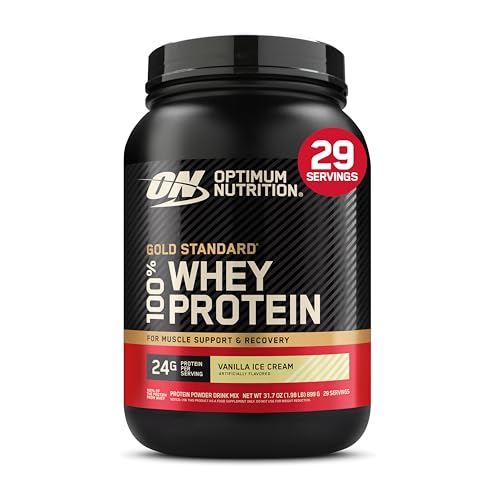
Optimum Nutrition Gold Standard Whey Protein
What We Like
- 24g protein from isolate and concentrate
- 5.5g naturally occurring BCAAs
- Banned-substance tested for safety
- Instantized formula mixes easily
Trade-offs
- Not a pure whey isolate for those avoiding concentrate
- Contains whey concentrate, not purely isolate.
The trade-off here is that you’re getting a blend rather than a pure isolate, so if you’re watching every gram of lactose or want the fastest-absorbing option, something like Dymatize ISO100 might suit you better. But for a balanced, everyday protein that mixes clean and carries a strong safety track record, this one covers the bases without fuss.
Muscle Milk Genuine Protein Powder
What We Like
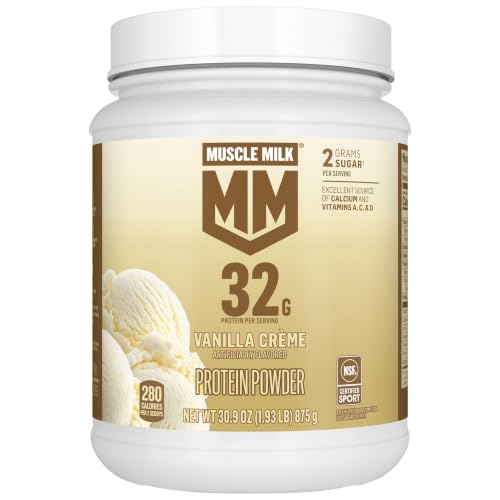
- 32g protein per serving
- Only 2g sugar per serving
- NSF Certified for Sport
- Includes calcium, vitamins A, C & D
Trade-offs
- 12 servings per container goes fast
- Blend not 100% whey for purists
With 32 grams of protein per serving and just 2 grams of sugar, this powder delivers a high protein dose for muscle recovery without much sweetness. That protein comes from a mix of slow- and fast-releasing proteins, so your body gets a steady supply of amino acids for growth and repair after your shake. It also includes calcium and vitamins A, C, and D, making it a more rounded option for anyone who wants their post-workout drink to pull double duty. Because it’s NSF Certified for Sport, every scoop has been screened for over 270 banned substances, which gives peace of mind for athletes or anyone concerned about purity.
Portion size is the key consideration here: you get only about 12 servings per container, so if you’re drinking a shake daily, you’ll be reordering every couple of weeks. That’s partly because each serving uses two scoops to hit that 32g protein mark, which is a higher dose per shake than many competitors (for example, Optimum Nutrition Gold Standard Whey provides 24g per serving). For someone who wants a higher protein dose per shake and doesn’t mind buying more frequently, this is a smart pick. But if you prefer a pure whey isolate or need a container that lasts longer between trips to the store, you might lean toward a different option in this guide.
best_for”: “Someone who wants a high-protein, low-sugar blend with third-party certification for muscle recovery and everyday nutrition. Not ideal for those who need a pure whey isolate or prefer a container that stretches further between purchases.
Premier Protein 100% Whey Powder
What We Like
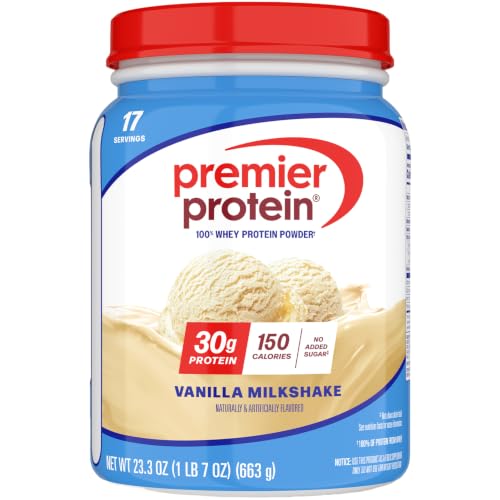
- 30g protein with only 1g sugar
- Low fat and just 150 calories
- Versatile for baking and blending
- Soy and gluten free
Trade-offs
- Only 17 servings per tub
- Vanilla flavor only in this size
Thirty grams of protein with just one gram of sugar and 150 calories per scoop, that ratio is the whole story behind this pick. If you are watching your sugar intake but still want a protein powder that actually tastes like a treat (the brand promises a creamy vanilla ice cream vibe), this one delivers on both fronts without the usual trade-off of artificial sweetness or high carbs. It works for post-workout recovery, as a hunger-curbing shake, or even folded into pancakes and muffins. The brand specifically designed it to hold up in baking. That makes it a smart option for anyone trying to keep their daily sugar low while still hitting protein goals.
The biggest practical catch is the serving count: seventeen servings per tub means you will go through it faster than some other options on the shelf. Each serving delivers 30 grams of protein with only 1 gram of sugar, so if you’re watching your sugar intake, this fits the bill nicely. For daily shake drinkers who want fewer trips to the store, the 17-serving tub is worth noting.
Body Fortress Super Advanced Whey Protein

What We Like
- 60g protein per 2-scoop serving
- 12g BCAAs for muscle recovery
- Immune support with Vitamins C, D, Zinc
- Low sugar and no aspartame
Trade-offs
- Two scoops per serving makes a larger shake
- Not suitable for those avoiding whey protein
With 60g of protein packed into just two scoops, this powder delivers more protein per serving than most options on the shelf. That makes it a practical choice if you want to maximize your post-workout recovery without blending multiple shakes or adding extra meals. The 12g of BCAAs support muscle repair, and the added Vitamins C, D, and Zinc give your immune system a little backup during heavy training blocks. It also keeps things clean with low sugar, no aspartame, and a gluten-free label, so it fits easily into a straightforward diet.
The trade-off is that two scoops per serving means a bigger drink and more powder to mix, which might not suit everyone who prefers a lighter shake. Compared to Optimum Nutrition Gold Standard Whey Protein, which offers 24g per serving, Body Fortress asks you to commit to a larger volume for that protein punch. If you are fine with a thicker shake and want the highest protein count per serving, this is the one to grab. If you prefer smaller, more frequent servings, you might lean toward the Optimum Nutrition option instead.
Product photos
Orgain Grass Fed Whey Protein

What We Like
- Grass-fed and pasture raised whey
- No added hormones or antibiotics
- 5g BCAAs per serving
- No artificial colors, flavors, or sweeteners
Trade-offs
- Whey concentrate, not isolate, less protein per gram
- Only 21g protein per serving vs. higher options
With 21 grams of grass-fed whey concentrate and 5 grams of BCAAs per serving, this powder delivers a clean protein source that skips added hormones and antibiotics. The 3 grams of prebiotic fiber and just 1 gram of sugar make it a smart choice for anyone watching their carb intake while still wanting a complete amino acid profile. It suits shoppers who prioritize ingredient transparency and pasture-raised sourcing over sheer protein density.
This Orgain tub earns its spot as the go-to for clean, everyday shakes if you value grass-fed sourcing, no artificial additives, and a touch of fiber for digestion. The whey concentrate yields less protein per scoop than an isolate, so if your main goal is maxing out protein with minimal calories, a pick like Optimum Nutrition Gold Standard Whey offers 24 grams per serving.
Six Star Whey Protein Plus

What We Like
- 64g protein per 2 scoops
- 5g HPLC-tested creatine monohydrate
- 14.8g BCAA per serving
- Clinically studied for lean muscle gain
Trade-offs
- Creatine adds calories and bulk
- Creatine adds extra calories not in plain whey
A single serving delivers 64 grams of protein plus a clinically studied 5-gram dose of creatine monohydrate, so you get two muscle-building steps in one shake. That combination makes this a smart pick if adding lean mass and pushing past strength plateaus without juggling separate tubs is your priority. The whey isolate and peptides digest quickly, and the BCAA count (14.8 grams per two scoops) supports recovery after tough sessions.
Two scoops deliver 64g of protein and 14.8g of BCAAs along with 5g of creatine monohydrate, so you get a combined muscle-building and strength-supporting dose in one drink. That means less time measuring separate supplements, though the serving size is larger than a typical single-scoop powder like Optimum Nutrition Gold Standard Whey. For anyone who prefers to adjust their creatine intake independently, this all-in-one approach may not offer that flexibility.
Product photos
Orgain Organic Vegan Protein Powder
What We Like
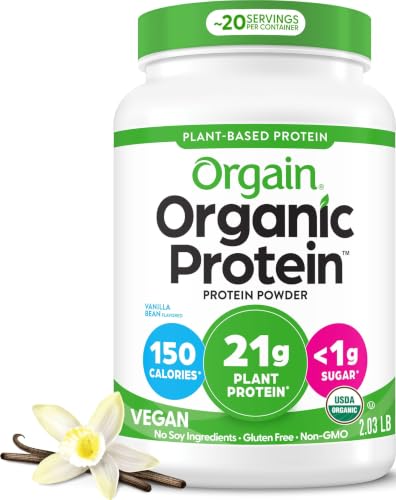
- Organic plant protein with all 9 amino acids
- 6g prebiotic fiber for gut support
- No added sugar, artificial ingredients, or preservatives
- Vegan, gluten-free, and soy-free
Trade-offs
- Lower protein per serving than whey options
- Not suitable for those wanting dairy-based protein
Twenty-one grams of organic plant protein from peas, brown rice, and chia seeds gives you a complete amino acid profile without any animal products, which is exactly what makes this a standout for plant-based eaters. The 6g of prebiotic fiber supports digestion while keeping net carbs low, and the lack of added sugar, artificial flavors, or preservatives means you are getting a clean ingredient list you can feel good about. This suits anyone who follows a vegan, dairy-free, or gluten-free lifestyle and wants a straightforward protein powder that mixes easily into shakes, smoothies, or even overnight oats without a laundry list of additives.
For anyone committed to a plant-based diet or avoiding common allergens, this is a straightforward, well-rounded choice that delivers solid nutrition without the extras you do not need. You get less protein per serving compared to many whey-based powders, 21g versus 24g in Optimum Nutrition Gold Standard Whey Protein, for example. So if maximizing protein intake with minimal volume is your priority, a whey option might be more efficient.
Dymatize ISO100 Whey Isolate

What We Like
- Hydrolyzed for fast absorption
- 25g protein with only 1g sugar
- Gluten-free and low in lactose
- Fun Fruity Pebbles flavor
Trade-offs
- Only 20 servings per container
- Not suitable for those avoiding artificial sweeteners
With 25 grams of hydrolyzed whey isolate per serving and less than 120 calories, Dymatize ISO100 is built for speed. The protein is broken down into smaller peptides to support faster digestion and absorption, making this a great choice for post-workout recovery when you want to get nutrients in quickly without feeling weighed down. The Fruity Pebbles flavor is a fun, nostalgic twist that makes the shake feel more like a treat than a chore, which can help you stay consistent after a tough session.
Portion size is the main thing to note here: the container holds just 20 servings, so if you train daily it will run out in under three weeks. ISO100 gives you a specialized, rapid-absorption formula at the cost of fewer shakes per container, while Optimum Nutrition Gold Standard Whey offers 24 grams of protein per serving in a 2-pound tub. If quick digestion and a low-sugar profile matter most to you, this is the pick. If you prefer a larger tub with more servings per container, Optimum Nutrition covers more ground.
Product photos
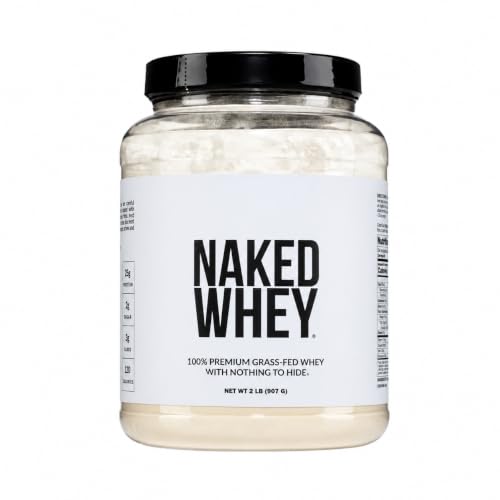
NAKED Whey Unflavored Protein
What We Like
- Single ingredient: 100% grass fed whey
- Cold processed, no chemical detergents
- NSF Certified for purity and safety
- No artificial sweeteners, flavors, or colors
Trade-offs
- Unflavored, so mixing with water alone tastes bland
- No added enzymes or digestive aids for sensitive stomachs
With just one ingredient, 100% grass fed whey, this is the purest option on the shelf. No artificial sweeteners, no flavors, no colors, and no preservatives. It’s cold processed to skip the harsh chemical detergents used in many mass-market powders, and the NSF Certification backs up that purity claim. For anyone who wants to know exactly what they’re putting in their body, that kind of transparency is hard to beat. It delivers 25 grams of protein and 5.9 grams of BCAAs per serving, which is plenty for post-workout recovery or a simple protein boost without the extras.
Unflavored really means unflavored, so if you’re used to a sweet vanilla or chocolate shake, this will taste like watery milk. You’ll want to blend it into smoothies, oatmeal, or savory recipes rather than drink it straight. Naked Whey offers a simpler ingredient list than Optimum Nutrition Gold Standard, which includes added flavors and sweeteners, but requires more creativity to make it enjoyable. That said, if your priority is a clean, single-ingredient protein without the additives, this is the one to grab.
Product photos
Muscle Milk Pro Series Protein Powder

What We Like
- 50g high-quality protein per serving
- Excellent source of 20 vitamins and minerals
- NSF Certified for Sport (banned substance tested)
- Blend of slow and fast releasing proteins
Trade-offs
- Only 11 servings per container
- Requires 2 scoops per serving
Fifty grams of protein per serving is a high dose, more than the 24 grams in Optimum Nutrition Gold Standard Whey. For someone recovering from intense training or wanting a meal-sized shake, that number alone makes this product stand out. Add in a full spectrum of 20 vitamins and minerals, plus NSF certification that screens for over 270 banned substances, and you have a protein powder that pulls double duty as a nutritional support system. It is especially useful for athletes who want peace of mind about what is in their tub, or for anyone who prefers one shake to cover both protein and micronutrient needs without swallowing extra pills.
The big draw here is 50 grams of protein per serving, which is a serious amount for post-workout recovery or muscle building, but it comes at a cost: a 2-pound tub gives you only about 11 servings. That means if you use it daily, you’ll be reordering often. For context, Optimum Nutrition Gold Standard Whey provides 24 grams per serving, though its container size and servings aren’t listed here. This product is best for days when you need that heavy protein punch, not for lighter, more frequent shakes.
Product photos
How We Evaluated Supermarket Protein Powders
We started by reading every label and spec sheet for the top-selling supermarket protein powders. Protein type, grams per serving, sugar content, calorie count, and added ingredients all went into the comparison. We also checked which products carry third-party certifications like NSF Certified for Sport or banned-substance testing, since that matters for anyone serious about purity.
Our evaluation focused on three core criteria. First, protein quality and quantity: we looked at whether the protein comes from isolate, concentrate, or a blend, and how much you actually get per serving. Second, nutritional profile: we prioritized powders that keep sugar low and avoid unnecessary additives. Third, value and serving size: a cheap tub means nothing if you have to use three scoops to get a real dose.
We do not claim to have tested these powders in a lab or gym. The goal is to give you the facts so you can make your own call. For a broader look at what is available, you can also explore protein powder options at Whole Foods or check out protein powders at Trader Joe’s for alternative supermarket picks.
What To Look For In Supermarket Protein Powders
Shopping for protein powder at the supermarket means balancing convenience with quality. You want something that fits your goals, your stomach, and your schedule. Here is what to check before you grab a tub.
Focus on protein grams per serving, sugar content, protein source (isolate vs. Concentrate), third-party testing, and serving size. A powder that looks cheap might cost more per gram if you need two scoops to hit your target.
Protein Per Serving and Serving Size
The first number to check is the protein grams per serving, but do not stop there. Look at how many scoops make a serving. Some powders pack 30g into one scoop, while others need two scoops for the same amount. That changes how long a tub lasts and the real cost per gram. A powder like Body Fortress Super Advanced Whey Protein gives you 60g per two-scoop serving, which is great for heavy trainers but makes a larger shake than some people want.
Sugar and Calorie Count
Many supermarket protein powders sneak in extra sugar to improve taste. If you are watching your intake, look for options with 2g of sugar or less per serving. Premier Protein 100% Whey Powder hits 30g of protein with just 1g of sugar and 150 calories, making it a strong choice for low-sugar diets. On the other end, some mass-gainer blends pack more calories and sugar, which might suit bulking phases but not everyday use.
Protein Source and Digestibility
Whey isolate digests faster and has less lactose than whey concentrate. If you have a sensitive stomach, a hydrolyzed isolate like Dymatize ISO100 Whey Isolate may work better. For those avoiding dairy entirely, a plant protein powder like Orgain Organic Vegan Protein Powder provides all nine amino acids with added prebiotic fiber. Grass-fed whey options like Orgain Grass Fed Whey Protein and NAKED Whey Unflavored Protein appeal to shoppers who want no added hormones or antibiotics.
- Check the serving size: one scoop or two? A 2-scoop serving doubles the cost per shake.
- Look for third-party seals: NSF Certified for Sport or banned-substance tested means cleaner ingredients.
- Read the ingredient list: avoid artificial sweeteners, colors, or fillers if you prefer clean labels.
- Consider flavor options: unflavored powders like NAKED Whey work best in recipes, while flavored ones mix easier with water or milk.
A good rule of thumb: the fewer ingredients on the label, the less likely you are getting something you do not need.
Supermarket Protein Powders Compared
The table below compares all ten supermarket protein powders side by side, so you can see protein content, sugar, and key features at a glance.
| Product | Protein per serving | Sugar per serving | Certifications |
|---|---|---|---|
| Optimum Nutrition Gold Standard Whey Protein | 24 g | N/A | Banned Substance Tested |
| Muscle Milk Genuine Protein Powder | 32g | 2g | NSF Certified for Sport |
| Premier Protein 100% Whey Powder | 30g | 1g | Soy & Gluten Free |
| Body Fortress Super Advanced Whey Protein | 60g per 2 scoops | N/A | Gluten-free |
| Orgain Grass Fed Whey Protein | 21g | 1g | Gluten Free, Kosher |
| Six Star Whey Protein Plus | 64g per 2 scoops | N/A | N/A |
| Orgain Organic Vegan Protein Powder | 21g | 1g | USDA Organic, vegan, non-GMO |
| Dymatize ISO100 Whey Isolate | 25g | 1g | Gluten-Free |
| NAKED Whey Unflavored Protein | 25g | N/A | NSF Certified |
| Muscle Milk Pro Series Protein Powder | 50g | 3g | NSF Certified for Sport |
Frequently Asked Questions
What is the best supermarket protein powder for weight loss?
Look for a powder with high protein and low sugar per serving. Premier Protein 100% Whey Powder offers 30g of protein with only 1g of sugar and 150 calories, making it a solid fit for a weight management plan. Pair it with a balanced diet and regular exercise.
Which supermarket protein powder has the highest protein per serving?
Body Fortress Super Advanced Whey Protein delivers 60g of protein per two-scoop serving, the highest in this lineup. It also includes 12g of BCAAs and immune-supporting vitamins. Just be aware that the shake will be larger and the tub has fewer servings as a result.
Are supermarket protein powders third-party tested?
Some are. Optimum Nutrition Gold Standard Whey Protein is banned-substance tested, and both Muscle Milk Genuine Protein Powder and Muscle Milk Pro Series Protein Powder carry NSF Certified for Sport certification. NAKED Whey Unflavored Protein is also NSF Certified for purity. Always check the label for certification logos.
Can I find a good plant-based protein powder at the supermarket?
Yes. Orgain Organic Vegan Protein Powder is widely available in supermarkets. It is organic, contains all nine essential amino acids, and includes 6g of prebiotic fiber for gut health. It is a dairy-free, gluten-free, and soy-free option for vegan shoppers.
What is the difference between whey isolate and whey concentrate?
Whey isolate undergoes more processing to remove fat and lactose, resulting in a higher protein percentage per gram and faster absorption. Whey concentrate is less processed and often cheaper, but contains more lactose and fat. Many supermarket blends, like Optimum Nutrition Gold Standard, combine both for a balance of cost and quality.
The Bottom Line
If you want a protein powder that balances quality, taste, and mixing ease without overcomplicating things, Optimum Nutrition Gold Standard Whey Protein is the one to grab. It works for almost anyone who wants a reliable daily protein source from a supermarket shelf. The banned-substance testing gives extra peace of mind, and the instantized formula means no clumpy shakes.
For budget-focused shoppers, the Muscle Milk Genuine Protein Powder delivers 32g of protein per serving with NSF certification at a lower price point. Just know that the 12-serving container goes fast if you use it daily. If you are vegan or dairy-free, the Orgain Organic Vegan Protein Powder is your best bet, with clean organic ingredients and gut-friendly fiber.
The single most important thing you can do is check the serving size and protein grams per scoop before you buy. A tub that looks cheap might cost more per gram if you need twice as many scoops to hit your target. Read the label, know your goals, and pick the powder that actually fits your routine.
