
10 Best Treadmills For Shock Absorption in 2026
This post contains affiliate links. As an Amazon Associate, we earn from qualifying purchases.
If your joints feel every footstrike, you need a treadmill that soaks up impact before it reaches your knees, hips, and spine. The NordicTrack Commercial 2450 Treadmill wins Best Overall with its RunFlex cushioning system and a rare -3% decline to 12% incline range. For joint-conscious runners, the SOLE F63 Folding Treadmill offers an 18mm cushioned deck, while the Renestar Treadmill with Auto Incline delivers effective shock absorption at a more accessible price.
The real problem with shock absorption is that “cushioning” means different things across brands. A soft deck that feels plush can sap your push-off energy, while a firm one may not protect your joints on longer runs. You need a system that absorbs vertical impact without turning your stride into a slog.
This guide is based on a close look at manufacturer specs, cushioning technology descriptions, expert round-ups, and patterns in owner feedback. We break down the key criteria so you can match a treadmill’s shock absorption to your body, your goals, and your home.
Top 10 Treadmills For Shock Absorption in the Market
Certain content that appears on this site comes from Amazon. This content is provided "as is" and is subject to change or removal at any time.
The Best Treadmills For Shock Absorption, Reviewed
NordicTrack Commercial 2450 Treadmill

What We Like
- RunFlex cushioning for advanced shock absorption
- 24" tilting and pivoting touchscreen
- -3% decline to 12% incline range
- Folding frame with smooth assisted lowering
Trade-offs
- At 268.2 pounds, it is heavy to move
- iFIT Pro Membership required for full smart features
- Bluetooth HR monitor sold separately for ActivePulse
The NordicTrack Commercial 2450’s RunFlex cushioning is designed to reduce impact and support your joints, making it a natural fit for anyone who wants to log miles without feeling every step in their knees or hips. The 24-inch touchscreen tilts and pivots, so you can follow iFIT classes or stream shows without craning your neck, and the -3% decline to 12% incline range lets you simulate real terrain for a more varied workout. For someone looking for a full-featured treadmill that prioritizes comfort and versatility, this one covers a lot of ground.
This machine is heavy, 268.2 pounds, so it’s not something you’ll want to reposition every day, even with the folding frame and rolling wheels. You’ll also need an iFIT Pro Membership to unlock the auto-adjusting speed and incline, as well as the ActivePulse heart rate control, which adds a monthly cost. Compared to the lighter, simpler Renestar with its 15% auto incline, the NordicTrack gives you a much larger running surface and more advanced cushioning. But it demands more floor space and a bigger commitment to the subscription ecosystem. If you’re ready to invest in a premium shock-absorbing treadmill and don’t mind the weight, this is the one to build your routine around.
Product photos
SOLE F63 Folding Treadmill

What We Like
- 18mm cushioned deck reduces joint impact
- Spacious 20×60 inch running surface
- Quiet brushless motor for smooth operation
- Folds with hydraulic assist for storage
Trade-offs
- Heavier and bulkier than compact models
- No built-in touchscreen or workout subscription
The 18mm cushioned deck helps reduce impact on joints, which is a key benefit for anyone with knee or hip concerns. The 20×60 inch running surface gives taller runners enough room to stride naturally without feeling cramped. For walkers or joggers who want a sturdy, full-size machine that prioritizes comfort, this treadmill delivers a supportive ride.
This is a large machine, 75 inches long, and supports users up to 325 lbs, so it takes up more floor space than compact models. Compared to the NordicTrack Commercial 2450, the SOLE F63 does not include a touchscreen or subscription service, keeping the focus on the core treadmill experience. If you prefer a straightforward machine with a cushioned deck and quiet motor, this is a practical option.
Renestar Treadmill with Auto Incline
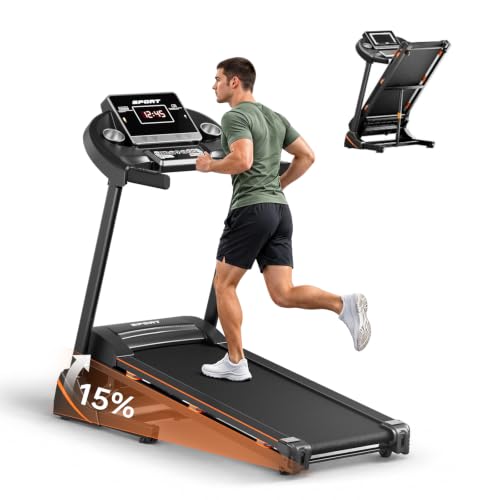
What We Like
- 6-point patented shock absorption reduces joint impact
- Auto incline up to 15% for varied terrain
- Compact foldable design for small spaces
- Pre-assembled with no tools required
Trade-offs
- Running belt is shorter than full-size treadmills
- Max speed 10 MPH limits serious sprinters
- At 115 lbs, still heavy to move alone
Six CEMTS patented shock absorbers reduce knee and ankle impact by up to 40%, making this a genuinely joint-friendly option for anyone easing into running or dealing with previous injuries. The 3.0 HP motor handles walking and jogging smoothly, and the auto incline up to 15% lets you add challenge without pounding your joints harder. It’s a thoughtful setup for budget-conscious buyers who want real cushioning without a massive footprint.
A shorter 45-inch running belt feels snug for taller runners or longer strides. Compared to full-size treadmills with longer decks, this Renestar is better suited for walking, light jogging, and interval incline work than full-stride sprints. The folding frame and pre-assembled design make it practical for apartment dwellers, but at 115 pounds, you’ll want a clear path to storage rather than wrestling it upstairs alone.
BowFlex T16 Treadmill

What We Like
- FlexZone XL cushioning reduces joint impact
- Spacious 22" x 60" running deck
- 3.5 HP motor for smooth acceleration
- Folding SoftDrop frame saves space
Trade-offs
- At 295 lbs, very heavy to move
- Large footprint needs dedicated floor space
A 22-inch by 60-inch running deck with FlexZone XL cushioning means you get a wide, stable surface that actively absorbs shock on every stride. That extra space and targeted padding helps reduce joint impact for long miles or quick interval sprints. This treadmill suits runners who want a premium, forgiving feel underfoot without sacrificing a powerful motor or a large screen for entertainment. The 3.5 HP drive keeps acceleration smooth, and the 16-inch HD touchscreen makes it easy to follow workouts or stream shows while you run.
The trade-off here is size and weight. At 295 pounds with a 77.2-inch length, this machine takes up serious room and isn’t something you’ll casually move between spaces. Compared to the lighter, smaller SOLE F63, the BowFlex T16 demands a dedicated spot in your home. But if you have the floor space and want a deck that feels genuinely cushioned for high-mileage training, the extra heft pays off in stability and comfort. It’s a premium investment for runners who prioritize joint protection over portability.
WELLFIT Folding Treadmill

What We Like
- 5-layer cushion belt reduces joint impact
- Auto-alignment belt stays centered without tools
- Folds and rolls for easy storage
- Handlebar controls let you adjust speed safely
Trade-offs
- 16-inch width feels narrow for taller runners
- At 43.5 lbs, light enough to shift during use
A 36-by-16-inch running surface with five cushion layers is the standout feature here. That extra padding underfoot specifically targets shock absorption for your knees and ankles, which matters for anyone recovering from a long day or just starting a walking habit. The belt also self-centers during use, so you never have to fuss with tools or worry about drift mid-stride. This makes the WELLFIT a natural fit for seniors, beginners, or anyone who wants a low-impact option that doesn’t demand a dedicated workout room. Its compact folded size and built-in wheels mean you can tuck it under a couch or roll it into a closet when company comes over, keeping your living space uncluttered.
The 36-by-16-inch cushioned belt is generous enough for a comfortable stride, but the 6 MPH speed button suggests this is a walking and light jogging machine, not a runner’s treadmill. That narrow deck is a deliberate trade-off: it keeps the footprint small enough to tuck into a closet or under a desk. Runners with long strides may feel confined, but for daily walks or gentle jogs in a tight space, the joint-friendly cushioning is a real benefit.
Product photos
NordicTrack T Series 6.5 S Treadmill
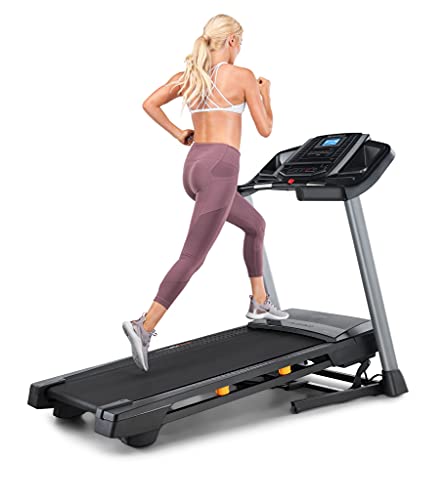
What We Like
- KeyFlex Cushioning reduces joint impact
- 0-10% incline targets more muscle groups
- Folding frame with assisted lowering
- Compact footprint for small spaces
Trade-offs
- 203 lb weight makes it hard to move
- iFIT membership needed for auto-adjust features
- No built-in touchscreen (uses your own device)
A 0-10% incline range and KeyFlex Cushioning work together to soften each stride, which matters most when you’re trying to protect your joints without spending a fortune. This treadmill keeps the price down by letting you use your own phone or tablet for iFIT workouts, while still giving you the same adjustable cushioning that helps reduce impact on knees and hips. It’s a smart pick if you’re new to home running and want a forgiving surface that won’t punish your body every time you step on.
At 203 pounds, this treadmill stays planted during a run, but you’ll need some muscle to roll it out of the corner. Compared to the Horizon Fitness 7.0AT, which weighs 257 pounds, the NordicTrack is lighter and easier to fold away. If your priority is cushioning and a foldable design, this is a reasonable option.
LONTEK 18% Incline Treadmill
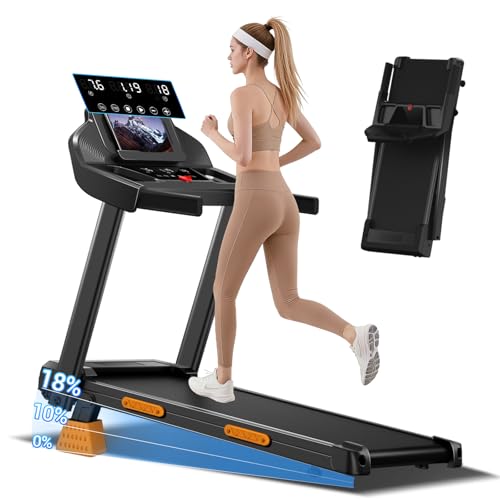
What We Like
- 7-layer belt with silicone shock-absorbing pads
- Reduces joint impact force by over 50%
- 400 lb weight capacity for stability
- Folds to 4.1" tall for under-bed storage
Trade-offs
- Manual incline requires attaching accessories to change angle
- Compact 15" x 37.5" belt limits stride for taller runners
- At 43.6 lb, light enough to shift during high-speed running
The 7-layer shock-absorbing belt paired with six silicone cushioning pads reduces joint impact force by over 50%, which is the kind of number that matters when your knees start talking back after mile three. This makes the LONTEK a smart pick for anyone who wants to protect their joints without giving up incline training, the manual 0-18% ramp lets you crank up the grade for a serious calorie burn.
The compact running belt measures 15 by 37.5 inches. It works for walking and light jogging, but if you have a long stride or plan to run at the top speed of 7.5 MPH, you may find the deck short compared to full-size treadmills like the NordicTrack Commercial 2450. The incline is manual and requires attaching accessories to change the angle, which is less convenient than the auto incline on the Renestar. For a shock-absorbing walking pad that folds small, this model fits well in a guide focused on cushioning.
Product photos
AUDAXFIT Walking Pad Treadmill
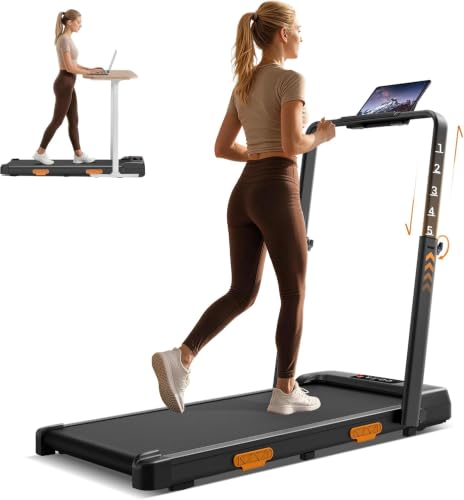
What We Like
- Four shock-absorbing strips reduce joint impact
- 7-layer cushioned belt for extra softness
- 350 LBS weight capacity for stable support
- Quiet 3HP brushless motor won't disturb others
Trade-offs
- Running surface is only 36 x 15 inches
- Top speed of 5 MPH limits jogging intensity
Four dedicated damping strips, two on each side, work with a 7-layer cushioned belt to absorb impact where your feet land, making this walking pad noticeably softer on knees and ankles than many compact models. The 3HP brushless motor stays quiet enough for calls or naps, and the reinforced frame holds up to 350 pounds without wobbling. If your goal is low-impact walking or light jogging in a shared space, this setup delivers a forgiving surface that keeps you moving without rattling the room.
Size and speed are the main limitations here. At 36 by 15 inches, the running deck is short and narrow, so longer strides feel cramped, and the 5 MPH cap means you can’t push into a full run. Compared to a full-size option like the NordicTrack Commercial 2450, you lose stride length and incline options, but you gain a foldable, portable unit that tucks under a desk or sofa. This is purpose-built for walkers who prioritize joint comfort over speed or space, not for runners chasing distance.
Horizon Fitness 7.0AT Treadmill

What We Like
- 3-Zone Variable Response Cushioning
- Rapid Sync Technology for quick adjustments
- 20" x 60" spacious running deck
- Compatible with Peloton, Strava, Zwift
Trade-offs
- At 257 pounds, repositioning requires effort
- No built-in touchscreen for app-free workouts
The 3-Zone Variable Response Cushioning on this treadmill means your feet land on a surface that adapts to your stride, softer at the front for joint-friendly impact, firmer in the middle for push-off power. With a 20-inch-wide by 60-inch-long running area, you get plenty of room to find your natural gait without feeling boxed in. The Rapid Sync Technology lets you dial up speed or incline with a quick turn, keeping your flow steady when intervals call for a sudden change. For runners who want cushioning that responds to how they actually move, this design makes every step feel intentional.
That said, the 257-pound frame gives it a planted feel during runs, but moving it around the room solo is a real chore, you will want a dedicated spot. If you prefer a simple, durable machine with smart cushioning and do not mind bringing your own screen, this is a practical choice that focuses on the feel of the run rather than flashy extras.
Product photos
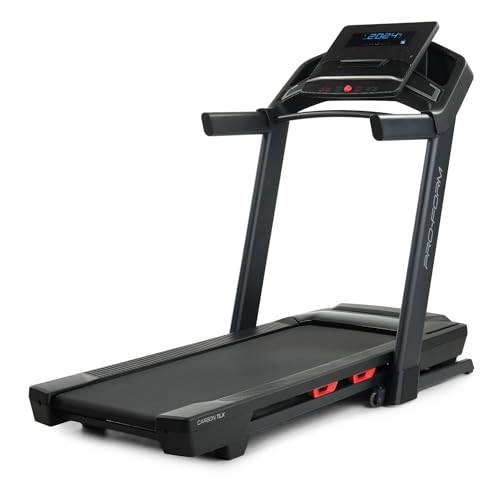
ProForm Carbon TLX Treadmill
What We Like
- ProShox cushioning reduces joint impact
- 0-12 MPH speed range for varied paces
- 0-12% incline for calorie burn
- Foldable frame saves floor space
Trade-offs
- iFIT membership required for auto-adjust features
- 221 lb weight makes it heavy to move
- Heart rate monitor sold separately
ProShox cushioning is the headline here, and for good reason, it soaks up impact so your knees and hips don’t have to. That 0-12% incline range lets you simulate hills without jarring your joints. This makes it a smart pick if you’re coming back from a running break or just want to protect your body while building endurance. The 7-inch LCD display keeps metrics clear, and the foldable design means you can tuck it away when floor space is tight. It’s built for steady, joint-friendly training at home, no gym floor required.
The smart features, like automatic speed and incline adjustments during iFIT workouts, require a membership, so the treadmill’s full potential isn’t unlocked out of the box. If you’re fine with manually controlling your pace and incline, you still get excellent shock absorption without the subscription. Just know you’ll need to buy a separate heart rate strap if you want ActivePulse to adjust your workout in real time.
Product photos
How We Evaluated Treadmills For Shock Absorption
We researched each model’s published cushioning specifications, deck thickness, and shock-absorbing technology, from silicone pads and rubber strips to multi-layer belts and variable-response zones. Manufacturer documentation and expert round-ups on joint-friendly running helped us understand how these systems actually work.
The four criteria that mattered most were cushioning design, deck dimensions, weight capacity, and foldability. Cushioning design covers layer count, material type, and placement. Longer and wider decks allow a more natural stride that reduces impact. A sturdier frame absorbs force better, which is why weight capacity matters. Foldability offers storage convenience without sacrificing structural integrity.
A research-led evaluation has limits: we do not own or test these machines. Our recommendations come from what the specs, expert consensus, and owner feedback patterns reveal about each model’s ability to reduce impact. We also looked at how each cushioning system interacts with other features like belt length and motor power.
What To Look For In Treadmills For Shock Absorption
The right cushioning system absorbs vertical impact without destabilizing your stride. Here is what separates a joint-saving deck from one that just feels soft.
Look for a deck that uses multiple cushioning layers or targeted dampening zones. Thicker decks (16mm or more) generally absorb more force. The best systems let you run naturally without feeling like you are sinking into the belt.
Cushioning Technology and Deck Construction
The most effective shock absorption systems use multiple layers, rubber, foam, silicone pads, or elastomer springs, sandwiched beneath the belt. The NordicTrack Commercial 2450’s RunFlex cushioning and the BowFlex T16‘s FlexZone XL are examples of engineered systems that reduce peak impact forces. The LONTEK 18% Incline Treadmill uses a 7-layer belt with silicone pads that reduces joint impact force by over 50%, according to its manufacturer.
Deck thickness also matters. The SOLE F63’s 18mm deck is among the thickest available and directly addresses joint concerns. Thinner decks on compact models, like the WELLFIT Folding Treadmill‘s 5-layer belt, still offer meaningful cushioning for walking and light jogging but may not protect runners at higher speeds.
Running Surface Dimensions
A longer and wider belt lets you maintain a natural stride, which reduces the repetitive impact on any single joint. The SOLE F63 and Horizon Fitness 7.0AT both offer a full 20 x 60 inch deck. The BowFlex T16 goes wider at 22 x 60 inches. Compact models like the AUDAXFIT Walking Pad (36 x 15 inches) and LONTEK (15 x 37.5 inches) limit stride length and are better suited for walking or very short runs.
- Measure your natural stride length before buying a compact model.
- Check that the belt width matches your shoulder width for stable arm swing.
- Confirm the deck length supports your height, tall runners need at least 55 inches.
- Look for a belt that stays centered without frequent manual adjustment.
- Consider a folding frame if floor space is limited, but prioritize deck size over storage convenience.
A good rule of thumb: the running deck should be long enough for jogging and longer for running at a full stride.
Treadmills For Shock Absorption Compared
The table below compares the cushioning systems, deck dimensions, and key specs of all ten treadmills we researched, so you can see at a glance how each model handles shock absorption.
| Product | Cushioning | Incline Range | Speed Range |
|---|---|---|---|
| NordicTrack Commercial 2450 Treadmill | RunFlex cushioning | -3% to 12% | 0-14 MPH |
| SOLE F63 Folding Treadmill | 18mm cushioned surface | N/A | N/A |
| Renestar Treadmill with Auto Incline | 6-point CEMTS patented | 0-15% auto electric | 0.5-10 MPH |
| BowFlex T16 Treadmill | FlexZone XL | 0–15% | 0.5–12 MPH |
| WELLFIT Folding Treadmill | 5-layer | N/A | N/A |
| NordicTrack T Series 6.5 S Treadmill | KeyFlex Cushioning | 0-10% | 0-10 MPH |
| LONTEK 18% Incline Treadmill | 7-layer belt + silicone pads | 0-18% manual | 0.6-7.5 MPH |
| AUDAXFIT Walking Pad Treadmill | 7-layer running belt | 0%/15% | 0.6-5.0 MPH |
| Horizon Fitness 7.0AT Treadmill | 3-Zone Variable Response | N/A | 0.5-12 MPH |
| ProForm Carbon TLX Treadmill | ProShox Cushioning | 0-12% | 0-12 MPH |
Frequently Asked Questions
How does treadmill cushioning protect my joints?
Treadmill cushioning absorbs the vertical impact force that travels up your legs with every footstrike. Multi-layer belts, rubber dampeners, and padded decks reduce the stress on your knees, hips, and lower back compared to running on concrete or asphalt. The best systems balance softness with enough firmness to maintain a stable push-off.
Is a thicker deck always better for shock absorption?
Not always. A very thick, soft deck can feel spongy and rob energy from your stride, making running harder over time. The ideal deck is thick enough to absorb impact but firm enough to return energy. Most quality treadmills use 16mm to 20mm decks with targeted cushioning zones rather than uniform softness.
Do folding treadmills have worse cushioning?
Some do, but not all. Folding mechanisms add moving parts that can affect frame rigidity, which in turn influences how the deck absorbs force. Many folding models, like the NordicTrack Commercial 2450 and SOLE F63, maintain excellent cushioning through engineered deck systems. Always check the cushioning specs rather than assuming a folding frame compromises impact protection.
Can I add extra cushioning to a treadmill?
Yes. Placing a high-quality treadmill mat under the machine can reduce the impact transmitted to your floor and slightly dampen the feel underfoot. Some users also add a secondary mat on top of the belt, but this can interfere with belt tracking and motor performance. The best approach is to choose a treadmill with adequate built-in cushioning from the start.
What is the difference between cushioning and shock absorption?
Cushioning refers to how soft the deck feels, while shock absorption describes how effectively the system reduces the peak force of each footstrike. A very cushioned deck may feel comfortable but allow too much sink, increasing muscle fatigue. True shock absorption uses targeted dampening, like the 3-Zone Variable Response Cushioning on the Horizon Fitness 7.0AT, to reduce impact without sacrificing responsiveness.
The Bottom Line
The NordicTrack Commercial 2450 Treadmill is the best overall choice for anyone serious about shock absorption. Its RunFlex cushioning handles everything from gentle walks to high-speed intervals, and the -3 percent decline adds a training dimension most treadmills cannot match. It is heavy and requires an iFIT membership for full features, but the joint protection is top-tier.
If your budget is tighter or your space is smaller, the Renestar Treadmill with Auto Incline offers genuine 6-point shock absorption in a compact, foldable package. For runners with existing joint pain, the SOLE F63 gives you the thickest deck in this lineup and a quiet motor that lets you run without disturbing the household.
The single most important factor is matching the cushioning system to your running style and body. A thick deck helps a heavy runner more than a lightweight walker, and a narrow belt hurts a tall runner more than a compact one. Read the cushioning specs, measure your space, and choose the treadmill that fits your stride.
