
5 Best Weight Lifting Belts For Women in 2026
This post contains affiliate links. As an Amazon Associate, we earn from qualifying purchases.
For most women, the Jaffick Ladies Weight Lifting Belt is the best overall choice, offering padded 20mm lumbar support in genuine buffalo hide leather that feels comfortable on squats and deadlifts. We also recommend the IBRO Powerlifting Lever Belt for lifters who want a consistent, one-motion release, and the Schiek Sports Nylon Weight Lifting Belt as a lightweight, adjustable option.
The challenge when shopping for a women’s belt is finding the right balance between support and mobility. A belt that is too wide can dig into your ribs during a deadlift, while one that is too flexible may not provide the intra-abdominal pressure you need for heavy sets. Fit, material, and closure type all play a role.
This guide is based on a review of manufacturer specifications, expert round-ups, and patterns in owner feedback. We focused on the features that matter most for women: width, padding, material, and ease of adjustment. Our goal is to help you choose a belt that supports your training without getting in the way.
Top 5 Weight Lifting Belts For Women in the Market
Certain content that appears on this site comes from Amazon. This content is provided "as is" and is subject to change or removal at any time.
The Best Weight Lifting Belts For Women, Reviewed
Jaffick Ladies Weight Lifting Belt

What We Like
- Padded 20mm lumbar support with suede lining
- Genuine buffalo hide leather
Trade-offs
- 4-inch width offers less coverage than 6-inch belts
- No quick-release lever like lever-belt competitors
The 20mm of padded lumbar support built into this 4-inch-wide belt is what sets it apart for women who want real back protection without feeling like they’re strapped into a rigid shell. It’s designed for lifters who value comfort alongside stability, someone who wants to focus on the rep, not on adjusting their gear between sets.
The 4-inch width covers less of your torso than a 6-inch belt like the Schiek Sports 2006. If you have a longer torso or need extra support higher up, you might feel the difference. For most women building strength in the gym, though, the Jaffick strikes a smart balance between padded comfort and reliable leather support.
Product photos
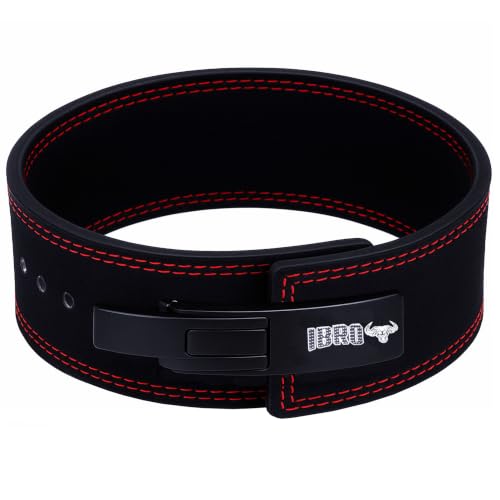
IBRO Powerlifting Lever Belt
What We Like
- Quick-release lever for consistent tightness
- Three thickness choices for different experience levels
- Genuine leather with double stitching holds shape
- Easy sizing and 2-minute setup
Trade-offs
- Arrives unassembled; requires a Phillips screwdriver
- Lever screws need checking before each session
A steel lever closure that clicks to the exact same tightness every set is the reason this belt stands out. No fumbling with prongs or straps between squats and deadlifts, just one motion and you’re braced again. The 10mm thickness is the all-round choice for most weightlifting. The genuine leather core with suede finish and double stitching is built to hold its shape and won’t fold, roll or lose support set after set. Sizing is straightforward: measure at the belly button, pick the size that lands your waist near the middle of the range, and the QR card guides you through the two-minute assembly.
You’ll need a Phillips screwdriver to put it together out of the box, and the lever screws should be tightened before every session. That small ritual pays off with zero adjustment between sets. Compared to the Jaffick Ladies Weight Lifting Belt’s adjustable buckle, the IBRO’s lever gives a consistent fit that opens in one motion, but it doesn’t offer the same instant out-of-package readiness. The 8mm version is lighter and more flexible, ideal for women, beginners and Olympic lifts, while the 13mm option is built for experienced powerlifters and strongman training.
Product photos
Schiek Sports Nylon Weight Lifting Belt

What We Like
- Quick one-way buckle adjustments
- Lightweight at 0.2 pounds
- 4 3/4 inch width for lumbar support
Trade-offs
- Not designed for heavy powerlifting loads per manufacturer
- Nylon flexes more than leather under very heavy loads
A 4 3/4 inch nylon belt that weighs just 0.2 pounds means you can focus on form without feeling strapped down or bulky. The one-way buckle system lets you adjust the fit quickly. This belt provides lower back support during weight lifting, power lifting, and body building as stated by the manufacturer. It is designed for adult weight lifting at the gym.
The trade-off comes down to material. Nylon is the material used in this belt, while the Schiek Sports 2006 Leather 6 inch model uses leather. For your training needs, consider the level of support you require. This nylon belt offers lumbar support for squats, deadlifts, and compound lifts as per the product description.
Product photos
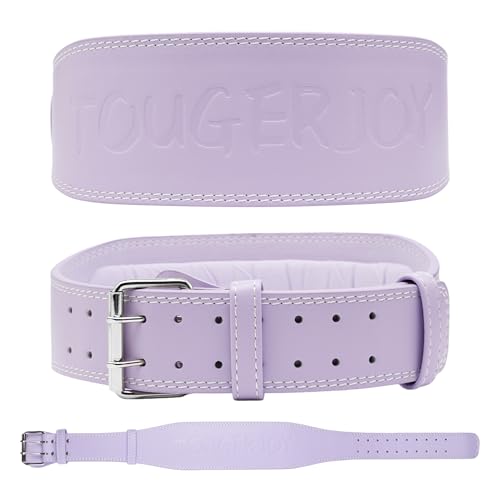
TOUGERJOY Women's Weight Lifting Belt
What We Like
- Soft suede lining prevents skin irritation
- Sponge padding cushions lower back during lifts
- Contoured design for a snug custom fit
- Flexible leather allows full range of motion
Trade-offs
- 4-inch width offers less coverage than 6-inch belts
- Leather requires break-in before it molds to your body
A 4-inch padded leather belt with a soft suede lining and integrated sponge cushioning means you get lower-back support that actually feels comfortable during long training sessions. The contoured shape and twelve adjustment holes let you dial in a precise fit, so the belt stays put without digging in or shifting mid-rep. This is the pick for anyone who wants firm core stability for squats and deadlifts but doesn’t want to sacrifice comfort, especially if you’re sensitive to stiff, abrasive belts.
The 4-inch width of this belt is designed to protect your lower back and stabilize your core during heavy lifts, yet it remains flexible enough for dynamic movements like squats and overhead presses. Reviewers note the suede lining and sponge padding provide comfort without irritation during long sessions. For those who want maximum coverage for powerlifting, a 6-inch belt like the Schiek Sports 2006 Leather model offers a different width, but this belt balances support and mobility for everyday gym work.
Product photos
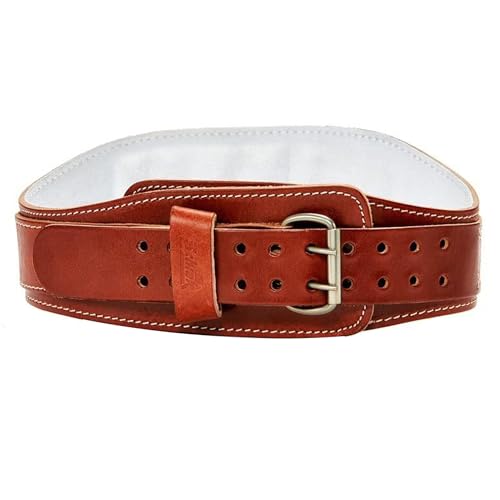
Schiek Sports 2006 Leather 6" Weight Lifting Belt
What We Like
- 6-inch width for full lumbar support
- Double prong buckle for secure fit
- Stainless steel buckle resists corrosion
Trade-offs
- 3.0 pounds is heavier than most belts
- Leather requires break-in period
A 6-inch width and 3.0-pound weight tell you this belt means business. That extra height covers more of your lower back and hips than a standard 4-inch belt, which is exactly what you want when you’re pulling heavy deadlifts or bracing for a max squat. The leather and double prong stainless steel buckle add up to a belt that provides core stability and lower back support under serious load. You can focus on your lift instead of fidgeting with your gear. This is for the lifter who has moved past starter belts and needs something sturdy for heavy weight training.
That same heft and width come with a cost. At three pounds, it’s noticeably heavier on your waist than the 4-inch belts from Jaffick or IBRO, and the leather may require a break-in period. If you do a lot of Olympic lifts or mobility work between sets, the 6-inch height might feel restrictive. But for pure strength work where stability matters more than flexibility, this belt earns its place as the heavy-duty leather option in the guide.
Product photos
How We Evaluated Weight Lifting Belts For Women
We examined manufacturer specifications, reviewed expert round-ups from strength training coaches, and analyzed patterns in owner feedback across multiple seasons of use. Our evaluation is research-based.
The four criteria that mattered most were belt width, material construction, closure system, and overall weight. Width affects how well the belt supports your lower back without restricting your rib cage during dynamic lifts. Material determines durability and how much the belt flexes under load. The closure system, prong, lever, or quick-release buckle, impacts how quickly you can adjust tightness between sets. Weight matters because a heavier leather belt can feel cumbersome during high-rep workouts.
The honest limit of a research-led evaluation is that individual fit and break-in feel vary by body shape and lifting style. We prioritized belts with consistent feedback on sizing and comfort across a range of female lifters.
What To Look For In Weight Lifting Belts For Women
Choosing a weight lifting belt comes down to your primary lifting style, body shape, and how much adjustability you need between exercises.
Key buying criteria: belt width (4 to 6 inches), material (leather vs. Nylon), closure type (prong, lever, or quick-release), padding thickness, and overall weight. A 4-inch belt offers better mobility for dynamic lifts; a 6-inch belt provides more lumbar coverage for heavy squats and deadlifts.
Belt Width And Coverage
Belt width is the single most important fit factor for women. A 4-inch belt like the Jaffick Ladies Weight Lifting Belt provides enough support for squats and deadlifts without digging into your ribs. A 6-inch belt like the Schiek Sports 2006 Leather 6″ Weight Lifting Belt offers full lumbar support but can restrict movement during dynamic lifts like cleans or snatches. If you do a mix of exercises, a 4-inch width is more versatile.
Material And Construction
Leather belts hold their shape under heavy loads and last for years, but they require a break-in period before they mold to your body. The Jaffick and IBRO belts use genuine buffalo hide leather with double stitching for durability. Nylon belts like the Schiek Sports Nylon Weight Lifting Belt are lightweight and flexible, making them ideal for high-rep sets and bodybuilding, but they flex more under very heavy loads. For a middle ground, the TOUGERJOY Women’s Weight Lifting Belt uses flexible leather with sponge padding for comfort during mixed training.
Closure Type And Adjustability
- Prong buckle: Classic and secure, but slower to adjust between sets. The Schiek 2006 uses a double prong buckle for a locked-in fit.
- Lever closure: Provides consistent tightness with a one-motion release. The IBRO Powerlifting Lever Belt is the best choice here, though it requires assembly.
- Quick-release buckle: Allows fast adjustment without rethreading. The Schiek Sports Nylon Belt uses a one-way buckle for quick changes between exercises.
Rule of thumb: If you change exercises frequently, choose a quick-release or lever belt. If you only do squats and deadlifts, a prong buckle is fine.
Weight Lifting Belts For Women Compared
The table below compares the five belts side-by-side on width, material, closure type, and weight so you can see the differences at a glance.
| Product | Width | Material | Closure |
|---|---|---|---|
| Jaffick Ladies Weight Lifting Belt | 4 inches | Genuine buffalo hide leather | Dual-prong roller buckle |
| IBRO Powerlifting Lever Belt | 4 inches | Genuine leather with suede finish | Steel lever buckle |
| Schiek Sports Nylon Weight Lifting Belt | 4 3/4 inches | Nylon | One-way buckle system |
| TOUGERJOY Women's Weight Lifting Belt | 4 inches | Double-layer leather, suede lining, sponge padding | Heavy-duty dual-prong buckle |
| Schiek Sports 2006 Leather 6" Weight Lifting Belt | 6.0 inches | N/A | Double prong stainless steel buckle |
Frequently Asked Questions
What width weight lifting belt is best for women?
A 4-inch belt is the most versatile width for women. It provides enough lumbar support for squats and deadlifts without restricting your ribs during dynamic lifts. A 6-inch belt offers more coverage for heavy powerlifting but may limit mobility for exercises like cleans or overhead presses.
What is the difference between a leather and a nylon lifting belt?
Leather belts are rigid and hold their shape under heavy loads, making them ideal for powerlifting and max-effort sets. They require a break-in period. Nylon belts are lightweight, flexible, and comfortable for high-rep training, but they flex more under very heavy loads and are not recommended for maximal powerlifting.
How tight should a weight lifting belt feel?
A belt should be snug enough that you can press your stomach against it to create intra-abdominal pressure, but not so tight that you cannot breathe deeply. You should be able to slide a finger between the belt and your body. A lever belt provides consistent tightness each time, while a prong belt requires manual adjustment.
Can I use a men’s weight lifting belt as a woman?
Men’s belts are often wider and sized for a larger torso, which can dig into a woman’s ribs or hips. Women’s belts typically have a contoured shape and narrower width. Many of the belts in this guide are designed for women or have unisex sizing that accommodates smaller frames.
Do I need a weight lifting belt for light training?
You do not need a belt for light warm-up sets or hypertrophy work. Using a belt on every set can reduce the engagement of your core stabilizers. Reserve the belt for heavy compound lifts near your one-rep max. Our guide to using a lifting belt explains when it makes sense to strap one on.
The Bottom Line
The Jaffick Ladies Weight Lifting Belt is the best overall pick for most women. Its padded 20mm lumbar support and genuine buffalo hide leather provide a comfortable, durable fit for squats and deadlifts without the bulk of a 6-inch belt. It is the right choice if you want reliable support without sacrificing mobility.
If you prefer a consistent fit that you can snap on and off in one motion, the IBRO Powerlifting Lever Belt is worth the one-time assembly. For lifters who want a lightweight, adjustable belt for high-rep sets, the Schiek Sports Nylon Weight Lifting Belt is a solid budget-friendly option. And if you need maximum lumbar coverage for heavy powerlifting, the Schiek Sports 2006 Leather 6″ belt delivers full support.
The most important factor is finding a belt that fits your torso and matches your lifting style. A belt that is too wide or too stiff will distract from your training. Focus on width and closure type first, then material and weight.
