
10 Best Weightlifting Belts For Women in 2026
This post contains affiliate links. As an Amazon Associate, we earn from qualifying purchases.
The Jaffick Ladies Weight Lifting Belt is the best overall pick for women because it contours specifically for female hips and offers padded lumbar support in genuine buffalo hide leather. For lifters who want a quick-release lever, the IBRO Powerlifting Lever Belt delivers consistent tightness across sets. And the TOUGERJOY Women’s Weight Lifting Belt provides a customizable fit with 12 adjustment holes.
Most weightlifting belts are designed around a male torso, which means women often deal with belts that dig into the hips or fail to support the lower back properly. A belt that actually fits a woman’s anatomy changes how the core engages during squats and deadlifts, making each rep feel more stable.
We researched specifications, manufacturer documentation, expert reviews, and patterns in owner feedback to build this guide. You will find a clear breakdown of the best women’s belts for every budget, training style, and body type.
Top 10 Weightlifting Belts For Women in the Market
Certain content that appears on this site comes from Amazon. This content is provided "as is" and is subject to change or removal at any time.
The Best Weightlifting Belts For Women, Reviewed
Jaffick Ladies Weight Lifting Belt

What We Like
- Contoured for female hips
- 20mm padded lumbar support
- Genuine buffalo hide leather
- Double stitched with reinforced rivets
Trade-offs
- Only one color option (pink)
- Thinner (6mm) than 10mm belts for max loads
The 4-1/6-inch wide back with 20mm of padded lumbar support provides cushioning that helps stabilize the lower back during lifting. Designed for female hips, the tapered waist avoids pinching, and the genuine buffalo hide leather (6mm thick) stays flexible while still supporting intra-abdominal pressure. This belt suits women who want support without feeling overly stiff, and the suede lining inside adds comfort for longer sessions.
The 6mm leather is thinner than the 10mm belts from the IBRO Powerlifting Lever Belt, so if you are pulling max-effort singles or competing in powerlifting, you might want stiffer support. The dual-prong buckle with ten adjustment holes gives a fine-tuned fit, and the extra leather flap in front protects your stomach from buckle pressure. Still, for everyday gym-goers focused on form and steady progress rather than peak competition loads, this belt delivers a blend of tailored comfort and genuine leather durability.
Product photos
TOUGERJOY Women's Weight Lifting Belt
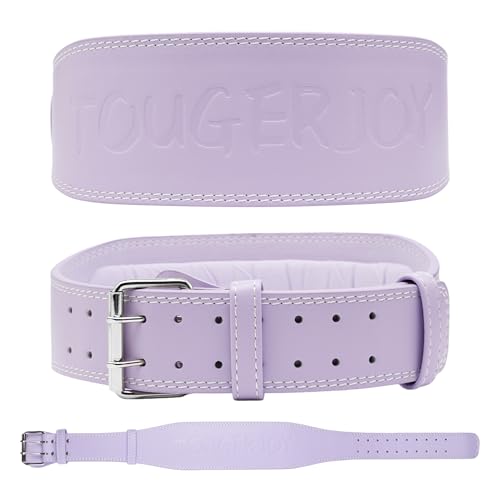
What We Like
- 12 adjustment holes for precise fit
- Soft suede lining reduces skin irritation
- Sponge padding adds lower back cushioning
- Flexible leather allows full range of motion
Trade-offs
- Dual-prong buckle takes longer to fasten
With 12 precision-spaced adjustment holes spanning four sizes from 25 to 49 inches, this belt lets you dial in a fit that feels almost made for you. The soft suede lining and sponge padding add comfort during long squat sessions. It’s a good option if you want a secure, padded fit for regular training.
The trade-off is that the double-layer leather construction, while durable, may not provide the same level of stiffness as some other belts for maximal loads. If you prefer a very rigid belt for heavy one-rep max attempts, you might consider a different option. But for everyday training, deadlifts, squats, and cross-training, this belt’s custom fit and comfort make it easy to wear consistently.
Product photos
IBRO Powerlifting Lever Belt
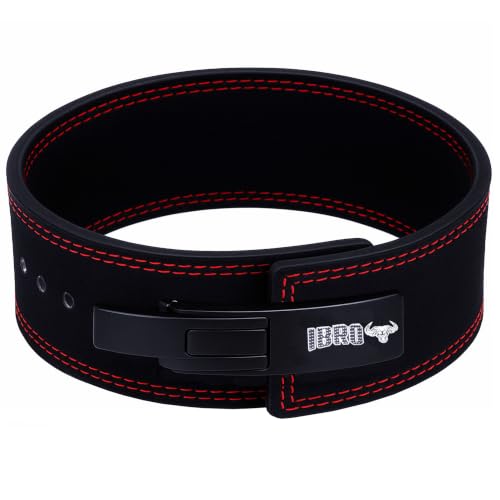
What We Like
- Quick-release lever for same fit every set
- Genuine leather holds shape over time
- Double-stitched for durability
- Available in 8mm, 10mm, or 13mm thickness
Trade-offs
- Arrives unassembled; Phillips screwdriver not included
- Lever requires tightening check before each session
The steel lever buckle on this belt clamps to the exact same tightness every single set and opens in one motion between lifts. So you can brace hard on squats and deadlifts without fiddling with holes or straps. That consistency is a real time-saver in a heavy training session, and the 10mm genuine leather core with suede finish stays firm out of the box while softening slightly over your first few uses without folding or rolling. It suits lifters who want a reliable, repeatable fit and don’t mind spending a few minutes on initial setup.
The belt arrives unassembled and requires a Phillips screwdriver (not included) to set up. The lever screws also need to be tightened before each session, a small maintenance step that some lifters won’t mind for the benefit of a quick-release lever that clamps to the same tightness every set. The 10mm thickness is the all-round choice for most weightlifting, but if you want a lighter, more flexible belt for Olympic lifts or are just starting out, the same model is available in an 8mm version. Reviewers note that the genuine leather core with double stitching holds its shape set after set, so it won’t fold or roll even as it softens over the first few sessions.
Product photos
Fitgriff Classic Weight Lifting Belt

What We Like
- Double prong buckle for secure hold
- Classic design fits most gym settings
- 100% premium cowhide leather construction
Trade-offs
- No padding or taper for high-rep or dynamic movements
- Single size option limits adjustability for different body types
At 29.5 inches long and 3.9 inches wide, this belt offers a uniform width that may not suit everyone. Compared to the Iron Bull Strength Leather Lifting Belt, which is 7mm thick and tapered, the Fitgriff is thinner and non-tapered. It works well for basic squat and deadlift support but lacks the versatility for movements that benefit from a tapered design or extra length.
Product photos
Iron Bull Strength Leather Lifting Belt

What We Like
- Single-piece leather core for steady 7mm thickness
- Double roller steel buckle prongs with black coating
- Competition-approved for six powerlifting federations
- Double stitching adds extra durability
Trade-offs
- 7mm thickness offers less rigidity than thicker belts
- Tapered design provides less uniform support across front
- Requires measuring true waist, not pant size
The 7mm thickness and tapered 4-inch width mean this belt gives you a good mix of support and flexibility for lifts like snatches, cleans, and jerks. You need to bend at the hips without the belt digging in, and this design accommodates that. The single-piece A-grade leather core avoids the wrinkling and uneven stiffness you get from glued scraps, so it stays comfortable as you break it in. If you want a belt that moves with you during Olympic lifts or front squats while still holding your core tight for heavy deadlifts, this design hits that balance nicely.
The 7mm leather won’t give you the same rigid, unyielding feedback as a 10mm belt for max-effort squats. Compared to the IBRO Powerlifting Lever Belt’s 10mm construction, this one is lighter and less disruptive on front lifts, but it also won’t feel as solid under a max squat. For someone who trains across squat, deadlift, and Olympic movements rather than focusing purely on powerlifting, the flexibility and competition approval make it a versatile pick that won’t leave you switching belts between exercises.
Product photos
OXIMVATA Weight Lifting Belt
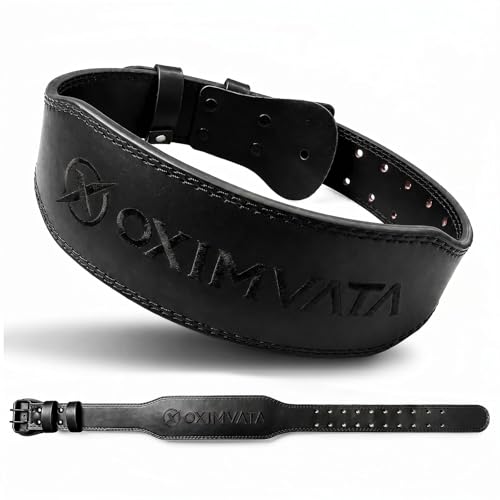
What We Like
- Contoured shape matches lower back curve
- Double prong buckle minimizes shifting
- Breathable lining reduces friction and sweat
- Reinforced stitching for high-intensity use
Trade-offs
- Prong buckle slower to adjust than lever systems
- Not suitable for lifters wanting a tapered 2.5-inch front
A 4-inch contoured shape that follows the natural curve of your lower back is the standout reason to consider this belt. That ergonomic curve helps you keep proper lifting posture during squats and deadlifts without the belt digging in or shifting around. The double prong buckle locks down securely, so you can focus on bracing hard rather than fidgeting with your gear between sets. It’s a smart pick if you want lumbar-friendly support that still feels stable under moderate to heavy loads.
The belt’s dimensions are 4.0 inches wide and 0.1 inches thick, which makes it lightweight and easy to pack in a gym bag. The IBRO Powerlifting Lever Belt is listed with a 4-inch width but no thickness is provided, so direct comparison is not possible. For most strength training sessions, this belt offers a comfortable fit with its padded backing and breathable lining.
Product photos
Harbinger Foam Core Weight Lifting Belt

What We Like
- 4.5-inch width stabilizes core and lower back
- Hook and loop fastener holds strong without snagging
- Low profile steel roller buckle avoids interference
- Meets IWF competition standards
Trade-offs
- 0.6-pound weight feels light for heavy one-rep max lifts
A 4.5-inch belt that meets IWF competition standards means you can walk onto any platform and know your gear is legal. That width gives your core and lower back solid support during squats and deadlifts, while the hook and loop fastener lets you dial in tension fast between sets. It fits both men and women, so if you share gym equipment or want something that travels easily, this belt is a practical, no-fuss choice for lifters who train in a competition-style environment.
UPPPER Tapered Weight Lifting Belt
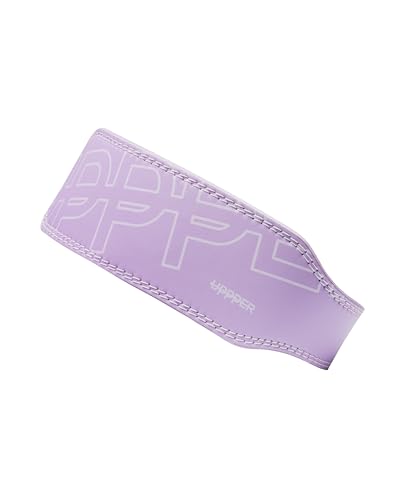
What We Like
- Tapered 4" to 2.5" design for mobility
- Vegan microfiber leather resists sweat
- Double-stitched construction for durability
- Available in bold lavender color
Trade-offs
- 8mm thickness offers less rigidity than 10mm belts
- Double prong closure is slower to adjust than a lever
With a 4-inch wide back that tapers to 2.5 inches in the front, this belt gives you the lower back support you need for heavy squats and deadlifts. It also lets you bend and set up without the front edge jabbing into your ribs or hips. The 8mm thickness provides a good balance of rigidity and comfort, so you can brace hard without feeling like you’re wearing a board. The vegan microfiber leather is soft against the skin, resists sweat, and comes in a lavender color that stands out in a gym full of black gear, perfect if you want function and a bit of personality.
The 8mm thickness is a middle ground: it’s stiffer than a foam belt but more flexible than a 10mm option. So if you’re pulling max-effort deadlifts regularly, you might eventually want the extra rigidity of a thicker belt like the IBRO Powerlifting Lever Belt. The double prong buckle is reliable but takes a second longer to fasten than a lever system, which matters during timed sets. For everyday training and steady progress without the break-in hassle of traditional leather, this belt delivers comfort and support right out of the box.
Product photos
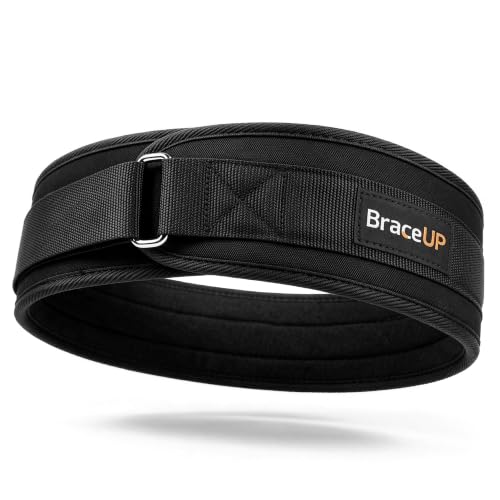
BraceUP Weight Lifting Belt
What We Like
- Memory foam padding for lasting comfort
- Soft velvet lining reduces pressure
- Reinforced hook & loop closure
- Lightweight design for easy wear
Trade-offs
- No steel lever buckle for max-rigidity lifts.
The 4-inch width and memory foam padding make this belt feel more like a supportive gym buddy than a rigid brace. It wraps around your lower back with a soft velvet lining that reduces pressure. So you can focus on your squat or deadlift without the usual digging or discomfort. That lightweight build and easy hook-and-loop closure mean you can adjust it between sets in seconds, which is exactly what you want when you’re still learning how to brace or just want something that doesn’t get in the way of your workout.
The 4-inch wide BraceUP belt uses a heavy-duty hook-and-loop closure with reinforced stitching. So you can cinch it tight and yank it off between sets without worrying about wear. That makes it far more convenient than the IBRO Powerlifting Lever Belt, which relies on a steel lever buckle and 10mm leather for a rigid, competition-style fit. That belt is great for max-effort lifts, but slower to adjust mid-workout.
Product photos
Iron Bull Strength Hybrid Weight Lifting Belt

What We Like
- 5-inch back for max lower back support
- Tapered front for squat mobility
- Dual-prong buckle stays locked
- Lifetime replacement warranty
Trade-offs
- 8mm neoprene less rigid than 10mm leather belts
- Dual-prong buckle can be slower to fasten than lever belts.
A 5-inch-wide back and 3.5-inch tapered front mean you get serious spinal support during squats and deadlifts without feeling like you’re wearing a corset. The 8mm neoprene core keeps the belt light and flexible enough to move with your body, while the dual-prong buckle locks in place through heavy sets. This is the belt for lifters who want powerlifting-level back protection but still need to breathe and bend for clean reps.
The hybrid design merges a rigid powerlifting belt with a tapered, comfortable fit. It gives you a 5-inch-wide back for maximum support during squats and deadlifts while the 3.5-inch-wide front keeps you mobile for presses and accessory work. The 8mm neoprene core molds to your body over time, balancing comfort with enough structure for serious lifting. And with the lifetime warranty, you won’t need to worry about replacing it anytime soon.
How We Evaluated Weightlifting Belts For Women
Our evaluation is research-based. We examined manufacturer specifications and materials data for each belt, reviewed expert round-ups from strength training publications, and analyzed patterns in owner feedback across hundreds of user reports. This approach gives you a reliable picture of how each belt performs in real gym settings.
The four criteria that mattered most were fit for female anatomy, material quality and durability, closure system efficiency, and thickness-to-flexibility balance. A belt that does not accommodate wider hips or a narrower waist cannot provide the intra-abdominal pressure needed for heavy lifts. Material quality determines whether the belt holds its shape over years of use, and the closure system affects how quickly you can adjust between sets.
A research-led evaluation has limits. The findings reflect what the data and community experience consistently report, not a single tester’s opinion. Use this as a starting point to narrow your options before trying a belt yourself.
What To Look For In Weightlifting Belts For Women
Finding the right belt starts with understanding how your body moves under a barbell. The best weightlifting belts for women balance lower back support with hip clearance, material stiffness with flexibility, and ease of adjustment with a locked-in feel.
Choose a belt that matches your waist-to-hip ratio, preferred training style, and the thickness that suits your lifting goals, from 6mm for general training to 13mm for max-effort powerlifting.
Fit For Female Anatomy
A standard belt sits straight across the torso, but most women have a wider hip-to-waist ratio that causes a straight belt to ride up or pinch. Look for a contoured or tapered design that curves inward at the front to clear the hip bones. The Jaffick Ladies Weight Lifting Belt is built specifically for this, with a shape that follows the natural line of a woman’s lower back and hips.
Measure your true waist at the navel, not your pant size, and check the belt’s adjustment range. The TOUGERJOY Women’s Weight Lifting Belt offers 12 holes to dial in the fit precisely, which helps when your waist measurement falls between standard increments. A belt that shifts during a squat set is worse than no belt at all.
Material And Thickness
Genuine leather belts, like the buffalo hide in the Jaffick or the cowhide in the Fitgriff Classic, hold their shape and develop a custom mold over time. Thinner belts around 6mm to 8mm offer more flexibility for dynamic movements like Olympic lifts, while 10mm to 13mm belts provide maximum rigidity for heavy squats and deadlifts. Vegan microfiber leather, as used in the UPPPER Tapered Belt, resists sweat and is a strong option for lifters who avoid animal products.
- Check the stitching: double-stitched seams with reinforced rivets last longer than single stitching
- Look for a steel roller buckle or double-prong closure for a secure hold under load
- Consider whether you want padding: some belts add lumbar cushioning for comfort during high-rep sets
A leather belt that feels stiff out of the box will soften with use, give it a few sessions before judging the fit.
Closure System
Prong buckles are the traditional choice: they are simple, reliable, and allow micro-adjustments through different holes. Double-prong designs like those on the Fitgriff Classic and OXIMVATA belt distribute pressure evenly and reduce shifting. Lever belts, such as the IBRO Powerlifting Lever Belt, use a quick-release mechanism that locks into the same tightness every set, ideal for lifters who want to spend less time adjusting between sets.
Hook-and-loop closures, found on the Harbinger Foam Core Belt, offer the fastest on-and-off and are popular in competition settings where the belt needs to come off between attempts. The trade-off is that velcro can wear out over years of use, while leather and steel last longer.
Weightlifting Belts For Women Compared
The table below compares all ten belts across fit, material, closure type, and thickness so you can see the differences at a glance.
| Product | Material | Width | Closure |
|---|---|---|---|
| Jaffick Ladies Weight Lifting Belt | 100% genuine buffalo hide leather | 4-1/6 inches | Dual-prong roller buckle |
| TOUGERJOY Women's Weight Lifting Belt | Double-layer leather | 4 inches | Dual-prong buckle |
| IBRO Powerlifting Lever Belt | Genuine leather with suede finish | 4 inches | Steel lever buckle |
| Fitgriff Classic Weight Lifting Belt | 100% premium cowhide leather | 3.9 inches | Double prong buckle |
| Iron Bull Strength Leather Lifting Belt | A-Grade leather with suede core | 4 inches | Double roller steel buckle prongs |
| OXIMVATA Weight Lifting Belt | Premium leather with padded backing | 4 inches | Double prong metal buckle |
| Harbinger Foam Core Weight Lifting Belt | N/A | 4.5 inches | Hook and loop fastener |
| UPPPER Tapered Weight Lifting Belt | Vegan microfiber leather | 4 inches | Double prong |
| BraceUP Weight Lifting Belt | N/A | 4.0 inches | Hook & loop |
| Iron Bull Strength Hybrid Weight Lifting Belt | 8mm neoprene | 5 inches | Dual-prong |
Frequently Asked Questions
What thickness of lifting belt should a woman use?
For general strength training and moderate lifting, a 6mm to 8mm belt offers enough support without restricting movement. For heavy powerlifting and one-rep max attempts, a 10mm or 13mm belt provides the rigidity needed to brace against. Thinner belts are also better for Olympic lifts that require more hip mobility.
How should a weightlifting belt fit a woman?
The belt should sit at the narrowest part of your waist, usually around the navel, and feel snug enough that you cannot easily slide your hand between the belt and your body. A contoured or tapered front prevents the belt from digging into your hip bones during squats. Measure your true waist, not your pant size, to find the right length.
Can a woman use a men’s weightlifting belt?
Yes, but a men’s belt may not fit well if you have a wider hip-to-waist ratio. Straight-cut belts tend to ride up or pinch the hips on women with a curvier build. Belts designed specifically for women, like the Jaffick Ladies Belt, have a contoured shape that clears the hips and supports the lower back more effectively.
When should you start using a lifting belt?
Most lifters benefit from a belt once they are squatting or deadlifting a significant percentage of their one-rep max, or when they begin to feel their lower back rounding under heavy loads. Beginners should focus on bracing technique first before adding a belt. Our guide to using a weightlifting belt covers the timing in more detail.
What is the difference between a prong belt and a lever belt?
A prong belt uses a metal buckle with one or two prongs that fit into adjustment holes, allowing you to change tightness between sets. A lever belt uses a quick-release cam that locks at the same tightness every time, making it faster to put on and take off. Lever belts are popular among powerlifters who compete, while prong belts offer more adjustability for general training.
The Bottom Line
The Jaffick Ladies Weight Lifting Belt is our top pick for most women because its contoured shape, padded lumbar support, and genuine leather construction address the specific fit issues that standard belts miss. It works well for general strength training and moderate-to-heavy lifting without the excessive stiffness of a competition powerlifting belt.
If you want a quick-release lever for consistent tightness set after set, the IBRO Powerlifting Lever Belt delivers durability in 8mm, 10mm, or 13mm thicknesses. For lifters on a budget, the Fitgriff Classic Weight Lifting Belt offers genuine cowhide leather and a secure double-prong buckle at an affordable price. And if you prefer a precise, customizable fit, the TOUGERJOY Women’s Weight Lifting Belt gives you 12 adjustment holes and a soft suede lining that reduces skin irritation.
The single most important factor is fit: a belt that does not match your waist-to-hip ratio cannot support your spine properly. Measure your waist, consider a contoured design, and choose a thickness that matches your lifting goals.
