
10 Best Women’s Workout Shoes in 2026
This post contains affiliate links. As an Amazon Associate, we earn from qualifying purchases.
The Nike Free Metcon 5 Training Shoes earn our best overall pick because they balance a wide, stable heel for weight lifting with a soft foam core that cushions landings during HIIT and agility work. For a women-specific fit, the Ryka Vivid RZX Cross Training Shoes shape their sole to match female anatomy, while the Reebok NFX Trainer 2 handles everything from short runs to studio classes. Every gym-goer has a different routine, and the right shoe makes that routine safer and more effective.
The challenge with women’s workout shoes is that no single pair excels at every activity. Heavy lifting demands a firm, flat base, while high-intensity intervals need flexibility and shock absorption. Dance fitness requires pivot points for smooth turns, and barefoot training asks for zero drop and ground feel. Most women end up with a closet full of shoes for different days, or worse, a single pair that compromises on everything.
This guide is research-based, drawing on manufacturer specifications, expert round-ups, and patterns in owner feedback across ten top models. We break down what each shoe does best so you can match your training style to the right pair without guesswork.
Top 10 Women’s Workout Shoes in the Market
Certain content that appears on this site comes from Amazon. This content is provided "as is" and is subject to change or removal at any time.
The Best Women’s Workout Shoes, Reviewed
Nike Free Metcon 5 Training Shoes

What We Like
- Wide heel for stable weight lifting
- Soft foam core cushions landings
- Internal weave supports quick direction changes
Trade-offs
- At 1.8 lb, heavier than some other training shoes
- Heavier than barefoot-style trainers for agility work
The wide heel on this shoe gives you a solid base for squats and deadlifts, so you can push through heavy sets without wobbling. That stability is paired with a softer foam core that cushions your foot during jumps and lunges. This makes it a versatile choice for gym sessions that mix strength and cardio. If you do a little bit of everything, lifting, HIIT, agility drills, this design bridges the gap between a rigid lifting shoe and a bouncy trainer, helping you feel planted on heavy lifts and comfortable during dynamic moves.
The trade-off is that the foam core, while forgiving for landings, can feel a bit soft under really heavy loads compared to a firmer, flat-soled trainer like the Reebok Nano Gym 1.0. At 1.8 pounds, it is not the lightest option either, so if you prioritize barefoot feel or minimal weight for speed work, you might prefer something like the AIRHAS barefoot shoes. But for most gym-goers who want one shoe that handles the whole workout without swapping out, this is a practical, balanced design that does not force you to choose between stability and comfort.
Product photos
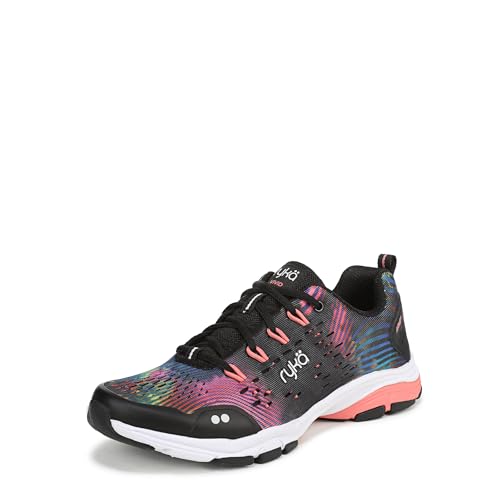
Ryka Vivid RZX Cross Training Shoes
What We Like
- Designed for women's unique foot shape
- RE-ZORB heel cushioning for impact protection
- Ultra Flex technology for flexibility
- Pivot Point enables smooth turns
Trade-offs
- Heavier than the Nike Free Metcon 5 and Reebok Nano Gym 1.0.
The Ryka Vivid RZX is designed for a woman’s unique foot shape, with a narrower heel, roomier toe, and softer foot cushioning. That means the shoe is built to fit a woman’s anatomy rather than being a generic unisex design, which can reduce heel slip and give your toes space to splay during lateral moves. The RE-ZORB cushioning at the heel provides impact protection for high-intensity workouts, and the Pivot Point under the ball of the foot enables smooth, easy turns during agility drills. According to the product specs, this shoe is best for sport agility, cross-training, and high-intensity classes.
At 2.4 pounds, it is heavier than the Nike Free Metcon 5 (1.8 pounds), which may be noticeable during long cardio sessions. The durable rubber outsole and toe cap add weight but contribute to longevity on gym floors. If you prioritize impact protection and a woman-specific fit over a lighter feel, this shoe offers that balance. For pure speed work, a lighter option like the Nike might be preferable, but the Ryka’s design targets all-around training.
Product photos
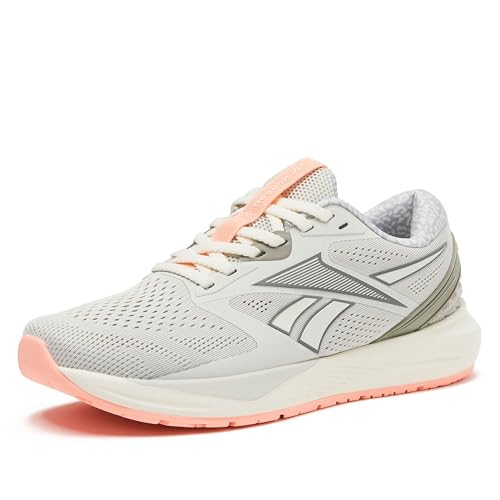
Reebok NFX Trainer 2 Cross Training Shoes
What We Like
- TPU heel clip for dynamic stability
- Removable INSITE LuxComfort sock liner
- Breathable engineered mesh upper
- Flex grooves for grip and flexibility
Trade-offs
- Heavier than barefoot-style trainers
- Not specialized for heavy lifting only
The TPU heel clip locks your heel in place during lateral moves, box jumps, and quick direction changes, so you don’t have to think about wobbling when you’re focused on the next rep. The EVA midsole cushions landings from jumps and short runs, while the removable INSITE LuxComfort sock liner adds plush rebound underfoot. This shoe is built for the person whose gym session jumps from dumbbell circuits to battle ropes to treadmill intervals without a second thought, blending stability and comfort in one package.
It’s not the lightest shoe on the rack, but the NFX Trainer 2’s flex-grooved rubber outsole gives you traction on both rubber gym floors and turf. The plush collar locks your ankle in place to eliminate distractions. If your workout is a mix of different activities, this shoe handles them without asking you to change footwear halfway through.
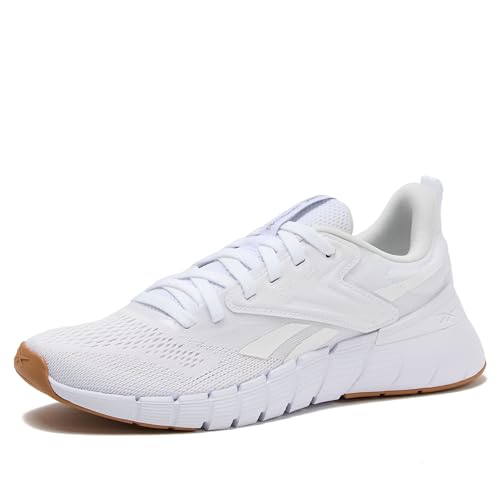
Reebok Nano Gym 1.0 Athletic Sneakers
What We Like
- Removable insole with built-in arch support
- TPU heel clip for lateral lifting support
- Breathable mesh upper keeps feet cool
- Durable rubber sole for traction on variable surfaces
Trade-offs
- No size options above 9.5 are listed.
- Only one weight listed, no wide width available.
A removable insole with arch support lets you adjust foot position or swap in custom orthotics, while the TPU heel clip locks your heel during lateral moves and lifts. The breathable mesh upper keeps air moving when you work up a sweat, and the durable rubber sole provides traction on variable surfaces. This is a shoe for the person who wants one pair for the whole gym session, short jogs on the treadmill, dumbbell circuits, and bodyweight drills, without switching footwear mid-workout.
At just one pound, these shoes are built for speed and agility, not for feeling anchored during heavy deadlifts. The Free Metcon 5 is nearly twice the weight, so the Nano keeps you quick on your feet for dynamic moves. If your routine mixes running, jumping, and lighter lifting, this lightweight design helps you stay comfortable all session long.
adidas Dropset 4 Power Trainer W

What We Like
- Targeted heel padding reduces pressure points
- Ventilated upper allows airflow during workouts
- Multi-surface outsole grips gym and turf
Trade-offs
- At 2.1 lb, heavier than barefoot-style trainers
- Focused on stability, less flexible for agility drills
If your gym sessions lean toward barbell work, dumbbell circuits, or muscle endurance routines, this shoe keeps you stable without forcing you to switch into a different pair halfway through.
At 2.1 pounds, these are heavier than the AIRHAS barefoot shoes (0.9 pounds), which makes them less suited for workouts where a lighter shoe is preferred. Compared to the Free Metcon 5, the Dropset 4 is built for controlled stability, so if your training mixes lateral movements with heavy lifts, you might find the Nike a better fit. For dedicated strength days, though, the ventilation and reliable rubber outsole keep you comfortable and planted on gym floors and turf.
Product photos
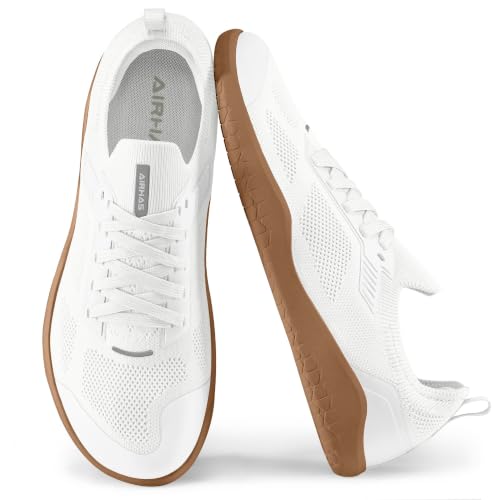
AIRHAS Women's Gym Barefoot Shoes
What We Like
- Zero-drop sole keeps natural foot posture
- Stretchy knit upper boosts breathability
- Removable insole for two wearing modes
- Lightweight at only 0.9 pounds
Trade-offs
- Thin sole offers minimal shock absorption for running
- No arch support for those used to cushioned shoes
At just 0.9 pounds, these are among the lightest shoes in this guide. The zero-drop, thin flexible sole is the whole point, it lets your feet feel the ground, strengthen small stabilizing muscles, and move naturally. That makes them a smart pick if you’re into barefoot-style training, yoga, or cross-training where you want to improve balance and foot awareness without a bulky heel getting in the way. The stretchy knit upper breathes well and the removable insole gives you a choice between a little padding or a full ground connection.
That thin sole gives very little cushioning, so if you’re used to plush trainers or plan to do much running, you’ll miss the shock absorption. Compared to other training shoes in this guide, the AIRHAS feels more like a minimalist slipper, great for mobility and light gym work, but not the best for heavy deadlifts or high-impact moves. If your routine leans toward barefoot-inspired movement and you want to strengthen your feet, this is a focused tool; if you need all-round protection, look elsewhere.
Product photos
PUMA Tazon 6 Cross Training Shoes

What We Like
- Plush step-in comfort from SoftFoam+ sockliner
- Extra-thick heel for everyday cushioning
- TPU shank improves motion control
- Durable rubber outsole grips varied surfaces
Trade-offs
- Midfoot saddle design limits natural foot splay
- TPU shank makes it too stiff for casual walking
An extra-thick heel and SoftFoam+ sockliner mean this shoe is built to soften every step, with the EVA heel pod helping absorb impact during daily activities. The TPU shank adds a reassuring stiffness that keeps your stride stable, so you don’t wobble during lunges or carries. That makes it a natural fit for anyone who values comfort over speed, someone who wants their shoes to feel like a forgiving floor rather than a racing platform. The durable rubber outsole offers dependable grip across a variety of surfaces, which adds versatility for different training environments.
All that cushioning and support comes with a bit of heft. The midfoot saddle design locks you in securely, creating a supportive fit for all-day wear. If your workouts lean toward activities where a more minimal feel is preferred, this shoe’s plush ride may not suit you. But for steady, comfort-first training days, this shoe delivers the cushioned experience it promises.
Puma Voltaic Evo Cross Trainer

What We Like
- Extra thick heel cushioning for soft landings
- Full rubber outsole for reliable grip
- TPU shank adds midfoot stability
- Durable TPU toe cap protects toes
Trade-offs
- At 1.8 lb, heavier than barefoot-style trainers
- Cushioning reduces ground feel for heavy lifts
The SoftFoam+ sockliner with its extra thick heel provides soft cushioning, which makes the Voltaic Evo a comfortable choice for workouts that involve a lot of impact, like jumping or running. The full rubber outsole delivers traction on gym surfaces, and the TPU shank adds midfoot stability. If your training includes dynamic movements or treadmill work, this shoe is built to keep you comfortable.
The Puma Voltaic Evo Cross Trainer weighs 1.8 pounds, which makes it heavier than the AIRHAS barefoot shoe (0.9 lb) and similar to the Free Metcon 5 (1.8 lb). That weight comes from features like full-length rubber outsole coverage for traction and a TPU shank for stability, so it feels substantial on your feet. If you want a shoe that stays planted during dynamic moves, the extra heft helps keep you grounded.
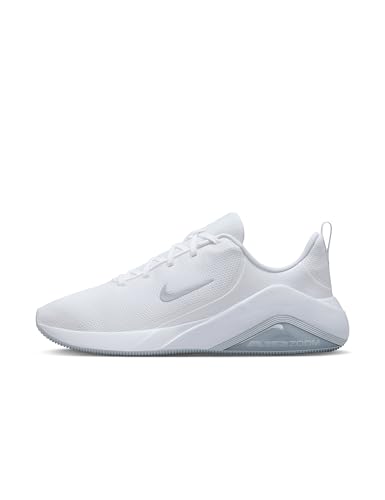
Nike Bella 7 Training Shoes
What We Like
- Flexible mesh upper stretches with movement
- Heel Air Zoom unit for impact protection
- Lightweight at only 0.6 pounds
- Supportive heel plate and rubber cage
Trade-offs
- Lacks forefoot stability features for heavy lifting
- Not designed for wide feet or extra room
A heel Air Zoom unit paired with soft foam cushioning under both forefoot and heel means this shoe soaks up impact from jumps, lunges, and high-rep sets without feeling clunky. The updated mesh upper stretches as you move, so you get flexibility during dynamic exercises. It’s a shoe that moves with you rather than fighting your every step, making it a practical choice for gym-goers who want comfort and natural motion.
At just 0.6 pounds, the Bella 7 is lighter than many training shoes, making it easy to pack in a gym bag and wear through a full workout without feeling bulky. The mesh upper stretches with each lunge and move, so you get natural flexibility during dynamic exercises. Cushioning under the forefoot and heel helps soften impact, which keeps you comfortable during high-rep sets or plyometric drills.
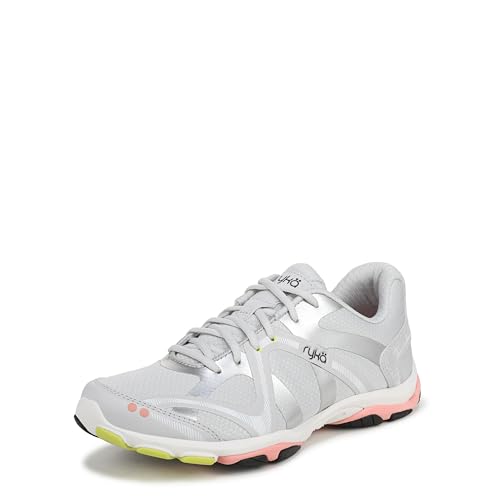
Ryka Women's Influence Cross Training Shoes
What We Like
- Pivot point for smooth dance turns
- Narrower heel and roomier toe for women
- N-Gage energy return foam for cushioning
- Padded heel for extra comfort
Trade-offs
- Heavier than minimalist dance shoes
- Best for low-impact, not heavy lifting
The N-Gage energy return foam cushions on impact, which means every landing in a dance fitness or low-impact workout feels softer. The pivot point in the rubber outsole enables smooth and easy turns, so you can change direction without fighting the shoe. An anatomical insole adds extra arch and heel support, while the women-specific fit, narrower heel, roomier toe, keeps the foot comfortable during extended sessions.
At 2.4 pounds, this shoe is heavier than some alternatives like the AIRHAS barefoot shoe at 0.9 pounds. The weight comes from the rubber outsole and padded heel, which add durability for repeated use. For dance fitness and low-impact workouts, the cushioning and pivot point make that weight worthwhile, but it’s not a shoe you’ll forget you’re wearing.
Product photos
How We Evaluated Women’s Workout Shoes
We started by reviewing published specs and manufacturer documentation for every shoe on our list, paying close attention to weight, sole construction, heel-to-toe drop, and upper materials. These details tell us whether a shoe is built for stability under a barbell, flexibility for lateral movement, or cushioning for impact. We then cross-referenced those specs with patterns in owner feedback to understand how each shoe performs in real gym settings.
The three criteria that mattered most were stability for lifting, cushioning for impact, and versatility across workout types. A shoe that wobbles under a squat is dangerous, but one that feels like a brick during burpees is frustrating. We also weighed fit specificity, shoes designed for women’s anatomy, like the Ryka models, earned extra consideration because a proper fit prevents blisters and improves power transfer.
A research-led evaluation has honest limits. We haven’t laced up every pair ourselves, so we rely on what the data and the community report. When owner feedback consistently praises a shoe’s heel lockdown or complains about its toe-box width, those patterns carry weight. The result is a practical starting point, not the final word, your feet and your routine will make the final call.
What To Look For In Women’s Workout Shoes
Matching your shoe to your primary workout style is the single most important decision you’ll make. A deadlift shoe and a dance fitness shoe share almost nothing in common except the word “shoe.”
Prioritize stability for lifting days, cushioning for high-impact cardio, and flexibility for agility work. Women’s-specific lasts improve fit, and removable insoles let you swap in custom orthotics or arch support if your feet need it.
Stability Platform
The sole width and heel construction determine how secure you feel under a barbell. Look for a wide, flat heel base, like the TPU heel clip on the Reebok models, that distributes weight evenly during squats and deadlifts. Shoes with a pronounced heel-to-toe drop (above 6mm) shift weight forward and can compromise balance during heavy lifts. If strength training is your priority, prioritize a firm midsole that doesn’t compress under load.
Cushioning and Impact Protection
For HIIT classes, jump rope sessions, and box jumps, you want a shoe that absorbs shock without feeling marshmallowy. Air units (like the Nike Bella 7‘s heel Zoom unit) and foam compounds (like the RE-ZORB cushioning in the Ryka Vivid) reduce joint stress during landings. The trade-off is ground feel: more cushioning means less sensory feedback from the floor, which matters for precise foot placement in lifting.
Upper Construction and Breathability
Your feet swell during workouts, and a mesh upper that stretches with movement prevents hot spots. Engineered mesh, found on the Reebok NFX Trainer 2 and the AIRHAS barefoot shoe, offers targeted zones of stretch and support. A flexible upper also accommodates natural foot splay during lateral drills, while a restrictive saddle or rigid panel can cause discomfort during multidirectional movement.
- Check whether the insole is removable if you use custom orthotics or need extra arch support.
- Look at the outsole pattern: full rubber coverage with flex grooves improves grip on gym floors and turf.
- Verify the weight: a shoe over 1.8 pounds can feel clunky during agility drills and jump rope.
- Consider the toe-box width if you have wide feet, some women’s-specific lasts run narrow.
- Match the heel-to-toe drop to your activity: 4mm or less for lifting, 6-8mm for hybrid training, 10mm+ for running.
A shoe that fits well at the store may feel different after a short workout, so buy from a retailer with a generous return policy.
Women’s Workout Shoes Compared
The table below compares all ten picks side by side, so you can see weight, best use, and key features at a glance before reading the detailed reviews.
| Product | Weight | Cushioning | Outsole |
|---|---|---|---|
| Nike Free Metcon 5 Training Shoes | 1.8 pounds | Softer foam core | N/A |
| Ryka Vivid RZX Cross Training Shoes | 2.4 pounds | RE-ZORB responsive cushioning | Durable rubber with flex grooves |
| Reebok NFX Trainer 2 Cross Training Shoes | N/A | EVA | Rubber with flex grooves |
| Reebok Nano Gym 1.0 Athletic Sneakers | 1.0 pounds | EVA midsole | N/A |
| adidas Dropset 4 Power Trainer W | 2.1 pounds | Full-length responsive | Durable rubber with strategic tread |
| AIRHAS Women's Gym Barefoot Shoes | 0.9 pounds | N/A | Thin flexible rubber |
| PUMA Tazon 6 Cross Training Shoes | N/A | SoftFoam+ sockliner | Durable rubber outsole |
| Puma Voltaic Evo Cross Trainer | 1.8 pounds | SoftFoam+ sockliner | Full rubber outsole |
| Nike Bella 7 Training Shoes | 0.6 pounds | Forefoot and heel | N/A |
| Ryka Women's Influence Cross Training Shoes | 2.4 pounds | N/A | Ergonomic rubber with pivot point |
Frequently Asked Questions
What is the best women’s workout shoe for lifting weights?
The adidas Dropset 4 Power Trainer W is best for strength training, thanks to its targeted heel padding that reduces pressure points and a multi-surface outsole that grips gym floors and turf. It weighs 2.1 pounds, which is heavier than barefoot-style trainers, but that weight translates to a stable platform for heavy squats and deadlifts.
Are barefoot shoes good for gym workouts?
Yes, if your training focuses on bodyweight movements, yoga, and exercises that benefit from ground feel. The AIRHAS Women’s Gym Barefoot Shoes have a zero-drop sole and weigh only 0.9 pounds, making them ideal for foot strength and natural posture. They lack arch support and shock absorption, so they are not recommended for running or heavy barbell work.
What is the difference between cross trainers and running shoes?
Cross trainers have a wider, flatter base for lateral stability and weight lifting, while running shoes have a higher heel-to-toe drop and more forefoot cushioning for forward motion. Our guide on cross trainers vs lifting shoes explains the full trade-offs. For most gym workouts, cross trainers offer better versatility than running-specific shoes.
What workout shoes are best for HIIT classes?
Shoes that combine stability for quick weight changes with cushioning for high-impact landings work best for HIIT. The Nike Free Metcon 5 excels here with its wide heel and soft foam core. The best shoes for HIIT include models with flexible forefoot grooves and breathable mesh uppers that handle rapid direction shifts.
How should women’s workout shoes fit?
Your toes should have a thumb’s width of space from the end of the shoe, and the heel should lock in place without slipping during lateral movements. Women’s-specific lasts, like those used by Ryka, are narrower at the heel and roomier at the toe compared to unisex sizing. Always test shoes with the socks you plan to wear during workouts.
The Bottom Line
The Nike Free Metcon 5 Training Shoes are the best overall pick for the woman who wants one shoe that handles lifting, HIIT, and agility work without compromise. Its wide heel and soft foam core cover the two most common gym activities, and the internal weave supports quick direction changes during circuit training. If your routine leans heavily toward strength training, the adidas Dropset 4 offers more targeted stability, while the Ryka Vivid RZX fits women’s anatomy better for those who prioritize comfort during high-intensity classes.
Budget-conscious shoppers should look at the PUMA Tazon 6 for everyday cushioning at a mid-range price point. Barefoot enthusiasts will appreciate the AIRHAS zero-drop model for its lightweight build and natural foot posture. No matter which pair you choose, the single most important factor is matching the shoe’s primary strength to the workout you do most often. That one decision determines whether your next session feels like a win or a battle against your gear.
