
10 Best Workout Footwear in 2026
This post contains affiliate links. As an Amazon Associate, we earn from qualifying purchases.
The Reebok Nano X5 Cross Training Shoes earn our Best Overall spot because they balance stability for lifting with enough cushion for short runs and jumps. That makes them the true one-shoe solution for mixed gym sessions. For dedicated strength work, the adidas Dropset Vario provides a locked-in platform, while the Puma Voltaic Evo covers budget-friendly needs without cutting corners on comfort.
The hardest part of choosing workout footwear is that most shoes force you to pick a lane, lift heavy, run fast, or move laterally. A shoe built for a powerlifting meet feels clunky during burpees, and a running shoe compresses under a heavy barbell. You need something that matches your actual training mix.
This guide is based on manufacturer specifications, expert round-ups from the training community, and patterns in owner feedback across hundreds of gym sessions. We break down what each shoe does best so you can match your training style to the right pair.
Top 10 Workout Footwear in the Market
Certain content that appears on this site comes from Amazon. This content is provided "as is" and is subject to change or removal at any time.
The Best Workout Footwear, Reviewed
Reebok Nano X5 Cross Training Shoes

What We Like
- Dual-density midsole for stability and comfort
- Breathable Flexweave upper for lightweight feel
- Metasplit outsole adapts to lifting and running
- Removable insole with built-in arch support
Trade-offs
- Lighter weight reduces ground feel for heavy deadlifts
- Decoupled outsole feels less stable under max-effort lifts than rigid trainers
The dual-density midsole uses firmer foam in the heel for stability and more responsive foam in the forefoot for comfort during running and jumping. The decoupled Metasplit outsole supports weight lifting, walking, and short runs. The breathable Flexweave upper helps keep feet cool during workouts. The removable insole includes arch support, which can be swapped out if needed. This combination makes the shoe suitable for a range of gym activities without requiring a change of footwear between exercises.
The decoupled Metasplit outsole enhances natural movement during runs and lateral drills, but the shoe weighs just 1.0 pounds, which is lighter than the adidas Dropset 4 Power Trainer at 2.1 pounds. That weight savings helps during high-rep circuits but reduces ground feel compared to a heavier trainer. Reviewers note the trade-off: you get more agility for mixed workouts, but a rigid, flat-soled shoe may feel more planted under a heavy barbell.
adidas Dropset Vario Training Shoes

What We Like
- TPU midfoot torsion system for heavy lifts
- Repetitor Foam for stable, responsive support
- Breathable mesh upper keeps feet cool
- Wide-fit low-profile base enhances ground connection
Trade-offs
- At 2.4 lb, heavier than the Reebok Nano X5
- Low-profile design lacks cushioning for high-impact moves
A TPU midfoot torsion system runs through the sole, locking the shoe down under a loaded barbell so your foot stays planted and your form stays honest. That targeted stability, paired with Repetitor Foam that keeps every step responsive rather than mushy, makes this trainer a natural fit for anyone who spends most of their gym time in the squat rack or on the deadlift platform. The breathable mesh upper vents heat during long sessions. The wide-fit low-profile base keeps you feeling the floor rather than floating above it, which matters when every inch of leverage counts.
The trade-off is weight. At 2.4 pounds, the Dropset Vario is heavier than the Reebok Nano X5 at 1.0 pounds, so if your workout jumps from heavy sets to faster movements, that extra mass can feel less agile. This shoe is designed for lifters who want a stable platform for heavy strength training, and it delivers that with its TPU midfoot torsion system and Repetitor Foam. For workouts that mix heavy lifts with more dynamic exercises, a lighter trainer might serve you better, but for grinding through heavy squats and presses, the Dropset Vario fits the need.
Product photos
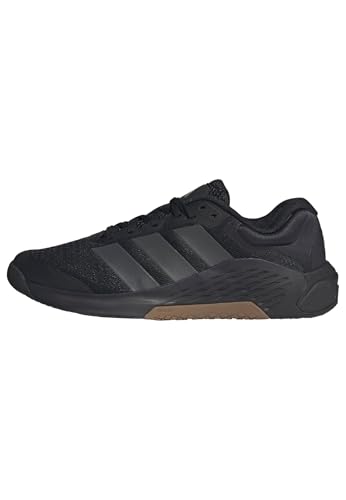
adidas Dropset 4 Power Trainer
What We Like
- Full-length Repetitor foam for cushioning and stability
- Continental rubber outsole for wet/dry grip
- Geofit heel pods for locked-in comfort
Trade-offs
- At 2.1 pounds, heavier than some cross-training shoes like the Reebok Nano X5 (1.0 lb)
The full-length Repetitor foam in the Dropset 4 balances cushioning and stability so you can move from a heavy squat to a short run without switching shoes. This trainer is built for the person who wants one pair that handles lifting, box jumps, rope climbs, and treadmill intervals with controlled support and a responsive feel. The Continental rubber outsole keeps you planted on gym floors even when they are slick, and the Geofit heel pods wrap your foot for a secure, comfortable fit during quick transitions. If you train across disciplines and hate swapping shoes mid-session, this is the pair that keeps up.
At 2.1 pounds, the Dropset 4 is heavier than some cross-training shoes like the Reebok Nano X5 (1.0 lb), so if your workout is mostly sprints or agility drills, you might feel that extra mass over time. The weight comes from features like the Continental rubber outsole and Repetitor foam midsole, which together deliver controlled stability and consistent energy return. For anyone who lifts heavy, does HIIT, and occasionally hits the rower or treadmill, the Dropset 4 offers a balanced, no-fuss solution. It does not force you to compromise on stability or comfort.
Product photos
Reebok Nano Gym 1.0 Workout Shoes

What We Like
- Lightweight breathable mesh upper
- Removable insole with arch support
- TPU heel clip for lateral support
- EVA midsole for cushioning
Trade-offs
- No wide width option for men with broader feet
- Only available in men's sizes 7 to 13
Weighing 1.0 pounds for the pair, the Reebok Nano Gym 1.0 keeps your feet light during gym sessions. The breathable mesh upper lets air flow during intense circuits, while the TPU heel clip offers lateral support for lifting or other workout moves. That combination of support and lightness makes it a versatile shoe for a full gym session without needing to swap out halfway through. It handles short runs, weight training, and walking between machines, as stated in the product description.
The EVA midsole provides cushioning for general training, but if your main focus is heavy lifting, you may prefer a shoe with a firmer platform. For the gym-goer who values flexibility over specialization, this shoe covers multiple activities in one pair.
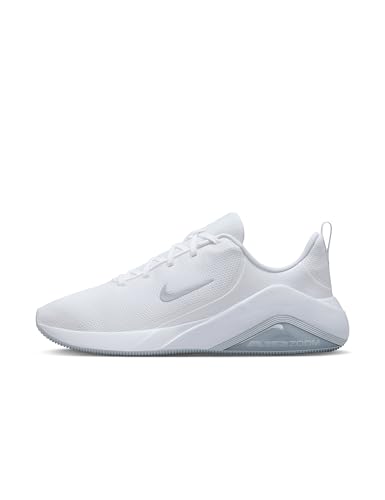
Nike Bella 7 Training Shoes
What We Like
- Heel Air Zoom unit for stability
- Soft foam midsole for cushioning
- Flexible mesh upper for natural movement
- Lightweight at 0.6 pounds
Trade-offs
- Heel plate and cushioning reduce ground feel for deadlifts
- Not designed for flat, minimalist lifting preference
A heel Air Zoom unit, a plastic plate, and a rubber cage in the heel work together to provide stability during weight lifting, according to the product’s specifications. Soft foam under the forefoot and heel helps soften impact, while the updated mesh upper stretches with each lunge and move. This combination targets lifters who want cushioning and heel support without sacrificing mobility during exercises like squats or lunges. The mesh upper also adds breathability for comfort during a workout.
The Nike Bella 7 Training Shoes weigh 0.6 pounds, which is lighter than the Reebok Nano X5 at 1.0 pounds, but the trade-off is that the plastic plate and cushioning stack can mute ground feedback. That makes it less ideal for lifters who want a flat, direct connection for heavy deadlifts. The heel Air Zoom unit, plastic plate, and rubber cage combine to provide stability during weight lifting, while the soft foam midsole and forefoot cushioning soften impact. This blend of support and comfort suits mixed gym routines that include both weight work and high-impact moves.
Puma Voltaic Evo Cross Trainer

What We Like
- SoftFoam+ insole for all-day comfort
- 10CELL midsole absorbs impact well
- Full-length rubber outsole for traction
- Wide-fit design accommodates wider feet
Trade-offs
- Heavier than many cross trainers at 2.4 pounds
A generous wide-fit design with a SoftFoam+ insole and 10CELL midsole means you get plush cushioning and impact absorption right out of the box. That combination makes this a smart pick if you want a single shoe that handles gym sessions, walks, and everyday wear without breaking your budget. The full-length rubber outsole adds reliable grip on varied surfaces, so you can pivot during strength work or head straight to the pavement without switching shoes.
Weight is the main compromise here: at 2.4 pounds, it’s noticeably heavier than the Reebok Nano X5, which weighs just 1.0 pounds. That extra heft can feel a bit clunky during fast-paced HIIT drills or agility moves. If your training leans toward heavy lifting and steady cardio rather than explosive footwork, the stability and comfort more than make up for it. For lighter, faster sessions, you might prefer something like the Nano X5.
PUMA Tazon 6 FM Cross Training Shoes

What We Like
- Engineered midfoot saddle for locked-in fit
- SoftFoam+ sockliner for step-in comfort
- EVA heel pod absorbs impact on landing
- TPU shank adds stability during lifts
Trade-offs
- At 0.8 lb, lighter than some cross trainers
- EVA heel pod favors cardio over heavy lifting
The SoftFoam+ sockliner delivers plush step-in comfort with an extra-thick cushioned heel, so your feet feel supported from the first step. At just 0.8 pounds, these are light enough for all-day wear, and the EVA heel pod helps absorb shock on impact during high-impact training. The built-in TPU shank and engineered midfoot saddle work together to keep your foot stable during workouts, gym sessions, and running.
Engineered with a midfoot saddle design, these shoes deliver a locked-in fit that keeps the foot secure during dynamic movements like cardio and high-impact training. The SoftFoam+ sockliner provides an extra-thick cushioned heel for superior step-in comfort, making them suitable for walking, gym sessions, and all-day wear. Built-in EVA heel pod cushioning helps absorb shock on impact, while the high-performance rubber outsole ensures reliable traction on both indoor and outdoor surfaces. The downside is that this lighter, cushioned build isn’t ideal for heavy barbell work.
Under Armour Charged Edge Cross-Training Shoes

What We Like
- Dual-layer Ortholite sockliner for step-in comfort
- Charged Cushioning midsole for responsive feel
- Breathable mesh upper with durable overlays
- Full rubber outsole with pivot pattern
Trade-offs
- Leather and synthetic overlays reduce airflow through the mesh
A Charged Cushioning midsole made from compression molded foam gives you that springy, responsive feel underfoot, perfect for dynamic moves like box jumps or quick lateral drills. The dual-layer Ortholite sockliner adds plush step-in comfort right out of the box, so you don’t have to waste time breaking them in. This shoe suits anyone who wants a bouncy, forgiving ride during high-impact cross-training sessions, especially if you’re transitioning between jumping, lunging, and short sprints.
At half a pound per shoe, these are lighter than several other options in the category, such as the Reebok Nano X5 at 1.0 pounds. The leather and synthetic overlays add durability and stability during dynamic movements, but they do cover parts of the breathable mesh upper. For most gym-goers who want structure and responsiveness, this is a fair trade-off.
The Charged Cushioning midsole uses compression molded foam for responsiveness and durability, so the shoe returns energy with each step rather than feeling dead. That foam sits under a dual-layer Ortholite sockliner that provides step-in comfort right from the first wear. The full rubber outsole has a strategic pattern for pivot and traction, which helps during lateral movements in the gym.
Product photos
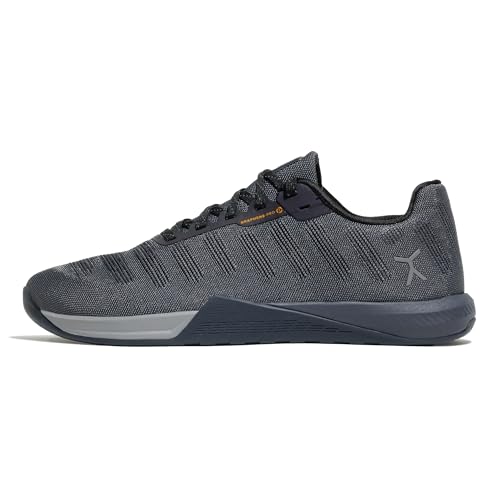
Flux Footwear Adapt Graphene XT Cross Trainers
What We Like
- Zero drop for natural stability
- Wide toe box for toe splay
- Graphene outsole for extreme grip
- Breathable ballistic mesh upper
Trade-offs
- Runs small, so sizing up is necessary
- Minimal cushioning can feel harsh on high-impact moves
A zero-drop platform and wide anatomical toe box let your feet splay naturally during heavy lifts, which matters most when you’re grinding through deadlifts or squats and want every ounce of force to transfer cleanly into the floor. The graphene-infused outsole grips aggressively on sled pushes and rope climbs. The ballistic mesh upper keeps your feet cool and protected during HIIT or CrossFit sessions. This is the shoe for anyone who prioritizes ground feel and barefoot-style stability over plush cushioning, especially if you have wider feet or prefer minimalist training footwear.
The Adapt Graphene XT runs small, so you’ll need to order half a size up for a comfortable fit, and the minimal cushioning underfoot can feel harsh during high-impact plyometrics or long cardio sessions. Compared to the Reebok Nano X5, which offers more midsole padding for versatility across running and lifting, this Flux model stays true to its barefoot roots. It is better for pure strength work and technique drills, but less forgiving on box jumps or treadmill intervals.
Product photos
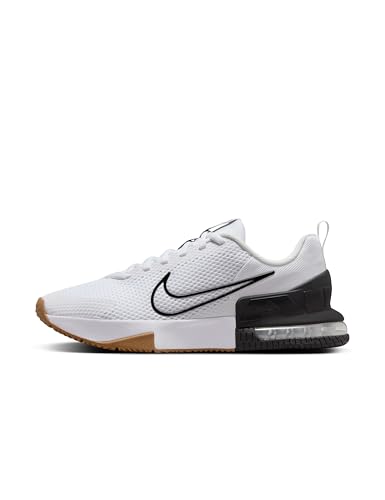
Nike Air Max Alpha Trainer 6 Workout Shoes
What We Like
- Flat wide sole for stable stance
- Rubber side wrap aids lateral movement
- Heel Max Air unit tuned for stability
- Flex grooves in forefoot for lunges
Trade-offs
- At 1.0 lb, lighter than some training shoes
- Not ideal for heavy lifting due to lighter build
A flat, wide sole with an optimal rubber tread pattern gives you stability and traction during side-to-side drills, making this shoe a natural fit for anyone who spends workout time on lateral movements like shuffles, lunges, or agility work. The heel Max Air unit has been fine-tuned for even better stability. Rubber wraps up the side to help keep your foot firmly on the sole when you cut or push sideways. That combination of tuned support and intentionally placed cushioning helps you feel secure with every step, so you can focus on form rather than wobbling.
The trade-off here is weight. At 1.0 pound, this shoe is noticeably lighter than the adidas Dropset Vario Training shoe, which tips the scales at 2.4 pounds. That lightness helps you move quickly during dynamic drills. But if your primary goal is heavy squatting or deadlifting, a heavier, more grounded shoe like the Reebok Nano X5 might give you a more planted feel under load. For gym-goers who mix in agility, side-step work, and lunges, this shoe delivers the lateral confidence without dragging you down.
Product photos
How We Evaluated Workout Footwear
Our evaluation started with the raw specs: stack height, weight, heel-to-toe drop, outsole material, and midsole foam type. We cross-referenced those numbers against manufacturer claims about stability, cushioning, and intended use. Then we pulled patterns from expert round-ups by strength coaches and fitness editors who have watched these shoes perform across real training cycles.
We prioritized three criteria above all else. First, stability under load, does the shoe resist compression during squats and deadlifts, or does the foam squish under a heavy barbell? Second, versatility for mixed training, can it handle a run, a box jump, and a set of lunges without feeling wrong for any of them? Third, durability and traction, does the outsole grip on rubber gym floors and hold up to rope climbs and lateral slides.
A research-led evaluation has an honest limit: we haven’t logged miles in every pair ourselves. But by combining detailed specs with the collective experience of coaches and a wide sample of owner feedback, we can tell you which shoes are worth your time for your specific routine. For a deeper look at how different models compare, our comprehensive workout shoe guide covers the full landscape.
What To Look For In Workout Footwear
The right shoe depends on what you actually do at the gym. A powerlifter needs a flat, non-compressible platform. A CrossFit athlete needs grip and lateral support. A general fitness goer needs a middle ground.
Look for a stable, non-compressible heel for lifting, enough cushion for your cardio volume, a secure heel lock so your foot doesn’t slide, and an outsole that grips on rubber floors. Match these to your primary training style.
Heel Stability and Stack Height
The most important factor for anyone who lifts weights is how much the heel compresses under load. A high stack of soft foam feels comfortable for walking but robs force transfer during a deadlift or squat. Look for a firm, low-to-ground heel if strength training is your priority. The adidas Dropset Vario uses a TPU midfoot torsion system that keeps the foot stable under heavy weight, while the Flux Adapt Graphene XT offers a true zero-drop platform for natural foot positioning.
Versatility for Mixed Training
If your workout includes lifting, running, jumping, and lateral movement in one session, you need a shoe that doesn’t specialize too hard in any one direction. The Reebok Nano X5 uses a dual-density midsole that firms up under heavy loads but still flexes for running. The adidas Dropset 4 balances Repetitor foam cushioning with a Continental rubber outsole for grip on wet or dry surfaces. A versatile shoe will feel decent at everything rather than perfect at one thing.
Fit and Foot Shape
Your foot shape determines whether a shoe feels secure or sloppy. People with wider feet should look for models that explicitly offer wide sizing or a naturally roomy toe box. The Puma Voltaic Evo accommodates wider feet well, and the Flux Adapt Graphene XT is built with a wide toe box for toe splay. For those with flat feet or low arches, a removable insole, like the one in the Reebok Nano Gym 1.0, lets you swap in custom orthotics for better arch support.
- Check that your heel doesn’t lift during lateral movements, a secure heel lock prevents blisters.
- Test the shoe’s flex point: it should bend at the ball of your foot, not the arch.
- Look for a removable insole if you plan to use custom orthotics or need extra arch support.
- Consider the outsole pattern, rubber wraps and pivot grooves help with agility drills.
A good rule of thumb: if the shoe feels unstable during a bodyweight squat in the store, it will feel worse under a barbell.
Workout Footwear Compared
The table below compares all ten picks across their key specs and best-use scenarios so you can see at a glance which pair matches your training style.
| Product | Weight | Midsole | Outsole |
|---|---|---|---|
| Reebok Nano X5 Cross Training Shoes | 1.0 pounds | dual-density midsole | N/A |
| adidas Dropset Vario Training Shoes | 2.4 pounds | Repetitor Foam | N/A |
| adidas Dropset 4 Power Trainer | 2.1 pounds | Repetitor foam | Continental rubber |
| Reebok Nano Gym 1.0 Workout Shoes | 1.0 pounds | EVA | Durable rubber |
| Nike Bella 7 Training Shoes | 0.6 pounds | Soft foam + Air Zoom heel unit | N/A |
| Puma Voltaic Evo Cross Trainer | 2.4 pounds | 10CELL impact absorption | Full-length rubber |
| PUMA Tazon 6 FM Cross Training Shoes | 0.8 pounds | EVA heel pod cushioning | High-performance rubber |
| Under Armour Charged Edge Cross-Training Shoes | 0.5 pounds | Charged Cushioning compression molded foam | Full rubber |
| Flux Footwear Adapt Graphene XT Cross Trainers | N/A | N/A | Graphene-infused |
| Nike Air Max Alpha Trainer 6 Workout Shoes | 1.0 pounds | foam midsole with Max Air unit | rubber tread |
Frequently Asked Questions
What is the best workout shoe for heavy lifting?
The adidas Dropset Vario Training Shoes are built specifically for strength work, with a TPU midfoot torsion system and Repetitor Foam that keeps the foot stable under heavy loads. Its low-profile, wide base enhances ground connection for squats and deadlifts. If you need a flat, non-compressible platform, this is the pick.
Can I run in cross-training shoes?
Most cross-training shoes handle short runs up to a mile or two, but they lack the dedicated cushioning and energy return of running shoes. The Reebok Nano X5 and adidas Dropset 4 both offer enough midsole comfort for warm-up jogs and HIIT intervals. For longer distance running, you are better off with a dedicated running shoe.
What is the difference between training shoes and running shoes?
Training shoes prioritize lateral support, heel stability, and a flat base for lifting, while running shoes focus on forward motion cushioning and a higher heel-to-toe drop. A running shoe’s soft foam compresses under a barbell, making it unstable for strength work. Our guide on lifting vs running shoes breaks down the key differences.
Are barefoot-style shoes good for weightlifting?
Yes, zero-drop shoes like the Flux Adapt Graphene XT provide a stable, flat platform that lets your foot spread naturally under load. The wide toe box allows toe splay, which can improve balance during squats and deadlifts. However, the minimal cushioning can feel harsh for high-impact moves like box jumps or burpees.
How should workout shoes fit?
Your toes should have room to splay without hitting the front of the shoe, and your heel should not lift during lateral movements. A secure midfoot lockdown prevents sliding during dynamic exercises. If you have wide feet, look for models that offer wide sizing or a naturally roomy toe box.
The Bottom Line
The Reebok Nano X5 Cross Training Shoes are the best overall choice for anyone whose gym session mixes lifting, running, and dynamic movement. They balance stability and comfort better than any single-purpose shoe, and the removable insole lets you customize the fit. If your training is built around heavy squats and deadlifts, the adidas Dropset Vario gives you a locked-in platform that won’t compress under maximal loads.
Budget-minded shoppers should look at the Puma Voltaic Evo Cross Trainer, which delivers cushioned support and a wide-friendly fit without the premium price tag. For those who want a barefoot feel for natural foot mechanics, the Flux Adapt Graphene XT offers zero-drop stability and extreme grip in a wide toe box.
The single most important buying factor is matching the shoe’s stability profile to your primary training style. A shoe that works for everything exists, the Nano X5, but if your routine leans heavily in one direction, choose the shoe built for that job.
