
10 Best Yoga Mats Under 50 in 2026
This post contains affiliate links. As an Amazon Associate, we earn from qualifying purchases.
The Gaiam Classic Print Yoga Mat earns our Best Overall spot for its lightweight 2.1-pound build and sticky non-slip textured surface that keeps you grounded through every pose. For yogis who want two looks in one, the Gaiam Reversible Yoga Mat offers 6mm cushioning with a reversible two-sided print. And if you are just starting out, the Amazon Basics Extra Thick Yoga Mat delivers extra cushioning at a budget-friendly price.
Finding a quality yoga mat on a budget means balancing grip, cushioning, and portability without overpaying for features you do not need. Thicker mats protect joints on hard floors but weigh more, while thinner mats travel easily but offer less padding. Your body type, practice style, and where you practice all factor into which mat fits best.
We evaluated these mats by reviewing specifications, manufacturer materials, expert recommendations, and patterns in user feedback to find the ten best options at this price point. This guide breaks down what each mat does well and where it falls short, so you can match a mat to your actual needs.
Top 10 Budget-Friendly Yoga Mats in the Market
Certain content that appears on this site comes from Amazon. This content is provided "as is" and is subject to change or removal at any time.
The Best Yoga Mats for a Mid-Range Budget, Research-Based Review
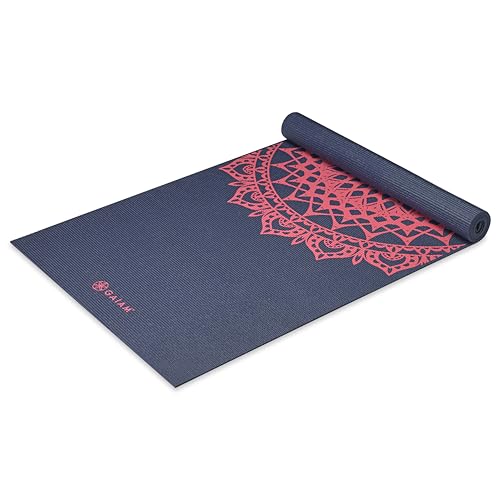
Gaiam Classic Print Yoga Mat
What We Like
- Lightweight at 2.1 pounds
- Sticky non-slip textured surface
- 6P-free PVC construction
- Includes free downloadable yoga class
Trade-offs
- 4mm thickness offers less joint cushioning
- Shorter length (68") than some alternatives
At 2.1 pounds, this mat is lightweight enough to carry easily in a gym bag or with its included strap. The textured non-slip surface provides traction during poses, helping you stay steady. It’s a practical choice for anyone who wants a basic mat for yoga or floor workouts, with enough cushioning for general use without being overly thick.
The 4mm thickness means less padding for joints compared to thicker mats, which may be noticeable during kneeling poses or floor work. If you need more cushion, the Gaiam Reversible at 6mm offers a thicker option. For those who prioritize portability and grip over plushness, this mat delivers a balanced combination of features.
Gaiam Reversible Yoga Mat

What We Like
- Reversible two-sided print for variety
- 6mm cushioning for joint comfort
- Non-toxic, 7P-free PVC construction
- Includes free bonus downloadable yoga class
Trade-offs
- At 68 inches, shorter than some 72" mats
- 3.1 pounds is heavier than lighter travel mats
A 6mm thickness gives you a noticeable layer of cushioning under your knees, wrists, and hips without making the mat feel like a squishy cloud that throws off your balance. That Goldilocks padding, paired with a textured non-slip surface on both sides, means you can flip it when one print starts feeling stale and still get the same reliable grip for downward dog or a sweaty flow. It’s a smart pick if you want variety in your practice without buying two mats. Just roll it over and the whole vibe changes, which honestly helps keep me motivated when my routine starts feeling like a rerun.
At 68 inches long, this mat is about five inches shorter than the Amazon Basics Extra Thick Yoga Mat. Taller folks or those who like wide-open sun salutations might find their toes or fingertips hanging off the ends. You also get a bit more heft at 3.1 pounds compared to the lighter 2.2-pound Amazon Basics, though that extra weight comes from the denser 6mm cushioning rather than fluff. If you’re looking for a reversible mat that doubles as a mood booster, this one fits the bill.
Amazon Basics Extra Thick Yoga Mat

What We Like
- Extra thick 0.5-inch cushioning for comfort
- Lightweight at only 2.2 pounds
- Textured grip surface for traction
- Includes elastic carrying strap for portability
Trade-offs
- Hand wash only; not machine washable
- NBR foam has a strong chemical smell when new.
Half an inch of NBR foam provides thick cushioning and shock absorption for yoga, gym workouts, and everyday exercises. At just 2.2 pounds, it’s light enough to carry with the included elastic strap to the park or gym. The textured surface helps keep the mat in place during workouts, offering traction for all fitness levels. For anyone starting yoga or mixing in bodyweight exercises at home, this mat gives forgiving support that helps keep you comfortable through longer sessions.
Product photos
Gruper Extra Thick Yoga Mat

What We Like
- Includes carry bag and strap
- Textured non-slip surface reduces sliding
- 72-inch length for taller users
Trade-offs
- 24-inch width narrow for wider stances
- Heavier than thinner travel mats
The trade-off is width: at 24 inches, this mat feels snug if you like a wide warrior stance or spread-eagle stretches. Compared to the Gaiam Reversible at 6mm, the Gruper offers about 1.7 times the padding, but the Gaiam’s width is the same 24 inches, so if you need more lateral room, you might look elsewhere. For a budget-friendly cushion that protects your joints and comes ready to carry, this is a solid companion for home practice.
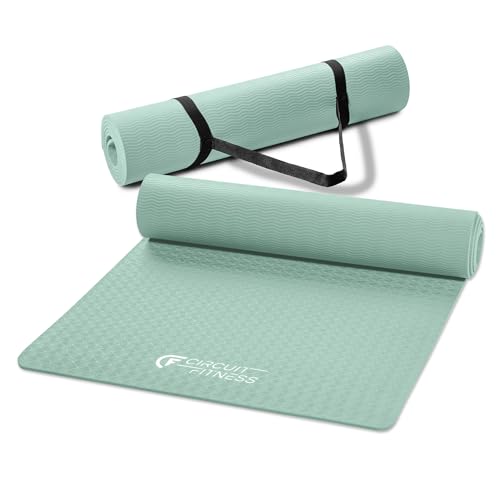
MARCY MAT-06-GREEN Yoga Mat
What We Like
- Weighs only 1.5 pounds
- Dual-sided textured traction
- Closed-cell TPE resists moisture
- Includes shoulder carry strap
Trade-offs
- 6mm padding is thinner than some alternatives
- Narrower 24-inch width limits side space
At 1.5 pounds with a carry strap, this Marcy mat is easy to transport. Its 74-inch length accommodates most users, and the dual-sided textured surface helps prevent shifting on hardwood, tile, or carpeted floors. The closed-cell TPE material resists sweat and moisture absorption and cleans up with a damp cloth. For anyone who needs a mat that is simple to carry and maintain, this is a practical option.
The 6mm thickness provides cushioning, but it is thinner than the Amazon Basics Extra Thick mat, which is 0.5 inches thick. On hard floors, the thinner padding may be less comfortable for some users. The 24-inch width is standard for yoga mats, but those who prefer more space may want a wider mat. For portability over plushness, this mat fits the need.
Product photos
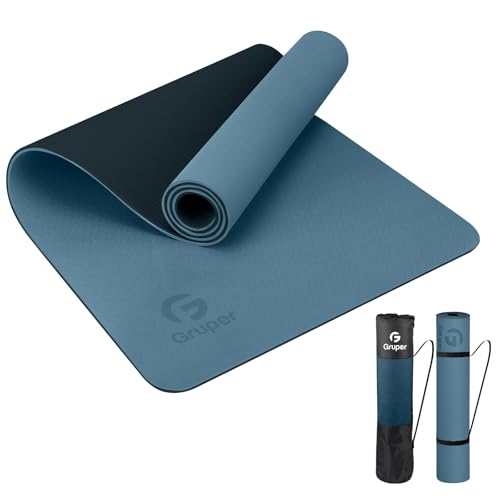
Gruper Eco Friendly Yoga Mat
What We Like
- Eco-friendly TPE material
- Non-slip texture on both sides
- Double-layer anti-tear construction
- Free carry strap and bag
Trade-offs
- 6mm thickness offers less cushioning for hard floors
- Not machine washable; requires hand cleaning
- Designed for barefoot use only
A 6mm TPE mat that weighs 2.6 pounds means you can roll it up, slip it into the included storage bag, and carry it to the studio without much effort. The double-layer anti-tear build and non-slip texture on both sides keep you planted during downward dog, while the eco-friendly material skips the PVC smell that some mats have. If you want something that feels stable, travels light, and doesn’t come with a guilty conscience, this is the one to grab.
6mm of cushioning won’t save your knees on concrete the way a thicker mat would, but it strikes a balance between portability and comfort for studio or carpet use. The Gruper’s eco-friendly material is safer and softer than traditional non-green PVC and EVA mats, according to the manufacturer. That trade-off makes sense for anyone who prioritizes sustainability and a secure grip over plush padding.
KEEP 7mm TPE Yoga Mat

What We Like
- Extra 7mm cushioning for joint relief
- Dual-grip non-slip top and bottom
- PVC-free, latex-free TPE material
- Includes carrying strap for portability
Trade-offs
- Too narrow for wider stances or poses.
- Requires a yoga towel for hot yoga grip.
A 7mm thickness, 30% more high-density cushioning than a standard 6mm mat, means your knees, elbows, and spine get noticeably better padding during planks or floor work. That extra layer makes this a smart pick if you’re sensitive on hard surfaces or spend a lot of time in kneeling poses. The dual-grip texture helps keep hands and feet planted on tile or carpet, and the closed-cell TPE resists sweat and odors, so cleanup is quick. For someone wanting cushioned support without the bulk of a thick foam mat, this balances portability and comfort nicely.
The KEEP yoga mat’s 7mm thickness provides 30% more cushioning than standard 6mm mats, which makes a real difference for knees and elbows during floor poses. At 24 inches wide, it’s standard for most flows, but if you tend to spread wide in warrior or side-angle poses, you might feel the edges. The non-slip leaf-pattern top and corrugated bottom keep it steady on wood or tile, and the included strap makes it easy to carry to the studio. It’s a practical choice for anyone who wants extra joint comfort without a heavy mat.
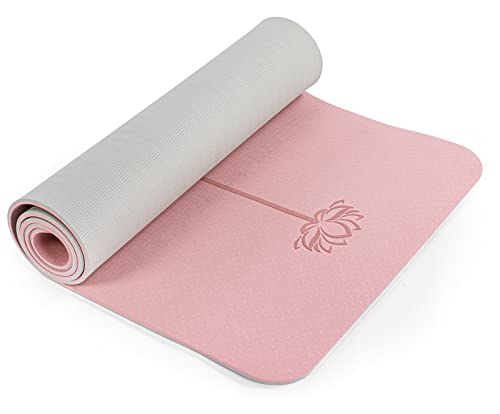
UMINEUX Non Slip Yoga Mat
What We Like
- Eco-friendly TPE material, no PVC
- Double-sided non-slip surfaces
- Includes free carry strap and bag
- Lightweight at 1.8 pounds
Trade-offs
- 1/4 inch thickness offers moderate cushioning
- Not suitable for shoe or pet use
- Hand wash only, no machine drying
At just 1.8 pounds and made from TPE instead of PVC, this mat is both lighter on your shoulders and kinder to the planet. The double-sided non-slip design keeps you stable during practice, and the included carry strap and storage bag mean you can toss it in your gym bag without buying extras. If you are looking for an everyday home mat that won’t off-gas that harsh chemical smell and still gives you reliable grip, this is a smart, sustainable pick.
The trade-off is that 6mm of cushioning sits right in the middle, enough for most floor work and standing poses, but not as plush as thicker mats if your knees or wrists need extra padding. And because TPE is softer than PVC, the care instructions ask you to hand wash and dry flat, so it’s not a set-and-forget mat. Still, for someone who values eco-friendly materials and a lightweight carry, this mat hits a sweet spot that heavier mats can’t match.
Product photos
Retrospec Solana Extra Thick Yoga Mat

What We Like
- 1-inch thick cushion for joints
- Non-slip surface for stability
- Includes nylon carrying strap
- BPA and latex free
Trade-offs
- At 24 inches wide, less roomy for broad stances
- Heavier than thinner mats at 2.2 pounds
A full inch of cushioning means your knees, hips, and wrists get serious relief during floor poses or long stretching sessions. That padding is thicker than many standard mats, so if hard floors leave you sore, this mat softens every press and kneel without sacrificing stability. The non-slip material helps keep you steady during practice, and it’s BPA and latex free.
The Solana’s 1-inch thickness provides substantial cushioning for joints and pressure points, but the 24-inch width can feel snug if you prefer a wider stance in warrior or lunge poses. At 2.2 pounds it’s not the lightest mat to sling over your shoulder, though it comes with a nylon carrying strap for transport. Compared to the Gaiam Classic Print at 4mm, the Solana gives you far more padding with a similar weight and strap. That makes it a good choice for home practice where you want a forgiving surface for sensitive joints.
Product photos
Manduka eKO Superlite Travel Yoga Mat

What We Like
- Ultra-light 2-pound foldable design
- Textured orange peel grip for traction
- Closed-cell surface locks out moisture
- Made from sustainably harvested natural rubber
Trade-offs
- 1.5mm thickness offers minimal cushioning
- Narrower 24-inch width limits side space
- Requires special cleaner; avoid soap and sun
At 2 pounds and 1.5mm thick, this mat folds up for easy packing in a bag or suitcase. That portability is its main draw: you can take a reliable practice surface anywhere without the bulk of a standard mat. The textured orange peel surface from natural tree rubber provides grip, and the closed-cell surface locks out moisture, which helps keep it clean between uses. It is designed for yogis who prioritize travel ease over cushioning.
The trade-off is clear: that 1.5mm thickness offers minimal padding, so on hard floors you will feel the ground beneath you. Compared to the Gaiam Classic Print at 4mm, this Manduka asks you to trade cushion for compactness. It also measures 24 inches wide, which may feel narrow for some practitioners during wide stances. For the traveler who values a lightweight, packable grip over thick padding, this mat makes that trade-off worthwhile.
Product photos
How We Evaluated Budget-Friendly Yoga Mats
This evaluation combined manufacturer specifications, material composition data, expert round-ups, and consistent patterns from owner feedback. We cross-referenced what owners report about durability, grip, and real-world performance against the technical claims each brand makes. This research-led approach helps you avoid common surprises, like a mat that slides on hardwood or smells strongly out of the package.
We focused on four criteria that matter most in this price range. Grip and texture came first, because a mat that slides during downward dog is unsafe regardless of price. Cushioning and thickness followed, since joint comfort varies hugely between a 1.5mm travel mat and a half-inch thick floor mat. Material and durability mattered next. PVC mats last longer than TPE but are less eco-friendly. Finally, weight and portability affected the rankings because a heavy mat you leave at home is not useful.
The honest limit of a research-led evaluation is that we cannot speak to how each mat feels in a hot yoga class after six months of use. What we can do is highlight the patterns: which materials hold up, which thicknesses suit which body types, and which mats have the most consistent owner satisfaction. Use this as a starting point, then choose based on your specific practice.
What To Look For In Budget-Friendly Yoga Mats
Finding the right mat on a budget means knowing which trade-offs matter for your body and practice. Here is what to look for.
Focus on thickness, material, grip, and weight. Thicker mats (6mm+) cushion joints; thinner mats (1.5-4mm) travel well. PVC lasts longest; TPE is eco-friendly but wears faster. Non-slip texture matters more than brand claims. Weight determines whether you will actually carry it to class.
Thickness and Cushioning
Mat thickness directly affects joint comfort and balance. The standard 4mm to 6mm range works for most mixed practices. Thicker mats at 10mm to 1 inch, like the Retrospec Solana Extra Thick Yoga Mat, protect knees and wrists during floor poses but make standing balance poses feel less stable. Thinner mats under 4mm give you better ground connection for balancing but offer minimal padding for bony joints on hard floors.
Material and Durability
PVC is the most common material in this price range and offers the best durability and grip. The Gaiam mats use 6P-free PVC, which avoids several common phthalates. TPE mats, like the Gruper Eco Friendly Yoga Mat and UMINEUX Non Slip Yoga Mat, are more eco-friendly and lighter but tend to wear out faster than PVC. NBR foam, used in the Amazon Basics Extra Thick Yoga Mat, provides plush cushioning but can have a strong chemical smell when new.
Grip and Texture
A mat’s grip comes from its surface texture and material composition, not from marketing claims. Closed-cell surfaces resist moisture and clean easily. Open-cell surfaces absorb sweat for better grip during hot yoga but require more frequent cleaning. The textured surfaces on the Gaiam Classic Print and Manduka eKO Superlite provide reliable traction without needing a towel for most practices.
Weight and Portability
- Check the weight if you plan to carry the mat to a studio or park. The MARCY MAT-06-GREEN weighs only 1.5 pounds, while thicker mats approach 3 pounds or more.
- Look for included carry straps or bags. Several mats on this list come with a strap or bag, which simplifies transport.
- Foldable mats like the Manduka eKO Superlite pack smaller than rolled mats but may not lie completely flat at first.
- Consider your commute method. A 2.1-pound mat is easy for a short walk; a heavier mat works better for car transport.
A good rule: the mat you will actually carry to class is better than the one you leave at home.
Budget-Friendly Yoga Mats Compared
The table below compares these yoga mats side by side, so you can see thickness, weight, material, and key features at a glance.
| Product | Thickness | Weight | Material | Dimensions |
|---|---|---|---|---|
| Gaiam Classic Print Yoga Mat | 4mm | 2.1 pounds | PVC (6P-free) | 68"x24" |
| Gaiam Reversible Yoga Mat | 6mm | 3.1 pounds | PVC (7P free) | 68"x24" |
| Amazon Basics Extra Thick Yoga Mat | 0.5 inches | 2.2 pounds | NBR foam | 73.2 x 24.3 inches |
| Gruper Extra Thick Yoga Mat | 0.4 inches (10mm) | 1.8 pounds | NBR foam | 72 x 24 inches |
| MARCY MAT-06-GREEN Yoga Mat | 6mm (1/4 in.) | 1.5 lbs | Closed-cell TPE | 74 in. x 24 in. |
| Gruper Eco Friendly Yoga Mat | 6mm (0.24 in) | 1.7 lb | TPE (eco-friendly) | 72 x 24 in |
| KEEP 7mm TPE Yoga Mat | 7mm | 2.55 lbs | TPE (PVC-free) | 72" x 24" |
| UMINEUX Non Slip Yoga Mat | 1/4 inch (6mm) | 1.8 pounds | TPE | 72"x24" |
| Retrospec Solana Extra Thick Yoga Mat | 1 inch | 2.2 pounds | BPA-free, latex-free | 72"x24" |
| Manduka eKO Superlite Travel Yoga Mat | 1.5mm | 2.0 pounds | Natural tree rubber | 71 x 24 inches |
Frequently Asked Questions
What thickness yoga mat is best for beginners?
A mat between 6mm and 10mm thick offers the best balance of joint cushioning and stability for beginners. The Amazon Basics Extra Thick Yoga Mat at half an inch and the Gruper Extra Thick Yoga Mat at 6mm both provide forgiving support for knees and wrists while you learn foundational poses.
How do I clean a budget-friendly yoga mat?
Most mats in this price range require hand washing with mild soap and water, then air drying. Avoid machine washing unless the manufacturer explicitly allows it. The Amazon Basics Extra Thick Yoga Mat specifies hand wash only, while the closed-cell TPE mats like the MARCY MAT-06-GREEN resist moisture and wipe clean more easily.
What is the difference between PVC and TPE yoga mats?
PVC mats are more durable, offer better grip, and last longer, but they are less eco-friendly. TPE mats are lighter, recyclable, and free of PVC and latex, but they tend to wear out faster and may feel less grippy over time. The Gaiam Classic Print uses PVC, while the Gruper Eco Friendly and UMINEUX mats use TPE.
Can I use a budget-friendly yoga mat for hot yoga?
Yes, but you may need a yoga towel on top for sweat absorption. The KEEP 7mm TPE Yoga Mat specifically recommends a towel for hot yoga grip. Closed-cell mats like the Manduka eKO Superlite lock out moisture and clean easily, making them better choices for sweaty practices than open-cell mats.
How long should a budget-friendly yoga mat last?
With regular use, a PVC mat in this price range typically lasts one to two years before the surface begins to wear or lose grip. TPE mats may show wear sooner, around six months to a year. Proper cleaning and storing the mat away from direct sunlight extends its life.
The Bottom Line
The Gaiam Classic Print Yoga Mat is our Best Overall pick because it combines a lightweight 2.1-pound build with a sticky non-slip surface and a free downloadable yoga class. It also comes at a price that leaves room for other gear. It suits mixed practice and easy transport, but if your joints need more padding, the Gaiam Reversible Yoga Mat offers 6mm cushioning with a reversible two-sided print. Or the Amazon Basics Extra Thick Yoga Mat delivers half-inch cushioning for beginners on a tight budget.
For travelers, the MARCY MAT-06-GREEN at 1.5 pounds and the Manduka eKO Superlite at 2 pounds are purpose-built for portability. Eco-conscious yogis should look at the Gruper Eco Friendly Yoga Mat or the UMINEUX Non Slip Yoga Mat, both made from TPE. Taller practitioners will appreciate the 72-inch length of the Gruper Extra Thick Yoga Mat.
The single most important factor is thickness. Match the mat’s cushioning to your practice surface and joint sensitivity, and you will be happy with your choice.
