
Low Carb vs High Carb for Lifting: Which Wins?
This post contains affiliate links. As an Amazon Associate, we earn from qualifying purchases.
Low carb vs high carb for lifting splits on your goal. A systematic review of 19 studies found no strong evidence that low-carbohydrate diets improve athletic performance, and low carb may even hurt some aerobic and anaerobic measures. Carbs still fuel hard, repeated sets. Low carb has one real use: short-term weight making.
Glycogen is the stored carbohydrate your muscles burn through heavy sets, and it refills from the plate. Trim carbs far enough and the last two reps of your third set start feeling heavier than the number on the bar suggests.
What follows: what the pooled research actually found, where low carb earns its place, where it backfires, and a simple way to build the plate either way.
Key Takeaways
- No strong evidence of a performance boost from low-carb diets across 19 pooled studies, and some performance measures got worse.
- Weight making is the one clear win. Greene et al. 2018 found body mass dropped in powerlifting and Olympic weightlifting athletes without performance being compromised, while Wroble et al. 2019 found a low-carbohydrate ketogenic diet impaired anaerobic exercise performance in exercise-trained women and men.
- Anaerobic output suffers first. Wroble et al. 2019 found impaired anaerobic performance in trained men and women on a ketogenic diet.
- Protein and total calories still decide most of your result, whichever carb level you pick.
- Set an end date on any low-carb block. Open-ended restriction plus heavy volume is the combination that stalls people.
Low Carb vs High Carb for Lifting: What 19 Studies Found
Nineteen studies went into one systematic review, and the verdict was flat: no strong evidence that low-carbohydrate diets improve athletic performance.
A systematic review pooling 19 studies on low-carbohydrate diets and athletic performance found no strong evidence of benefit. The review reported that low-carbohydrate diets may negatively affect some measures of aerobic and anaerobic performance, and noted that athletes remain hesitant to restrict carbohydrate despite the diet’s popularity for ketosis and insulin sensitivity.
That review is the widest net anyone has cast here, and it’s why I treat low carb as a bodyweight tool rather than a performance tool. muscle glycogen is what your hard sets actually burn, and nothing in the pooled data suggests a low-carb plate tops it up better.
Where the argument gets interesting is fuel switching. Your body can lean on fat as fuel source at low intensities, and low-carb athletes do adapt to that. Whether the adaptation helps a heavy triple is a different question.
Burke et al. 2017 tested it in elite race walkers. A ketogenic low-carb, high-fat diet impaired exercise economy and cancelled out the performance gain from intensified training. The same group reproduced the result in 2020.
Then Prins et al. 2019 found the opposite in recreational 5-km runners. High fat oxidation from a low-carb, high-fat diet didn’t hurt their performance at all.
Different athletes, different event, different answer. The evidence genuinely points both ways on endurance, and anyone who tells you it’s settled is selling something.
Where Low Carb Genuinely Wins: Making Weight
Making weight is the one job low carb does cleanly.
Greene et al. 2018 ran a low-carbohydrate ketogenic diet in powerlifting and Olympic weightlifting athletes and found body mass dropped without performance being compromised. That’s a narrow claim. It’s also the one the data supports.
Why the Weight-Class Case Holds Up
A chunk of the early scale movement is water riding along with stored glycogen. That’s why the first week looks dramatic and the third week doesn’t.
For a lifter with a weigh-in on the calendar, that’s useful. You drop mass, you keep your maxes, you make the class.
The catch is what happens next. Wroble et al. 2019 found a low-carbohydrate ketogenic diet impaired anaerobic exercise performance in trained men and women. Anaerobic means your heavy sets, your sprints, your explosive work. That’s most of what a lifter does.
Short blocks behave differently from long ones.
I’d only run a low-carb block with an end date on it. Weight class on the calendar, cut for a few weeks, then get carbohydrate back in. Open-ended keto plus heavy volume is where I’ve watched people stall for months.
Running keto for lifting properly means planning the exit, not just the entry.
Where Low Carb Backfires: Power, Volume, and the Last Reps
Third set of squats, second week of cutting carbs. The bar hasn’t gotten heavier, but it moves like it’s dragging through sand.
I’ve had that conversation more times than I can count. Someone trims carbs hard, gets dizzy halfway through a session, and decides the program is too much. The program didn’t change. The plate did.
The Day-Three Tell
That lag is why people think they’re fine and then get ambushed mid-week.
Wroble et al. 2019 is the cleanest evidence here: impaired anaerobic performance on a ketogenic diet in exercise-trained men and women.
Terink et al. 2021 ran a two-week crossover in recreational athletes. The low-carb, high-fat arm blunted the exercise-induced cortisol response. It did not rescue the drop in exercise capacity.
So you get a calmer stress response and less capacity. Not the trade most lifters are shopping for.
Here’s what it looks like on the gym floor:
- Bar speed falls off a cliff on sets you used to own.
- You’re cold in a gym that isn’t cold.
- A dull headache sits behind your eyes by mid-afternoon.
- Warm-up weights feel like working weights.
Where this goes sideways: Cutting carbs and adding training volume in the same week. You lose the ability to tell which change caused the problem, and you’ll blame the program.
Does Low Carb Hurt Strength if Protein Stays High?
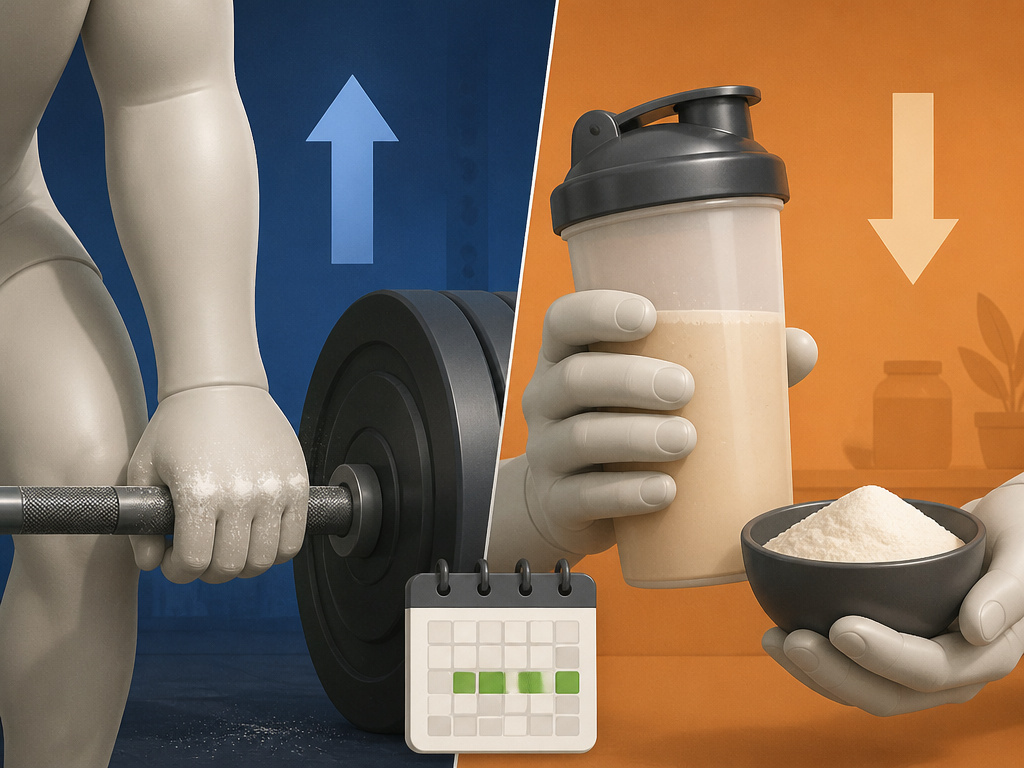
Sometimes. The split comes down to how long you run it and what you’re measuring.
The low carb vs high carb for lifting argument gets loudest around strength, and that’s exactly where the data is thinnest. The long-duration trial is the one that should make you pause. Long blocks are where low carb gets exposed.
What the Conflicting Trials Actually Show
Greene et al. 2018 found performance held in weight-class lifters. Wroble et al. 2019 found anaerobic performance dropped. Both are real studies with real subjects. The populations differ, the testing differs, and the durations differ.
Protein is the variable people forget. Antonio et al. 2015 showed a high-protein intake combined with heavy resistance training improved body composition in trained men and women. Whatever you do with carbohydrate, protein stays high.
Read that twice. The result flipped depending on the model.
Rule of thumb: if you’re going low carb for a cut, keep protein high and keep the block short. Long, deep, and under-fed is the combination that costs you strength.
If you need to hit a protein target without dragging carbohydrate along, a low carb protein powder does the job.
What Does a High-Carb Training Day Actually Look Like?
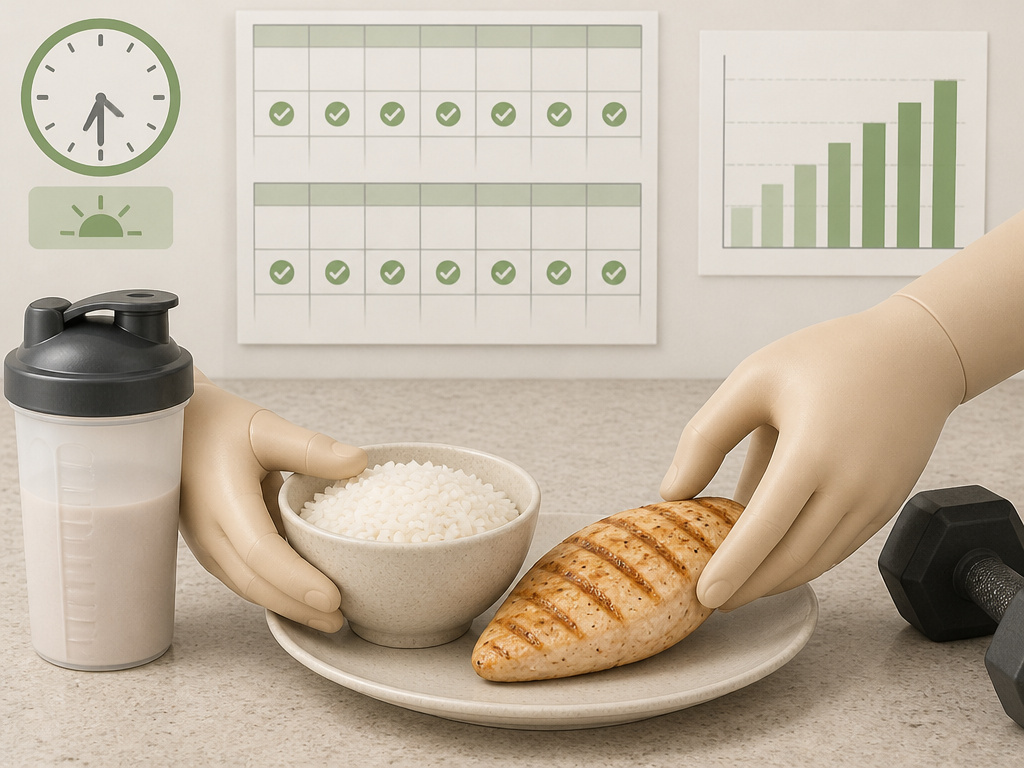
Three levers: how much carbohydrate, when you eat it, and what sits next to it on the plate.
Get the amount roughly right and the rest is detail. Here’s the order I’d work in:
- Set a carb level and hold it for two weeks. Changing it every few days means you never learn how your body responds, and you’ll chase noise instead of signal.
- Put most of it around training. pre-workout carbs an hour or two out, then intra-workout carbs if the session runs long.
- Keep protein and total calories steady. Change one variable at a time or you can’t attribute the result to anything.
- Track performance, not just bodyweight. Note your top set and your rep counts. The scale moves for reasons that have nothing to do with muscle.
For fast-digesting options, dextrose and maltodextrin are the plainest tools in the cupboard. They’re simple, easy to time, and hard to overthink.
A morning session is where this matters most. If you feel flat and weak at 7 a.m., a small carb-and-protein snack beforehand is the cheapest fix on this page.
The Middle Path That Fits Most Lifters

Moderate carbohydrate at most meals is where I’d put almost everyone who lifts, walks, and isn’t making weight for a sport.
Build the plate around food you already eat. Oats in the morning, rice with dinner, potatoes, fruit. Then adjust portions by energy and hunger rather than by a rule someone posted.
That’s the whole method. Honestly? Boring works. It survives a bad week, which is more than most plans manage.
Lean toward carbs to gain muscle if size is the goal, and spread them across the day if it isn’t.
Two things I’d skip. Carb cycling adds complexity that rarely matters for someone still learning the basics. And if you’re stacking intermittent fasting and lifting, check that your eating window actually covers your training window before you blame the diet.
A food-tracking app is what I’d use to check a week of intake. Not forever. Just long enough to see whether your “moderate” is actually moderate.
Then watch for the tells:
| What you notice | Likely cause | First fix |
|---|---|---|
| Bar speed drops on set three | Low muscle glycogen | Add a carb serving before training |
| Dizzy or lightheaded mid-session | Under-fuelled overall | Eat a carb-and-protein snack pre-session |
| Flat mood, poor sleep | Cut too aggressive | Put carbs back at two meals |
| Strength falling week over week | Block has run too long | End it and refeed |
Two of those rows are fixable in a day. The bottom one means the whole experiment is done.
Frequently Asked Questions
Is low carb or high carb better for building muscle?
Neither one builds muscle by itself. Total calories and protein do most of the work, and Antonio et al. 2015 showed a high-protein intake paired with heavy resistance training improved body composition. Carbohydrate’s job is fuelling the training that triggers growth.
Can you lift heavy on a ketogenic diet?
Some lifters can, at least for a while. Greene et al. 2018 found body mass dropped without performance being compromised in weight-class athletes, while Wroble et al. Wroble et al. 2019 found anaerobic performance impaired in a different group. Expect it to be individual, and expect the block to have a shelf life.
Why do I feel weak when I cut carbs?
Glycogen is your first fuel for hard sets, and cutting carbohydrate lowers what’s stored. If it’s still there after two weeks, the cut is deeper than your training can absorb.
Does low carb help you lose fat without losing strength?
It can help you lose body mass, which isn’t the same thing. Greene et al. 2018 supports the weight-making use, while Wroble et al. 2019 found a low-carbohydrate ketogenic diet impaired anaerobic exercise performance. Duration and protein intake decide which outcome you get.
Should I try carb cycling?
I wouldn’t, unless you’ve already run a steady carb level for a few months and know how you respond. Carb cycling adds complexity that rarely matters for someone still learning the basics.
The Bottom Line
Here’s the threshold I’d give you: if your top set drops for two straight weeks on low carb, the diet is costing you more than it’s giving back. End the block, refeed, and come back to it later with a date on the calendar.
Treat low carb vs high carb for lifting as a scheduling decision. Making weight in eight weeks? Go low, keep protein high, plan the exit. Chasing a strength block? Keep carbohydrate in and eat most of it around training.
The middle path covers everyone else, and it’s the one people actually stick to. Oats, rice, potatoes, fruit, portions adjusted by how you feel and how you’re performing.
Today, just log one session. Top set, reps, and what you ate two hours before. That single line will tell you more than another article will.
