
10 Best Home Gym Flooring in 2026
This post contains affiliate links. As an Amazon Associate, we earn from qualifying purchases.
The SUPERJARE Rubber Top Gym Flooring wins as best overall for its dual-layer rubber and foam build that grips equipment, absorbs shock, and locks together without tools. For extra cushion under heavy racks, the SUPERJARE Extra-Thick Exercise Equipment Mats deliver, while the ProsourceFit Exercise Puzzle Mat offers the best value for covering large areas.
Setting up a home gym means protecting both your floor and your joints. The wrong surface lets weights dent subflooring, machines vibrate through the room, and sweat stains set in permanently. You need something that stays put, cleans easily, and handles whatever you drop on it.
We built this guide by comparing manufacturer specs, studying expert round-ups, and reading patterns in owner feedback across dozens of flooring products. The result is a focused look at ten mats and tiles that suit different budgets, spaces, and workout styles.
Top 10 Home Gym Flooring in the Market

Certain content that appears on this site comes from Amazon. This content is provided "as is" and is subject to change or removal at any time.
The Best Home Gym Flooring, Reviewed
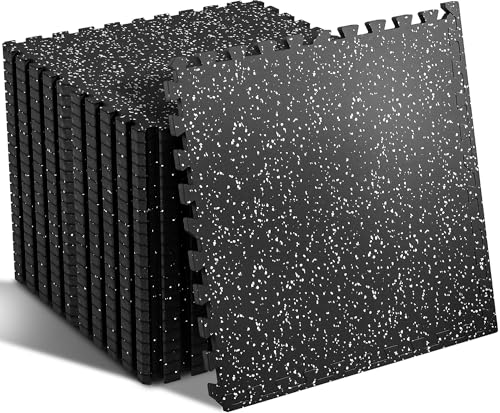
SUPERJARE Rubber Top Gym Flooring
What We Like
- Dual-layer rubber and foam construction
- Ultra-grip surface reduces slipping
- Quiet shock absorption for noise reduction
- Interlocking edges for easy assembly
Trade-offs
- At 0.56 in, less cushioning than thicker mats
- 2.5 lb per tile is light for heavy-duty setups
A 0.56-inch dual-layer design with a sturdy EPDM rubber top and high-density EVA foam base means this flooring can handle heavy exercise equipment without tearing easily, according to the manufacturer. The ultra-grip rubber surface provides superior floor traction to prevent slipping, while the soft foam layer offers shock absorption that reduces noise and vibrations during workouts. This mat protects floors from scratches and impact, making it suitable for lifting weights, using treadmills, or other aerobic equipment. It covers 48 square feet with 12 interlocking tiles that include detachable borders for a neat shape.
At 0.56 inches thick, this mat provides less cushioning than the 0.79-inch SUPERJARE Extra-Thick mats, so if you regularly drop heavy deadlifts from lockout height, you may want the extra padding. The thinner profile makes the tiles lighter and easier to move when you rearrange your space. The dual-layer design combines a high-density EVA foam base with a sturdy EPDM rubber top, which can bear heavy exercise equipment and resist tearing from weight or vigorous movements.
SUPERJARE Extra-Thick Exercise Equipment Mats

What We Like
- Extra-thick 0.79-inch cushion for heavy gear
- EPDM rubber top grips and resists tearing
- Detachable borders allow custom layouts
- Reduced rubber odor in new upgrade
Trade-offs
- Heavier than standard 0.5-inch foam mats
- Not suitable for very small spaces under 48 sq ft
At 0.79 inches thick, this mat is built for the person who drops a loaded barbell or parks a treadmill on a garage floor without cringing. The EPDM rubber top grips your equipment and your shoes, while the dense EVA foam base soaks up shock and quiets the thud. That extra thickness also means the tiles stay flat under heavy weight, so you won’t feel the concrete or hardwood beneath. It’s a straightforward upgrade for anyone who wants their home gym floor to feel as solid as a commercial studio.
The trade-off is heft: these tiles are heavier than the typical half-inch foam mats, so rearranging your setup takes a little more effort. And while the interlocking edges with detachable borders make it easy to fit odd-shaped rooms, the borders are removable for custom layouts. Pick this one when durability and shock absorption matter more than quick reconfigurations.
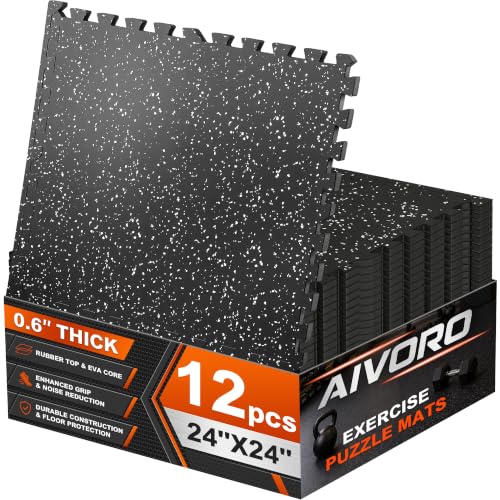
AIVORO Interlocking Rubber Gym Floor Tiles
What We Like
- Water-resistant surface wipes clean
- Dual-layer cushion for joint comfort
- Secure interlocking edges limit shifting
- Supports heavy equipment placement
Trade-offs
- 0.6 in thickness less forgiving for heavy drops
- Not suited for dropping heavy barbells or Olympic lifts
A 0.6-inch dual-layer tile with a recycled rubber top bonded to high-density EVA foam gives you a surface that handles sweat, spills, and post-workout wipe-downs without soaking in. That water-resistant top is the key difference here: you can mop up a water bottle spill or pat down after a HIIT session without worrying about the foam base absorbing moisture and turning funky. It also means the textured rubber stays grippy when damp, so your feet won’t slide during burpees or lunges. For anyone setting up a home gym in a basement, garage, or spare room where humidity or light moisture is a reality, this tile keeps things cleaner longer than standard foam mats.
The 0.6-inch thickness provides a moderate cushion that works well for yoga, stretching, and bodyweight moves. For heavier equipment like treadmills or weight benches, the dual-layer construction helps protect the floor beneath, but if you plan to drop very heavy weights repeatedly, you may want to consider a thicker mat. The EVA foam base and rubber top are designed for steady workouts and normal equipment placement, not extreme impacts.
Product photos
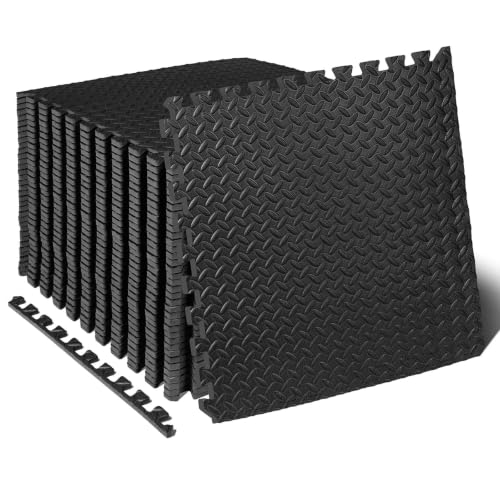
ProsourceFit Exercise Puzzle Mat
What We Like
- Covers 144 sq ft with 36 tiles
- Non-toxic, phthalate-free EVA foam
- Easy interlocking assembly and storage
- Water-resistant and noise-reducing
Trade-offs
- 0.5-inch foam compresses slightly under heavy equipment
- Best results only on flat, hard surfaces
- Color and texture vary by production batch
This set covers 144 square feet with 36 tiles, each 24 by 24 inches and half an inch thick, so it can floor a large home gym space without needing extra packs. The high-density EVA foam provides cushioning and support, and the interlocking tiles with edge borders create a finished look. For someone outfitting a big area on a practical budget, this kind of coverage turns a bare floor into a comfortable workout zone quickly.
The ProsourceFit Exercise Puzzle Mat’s EVA foam can compress slightly under heavy objects, leaving minor surface dips over time, so it’s best suited for lighter use rather than a heavy weightlifting setup. The foam is a high-density EVA foam alternative to rubber gym mats, and it contains no toxic phthalates. Reviewers note that for heavy equipment, a thicker or rubber-topped mat may be a better fit.
Product photos
CAP Barbell Interlocking EVA Foam Mat

What We Like
- Interlocking design for easy assembly
- Non-slip surface enhances workout safety
- Protects floors and reduces noise
- Easy to clean with warm water and soap
Trade-offs
- At 0.5 inches, less cushioning for heavy drops
- Not thick enough to dampen noise from dropped weights
A half-inch of high-density EVA foam means this mat softens bodyweight moves and light dumbbell work without turning your floor into a trampoline. The interlocking puzzle edges let you snap together a custom-sized zone in minutes, and the non-slip surface keeps your feet planted during lunges or yoga flows. It cleans up with just warm water and dish soap, so you can roll it out, sweat, and wipe it down without fuss. For someone building a first home gym on a budget, this is the practical starting point that protects your floor and your joints without overcomplicating things.
At half an inch thick, this mat won’t absorb the shock of dropped barbells or heavy kettlebells the way thicker mats like the SUPERJARE Extra-Thick at 0.79 inches will. But if your workouts stay in the bodyweight-to-moderate dumbbell range, this mat delivers exactly what you need at a price that leaves room for the rest of your setup.
Product photos
AIRHOP Rubber Top Exercise Equipment Mats

What We Like
- Dual-layer rubber and EVA foam construction
- Interlocking locks prevent shifting during use
- Waterproof surface for easy cleaning
Trade-offs
- At 29 lb, the set is heavy to move around
- 0.56-inch thickness offers less cushion than thicker mats
At 48 square feet from twelve interlocking tiles, you get a stable platform for a squat rack, bench, or treadmill setup. The waterproof top cleans up fast with a damp cloth, which matters when sweat and chalk start building up.
At 0.56 inches thick, these mats provide moderate shock absorption for most weight training and cardio, but they are not designed for dropping barbells from overhead or heavy deadlifts. The 29-pound total weight makes the set substantial, so rearranging your gym layout requires some effort. For most heavy lifting and equipment protection, this dual-layer design delivers the stability needed without floor damage.
Product photos
AIRHOP 0.79in Thick Rubber Top Mats

What We Like
- Dual-layer rubber top and EVA foam
- Non-slip textured surface for heavy gear
- Interlocking locks prevent shifting during use
- Waterproof and easy to clean
Trade-offs
- 31.7 lbs total weight limits portability
- Heavy 31.7 lbs makes solo setup difficult
This AIRHOP set measures 0.79 inches thick with a textured rubber top fused to high-density EVA foam. That gives you a surface that stays put under heavy machinery and won’t slide when you’re dropping dumbbells or slamming medicine balls. The interlocking locks are designed to keep tiles from separating during use, which helps protect both your gear and the subfloor without needing a contractor.
At 31.7 pounds for the full set, these tiles are not for someone who wants to rearrange their gym layout weekly. The SUPERJARE 0.56-inch option is lighter, but it also gives up thickness. For a permanent home gym setup where heavy weights will be dropped, this AIRHOP mat stays put and absorbs impact without shifting.
Product photos
ProsourceFit Extra Thick Exercise Puzzle Mat

What We Like
- 1-inch thick EVA foam cushioning
- Non-toxic, phthalate-free construction
- Non-skid textured surface for traction
- Includes 12 end borders for finished look
Trade-offs
- Only 24 sq ft coverage per pack
- No rubber top layer for heavy-duty protection
At a full inch thick, this mat delivers noticeably more cushion than the half-inch or even three-quarter-inch foam tiles you’ll see elsewhere. That extra padding means you can drop a dumbbell, kneel for core work, or stand for long sessions without your joints feeling every hard floor beneath. The high-density EVA foam absorbs impact well, and the non-skid textured surface keeps you stable during dynamic moves. It’s a smart fit if your home gym centers on bodyweight training, yoga, stretching, or light to moderate dumbbell work, where comfort matters more than protecting the floor from heavy barbell drops.
Foam this soft isn’t built for extreme loads. Also, the 24-square-foot pack covers a modest area, enough for a small workout zone but not a full weightlifting platform. For anyone wanting a forgiving, joint-friendly surface for everyday movement without spending on premium rubber, this is the cushioned choice that delivers exactly what its thickness promises.
Product photos
CAP 24-Inch Interlocking EVA Foam Mat

What We Like
- Extra-thick 3/4-inch EVA foam cushioning
- Shock-absorbing for joint and floor protection
- Non-slip diamond texture adds traction
- Finished edges with included strips
Trade-offs
- Not as durable as rubber-top alternatives
A full 3/4-inch of EVA foam provides firm cushioning that absorbs shock from bodyweight moves and burpees, so your knees and elbows get real forgiveness during floor work. That extra thickness also muffles impact noise and protects hardwood or tile underneath, making it a smart pick for apartment gyms or shared spaces. The diamond-textured surface adds grip for yoga flows or HIIT circuits, and the finished edges keep the whole setup looking tidy.
Pure foam isn’t as tough under heavy iron. If you’re parking a squat rack or dropping heavy deadlifts, the SUPERJARE Rubber Top Gym Flooring’s rubber surface may resist dents and wear longer. But for bodyweight training, light dumbbell work, or a kid-friendly play-and-exercise zone, this CAP mat delivers plush coverage that’s easy on joints and easy on your floors, without the hard feel of rubber.
Product photos
Baselayer Performance Series Interlocking Floor Tiles
What We Like
- No odor from TPE material
- Firm density for heavy weights
- Precision interlocking tabs reduce gaps
- Cord management channels underneath
Trade-offs
- Edges and corners sold separately
- ½ in thickness offers less cushion than thicker mats
- Covers only 30 sq ft per pack
Half-inch thick TPE tiles that skip the chemical smell of traditional rubber, that’s the headline here. Baselayer uses injection-molded thermoplastic elastomer to give you a dense, stable surface that holds up under barbells and dumbbells without off-gassing in your living room. The interlocking tabs fit snugly, so you won’t trip over shifting seams during deadlifts, and the built-in cord channels keep charging cables tucked away. If you’re setting up a home gym in a shared space and hate the idea of a rubbery odor lingering for weeks, this is the clean-breathing option that still handles heavy loads.
Coverage and thickness are the trade-offs here. At 30 square feet per pack, covering a larger area will require multiple packs. The half-inch height is firmer than thicker foam mats, which means less cushioning underfoot but also a more stable platform for heavy equipment. For someone who prioritizes a stable, odor-free floor over deep padding, this TPE tile delivers exactly what it promises: no smell, no fuss, just a solid foundation.
How We Evaluated Home Gym Flooring
We started with the technical specs that matter most: thickness, material composition, surface texture, and tile size. Manufacturer data told us which products use virgin rubber versus recycled blends, and which foams meet non-toxic certifications. Expert round-ups from fitness publications helped us separate genuine durability claims from marketing language.
Three criteria drove every ranking. Thickness and density determine whether a mat absorbs barbell drops or lets impact travel through to the floor. Surface grip matters for sprints, burpees, and heavy deadlifts where a sliding mat is dangerous. Coverage and assembly decides whether you finish in an hour or fight with curling edges and mismatched tiles for a weekend.
This is a research-led evaluation, not a lab test. We haven’t dropped weights or run drills on these mats ourselves. What we offer is a clear picture of what each product promises, how owners say it performs, and where the trade-offs live so you can match a floor to your actual routine. For a deeper look at all the choices, our comprehensive gym flooring guide breaks down the full category.
What To Look For In Home Gym Flooring
The right floor depends on what you do on it. A yoga mat is fine for stretching; it fails under a squat rack. Start with your heaviest activity and work backward.
Choose flooring based on your heaviest activity: rubber-top mats for weights and machines, foam tiles for bodyweight and yoga. Thickness between 0.5 and 1 inch covers most needs. Interlocking edges simplify installation but must stay flush under load.
Material and Durability
Rubber tops (EPDM or recycled rubber) resist tearing, hold up under heavy equipment, and provide the most traction. EVA foam is lighter and cheaper but compresses over time under stationary bikes or weight benches. TPE (thermoplastic elastomer) offers a middle ground with no rubber odor, though it costs more per square foot. For heavy lifting, rubber flooring is the standard choice for a reason.
Thickness and Cushioning
Half an inch protects subflooring from most bodyweight and light dumbbell work. Three-quarter-inch to one-inch mats absorb impact from deadlifts and dropped kettlebells. Thicker foam feels better for floor exercises but lacks the puncture resistance of rubber. If you plan to install gym flooring over carpet, a thicker mat helps smooth out the soft, uneven surface underneath.
Surface Texture and Slip Resistance
A smooth surface is easier to clean but gets slick with sweat. Diamond, pebble, or ribbed textures provide grip for dynamic movements without being abrasive on bare feet. Check that the texture runs through the full tile, not just a top coating that wears off. For spaces prone to moisture, look for waterproof layers and sealed edges that prevent liquid from seeping between tiles.
Installation and Layout
- Measure your space and add 10 percent for cutting waste
- Check whether border strips are included or sold separately
- Confirm interlocking tabs are tight enough to resist separation during lateral movements
- Consider total pack weight if you plan to rearrange or move the floor later
A single pack rarely covers an entire garage gym. Buy enough at once to avoid color variation between production batches.
Home Gym Flooring Compared
The table below compares each pick by thickness, material, coverage, and best use so you can see the differences at a glance.
| Product | Thickness | Coverage | Material | Tile Size |
|---|---|---|---|---|
| SUPERJARE Rubber Top Gym Flooring | 0.56 in | 48 sq ft | EPDM rubber top / EVA foam base | 24 in x 24 in |
| SUPERJARE Extra-Thick Exercise Equipment Mats | 0.79 inches | 48 sq ft | EPDM rubber top / high-density EVA foam base | 24" x 24" |
| AIVORO Interlocking Rubber Gym Floor Tiles | 0.6 in | 48 sq ft | Recycled rubber top / EVA foam base | 24 x 24 in |
| ProsourceFit Exercise Puzzle Mat | 0.5 inches | 144 sq ft | High-density EVA foam | 24 x 24 inches |
| CAP Barbell Interlocking EVA Foam Mat | 0.5 inches | N/A | High-density EVA foam | 24 x 24 inches |
| AIRHOP Rubber Top Exercise Equipment Mats | 0.56 inches | 48 sq ft | Rubber top + high-density EVA foam | 24 x 24 inches |
| AIRHOP 0.79in Thick Rubber Top Mats | 0.79 in | 48 sq ft | Rubber top / high-density EVA foam | 24 x 24 in |
| ProsourceFit Extra Thick Exercise Puzzle Mat | 1 inch | 24 sq ft | High-density EVA foam | 24 x 24 inches |
| CAP 24-Inch Interlocking EVA Foam Mat | 3/4 inch | 48 sq ft | EVA foam | 24 x 24 inches |
| Baselayer Performance Series Interlocking Floor Tiles | ½ in | 30 sq ft | TPE (thermoplastic elastomer) | 19" x 19" |
Frequently Asked Questions
What thickness of home gym flooring do I need?
Half-inch mats work for bodyweight training, yoga, and light dumbbell work. Three-quarter-inch to one-inch thickness is better for dropping barbells, using heavy kettlebells, or placing weight benches and power racks. The heavier your equipment and the higher your drops, the thicker your floor should be.
Can I put home gym flooring over carpet?
Yes, but only with firm, low-pile carpet. Thick carpet or padding lets tiles shift and buckle under heavy loads. A dense rubber-top mat with interlocking edges works best over carpet because it distributes weight evenly and stays flat. Avoid thin foam tiles on plush carpet, they will compress unevenly and separate at the seams.
How do I clean home gym flooring?
Sweep or vacuum regularly to remove dust and grit that can scratch the surface. For rubber mats, mop with a mild soap-and-water solution and dry with a towel. Avoid harsh chemicals or abrasive scrubbers that break down the top layer. EVA foam tiles should be spot-cleaned only, as soaking them can trap moisture between the foam and the floor.
Is rubber or foam better for a home gym?
Rubber is better for heavy equipment, dropped weights, and high-traffic areas. It resists tearing, stays grippy when sweaty, and lasts for years under a barbell. Foam is better for bodyweight workouts, yoga, and spaces where joint comfort matters more than impact protection. Many home gyms use a combination, rubber under the rack and foam in the stretching area.
How much home gym flooring do I need to buy?
Measure the length and width of your workout area in feet, then multiply for total square footage. Add extra for cutting waste and fitting around corners. Most interlocking tiles come in packs covering a range of square footage. For larger spaces, interlocking floor tiles let you expand gradually by buying additional packs.
The Bottom Line
The SUPERJARE Rubber Top Gym Flooring hits the sweet spot for most home gym owners. Its dual-layer build protects your subfloor from treadmills and kettlebells, the ultra-grip surface keeps you stable during burpees, and the interlocking edges snap together in under an hour. If your routine stays at bodyweight or light dumbbell work, it has all the protection you need without overpaying for thickness you will not use.
Lifters dropping heavy barbells should step up to the SUPERJARE Extra-Thick Exercise Equipment Mats for that extra quarter-inch of cushion. Budget-minded starters can grab the CAP Barbell Interlocking EVA Foam Mat and upgrade later. Anyone covering a garage or basement space will find the ProsourceFit Exercise Puzzle Mat hard to beat for square-foot value. For specialized needs like damp basements, explore the basement flooring options that handle moisture better than standard foam.
The single most important factor is matching thickness to your heaviest activity. Buy too thin and your floor wears out fast. Buy too thick and you waste money on cushion you never compress. Measure your space, know your heaviest lift, and choose accordingly. Your joints, and your landlord, will thank you.
