
10 Best Protein Powders For Lactose Intolerance in 2026
This post contains affiliate links. As an Amazon Associate, we earn from qualifying purchases.
For anyone with lactose intolerance, finding a protein powder that won’t cause bloating or discomfort can feel like a guessing game. The Legion Whey+ Protein Isolate is the best overall pick because it delivers 22 grams of grass-fed whey isolate with zero lactose and no artificial sweeteners. The PEScience Isolate Whey Protein Powder is our top lactose-free whey isolate, while the Garden of Life Raw Organic Protein Powder wins for plant-based digestive support.
The real challenge isn’t just avoiding lactose, it’s finding a protein powder that mixes well, tastes good, and actually fits your training goals without triggering stomach issues. Many lactose-sensitive athletes end up avoiding whey entirely, but modern whey isolates remove nearly all the lactose while keeping the fast absorption that makes dairy protein effective.
This guide is research-based, drawing on manufacturer specifications, ingredient labels, third-party testing claims, and patterns in owner feedback across ten top-rated products. We break down what matters most for lactose intolerance and help you match the right powder to your diet and training needs.
Top 10 Protein Powders For Lactose Intolerance in the Market
Certain content that appears on this site comes from Amazon. This content is provided "as is" and is subject to change or removal at any time.
The Best Protein Powders For Lactose Intolerance, Reviewed
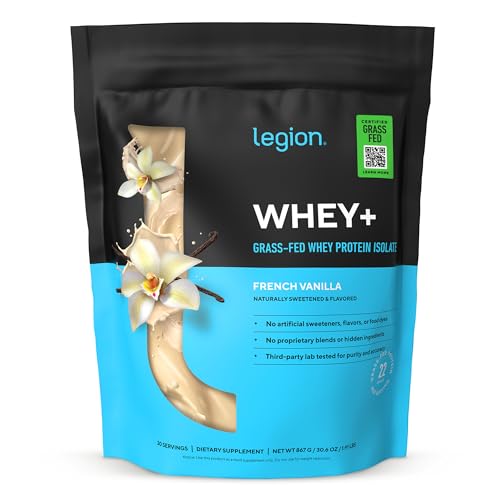
Legion Whey+ Protein Isolate
What We Like
- Zero lactose and sugar
- 22g protein from grass-fed whey isolate
- Naturally sweetened with no artificial additives
- Third-party tested for purity
Trade-offs
- Contains milk and soy, not allergen-free
- Contains milk and soy, not suitable for those with dairy or soy allergies
With 22 grams of protein per scoop and zero lactose, this whey isolate from grass-fed Irish milk is naturally sweetened and free of artificial flavors, dyes, and added sugar. It delivers 5.6 grams of BCAAs and 12 grams of essential amino acids per serving, so you get clean muscle recovery without the bloat. The protein is third-party tested and Labdoor certified for purity.
The main trade-off is that this tub holds 30 servings, which means you’ll reorder sooner than with some bulk options like Isopure Low Carb Whey Isolate. And if you’re avoiding soy or milk entirely, the ingredient list here includes both, so a plant-based pick such as Garden of Life Raw Organic Protein Powder would be a better fit. For anyone who tolerates dairy protein and wants a clean, naturally sweetened whey isolate with verified purity, this product delivers what it promises.
Product photos
PEScience Isolate Whey Protein Powder

What We Like
- 100% whey isolate for fast absorption
- Lactose and casein free for sensitive stomachs
- Zero added sugar, low carb formula
- Third-party tested for purity and quality
Trade-offs
- Whey isolate still derived from milk, not for strict vegans
- Not suitable for those avoiding all dairy products.
Twenty-five grams of 100% whey protein isolate per serving provides a fast-absorbing protein source to support muscle recovery after workouts. Because it is lactose- and casein-free, it is designed to be gentle on digestion for those with dairy sensitivities. The formula is low in carbs and has zero added sugar, making it suitable for low-carb or keto-friendly diets. Every batch is third-party tested to confirm label accuracy and purity, so you can trust what you are getting.
With 25 grams of fast-digesting protein, this isolate is built for rapid muscle recovery after intense training. The 27-serving container means you’ll reorder more often than with some bulk options, but the trade-off is a pure whey isolate that’s lactose and casein free, making it gentle on sensitive stomachs. Compared to a plant-based pick like Garden of Life Raw Organic, this milk-derived powder isn’t suitable for strict vegans, but for someone who wants a clean, low-carb post-workout shake that mixes smooth without being watery, reviewers say it delivers.
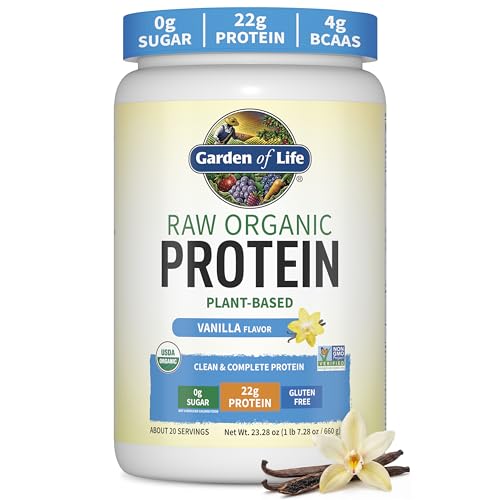
Garden of Life Raw Organic Protein Powder
What We Like
- 22g plant protein with 4g BCAAs
- 5g fiber and only 130 calories
- Third-party certified organic and gluten-free
Trade-offs
- Lower protein per serving than whey isolates
- Contains live probiotics, which some avoid
Twenty-two grams of complete plant protein, 5g of fiber, and a built-in lactase enzyme make this a thoughtful choice if your stomach rebels against dairy-based powders.
The 22g of protein per serving is lower than what some whey isolates offer, for example, Legion Whey+ lists 30 servings in a 1.9-pound tub, suggesting a higher protein density. If your primary goal is maximizing protein per scoop, a whey-based powder might suit you better. But if you want a plant-based option with added enzymes and probiotics, this product fits that need.
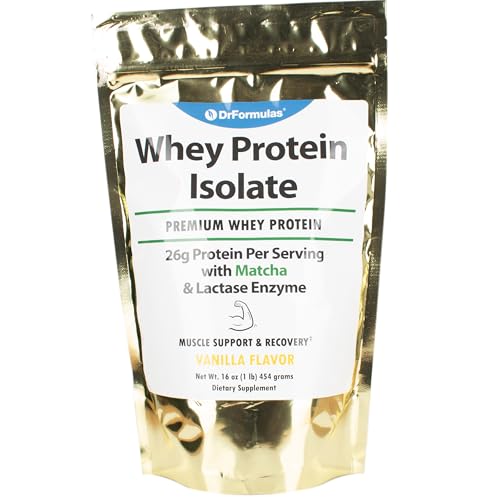
DrFormulas Lactose Free Whey Isolate
What We Like
- 26g whey isolate per serving
- Lactase enzyme added for digestion
- Low caffeine from organic matcha
- Stevia-sweetened, low carb
Trade-offs
- Only 1 lb per container
- Contains caffeine, though minimal
Each serving delivers 26g of protein from whey protein isolate, a high-quality source that the body absorbs quickly. What makes this different is the added lactase enzyme, which helps break down any remaining lactose so you get the benefits of whey without the gas or bloating that often bothers people with lactose sensitivity. Sweetened with stevia and flavored with vanilla and organic matcha, it keeps carbohydrates low and contains less than 0.16mg of caffeine per scoop, fitting well into keto or paleo diets.
The 1-pound container holds 26g of protein from whey protein isolate, which means you get a concentrated dose in a smaller package that fits easily on a counter or in a gym bag. The matcha latte flavor combines vanilla with Japanese organic matcha, delivering a mild green-tea taste that mixes easily. For someone who wants a lactose-free protein powder with lactase enzyme already added to minimize gas and bloating, this is a smart pick. Just plan to reorder more often than you would with a larger tub.
Product photos
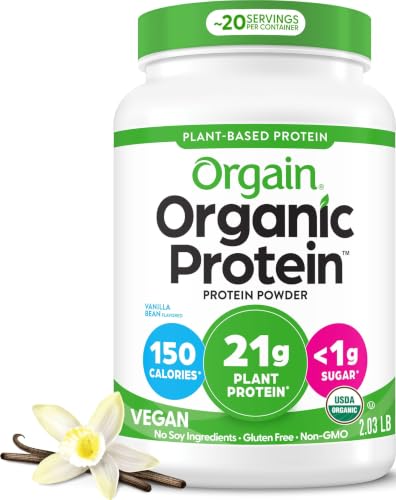
Orgain Organic Vegan Protein Powder
What We Like
- USDA Organic plant protein blend
- No added sugar or artificial sweeteners
- Includes 6g prebiotic fiber for gut health
- Free of lactose, dairy, soy, and gluten
Trade-offs
- Contains chia seeds, which some find grainy
- Not suited for high-protein needs per scoop
21 grams of organic plant protein per serving means this is a solid, everyday option for someone who wants a clean, lactose-free protein source without the artificial stuff. The blend of peas, brown rice, and chia seeds delivers all nine essential amino acids, and the 6 grams of prebiotic fiber is a nice bonus for digestive support. It fits well for people who prefer a plant-based, organic option and want to avoid dairy, soy, and gluten entirely.
Twenty-one grams of protein is less than what some other powders deliver, but this Orgain powder brings a certified organic, vegan blend with no added sugar and 6 grams of prebiotic fiber for gut support. Plant-based proteins like this one skip the dairy that can cause stomach trouble, making it a clean option for anyone avoiding lactose or animal products. You can mix it with water, almond milk, or oat milk, or add it to overnight oats and baked goods for a protein boost.
Owyn Pro Elite High Protein Powder

What We Like
- 30g vegan protein from pumpkin, chia, pea
- Zero sugar and low net carbs
- Includes probiotics and greens blend
Trade-offs
- Only 12 servings per container
- Contains pea protein, which some avoid
Thirty grams of plant protein from organic pumpkin seeds, chia, and pea means this powder delivers all nine essential amino acids and naturally occurring BCAAs without any dairy or soy, a real win if your stomach rebels against whey. OWYN Pro Elite skips the sugar and keeps net carbs low, so it fits neatly into a post-workout shake or a busy morning smoothie without spiking your blood sugar. The added probiotics and superfood greens blend (kale, spinach, broccoli) make it feel more like a daily nutrition booster than just another protein scoop.
The biggest drawback is the 12 servings per container, which empties faster than a 20- or 30-serving tub from Garden of Life Raw Organic Protein. For someone who wants a complete vegan protein with 30 grams from pumpkin seeds, chia, and pea, plus added greens and probiotics, the short supply is the trade-off. It suits lactose-sensitive athletes who prioritize a clean, allergen-free ingredient list over quantity.
Product photos
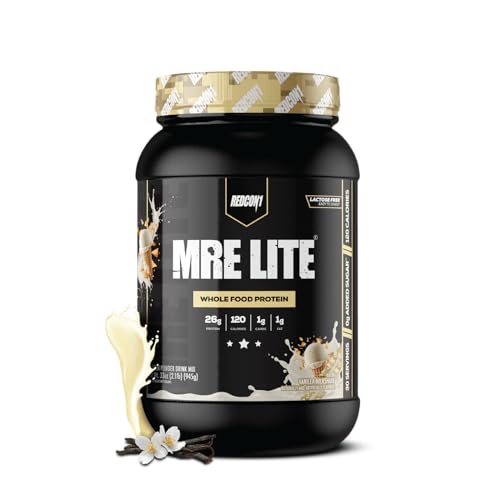
REDCON1 MRE LITE Whole Food Protein
What We Like
- Lactose-free for easy digestion
- Only 1 g carb per serving
- Whole food protein from six animal and plant sources
- Zero sugar with 26 g protein
Trade-offs
- Higher calorie per gram than some isolates
- Not suitable for vegans due to animal protein
With 26 grams of protein and just 1 gram of carbs per serving, this powder gives you serious macro control without the bloat. The whole food blend, beef, salmon, chicken, egg, brown rice, and pea, covers a variety of amino acid profiles, which matters when you’re relying on a shake to replace a meal. For someone who wants to keep carbs low and digestion easy, that combination of real-food sources and a lactose-free formula makes it a smart fit for structured meal plans or post-workout recovery without the sugar crash.
The most decisive fact about this protein is its whole food blend sourced from beef, salmon, chicken, egg, brown rice, and pea protein, which means you get a variety of animal and plant sources in one scoop without any dairy. That variety is rare in protein powders, and it comes with only 1 gram of carb and zero sugar per serving, so it fits easily into low-carb or keto meal plans. Compared to a whey isolate like Legion Whey+, which is grass-fed and lactose-free but still dairy-based, MRE LITE avoids dairy entirely while still delivering 26 grams of protein.
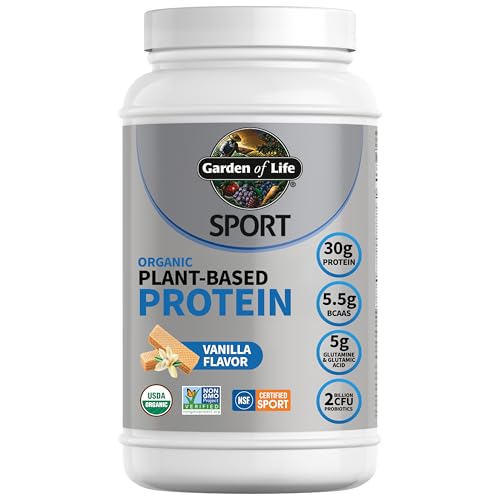
Garden of Life Sport Organic Vegan Protein
What We Like
- 30g organic plant protein per serving
- Over 5g BCAAs for muscle recovery
- Includes probiotics for digestive health
- NSF Certified for Sport, banned substance tested
Trade-offs
- Not intended for anyone under 18
- Requires 12 fl oz liquid for mixing
Thirty grams of organic plant protein from peas, navy beans, lentils, and garbanzo beans make this a serious recovery option for athletes who need to avoid dairy. The over five grams of BCAAs are there to help reduce recovery time, and the added blend of tart cherries, apples, turmeric, blueberries, and goji berries provides a mix of fruit and spice extracts. It also packs two billion CFU of clinically studied probiotics, which is a thoughtful touch for anyone whose digestion gets thrown off during heavy training cycles. This is a certified organic and NSF Certified for Sport pick that suits active adults who want plant-powered recovery.
Anyone under 18 cannot use this product, so it is not a grab-and-go option for younger athletes. Compared to the DrFormulas Lactose Free Whey Isolate, which is a whey-based protein, this Garden of Life formula is fully plant-based and certified organic, making it a strong choice for those who want a clean, plant-sourced protein. Just plan for twelve ounces of liquid per serving.
Isopure Low Carb Whey Isolate

What We Like
- 100% whey protein isolate for fast absorption
- Only 8 ingredients total
- Zero grams of sugar
- Lactose free and gluten free
Trade-offs
- Only 25 g protein per serving, lower than some competitors
- Limited to 8 ingredients means no added digestive enzymes
With just eight ingredients and zero grams of sugar, this whey isolate keeps things refreshingly simple. Twenty-five grams of pure whey protein isolate means you get fast-absorbing protein without the extra carbs or lactose that can upset sensitive stomachs. For someone who wants a clean, no-fuss protein powder that works with keto or low-carb goals, this tub delivers exactly what it promises and nothing you don’t need.
The Isopure Low Carb Whey Isolate delivers 25 grams of protein. That is 5 grams less than the 30 grams in Garden of Life Sport Organic Vegan Protein. The difference means you might need an extra scoop if you’re aiming for a higher total, but the trade-off is a whey isolate with only 8 ingredients and zero grams of sugar, making it a straightforward choice for anyone focused on a clean, low-carb protein source.
Product photos
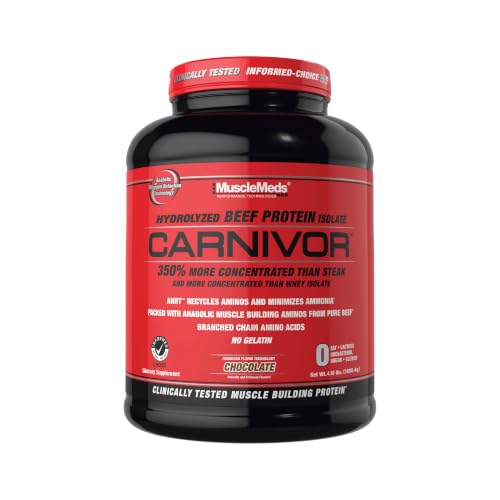
MuscleMeds Carnivor Beef Protein Isolate
What We Like
- Lactose free and sugar free
- More concentrated than whey
- Halal certified
- 23g protein per serving
Trade-offs
- Only 23g protein versus some rivals' 30g
- Not suitable for those preferring plant-based protein.
With 23 grams of protein per serving and a concentration that is more concentrated than whey, this beef protein isolate gives you a lactose-free option that skips the dairy entirely. It’s made from beef processed into an isolate that is fat free and sugar free, so you get protein without the extras. For anyone who reacts poorly to whey or simply wants a change from the usual milk-based powders, this is a straightforward, no-nonsense choice that delivers what it says on the label.
The trade-off here is that 23 grams per scoop is a bit lower than some plant-based or whey isolates in this guide offer, like Owyn Pro Elite’s 30 grams. That means you might need an extra scoop or a bigger shake to hit your protein target after a hard session. But if your stomach is the priority and you want a clean, simple ingredient list without any lactose worries, this beef isolate is a reliable alternative that won’t leave you guessing.
Product photos
How We Evaluated Protein Powders For Lactose Intolerance
We started by examining each product’s ingredient list and protein source. For lactose-intolerant users, the key distinction is between whey isolates (which filter out almost all lactose) and plant-based proteins (which contain none). We also checked for added digestive enzymes, probiotics, and common allergens like soy and gluten that can compound stomach issues.
The three criteria that mattered most were protein quality and content per serving, digestive compatibility (lactose content, added enzymes, and fiber), and ingredient transparency. Products with third-party testing or clear sourcing earned higher marks because purity matters when your stomach is sensitive. We also weighed serving size and cost-per-gram value, since protein powder is a recurring purchase.
A research-based guide has limits, and individual tolerance varies. What works for one person may still cause issues for another, especially with additives like sugar alcohols or artificial flavors. The best approach is to start with a single serving and see how your body responds.
What To Look For In Protein Powders For Lactose Intolerance
Choosing the right protein powder starts with understanding which ingredients your digestive system handles well and which ones trigger discomfort.
Look for whey isolates or plant-based proteins with minimal additives, check for third-party testing, and avoid sugar alcohols if they upset your stomach.
Protein Source and Lactose Content
Whey concentrate can contain up to 5 percent lactose, which is enough to cause problems for sensitive individuals. Whey isolate, by contrast, undergoes additional filtration that removes nearly all lactose, typically less than a gram per serving. Plant-based proteins like pea, brown rice, and pumpkin seed contain zero lactose by nature. The trade-off is that plant proteins often have a different texture and slightly lower digestibility scores than whey.
For those who want the muscle-building benefits of dairy without the bloat, whey isolate powders are the most direct solution. They absorb quickly and provide a complete amino acid profile. If dairy still bothers you even in isolate form, non-dairy protein powders like pea or pumpkin seed are reliable alternatives.
Digestive Aids and Additives
Some protein powders include added lactase enzymes to help break down any remaining lactose, or probiotics and digestive enzymes to support overall gut comfort. These can make a meaningful difference for people with mild to moderate sensitivity. However, added ingredients also increase the risk of reactions; protein for sensitive stomachs often works best when the ingredient list is short.
Watch out for sugar alcohols like erythritol and xylitol, which can cause gas and cramping in some people. Stevia and monk fruit are generally better tolerated. If you have a history of stomach issues with protein powders, start with an unflavored or minimally sweetened option.
Protein Per Serving and Calorie Profile
For muscle recovery and growth, aim for at least 20 grams of protein per serving. Many powders in this guide deliver 22 to 30 grams. The calorie count matters too, low-calorie options around 100 to 130 calories per scoop work well for weight management, while higher-calorie blends can serve as meal replacements.
- Check the serving size, some powders use a single scoop, others require two.
- Look at the carb count if you follow a low-carb or keto diet.
- Verify whether the protein source is complete (all nine essential amino acids).
- Note the fiber content, prebiotic fiber helps digestion but can add bulk.
- Read the fine print on “proprietary blends” that hide exact amounts.
The simplest rule: the fewer ingredients, the easier it is to identify what your stomach likes or dislikes.
Protein Powders For Lactose Intolerance Compared
The table below compares all ten protein powders side by side, highlighting protein content, key digestive features, and best-use scenarios so you can find your match at a glance.
| Product | Protein per serving | Protein source | Lactose |
|---|---|---|---|
| Legion Whey+ Protein Isolate | 22g | Grass-fed whey isolate | 0g |
| PEScience Isolate Whey Protein Powder | 25g | 100% Whey Protein Isolate | Lactose & Casein Free |
| Garden of Life Raw Organic Protein Powder | 22g | Plant based | Lactose Free |
| DrFormulas Lactose Free Whey Isolate | 26g | Whey protein isolate | Lactose free |
| Orgain Organic Vegan Protein Powder | 21g | Plant based | No lactose |
| Owyn Pro Elite High Protein Powder | 30g | Organic pumpkin, chia, pea | Dairy-free |
| REDCON1 MRE LITE Whole Food Protein | 26g | Beef, salmon, chicken, egg, brown rice, pea | Lactose-free |
| Garden of Life Sport Organic Vegan Protein | 30g | Peas, navy beans, lentils, garbanzo beans | N/A |
| Isopure Low Carb Whey Isolate | 25g | 100% whey isolate | Lactose Free |
| MuscleMeds Carnivor Beef Protein Isolate | 23g | Beef protein isolate | Lactose Free |
Frequently Asked Questions
Can I take whey protein if I am lactose intolerant?
Yes, many people with lactose intolerance tolerate whey protein isolate well because the filtration process removes nearly all lactose. Whey concentrate contains more lactose and is more likely to cause symptoms. Start with a small serving of an isolate to test your personal tolerance.
What is the difference between whey isolate and whey concentrate?
Whey isolate undergoes additional processing that removes most of the fat and lactose, leaving a purer protein with typically less than a gram of lactose per serving. Whey concentrate retains more lactose and fat, which can trigger digestive discomfort in sensitive individuals.
Are plant-based protein powders better for lactose intolerance?
Plant-based protein powders are naturally lactose-free and often easier on digestion because they contain no dairy at all. They can be a good choice if you find that even whey isolate causes issues. However, they may have a different texture and lower protein density per scoop.
How do I know if a protein powder has hidden lactose?
Check the ingredient list for milk derivatives like whey, casein, or milk protein concentrate. Even some “plant-based” blends may contain dairy. Look for labels that explicitly say lactose-free or dairy-free, and check for third-party testing that verifies the claim.
What ingredients should I avoid with a sensitive stomach?
Avoid sugar alcohols like erythritol, sorbitol, and xylitol, which can cause gas and bloating. Artificial sweeteners and thickeners like carrageenan or xanthan gum may also bother some people. Stick to powders with short ingredient lists and natural sweeteners like stevia or monk fruit.
The Bottom Line
For most lactose-intolerant athletes, the Legion Whey+ Protein Isolate delivers the best balance of clean ingredients, verified purity, and effective protein content. It is sweetened naturally, contains zero lactose, and comes from grass-fed whey isolate, making it a strong daily driver for anyone who wants dairy protein without the discomfort.
If you prefer to avoid dairy entirely, the Garden of Life Raw Organic Protein Powder offers a plant-based option with added probiotics and fiber. For those on a budget or looking for a higher protein-per-scoop ratio, the DrFormulas Lactose Free Whey Isolate adds lactase enzymes for extra digestive insurance.
The single most important factor is knowing your own tolerance. Start with one serving, stick to simple ingredients, and pay attention to how your body responds. The right protein powder should support your training, not sideline it with stomach trouble.
