
9 Best Running Workout Shoes in 2026
This post contains affiliate links. As an Amazon Associate, we earn from qualifying purchases.
The Brooks Adrenaline GTS 25 Running Shoe wins as the best overall because its GuideRails system keeps excess motion in check while the DNA Loft v3 cushioning stays soft and lightweight. For a budget-friendly daily trainer, the New Balance Fresh Foam Arishi V4 is the best budget pick, delivering solid impact absorption, and the ASICS Gel-Venture 11 is our pick for trail workouts.
Picking the right running workout shoe means balancing cushioning, support, and surface type. Road runners need a different ride than trail runners, and your foot’s natural motion, whether neutral, overpronating, or supinating, determines whether you need stability features or a flexible platform.
This guide is based on specifications, manufacturer data, expert round-ups, and patterns in owner feedback. We focused on the nine most common runner needs: support, cushioning, durability, weight, and surface compatibility, so you can find the pair that matches your routine.
Top 9 Running Workout Shoes in the Market
Certain content that appears on this site comes from Amazon. This content is provided "as is" and is subject to change or removal at any time.
The Best Running Workout Shoes, Reviewed
Brooks Adrenaline GTS 25 Running Shoe
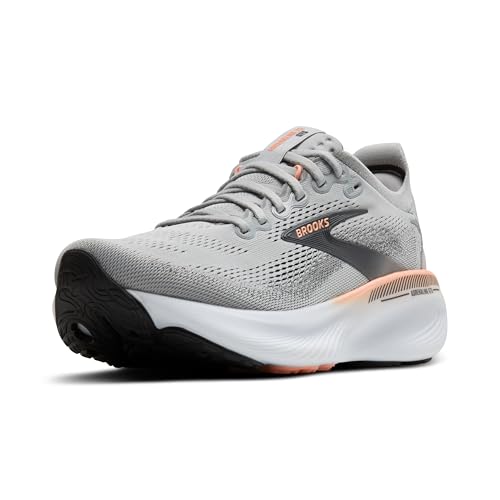
What We Like
- GuideRails keep excess motion in check
- DNA Loft v3 cushioning is soft and lightweight
- Breathable engineered mesh upper
Trade-offs
- Designed for road, not trails or off-road
- Support system adds structure some prefer without
The trade-off is that this shoe is built specifically for road running, so if you regularly hit gravel paths or uneven trails, you will want something with more aggressive tread like the ASICS Gel-Venture 11. The GuideRails also mean a bit more structure around the heel and arch, which some runners might find noticeable if they prefer a completely unrestricted feel. For daily road miles where support and smooth transitions matter most, this shoe delivers exactly what it promises.
Brooks Revel 8 Running Shoe

What We Like
- APMA Seal of Acceptance
- Breathable engineered mesh upper
- Lightweight RoadTack outsole
Trade-offs
- APMA seal not a guarantee for all foot types.
One downside is that the Revel 8 is a neutral shoe, so it doesn’t offer the medial support that overpronators need. If you have flat feet or tend to roll inward, you’ll want a stability model like the Brooks Adrenaline GTS 25 instead. Also, the RoadTack outsole is designed for pavement, not dirt or gravel, so stick to sidewalks and treadmills. At just half a pound, it feels light on foot, but that lightness may trade some long-term durability against heavier trainers. For the runner focused on steady, comfortable road miles without flashy extras, this is a smart, health-conscious pick.
ASICS Gel-Nimbus 28 Running Shoe
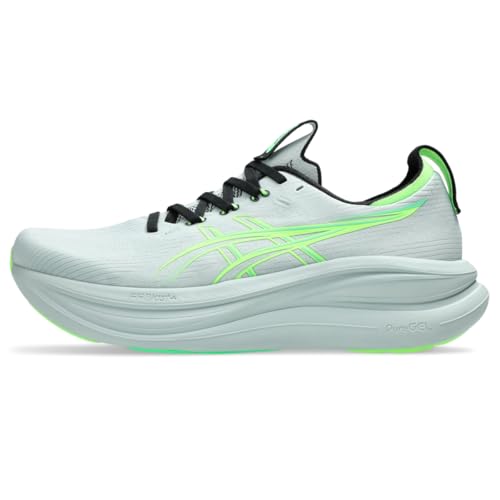
What We Like
- Cloud-like FF BLAST PLUS cushioning
- Breathable engineered knit upper
- Reflective details for low-light runs
Trade-offs
- Heavier than some road shoes at 0.7 lb
- Not designed for trail or uneven terrain
The engineered knit upper breathes well and wraps the foot without extra bulk, while the OrthoLite X-55 sockliner keeps moisture in check so your feet stay cooler as the kilometers add up. If your goal is to log distance without feeling every crack in the asphalt, this shoe has the plushness to carry you through.
The trade-off for that soft feel is a weight of 0.7 pounds, which is not the lightest among road shoes. Runners who want a lighter option for faster efforts might consider the Brooks Revel 8, which weighs 0.5 pounds. But if your priority is protecting your joints on long, steady runs, the Gel-Nimbus 28’s cushioning and HYBRID ASICSGRIP outsole give you a forgiving platform that keeps you moving comfortably mile after mile.
Product photos
New Balance Fresh Foam Arishi V4 Running Shoe

What We Like
- Soft Fresh Foam for impact absorption
- Breathable mesh keeps feet cool
- No-sew construction reduces irritation
- 6mm drop encourages natural gait
Trade-offs
- Not designed for heavy trail use
- Lacks support for overpronators needing stability features
A 6mm heel-to-toe drop is the kind of spec that quietly makes a difference, it encourages a natural running gait, so your stride feels more efficient without you having to think about it. That, paired with the soft Fresh Foam midsole that absorbs road impact mile after mile, makes this shoe a smart pick for daily runs and gym sessions when you want comfort without breaking your budget. The breathable mesh upper with suede accents keeps air moving, and the no-sew construction cuts down on irritation, so you can focus on your workout, not on hot spots.
The Fresh Foam midsole uses soft cushioning that absorbs impact mile after mile, so runners who log long road miles get a responsive, comfortable ride. The breathable mesh upper with suede and knit accents promotes airflow to keep feet cool during runs and daily wear. No-sew overlays reduce irritation and add midfoot structure, while the 6mm drop encourages a natural running gait at just 9.5 oz per shoe.
New Balance 1080 V15 Running Shoe

What We Like
- Infinion cushioning for long-lasting energy return
- Breathable upper keeps feet cool
- Refreshed design with trusted ride quality
Trade-offs
- At 1.0 pounds, heavier than some daily trainers
- Road-only design limits trail use
The all-new Infinion cushioning in this shoe is built to convert impact into forward momentum, so each stride feels less like a push and more like a gentle assist. That energy return keeps you moving mile after mile without that dead, flat feeling underfoot. It’s a great match for runners who want a plush yet responsive ride on daily road runs, especially if you tend to fade in the second half of a long session. The breathable upper also helps your feet stay cool when the pace picks up or the sun beats down.
One trade-off is weight: at a full pound, it’s noticeably heavier than the Brooks Revel 8, which comes in at half that. That extra heft might feel sluggish if you’re chasing speed work or prefer a lighter, snappier feel. But for steady, comfortable miles where cushioning and energy return matter more than a featherlight step, this shoe delivers exactly what it promises. Stick to pavement and you’ll get the most out of that Infinion foam.
ASICS Gel-Venture 11 Trail Running Shoe
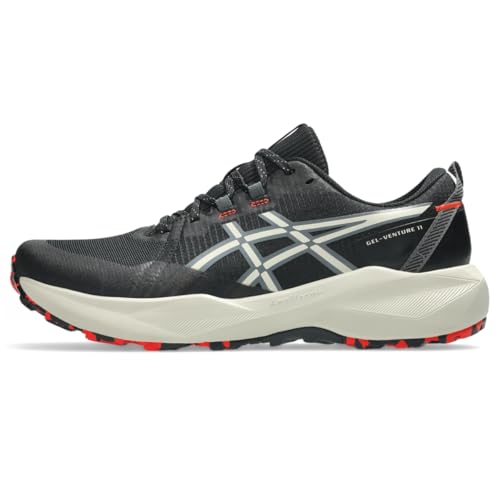
What We Like
- Rearfoot GEL technology for shock absorption
- AMPLIFOAM PLUS cushioning for soft ride
- OrthoLite sockliner manages moisture and breathability
- Molded rubber outsole for trail grip
Trade-offs
- At 1.5 pounds, heavier than road-focused picks
- Runs small, so sizing up is often needed
The ASICS Gel-Venture 11 weighs 1.5 pounds, which is noticeably heavier than most road-running shoes in this guide, the Brooks Revel 8, for instance, is just 0.5 pounds. That extra heft comes from the molded rubber outsole and rugged build, and it makes sense once you leave the pavement. The Rearfoot GEL technology and AMPLIFOAM PLUS cushioning work together to absorb the jarring impact of rocks and roots, so your feet feel less beat up after a rocky trail loop. If your runs involve dirt, gravel, or uneven terrain, this shoe is built to handle that abuse without sacrificing comfort.
That same weight and a fit that runs small mean you might need to order a half size up for a comfortable toe box. For a dedicated trail shoe, the OrthoLite Hybrid Max Lite sockliner is designed for moisture management and breathability, and the mesh upper helps airflow. It is a purpose-built tool for runners who want to explore off-road routes without worrying about slipping or sore joints.
Product photos
Under Armour Charged Surge 4 Running Shoe
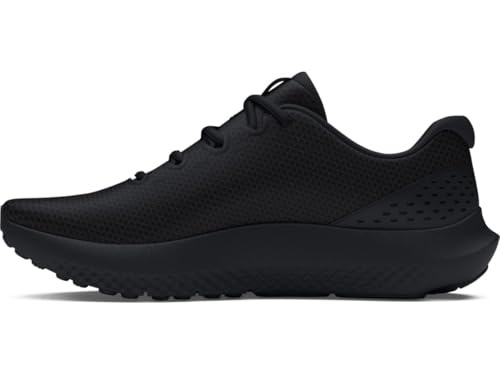
What We Like
- Charged Cushioning midsole for comfort and durability
- Durable rubber outsole with flexible toe-off
- Charged Cushioning midsole for all-day comfort and responsiveness
Trade-offs
- At 10.05 oz, heavier than some daily trainers
- At 10.05 oz, heavier than the Brooks Revel 8 (0.5 lb)
The Charged Cushioning midsole provides all-day comfort with responsiveness and durability, while the 8mm offset suits a neutral stride. The durable rubber outsole adds traction and flexibility at toe-off, so the shoe is built for consistent road miles. This design works well for runners who want a reliable daily trainer that holds up over time.
At 10.05 ounces, this shoe is heavier than a daily trainer such as the Brooks Revel 8 (which weighs half a pound), so if you’re looking for a snappier, lighter feel underfoot, that other model will be more noticeable. The Charged Surge 4’s weight comes from its Charged Cushioning midsole, which is designed for all-day comfort with responsiveness and durability, plus a durable rubber outsole that provides traction and flexibility for toe-off. Reviewers note that the trade-off in weight delivers a stable, supportive ride that feels built for consistent use rather than race-day speed.
Product photos
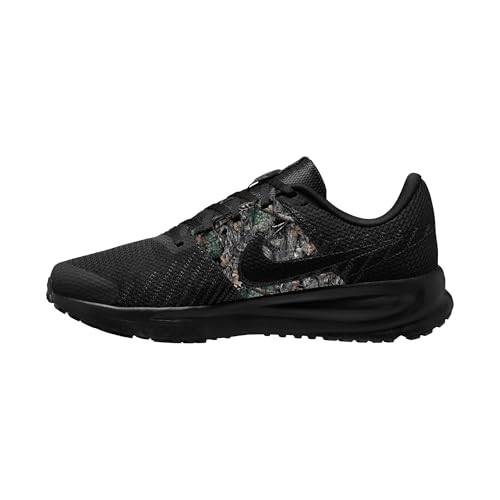
Nike Run Defy Road Running Shoe
What We Like
- Breathable mesh upper
- Soft foam midsole ride
- Flex grooves for cushioned effect
- Durable flexible waffle outsole
Trade-offs
- No stability or support features listed
- Limited to road running only
The flex grooves built into the foam midsole create a cushioned effect that softens each footstrike, which matters most when you’re logging miles on pavement and want a little extra forgiveness underfoot. It’s a straightforward road-running shoe that suits someone who values a plush, breathable ride over flashy extras, the mesh upper keeps air moving, and the waffle outsole gives you durable traction without feeling stiff. If your runs are about comfort and consistency rather than speed work or technical terrain, this shoe has the right priorities.
The Nike Run Defy doesn’t include any stability features or guidance elements, so if you overpronate or need structured support, you might find it too neutral. For someone whose main goal is a soft, breathable shoe for easy road miles, the Run Defy delivers exactly what its flex grooves promise without overcomplicating things.
Product photos
Reebok Swiftstrike Running Shoe

What We Like
- Available in wide and extra wide widths
- Compression molded EVA for responsive cushioning
- Breathable engineered mesh upper
- Durable rubber outsole for varied surfaces
Trade-offs
- Heavier than several running shoes in this guide
A compression molded EVA midsole that delivers responsive cushioning means you get smooth, energized strides on the road, at the gym, or on a trail. This shoe is built for runners who need extra width, with medium, wide, and extra wide sizes available from 7 to 16. The breathable engineered mesh upper keeps your feet cool during intense workouts, while the durable rubber outsole provides reliable traction on variable surfaces. It’s a practical everyday trainer that prioritizes comfort and fit for wider feet without sacrificing performance.
At 1.5 pounds, the Swiftstrike is heavier than options such as the Brooks Revel 8 (0.5 pounds), so if you’re chasing a featherlight feel for speed work or racing, this might not be your pick. The rubber outsole and leather and synthetic overlays add structure and durability. For the runner who values a supportive, well-cushioned shoe that accommodates wide feet and handles daily training miles, this Reebok delivers a reliable option based on its listed features.
Product photos
How We Evaluated Running Workout Shoes
We built this guide by examining each shoe’s midsole technology, outsole design, weight, and intended use from manufacturer documentation. Owner feedback patterns helped us understand real-world fit, durability, and comfort across different foot types and running styles.
Three criteria mattered most. First, cushioning and ride quality, we looked at foam types (DNA Loft v3, Fresh Foam, FF BLAST PLUS) and how they absorb impact and return energy. Second, support and stability, shoes like the Brooks Adrenaline GTS 25 use GuideRails to guide motion, while neutral shoes let the foot move freely. Third, surface compatibility, road shoes differ from trail shoes in tread pattern and outsole rubber.
A research-led evaluation has limits. We don’t claim to have tested every shoe on every surface. What we offer is a clear, honest picture of what each shoe is built to do, so you can match it to your own runs. If you spend most of your time on a belt, check our guide to treadmill running shoes for more targeted options.
What To Look For In Running Workout Shoes
Picking the right pair starts with understanding your foot’s motion, your preferred surface, and how much cushioning you need for your typical run distance.
A good running workout shoe matches your foot type (neutral, overpronation, supination) and your primary surface (road, trail, gym). Cushioning level should align with run distance and personal comfort.
Cushioning and Energy Return
Cushioning absorbs impact, and energy return propels your next step. Foam types vary widely. The ASICS Gel-Nimbus 28 uses FF BLAST PLUS for a cloud-like feel, while the New Balance 1080 V15 uses Infinion cushioning for long-lasting energy return. Heavier runners or those logging long miles often prefer maximum cushioning; speed-work runners may want a firmer, more responsive ride.
Support and Stability
Some runners need motion control. The Brooks Adrenaline GTS 25 uses GuideRails to limit excess movement, making it ideal for overpronators. Neutral shoes like the Brooks Revel 8 let the foot move naturally. If you know you overpronate, look specifically at shoes for overpronation for models with medial posts or guidance systems. For supinators, check shoes for supination for flexible, cushioned options.
Surface and Outsole Design
Road shoes have smooth, flat outsoles. Trail shoes need aggressive tread for grip on dirt and rocks. The ASICS Gel-Venture 11 uses a molded rubber outsole for trail traction, while the New Balance Fresh Foam Arishi V4 is built for pavement. If you split time between gym and road, look for versatile shoes for gym and running that handle both.
- Check your foot’s arch and gait pattern before buying.
- Match the outsole tread to your primary running surface.
- Consider weight: lighter shoes (under 9 oz) suit speed work; heavier shoes (10+ oz) offer more cushioning.
- Try shoes later in the day when feet are slightly swollen.
A shoe that fits well in the store will fit better on a long run than one you squeezed into.
Running Workout Shoes Compared
The table below compares each shoe’s cushioning type, weight, support level, and ideal surface so you can spot the differences at a glance.
| Product | Cushioning | Weight | Upper |
|---|---|---|---|
| Brooks Adrenaline GTS 25 Running Shoe | DNA Loft v3 | 0.6 pounds | Engineered mesh |
| Brooks Revel 8 Running Shoe | DNA Loft v2 | 0.5 pounds | Engineered mesh |
| ASICS Gel-Nimbus 28 Running Shoe | FF BLAST PLUS + PureGEL | 0.7 pounds | Engineered knit (recycled) |
| New Balance Fresh Foam Arishi V4 Running Shoe | Fresh Foam midsole | 9.5 oz per shoe | Breathable mesh with suede |
| New Balance 1080 V15 Running Shoe | Infinion | 1.0 pounds | Breathable ventilated |
| ASICS Gel-Venture 11 Trail Running Shoe | AMPLIFOAM PLUS + Rearfoot GEL | 1.5 pounds | Mesh |
| Under Armour Charged Surge 4 Running Shoe | Charged Cushioning | 10.05 oz | Breathable mesh with synthetic overlays |
| Nike Run Defy Road Running Shoe | Foam | 0.7 pounds | Mesh |
| Reebok Swiftstrike Running Shoe | Compression molded EVA | 1.5 pounds | Engineered mesh |
Frequently Asked Questions
How do I know if I need a stability running shoe?
If your ankles roll inward noticeably when you run or your shoes wear unevenly on the inside edge, you likely overpronate and would benefit from a stability shoe like the Brooks Adrenaline GTS 25. A gait analysis at a running store can confirm your foot motion.
What is the difference between road and trail running shoes?
Road shoes have smooth, flat outsoles for pavement and a lighter build. Trail shoes use aggressive tread patterns, tougher outsoles, and often more durable uppers for grip and protection on dirt, rocks, and uneven terrain. The ASICS Gel-Venture 11 is a solid trail option.
How much cushioning do I need in a running shoe?
It depends on your run distance and personal preference. Runners logging 5+ miles per run or those with joint sensitivity often prefer maximum cushioning like the ASICS Gel-Nimbus 28. Shorter, faster runs may feel better with a firmer, more responsive midsole.
Can I use running shoes for gym workouts?
Yes, many running shoes work for gym workouts like treadmill runs, light lifting, and cardio. For heavy lifting, dedicated lifting shoes have different heel heights and stability features that matter for squatting and deadlifting, as explained in our comparison of lifting shoes vs running shoes.
How often should I replace my running shoes?
Most running shoes last several hundred miles, depending on your weight, running surface, and gait. Signs of wear include flattened cushioning, visible outsole wear, and new aches in your knees or shins after runs. Rotating two pairs can extend their life.
The Bottom Line
The Brooks Adrenaline GTS 25 Running Shoe is the best overall pick for runners and walkers who want reliable support and soft cushioning on the road. Its GuideRails system and DNA Loft v3 foam make it a dependable daily trainer for anyone who needs a little motion guidance without a stiff ride.
If your budget is tighter, the New Balance Fresh Foam Arishi V4 offers a lightweight, cushioned shoe for daily miles without the premium price tag. For trail runners, the ASICS Gel-Venture 11 delivers the grip and shock absorption needed on uneven terrain. Those with wider feet should check the Reebok Swiftstrike, available in wide and extra wide widths.
The single most important factor in choosing a running workout shoe is matching the shoe’s support and cushioning to your foot’s natural motion and your primary running surface. Start there, and every mile will feel better.
