
10 Best Gym Flooring For Home Gym in 2026
This post contains affiliate links. As an Amazon Associate, we earn from qualifying purchases.
For a home gym floor that can handle heavy weights and daily workouts, the AIRHOP Rubber Top Interlocking Gym Mats stand out as the best overall. Their dual-layer rubber and EVA foam design provides both stability and cushioning, while the large interlocking locks keep everything in place. For those who need maximum thickness, the SUPERJARE Extra-Thick Gym Floor Tiles offer excellent shock absorption, and the Baselayer Performance Interlocking Floor Tiles are a top choice for an odor-free, USA-made option.
Choosing a home gym floor can feel overwhelming with so many materials and thicknesses available. You need a surface that protects your subfloor, dampens noise, cushions your joints, and stays put under heavy equipment. Get the wrong one, and you could end up with a slippery, shifting, or quickly worn-out floor.
This guide was built by analyzing product specifications, manufacturer claims, and patterns from expert round-ups and owner feedback. We focused on the factors that matter most for a home gym: material durability, thickness, ease of installation, and overall value. Here are the best gym flooring options to help you make the right choice.
Top 10 Gym Flooring For Home Gym in the Market
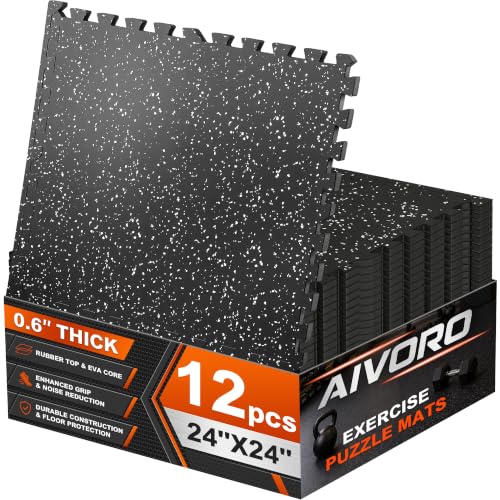
Certain content that appears on this site comes from Amazon. This content is provided "as is" and is subject to change or removal at any time.
The Best Gym Flooring For Home Gym, Reviewed
AIRHOP Rubber Top Interlocking Gym Mats

What We Like
- Dual-layer rubber and EVA foam design
- Large interlocking locks prevent shifting
- Waterproof surface for easy cleaning
- Supports heavy machinery and weights
Trade-offs
- At 29 lb, setup requires some effort
- White sections show dirt and scuffs quickly
A 0.56-inch thick dual-layer mat with a textured rubber top and high-density EVA foam bottom means you get solid shock absorption without your equipment scratching the floor. The 48-square-foot coverage from 12 interlocking tiles is enough for a home gym zone, and the upgraded locking system keeps everything in place during heavy lifts or cardio. This setup suits anyone who wants a stable, protective surface that handles dumbbells, treadmills, or kettlebells without slipping or sliding around.
The trade-off is weight, at 29 pounds, moving or rearranging these tiles takes more muscle than lighter foam mats. For most home gyms, though, this balance of durability, easy cleaning, and secure fit makes it a practical everyday floor that won’t let you down.
Product photos
SUPERJARE Rubber Top Gym Flooring
What We Like
- Upgraded dual-layer design for durability
- Ultra grip rubber surface reduces slipping
- Quiet and cushioned for shock absorption
- Interlocking edges for easy assembly
Trade-offs
- Thinner than some heavy-duty mats at 0.56 inches
- Not thick enough for very heavy weightlifting.
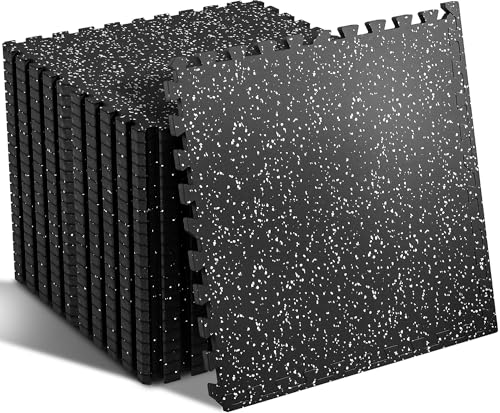
With a dual-layer build of high-density EVA foam and a sturdy EPDM rubber top, this flooring is designed to handle heavy exercise equipment without tearing or wearing out quickly. The rubber surface gives you solid traction for moves like landmine presses or deadlifts, while the foam layer underneath soaks up noise and vibration so your downstairs neighbors stay happy. It’s a smart pick if you want a floor that balances protection for your gear with a quieter workout experience.
The trade-off here is thickness: at 0.56 inches, these tiles are thinner than some alternatives like the AIRHOP Rubber Top Interlocking Gym Mats, which also comes in a 0.79-inch version. That means SUPERJARE is easier to move or reconfigure, but if you’re dropping heavy barbells or setting up a dedicated powerlifting area, you might want a thicker, denser mat. For general home gym use, though, this dual-layer design gives you a practical middle ground.
The dual-layer design, a high-density EVA foam base topped with a sturdy EPDM rubber surface, gives you a floor that grips your equipment and stays put during landmine presses, yet cushions enough for deadlifts. Reviewers say the upgraded rubber top cuts down on the annoying rubber smell, so you can focus on your workout without the odor. Each of the 12 interlocking tiles measures 24 by 24 inches and snaps together easily, letting you cover 48 square feet in a neat square or rectangle. The soft foam layer soaks up shock and quiets vibrations, meaning you can drop weights or do HIIT without disturbing anyone downstairs.
SUPERJARE Extra-Thick Gym Floor Tiles

What We Like
- 0.79-inch extra-thick cushioning
- EPDM rubber top resists tearing
- Interlocking edges with detachable borders
- Reduces noise and vibrations
Trade-offs
- Heavier than thinner mats, harder to rearrange alone
- EPDM rubber top can still emit some odor initially.
With 0.79 inches of thickness, this mat provides substantial cushioning for heavy equipment and high-impact movements, reducing noise and vibrations so you can train without disturbing others. The EPDM rubber top resists tearing and grips your shoes and gear, while the dense EVA foam base absorbs shock. It’s built for anyone who wants durable floor protection that doesn’t skimp on padding.
The 0.79-inch thickness gives you noticeably more cushion than the 0.56-inch AIRHOP tiles, which makes a real difference during standing work or floor exercises. But that extra foam also adds weight, so moving the tiles around takes more effort than with thinner mats. The dense foam bottom paired with the EPDM rubber top is built to handle heavy equipment without tearing, so it stays put once you set it up.
AIRHOP 0.79in Thick Gym Flooring

What We Like
- Thick 0.79in dual-layer absorbs shock
- Sturdy recycled rubber resists scratches
- Interlocking locks prevent shifting
- Waterproof and easy to clean
Trade-offs
- Heavier than thinner foam mats
- 31.7-pound set is cumbersome to carry upstairs
At 0.79 inches thick with a dual-layer build of textured rubber on high-density EVA foam, this flooring handles heavy gear and noisy workouts without letting dents or scuffs reach your subfloor. The interlocking locks are upgraded to stay put during deadlifts or treadmill sessions, so you are not constantly nudging tiles back together. For anyone setting up a home gym where dropping weights or rolling a squat rack is part of the routine, this is the kind of foundation that lets you focus on the lift, not the floor.
At 31.7 pounds for the set, these tiles are heavier than some other flooring options, which makes them more stable but less convenient to rearrange on a whim. If you plan to cover a permanent space and want serious protection under heavy machinery, the extra heft pays off.
Product photos
Baselayer Performance Interlocking Floor Tiles

What We Like
- No-odor TPE material
- Precision interlocking tabs for flush fit
- Built-in cord management channels
- Chemical-resistant and easy to clean
Trade-offs
- 1/2 in thickness offers less impact absorption
- Edges and corner pieces sold separately
- Coverage per pack is 30 sq ft, smaller than some competitors
If you want gym flooring that skips the chemical smell and the squishy feel of foam, this TPE tile delivers a dense, stable surface with a no-slip texture that stays put under heavy weights. The precision interlocking tabs keep gaps tiny, and the built-in cord channels run underneath so you don’t trip over your speaker wire mid-set. It’s made in the USA from a non-toxic material that resists wear and cleans up fast, which makes it a smart fit for anyone who wants a clean, low-maintenance home gym floor without the rubber odor.
At half an inch, this mat provides less cushion than thicker mats on the market. That makes it better suited for steady lifting and cardio than for repeated heavy drops. Also, you’ll need to buy the edge and corner pieces separately if you want a finished border. For a home gym where you’re setting up a rack, bench, and dumbbells and want a durable, odor-free foundation that looks clean and stays flat, this is a well-designed option worth the extra cost.
Grytfit Interlocking Rubber Floor Tiles
What We Like
- 100% solid rubber, no foam or fillers
- Slip-resistant and moisture-tolerant surface
- Precision interlocking for tight seams
- Made from recycled rubber
Trade-offs
- Only 14 sq. ft. per pack, covers small areas
- Heavier than foam mats if moving often
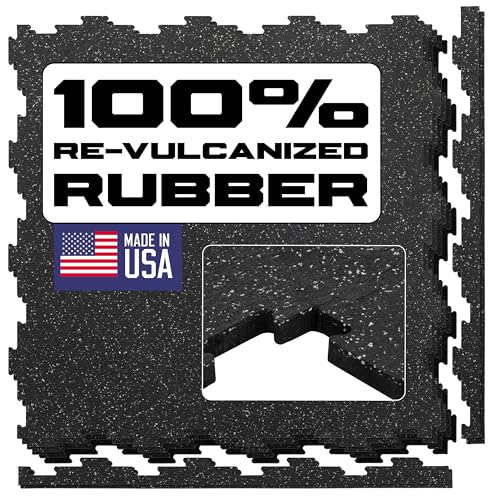
If you want a gym floor that won’t dent, tear, or shift under heavy racks and dropped weights, solid rubber is the real deal. These tiles are 100% rubber edge to edge with no foam or filler, so they resist indenting under pressure. The precision interlocking design keeps seams tight and flush, and the slip-resistant surface handles moisture from garages or basements without turning slick. That makes this a smart pick for anyone setting up a serious home gym where durability matters.
Each pack gives you only about 14 square feet, so you will need multiple packs for a full room. That adds up in weight compared to foam-based options like the SUPERJARE Rubber Top tiles, which cover 48 square feet per pack. But if your priority is a floor that stays put under heavy equipment and shrugs off moisture, the Grytfit tiles deliver that solid foundation.
Product photos
ProsourceFit Exercise Puzzle Mat
What We Like
- Covers 144 sq ft with 36 tiles
- Non-skid, water-resistant surface
- Easy interlocking assembly and storage
- Phthalate-free EVA foam
Trade-offs
- At 0.5 in thick, less cushion than thicker mats
- Foam compresses under heavy equipment
- Best results only on flat, hard surfaces
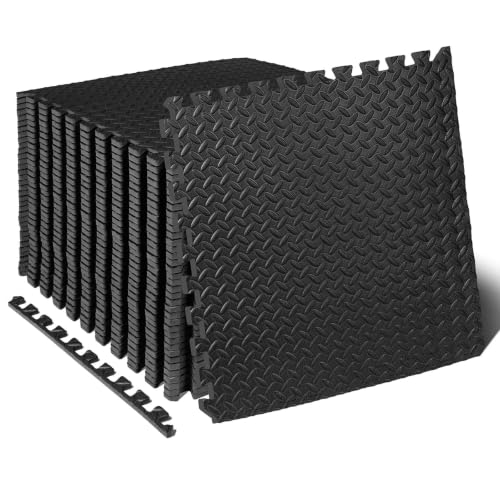
Covering 144 square feet with 36 interlocking tiles, this mat turns an entire garage or basement into a workout space without piecing together multiple smaller sets. The half-inch high-density EVA foam provides enough support for bodyweight exercises, yoga, and light to moderate gym work, while the non-skid, water-resistant surface stays put and wipes clean easily. For someone setting up a spacious home gym on a budget, the sheer area covered makes it a practical foundation.
At 0.5 inches, this option offers less shock absorption than thicker options like the SUPERJARE Extra-Thick Gym Floor Tiles at 0.79 inches, and heavy dumbbell drops or loaded barbells may feel firmer. Also, the foam can compress slightly under heavy equipment, leaving minor surface indentations over time. If your routine stays mostly on the floor or uses moderate weights, this mat is a smart value for the space it covers.
Product photos
BalanceFrom Puzzle Exercise Mat
What We Like
- 1-inch thick EVA foam cushion
- High-density foam for support
- Large 72 sq ft coverage
- Interlocking design for easy setup
Trade-offs
- Not as durable as rubber-top options
- Lacks rubber top for equipment grip
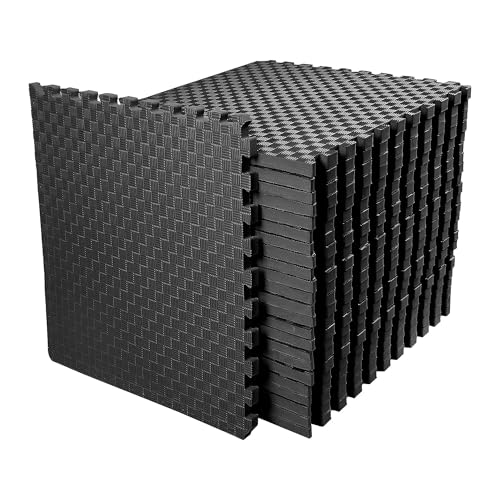
One full inch of high-density EVA foam makes this mat a standout for anyone wanting serious cushion underfoot. That thickness absorbs impact from bodyweight exercises, yoga flows, or light dumbbell work, so your joints feel the difference even during longer sessions. The 72 square feet of coverage means you can cover a decent home gym area without buying multiple packs, and the interlocking tiles snap together without tools. If comfort during floor work is your priority, this foam delivers a soft, forgiving surface that makes push-ups and stretches more pleasant.
With a full inch of high-density EVA foam, this mat provides excellent support and cushion for bodyweight training, stretching, or kids’ play areas. The thick foam absorbs impact well, making it comfortable for exercises like yoga or push-ups. However, because it’s pure foam without a rubber top, it’s best suited for lighter use rather than heavy equipment like barbells or cardio machines.
Product photos
CAP Interlocking EVA Foam Mat
What We Like
- Finished edges for clean outer border
- 3/4-in thick EVA foam cushions joints
- Water-resistant surface wipes clean easily
- Non-slip T Pattern adds traction
Trade-offs
- No rubber top layer for extra durability
- Not for heavy barbell drops or squat racks
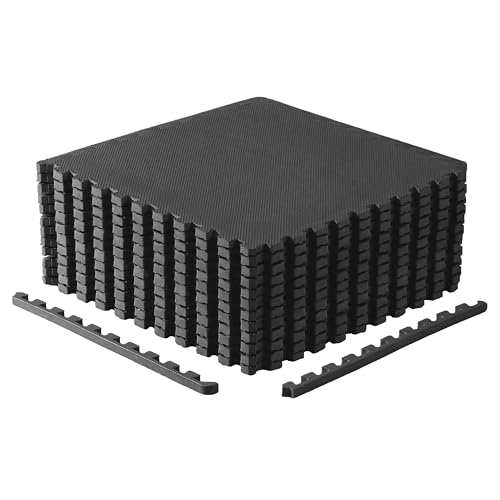
The 3/4-inch thickness of these CAP tiles provides a cushioned, shock-absorbing surface that helps reduce impact on joints and floors during exercise. The finished edges keep the outer perimeter tidy and prevent corner pieces from curling up or catching on toes, which is a practical detail for any workout area.
Product photos
AIVORO 0.6" Interlocking Rubber and EVA Gym Floor Tiles
What We Like
- Dual-layer rubber and EVA foam cushioning
- Interlocking edges for secure fit
- Water-resistant surface easy to wipe clean
- Supports weight benches and cardio equipment
Trade-offs
- At 0.6 inches, thinner than some extra-thick options
- Not suited for heavy deadlift drops or Olympic lifting
The AIVORO 0.6-inch tiles pair a recycled rubber top with a dense foam base, giving you a cushioned surface that softens impact during HIIT, yoga, or bodyweight moves while still standing up to weight benches and treadmills. That dual-layer design helps reduce noise and vibration, so your downstairs neighbors won’t hear every burpee, and the textured rubber keeps your feet planted during sweaty sets. It’s a smart middle ground for anyone building a home gym who wants joint comfort without turning their workout zone into a trampoline.
At 0.6 inches, these tiles are thinner than some extra-thick options on the market, which may be a consideration if you plan to drop heavy weights. For most home gym setups, bodyweight work, light dumbbell circuits, or yoga, the AIVORO’s cushioning feels just right. If you need maximum shock absorption for heavy deadlifts or dropped kettlebells, a thicker tile might be worth exploring. For typical home gym use, this balance of support and stability is a practical win.
Product photos
How We Evaluated Gym Flooring For Home Gym
Our evaluation is research-based, drawing from product specs, manufacturer documentation, and patterns found across expert round-ups and owner reviews. Instead, we focused on real-world performance indicators and the features that experienced home gym owners consistently prioritize.
We zeroed in on four main criteria. Material durability came first because a gym floor must withstand dropped weights, rolling equipment, and constant foot traffic without tearing or compressing permanently. Thickness and cushioning mattered next, as this directly affects joint comfort and noise reduction, especially for workouts involving impact. Ease of installation and fit was crucial since most home gym owners set up their own floors. Interlocking systems vary widely in how well they stay together. Finally, we considered coverage and value, looking at how much floor space each pack covers relative to its cost and quality.
The honest limit of a research-led evaluation is that we cannot replicate years of heavy use in a garage or basement. We rely on the reported experiences of hundreds of owners and the technical specs provided by manufacturers. This approach helps us identify the most reliable options without the guesswork of a single, short-term test.
What To Look For In Gym Flooring For Home Gym
Choosing the right gym flooring means matching the material and thickness to your specific workouts. Here are the key factors to consider before you buy.
Focus on three things: material (rubber for durability, foam for cushion), thickness (1/2 inch for light use, 3/4 inch for heavy lifting), and how the tiles lock together to prevent shifting during intense workouts.
Material: Rubber vs. Foam vs. Dual-Layer
The material is the backbone of your gym floor. Solid rubber, like the Grytfit Interlocking Rubber Floor Tiles, is the most durable and best for heavy equipment and dropped weights, but it is heavy and more expensive. EVA foam, found in the BalanceFrom Puzzle Exercise Mat, is lightweight, comfortable for bodyweight exercises, and affordable, but it compresses under heavy gear and offers less protection for dropped barbells.
Dual-layer options, such as the AIRHOP Rubber Top Interlocking Gym Mats, combine a tough rubber top with a cushioned foam core. This gives you the best of both worlds: a durable, slip-resistant surface for equipment and a softer layer for joint comfort during floor work. For most home gym setups, a dual-layer mat or a solid rubber tile is the sweet spot. If you are unsure, our guide on best home gym flooring breaks down the trade-offs further.
Thickness and Density
Thickness directly affects shock absorption and noise reduction. For bodyweight exercises, yoga, and light dumbbell work, a 1/2-inch mat like the ProsourceFit Exercise Puzzle Mat is sufficient. If you plan to drop deadlifts or do Olympic lifting, you need at least 3/4 inch of dense rubber, like the AIRHOP 0.79in Thick Gym Flooring, to protect your floor and your weights.
Density matters just as much. A thick but low-density foam mat will bottom out under a loaded barbell, while a thinner, high-density rubber tile will hold up much better. The best rubber flooring options are almost always denser than foam, making them the safer choice for heavy equipment.
Interlocking System and Edge Fit
A good interlocking system prevents your floor from separating during burpees or heavy lifts. Look for mats with large, tight-fitting tabs, like the SUPERJARE Rubber Top Gym Flooring, which minimize gaps and shifting. Some mats, like the CAP Interlocking EVA Foam Mat, come with finished edges that create a clean border without needing separate trim pieces.
Poorly designed interlocking tiles can create tripping hazards or leave gaps where sweat and dust collect. Check user reports to see if the tiles fit snugly over time, especially in high-traffic areas. For specific environments, check our advice on flooring for basement gym if moisture is a concern.
- Place tiles on a clean, level surface to ensure the best fit.
- Use a rubber mallet to tap edges together firmly during installation.
- For large rooms, start from a corner and work your way out.
- Consider a border or transition strip if your gym area meets a different floor type.
A good rule of thumb is to spend most of your budget on the highest-density material you can afford, as it will outlast a cheaper, less dense option by years.
Gym Flooring For Home Gym Compared
The table below compares all gym flooring options side-by-side, highlighting their key materials, thicknesses, and best use cases to help you narrow down your choice.
| Product | Thickness | Material | Coverage | Tile Size |
|---|---|---|---|---|
| AIRHOP Rubber Top Interlocking Gym Mats | 0.56 inches | Rubber top + EVA foam bottom | 48 sq ft (12 tiles) | 24 x 24 inches |
| SUPERJARE Rubber Top Gym Flooring | 0.56 inches | EPDM rubber top / EVA foam base | 48 sq ft (12 tiles) | 24 x 24 inches |
| SUPERJARE Extra-Thick Gym Floor Tiles | 0.79 inches | EPDM rubber top / high-density EVA foam base | 48 sq ft (12 tiles) | 24 x 24 inches |
| AIRHOP 0.79in Thick Gym Flooring | 0.79 in | Rubber top + EVA foam bottom | 48 sq ft (12 tiles) | 24 x 24 in |
| Baselayer Performance Interlocking Floor Tiles | ½ in | Injection-molded TPE | 30 sq ft (12 tiles) | 19 in x 19 in |
| Grytfit Interlocking Rubber Floor Tiles | N/A | 100% solid rubber | ~14 sq. ft. (4 tiles) | 22.5" x 22.5" |
| ProsourceFit Exercise Puzzle Mat | 1/2 in | High-density EVA foam | 144 sq ft | 24 x 24 x 0.5 in |
| BalanceFrom Puzzle Exercise Mat | 1 inch | High-density EVA foam | 72 sq ft (18 tiles) | 24 in x 24 in |
| CAP Interlocking EVA Foam Mat | 3/4 in | EVA Foam | 48 sq ft (12 tiles) | 24 x 24 in |
| AIVORO 0.6" Interlocking Rubber and EVA Gym Floor Tiles | 0.6 inches | Recycled rubber top + EVA foam base | 48 sq ft (12 tiles) | 24 x 24 inches |
Frequently Asked Questions
What is the best thickness for home gym flooring?
For general strength training and cardio, a thickness of half an inch is adequate. For heavy Olympic lifting or dropping weights from overhead, look for at least three-quarters of an inch of dense rubber. Thicker foam mats are better for joint comfort during floor exercises but compress under heavy equipment.
Can I put gym flooring directly on concrete?
Yes, concrete is an ideal subfloor for gym flooring. It provides a stable, level base. In a garage, a layer of rubber mats or tiles helps protect both the concrete and your equipment. For moisture-prone basements, consider moisture-resistant gym flooring to prevent mold or mildew.
How do I clean and maintain gym floor mats?
Most rubber and EVA foam mats can be cleaned with a mild soap and water solution. Wipe them down after sweaty sessions to prevent odor buildup. Avoid harsh chemicals that can degrade the material. For rubber tiles, a vacuum or broom works well for dry debris.
Is interlocking gym flooring easy to install?
Yes, most interlocking tiles are designed for DIY installation. The process involves connecting the puzzle-like edges of each tile. Most people can cover a standard room in an afternoon. Some heavier rubber tiles require a bit more force to lock together, but the process is still straightforward.
What is the difference between rubber and foam gym mats?
Rubber mats are denser, more durable, and better for heavy equipment and dropped weights. Foam mats are lighter, softer, and more comfortable for bodyweight exercises and yoga but can compress and tear under heavy use. Many home gym owners prefer a dual-layer mat that combines a rubber top with a foam core.
The Bottom Line
The AIRHOP Rubber Top Interlocking Gym Mats earn the best overall spot because they deliver the most balanced combination of durability, cushioning, and stability for a home gym. The dual-layer design protects your subfloor and joints without sacrificing the firmness needed for heavy equipment. If you do heavy Olympic lifting or want maximum noise reduction, the SUPERJARE Extra-Thick Gym Floor Tiles are the smarter choice.
For budget-conscious buyers covering a large space for lighter workouts, the ProsourceFit Exercise Puzzle Mat offers excellent value. Those who prioritize a non-toxic, made-in-USA product should look at the Baselayer Performance Interlocking Floor Tiles. For a dense, solid rubber surface that will last for years, the Grytfit Interlocking Rubber Floor Tiles are hard to beat.
The single most important factor is matching the floor to your workouts. A thick foam mat is perfect for yoga but will fail under a squat rack. A dense rubber tile is ideal for weights but may feel too hard for push-ups and stretches. Choose based on your primary activity, and your home gym will serve you well.
