
10 Best Shoes For Elliptical Workout in 2026
This post contains affiliate links. As an Amazon Associate, we earn from qualifying purchases.
The Nike Metcon 10 Cross-Training Shoe earns our best overall spot because its ReactX foam and stable heel plate handle both the push-pull of an elliptical and the demands of strength work. For a lighter feel, the TYR CXT-Flow is our Best Lightweight Design, while the PUMA Tazon 6 FM delivers solid performance as our Best Budget Pick.
The elliptical is a low-impact machine, but that doesn’t mean any shoe works. You need a sole that grips the pedals without slipping, enough cushion for sustained motion, and a fit that lets your feet breathe through a sweaty session. Many people wear running shoes or casual trainers and end up with hot spots or unstable footing.
This guide is built on specifications, manufacturer data, expert round-ups, and patterns in owner feedback. We evaluated ten models across the key criteria that matter for elliptical training, then organized them by the strengths that suit different preferences and budgets.
Top 10 Shoes For Elliptical Workout in the Market
Certain content that appears on this site comes from Amazon. This content is provided "as is" and is subject to change or removal at any time.
The Best Shoes For Elliptical Workout, Reviewed
Nike Metcon 10 Cross-Training Shoe

What We Like
- ReactX foam for responsive energy return
- Hyperlift heel plate boosts lifting stability
- Wider toe box lets toes spread for power
- Midfoot band secures foot during movement
Trade-offs
- At 1.0 lb, heavier than some cross-trainers
- Sticky rubber adds grip but can feel bulky
The Hyperlift plate under the heel delivers stability for heavy lifts like squats and deadlifts, while the ReactX foam midsole provides flexible, responsive cushioning for high-intensity moves like box jumps and sprints. A wider toe box than the Metcon 9 lets your toes spread outward, helping you push through your whole foot. This shoe handles both lifting sessions and high-intensity cardio without forcing you to choose between stability and comfort.
The trade-off is that at 1.0 pounds, it’s heavier than the PUMA Tazon 6 FM, which weighs only 0.8 pounds. That extra weight comes from the tough plastic heel clip and sticky rubber texture on the midfoot and toe, features built for handstand push-ups and sweaty gym floors. If your routine is mostly steady-state cardio, the lighter PUMA might feel less clunky. But for gym-goers who lift, jump, and then do high-intensity moves, the Metcon 10’s durability and grip make that extra heft worth carrying.
TYR CXT-Flow Cross-Training Shoe

What We Like
- Breathable mesh upper for airflow
- Wide toe box for natural toe splay
- Cushioned midsole for impact protection
- Low-profile, lightweight silhouette
Trade-offs
- Less heel stability than lifting-focused shoes
- Not ideal for heavy barbell work
A breathable mesh upper and wide toe box make the TYR CXT-Flow feel airy and roomy, which is exactly what you want when your feet are moving through a dynamic workout. The cushioned midsole provides a balance of impact protection and ground feel, so you stay connected during lifts and HIIT. This shoe is built for speed and stability, so it supports quick transitions and natural movement without locking you into a rigid platform. The low-profile silhouette helps you stay light on your feet without extra bulk slowing you down.
The CXT-Flow’s wide toe box and flexible mesh upper let your toes splay naturally during dynamic moves, which is great for HIIT and agility work. But that same flexible build means the heel isn’t locked down as firmly as a dedicated lifting shoe, so heavy deadlifts might feel less stable. If your gym sessions mix cardio, light lifting, and multi-directional drills, this shoe keeps you light and comfortable.
PUMA Tazon 6 FM Cross Trainer
What We Like
- SoftFoam+ sockliner for step-in comfort
- EVA heel pod absorbs impact shock
- TPU shank enhances stability and control
- Rubber outsole gives reliable traction
Trade-offs
- Saddle design limits natural foot spread
- Lacks a wide-width option in this model
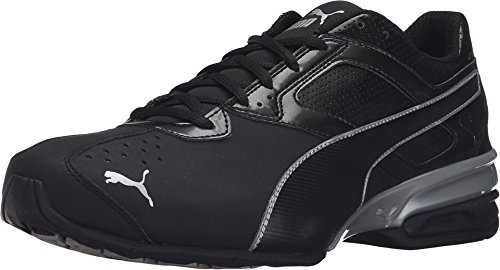
Weighing 0.8 pounds, this PUMA model keeps your feet feeling light during workouts. The SoftFoam+ sockliner and EVA heel pod work together to absorb impact, helping reduce shock on each step. For anyone who wants a straightforward shoe that won’t weigh them down, this is a practical choice.
The trade-off comes with the midfoot saddle design: it locks your foot in securely, but that same feature can feel restrictive if you prefer a more natural toe splay during your workout. The structured saddle gives you stability, but it’s not the roomiest shoe in the guide.
Reebok Nano X5 Cross Training Shoe

What We Like
- Dual-density midsole with firmer heel foam
- Decoupled Metasplit outsole for variable surfaces
- Removable insole with arch support
- Plush collar keeps foot locked down
Trade-offs
- Decoupled outsole reduces stability for heavy Olympic lifts.
- Firmer heel foam lacks cushioning for long runs.
A dual-density midsole with firmer foam in the heel and more responsive foam in the forefoot means this shoe prioritizes stability without sacrificing comfort when you push off. That firm heel keeps your foot planted during weight shifts, while the decoupled Metasplit outsole provides traction on variable surfaces. It suits anyone who wants a secure, locked-in feel, especially if you shift between gym moves like lunges or light lifting.
The Nano X5’s dual-density midsole uses a firmer foam in the heel to create stability during quick transitions, so you won’t feel wobble when moving from a deadlift to a box jump. That same design pairs a responsive forefoot foam for comfort during running and jumping, while the plush collar locks the foot down to eliminate distractions. A removable insole with built-in arch support keeps your feet secure across weight lifting, walking, or short runs.
Nike Reax 8 Tr Mesh Cross-Trainer

What We Like
- Responsive Nike Reax heel cushioning
- Secure dynamic lacing system
- Natural movement with flex grooves
- Durable solid rubber traction pods
Trade-offs
- Cushioning focused on heel, not forefoot
- Flex grooves reduce stability for heavy lifting.
The Nike Reax cushioning in the heel is designed for a responsive ride, which can help absorb impact during activities like walking or light training. The dynamic lacing system wraps securely around the midfoot, so you won’t need to stop and retie often. Flex grooves allow your foot to move naturally, and solid rubber pods underfoot provide durable traction on various surfaces.
At just 0.7 pounds, the Nike Reax 8 Tr Mesh is noticeably lighter than the Nike Metcon 10 (1.0 pounds), so it feels quick on your feet during fast-paced movement. The flex grooves let your foot move naturally, which helps when you’re changing direction. If you want a shoe that stays out of the way during cardio, this one fits the bill.
Reebok NFX Trainer 2 Cross Trainer

What We Like
- Breathable engineered mesh upper
- Removable LuxComfort sock liner for cushioning
- TPU heel clip adds stability
- Flex grooves improve natural foot motion
Trade-offs
- Not designed for heavy outdoor terrain
- Narrow toe box limits splay for wide-footed lifters
A breathable engineered mesh upper means your feet stay cooler during longer elliptical sessions, where sweat buildup can get distracting. That airflow, paired with a plush collar that locks the heel in place, makes this a shoe you can forget you’re wearing, which is exactly what you want when you’re focused on rhythm and endurance. The removable LuxComfort sock liner adds a layer of soft cushioning that you can swap out if you need a custom orthotic, and the TPU heel clip keeps your foot stable through each stride. It’s a smart pick if you value ventilation and a snug, distraction-free fit over raw stiffness.
The Reebok NFX Trainer 2 uses an EVA midsole for cushioning, which keeps the shoe light and comfortable during gym workouts. A TPU heel clip adds stability for dynamic cross-training moves like lifting or running. The breathable mesh upper and flex-grooved rubber sole work together to give you flexibility and traction on variable surfaces, so you can move from the weight floor to a treadmill without switching shoes.
Product photos
AIRHAS Women's Barefoot Gym Shoe
What We Like
- Zero-drop sole encourages natural foot posture
- Breathable stretchy knit upper reduces fatigue
- Flexible thin sole improves ground feel
- Lightweight design for sockless wear
Trade-offs
- Thin sole offers minimal cushioning for high-impact moves
- No shock absorption for heavy resistance or pounding motions
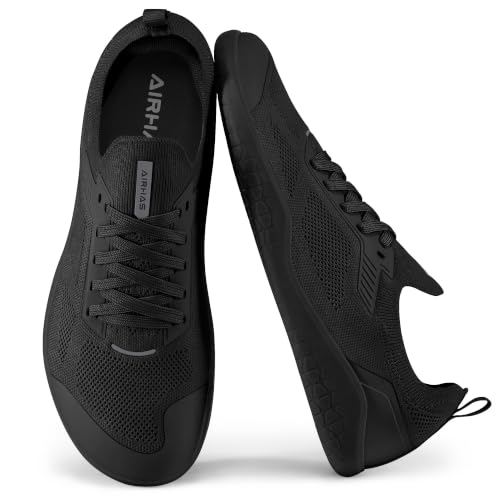
A zero-drop sole, where the heel and forefoot sit at the same height, keeps your feet in a natural posture, which can strengthen lower-leg muscles and improve balance over time. The stretchy knit upper breathes well and moves with your foot, so you won’t feel pinched during longer sessions. This design suits anyone who wants a closer-to-barefoot feel and values flexibility over plush cushioning.
The thin, flexible sole provides less shock absorption than a traditional trainer, so if you tend to pound the pedals or add heavy resistance, your feet may feel every vibration. The Nike Metcon 10 weighs 1.0 pounds, while the AIRHAS weighs 0.9 pounds, making it slightly lighter. Best for gym, yoga, jogging, and other daily occasions where foot awareness matters, not for those who want maximum padding underfoot.
Product photos
AIRHAS Men's Zero Drop Gym Shoe
What We Like
- Zero drop enhances ground connection
- Anatomical toe box lets toes spread naturally
- Breathable upper wicks moisture and reduces odor
- Non-slip outsole for indoor and outdoor traction
Trade-offs
- No cushioning for high-impact running
- Lacks arch support for flat-footed lifters
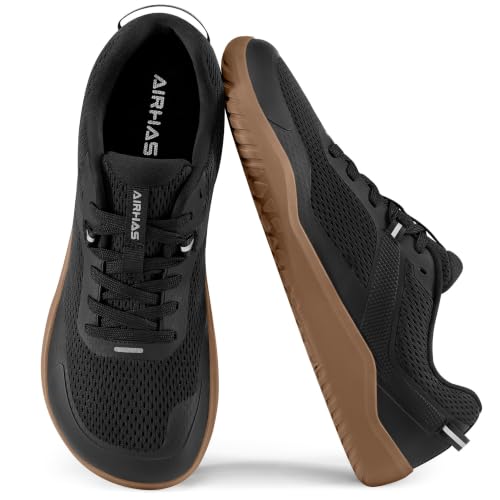
A 0.9-pound weight and zero-drop platform keep your foot flat and low to the ground, which can improve ground feedback and stability during cross-training or daily walking. The anatomical toe box gives your toes room to spread naturally, which may help strengthen foot muscles over time, while the breathable mesh upper wicks moisture to reduce sweat buildup. This shoe works well if you prefer a natural foot position over thick cushioning and want a single pair that moves from the gym to casual wear without a break-in period.
The minimal cushioning and zero-drop design can feel firm if you’re used to a traditional running-style shoe with thick foam. Compared to the Nike Metcon 10, which is heavier at 1.0 pounds and has a more traditional build, the AIRHAS demands a slower adaptation period for your calves and Achilles. If you’re committed to barefoot-style training and don’t mind a firmer feel underfoot, this is a focused tool for that goal. It’s not ideal for long, high-impact sessions if you prefer plush shock absorption.
Product photos
New Balance 608 V5 Cross Trainer

What We Like
- ABZORB heel crash pad absorbs impact
- Molded PU insert for lasting comfort
- Dual density collar supports ankle stability
- Phantom Liner reduces interior irritation
Trade-offs
- Suede upper is less breathable for intense sweat
- Heavier than lightweight training shoes at 0.9 lb
The ABZORB heel crash pad absorbs impact on every step, paired with a molded PU insert for underfoot comfort that lasts from morning to night. That cushioning keeps your feet comfortable through walks, workouts, and all-day wear. The dual density collar supports the ankle and helps maintain stability during those same activities. This shoe suits anyone who wants reliable cushioning for daily use, especially if your workouts involve standing or moving for extended periods.
At 0.9 pounds, the 608 V5 is heavier than the PUMA Tazon 6 FM (0.8 lb), and the suede leather upper may trap more heat than mesh alternatives like the TYR CXT-Flow. If you prefer a lighter feel for faster-paced training, one of those options might serve you better. But for steady-state workouts where comfort and ankle support come first, this New Balance delivers exactly what it promises.
Product photos
New Balance Women's 608 V5 Cross Trainer

What We Like
- ABZORB heel pad absorbs impact
- Suede leather upper molds to foot
- Durable outsole for gym and sidewalks
Trade-offs
- Suede upper less breathable than mesh
- Heavier than some cross-trainers at 0.7 pounds
The suede upper gives a classic, supportive structure, but it may not breathe as freely as mesh. At 0.7 pounds, the shoe is light enough for daily use without feeling bulky. If you want a shoe that cushions every step and works for both workouts and everyday activities, this New Balance delivers reliable comfort and traction on gym floors or sidewalks.
Product photos
How We Evaluated Shoes For Elliptical Workout
We started by looking at the technical specs that affect elliptical performance: sole design, midsole composition, heel-toe drop, and weight. Manufacturer documentation told us about foam types, outsole patterns, and construction materials. We then cross-referenced these details with expert round-ups from fitness trainers and podiatrists who regularly discuss shoes for the elliptical in the context of joint-friendly cardio.
Four criteria mattered most for this category. Stability on the pedals came first, a rounded or overly soft sole can make you feel wobbly during the elliptical’s continuous stride. Cushioning was second, since the repetitive motion of a session can transfer shock through the heel and forefoot. Breathability ranked third because elliptical workouts generate heat without the wind cooling you get outdoors. Finally, we considered weight and flexibility, as a heavy or stiff shoe can fatigue the feet during longer sessions.
The honest limit of a research-led evaluation is that we don’t run miles on each pair ourselves. What we can do is aggregate what consistent owner feedback reveals about real-world fit, durability, and comfort over time. We also note where a shoe excels for one use case but falls short for another, so you can match the design to your actual routine.
What To Look For In Shoes For Elliptical Workout
Choosing shoes for the elliptical means balancing grip, cushion, and breathability in a way that suits your foot shape and workout intensity. Here are the three criteria that matter most.
Focus on a flat, stable outsole that won’t slip on the pedals, enough midsole cushion to absorb repetitive impact, and a breathable upper to manage sweat during sustained cardio sessions.
Outsole Grip And Pedal Stability
The elliptical pedal is a moving platform. A shoe with a rounded or heavily treaded outsole can shift underfoot, forcing your stabilizer muscles to work harder than they should. Look for a flat rubber outsole with moderate tread, enough to grip the pedal surface without catching or rocking.
The Nike Metcon 10 uses sticky rubber that locks onto pedals, while the Reebok Nano X5‘s decoupled outsole adapts to the pedal angle. Avoid running shoes with deep, aggressive tread patterns designed for trail grip; they create unnecessary friction on the smooth pedal surface.
Midsole Cushioning And Impact Absorption
Elliptical training is low-impact, but the repetitive nature of the stride still sends shock through your heels and forefeet. A shoe with responsive cushioning, like the Nike Reax 8 Tr‘s Reax heel foam or the New Balance 608 V5‘s ABZORB pad, can reduce fatigue over a session.
The trade-off is that too much cushion can make the pedal feel unstable, especially during higher resistance settings. The best approach is a balanced midsole: enough foam to absorb impact, but firm enough to give you a solid connection to the pedal. Shoes for the elliptical trainer in the 8-12mm drop range tend to hit this sweet spot.
Breathability And Upper Fit
Elliptical workouts produce steady sweat without the evaporative cooling of outdoor running. A mesh upper, like the TYR CXT-Flow’s breathable knit or the Reebok NFX Trainer 2‘s engineered mesh, lets heat escape and keeps your feet drier. Avoid suede or heavy leather uppers for intense sessions; the New Balance 608 V5 uses suede that molds comfortably but traps heat.
Fit is equally important: a wider toe box lets your toes spread naturally for better balance, while a secure midfoot band prevents sliding. The best shoes for an elliptical machine give you about a thumb’s width of space beyond your longest toe.
- Press your thumb between the shoe’s heel counter and your heel, there should be no more than a quarter-inch of slip
- Wiggle your toes inside the toe box; they should move freely without hitting the front
- Walk on a hard surface and feel for any rocking or instability in the sole
- Check the outsole pattern: flat and smooth is better for pedals than deep lugs
- Consider bringing your workout socks when trying shoes on
A good rule of thumb: if the shoe feels comfortable on a short walk and your foot doesn’t slide inside, it will likely work for elliptical training.
Shoes For Elliptical Workout Compared
The table below compares the key specs of our top ten picks side by side, including weight, drop, and primary use case, so you can see at a glance which model matches your priority.
| Product | Weight | Upper Material | Midsole/Cushioning |
|---|---|---|---|
| Nike Metcon 10 Cross-Training Shoe | 1.0 pounds | Open-holed engineered mesh | ReactX |
| TYR CXT-Flow Cross-Training Shoe | N/A | Breathable Mesh | Cushioned |
| PUMA Tazon 6 FM Cross Trainer | 0.8 pounds | N/A | SoftFoam+ & EVA heel pod |
| Reebok Nano X5 Cross Training Shoe | 1.0 lb | Flexweave | Dual-density EVA |
| Nike Reax 8 Tr Mesh Cross-Trainer | 0.7 pounds | N/A | Nike Reax in heel |
| Reebok NFX Trainer 2 Cross Trainer | N/A | Engineered mesh with heat pressed overlays | EVA with TPU heel clip |
| AIRHAS Women's Barefoot Gym Shoe | 0.9 pounds | Stretchy Knit | Zero-Drop |
| AIRHAS Men's Zero Drop Gym Shoe | 0.9 pounds | Breathable Mesh | Zero Drop |
| New Balance 608 V5 Cross Trainer | 0.9 pounds | Suede leather | ABZORB heel + PU insert |
| New Balance Women's 608 V5 Cross Trainer | 0.7 pounds | Suede leather | ABZORB heel pad + IMEVA midsole |
Frequently Asked Questions
Can I wear running shoes on the elliptical?
Running shoes have thick, heavily cushioned heels and a pronounced rocker shape that can feel unstable on elliptical pedals. The extra foam also reduces your connection to the machine, making it harder to control resistance changes. A flat-soled cross-trainer or dedicated elliptical workout shoes gives you better pedal feel and stability.
What is the difference between cross-trainers and training shoes?
Cross-trainers are a type of training shoe designed for multidirectional movement, combining elements of running, lifting, and agility work. General training shoes may focus more on one activity, like running or walking. For elliptical use, cross-training shoes typically offer the best balance of flat sole stability and responsive cushioning.
How often should I replace shoes used for elliptical workouts?
Most elliptical shoes last for many miles of use, which translates to roughly several months for a regular user. When the outsole tread wears smooth or the midsole feels flat and unresponsive, it is time to replace them. Checking the outsole for uneven wear patterns also helps you catch alignment issues early.
Do I need special shoes for the elliptical, or will any gym shoe work?
A dedicated gym shoe works fine as long as it has a flat, non-marking outsole and enough cushion for your session length. The key is avoiding shoes with aggressive tread, extreme cushion, or a pronounced heel lift. The best workout shoes for elliptical use share a flat platform, moderate drop, and breathable upper.
Is a zero-drop shoe good for elliptical training?
Zero-drop shoes encourage a more natural foot posture and stronger ground feel, which some users prefer for balance on the pedals. The trade-off is minimal cushioning for high-impact or longer sessions. Our Best Zero-Drop Design pick, the AIRHAS Women’s Barefoot Gym Shoe, works well for users who already train in minimalist footwear and want that same sensation on the elliptical.
The Bottom Line
The Nike Metcon 10 Cross-Training Shoe is our best overall pick for anyone who wants one shoe that handles elliptical workouts, lifting, and HIIT without compromise. Its ReactX foam gives you responsive cushioning for sustained cardio, while the flat heel plate and sticky rubber outsole keep you stable on the pedals. If you do most of your training on the elliptical and rarely touch free weights, this is still a strong choice.
For budget-conscious shoppers, the PUMA Tazon 6 FM delivers reliable cushioning and traction at a lower investment. If you prioritize a lightweight, breathable feel for longer sessions, the TYR CXT-Flow is our Best Lightweight Design and worth paying more for. Those who need maximum stability for heavier resistance work should look at the Reebok Nano X5.
The single most important factor when buying workout footwear for the elliptical is sole stability. A shoe that keeps your foot flat and secure on the pedal will make every session more comfortable and efficient, regardless of brand or price point. Start there, and the rest will follow.
