
9 Best Fitness Trackers For Ios in 2026
This post contains affiliate links. As an Amazon Associate, we earn from qualifying purchases.
The Google Fitbit Air Screenless Activity Tracker is our best overall pick because it blends long battery life, a comfortable fit, and AI-guided coaching into a distraction-free design that keeps you in the zone. For deeper health insights without a subscription, the RingConn Gen 3 Smart Ring excels at sleep and vascular tracking. Gym-goers who want automatic rep tracking will appreciate the Amazfit Helio Strap Screenless Tracker.
Anyone who uses an iPhone knows the struggle of finding a fitness tracker that syncs smoothly without costing as much as a new phone. The real challenge isn’t just compatibility, it’s matching the tracker’s strengths to how you actually train, sleep, and recover. You need something that fits your routine, not the other way around.
We built this guide by digging into manufacturer specs, expert round-ups, and patterns in owner feedback to find the nine best fitness trackers for iOS users. Every pick here pairs reliably with the Apple ecosystem, so you can focus on your workout, not the pairing process.
Top 9 Fitness Trackers For iOS in the Market
Certain content that appears on this site comes from Amazon. This content is provided "as is" and is subject to change or removal at any time.
The Best Fitness Trackers For iOS, Reviewed
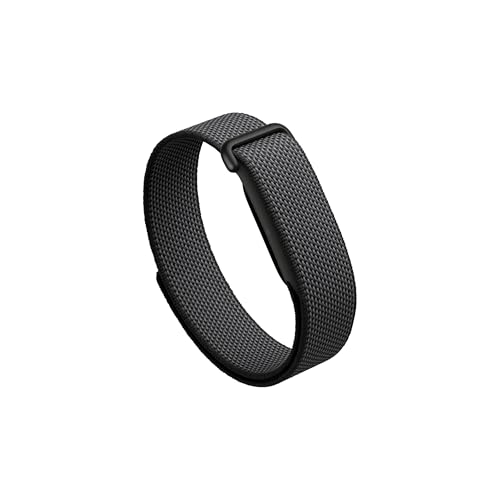
Google Fitbit Air Screenless Activity Tracker
What We Like
- Screenless design avoids distractions
- 7-day battery with 5-minute fast charge
- Lightweight micro-adjustable comfort fit
Trade-offs
- No screen means no glanceable stats mid-workout
- Premium coaching requires paid subscription after trial
A 7-day battery that recovers a full day of use in just five minutes of charging means you can forget about plugging in most of the week. That alone makes the Fitbit Air the kind of tracker you actually wear, not one you leave on the nightstand. It is unbelievably lightweight and the micro-adjustable band fits quietly under a sleeve or a sleep mask, so it disappears into your day. For anyone who wants steady health tracking without a screen pulling their attention, this is the most comfortable way to get it.
No screen means you cannot check your heart rate or step count during a workout; you have to open the app later. The Amazfit Helio Strap offers a 10-day battery and no subscription fees, but it also lacks a display. Google Fitbit Air’s personalized coaching requires a Google Health Premium membership after a three-month trial, so if you want free coaching forever, the Helio Strap is the better fit. For a lightweight tracker that charges to a full day in five minutes, this one stands out.
Product photos
RingConn Gen 3 Smart Ring

What We Like
- No subscription fees for full features
- Vascular health trend analysis after calibration
- Up to 14 days of battery life
- Haptic vibration alerts for health signals
Trade-offs
- Requires sizing kit before purchase for proper fit
- Vascular insights need one-time calibration before use
- Battery life varies with ring size and feature use
A 14-day battery life means you can wear this ring through the workweek and a weekend trip without hunting for a charger, which is rare for something this small. The real draw here is the vascular load tracking: after a short calibration, it watches how sleep, stress, and movement affect your blood vessel health over time. That makes it a thoughtful pick if you are curious about the deeper story behind your daily energy dips or restless nights, not just step counts or workout minutes.
You have to order a sizing kit first to get the fit right, and the vascular insights take a little patience to set up. Compared to the Google Fitbit Air, which skips screens entirely for simplicity, this ring asks a bit more upfront attention but returns a picture of your inner health that a wrist tracker usually does not touch. It suits someone who wants to understand their body’s long-term patterns, not just whether they moved enough today.
Product photos
Amazfit Helio Strap Screenless Tracker

What We Like
- Tracks reps, sets, and rest periods
- Exclusive HYROX Race mode included
- 10-day battery lasts through training weeks
- Syncs with Strava, TrainingPeaks, adidas Running
Trade-offs
- No screen means no glanceable stats during workouts
- Requires Zepp App for all analysis and insights
Tracking reps, sets, and rest periods with precision is what separates a strength-focused tracker from a general step counter, and the Amazfit Helio Strap does exactly that. It logs each repetition and pause automatically, so you can focus on the lift rather than fumbling with a phone or notebook. The dedicated HYROX Race mode is a nice bonus if you ever compete, but even for everyday gym-goers, the 27 sports modes and post-workout insights like VO₂ max and recovery time give you real feedback on how your training is landing. With up to 10 days of battery, you can wear it through a full week of sessions without needing to recharge.
There is no screen here, so you cannot glance at your heart rate or rep count mid-set. You have to check the Zepp App afterward or rely on a paired Amazfit smartwatch if you want live data. Unlike the Google Fitbit Air, which also lacks a screen but focuses more on general activity and sleep, the Helio Strap leans hard into strength-specific metrics. It is the better pick if your training revolves around the gym, but if you prefer a quick wrist check during a run, a screenless design may feel limiting.
Product photos
Withings Scanwatch Light Hybrid Smartwatch

What We Like
- 30-day battery life
- 24/7 heart rate with alerts
- Menstrual cycle tracking included
- VO2 max and connected GPS
Trade-offs
- No on-watch display for workouts
- Uses phone for GPS, no standalone route tracking
Thirty days of battery life means you charge this hybrid watch once a month, not once a week like most screen-based trackers. That long endurance makes it a low-hassle companion for someone who wants heart rate alerts, sleep quality scores, and menstrual cycle logging without remembering another charger. The analog watch face keeps it office-friendly, while the 24/7 heart rate monitoring and VO2 max estimates give you real fitness feedback without looking like a gadget.
You give up a built-in GPS and an always-on workout screen. If you prefer a classic look and hate weekly charging, this hybrid delivers, just know it trades screen convenience for battery freedom.
Withings Scanwatch 2 Hybrid Smartwatch

What We Like
- Medical-grade ECG detects AFib
- 35-day battery for uninterrupted tracking
- Hybrid design with analog hands
- Tracks sleep, workouts, and recovery
Trade-offs
- No full touchscreen for quick interactions
- Proprietary OS limits third-party apps
A 30-second medical-grade ECG built into an analog watch means you can check for atrial fibrillation right from your wrist without pulling out a phone or visiting a clinic. That alone makes this hybrid smartwatch a strong fit if heart health is your priority, especially since it also tracks heart rate continuously and alerts you to highs and lows. With up to 35 days of battery life, you get consistent sleep and recovery insights without the daily charging ritual that most smartwatches demand.
This is not a full smartwatch experience. You get analog hands and a small digital display, so interacting with notifications or apps is limited compared to something like the Google Fitbit Inspire 3. If you want a device that blends classic style with serious health monitoring and can go over a month between charges, the Scanwatch 2 makes sense. Just know you are trading screen-heavy features for battery life and medical-grade tracking.
Product photos
FITVII Slim Fitness Tracker

What We Like
- 24/7 heart rate and blood pressure tracking
- IP68 waterproof for swimming and showers
- 89+ watch faces plus custom photo uploads
- Silent alarm and menstrual cycle reminders
Trade-offs
- No built-in GPS, relies on phone for distance
- Blood pressure readings are not medical-grade
The FITVII Slim packs a 1.47-inch color touch screen and a full suite of 24/7 health sensors, heart rate, blood pressure, blood oxygen, and sleep stage analysis, into a slim, IP68 waterproof body. That means you can wear it in the pool, track your resting heart rate overnight, and get a rough idea of your blood pressure trends without spending a lot. For someone who wants a capable daily health companion that doesn’t demand a premium budget, this watch covers the essentials: step counting, calorie burn, multiple sport modes, and smart notifications from your phone.
The FITVII Slim Fitness Tracker offers 24/7 heart rate, blood pressure, and blood oxygen monitoring right on your wrist, so you can check these health indicators anytime without needing a separate device. It also tracks sleep, steps, calories, and supports multiple sports modes like running, cycling, and yoga. For those who want a broad set of health metrics in a single wearable, this watch delivers that without requiring a subscription or a phone app for basic tracking.
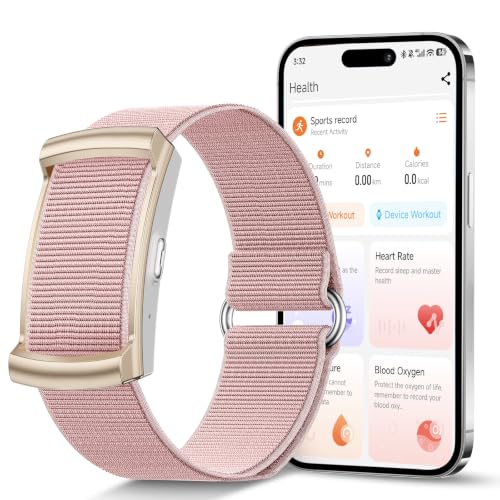
Lgnitek Screenless Smart Bracelet
What We Like
- Ultra-light 12g design for all-day wear
- 30-day standby battery reduces charging hassle
- 100+ sports modes for varied activities
- No subscription needed for wellness data
Trade-offs
- No screen means no glanceable stats during workouts
- IP68 not rated for swimming or hot water
- No call or notification text display
At just 12 grams and 10mm slim, this screenless bracelet disappears on your wrist while still tracking heart rate, blood oxygen, sleep, and over 100 sports modes. The 30-day standby battery allows you to wear it for weeks without reaching for a charger, and all your wellness data lives in the free companion app with no subscription required. It is built for people who want the health insights of a fitness tracker without the constant glow of a screen pulling their attention away from work, workouts, or downtime.
The distraction-free experience means you cannot glance at your wrist mid-run to check pace or heart rate; you have to open the app later. Unlike the Google Fitbit Air, which also skips a display but offers AI coaching, the Lgnitek gives you a much longer battery and a lighter feel, though it lacks the Fitbit’s guided insights. If you want quiet, comfortable tracking that stays out of your way and your wallet, this bracelet delivers exactly that.
Product photos
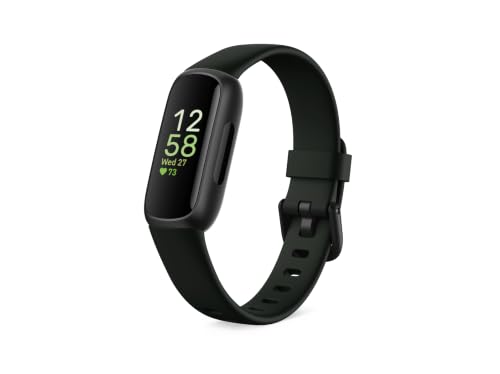
Fitbit Inspire 3 Fitness Tracker
What We Like
- Daily Stress Management Score included
- Mindfulness and relax breathing sessions
- Automatic sleep tracking with Smart Wake
Trade-offs
- Requires iOS 16.4+ or Android 11.0+ to work
- No built-in GPS for phone-free tracking
A daily Stress Management Score that tracks your body’s response to stress and offers guided mindfulness sessions means this tracker treats mental well-being as seriously as step counts. It suits anyone who wants a gentle nudge to breathe, move, and sleep better without feeling overwhelmed by data.
Rstsoe Smart Ring Health Tracker

What We Like
- No subscription fee for data access
- IP68 waterproof for swimming and showering
- Screen-free design leaves wrist free at night
Trade-offs
- 5-day battery needs more frequent charging than some rivals
- Charging requires closing the case lid, easy to forget
The Rstsoe Smart Ring tracks sleep and HRV at night without requiring a monthly subscription, a feature shared by several other screenless trackers. Its IP68 rating means you can wear it in the pool or shower, and the ring form factor leaves your wrist completely bare while you sleep. For someone who wants a straightforward, subscription-free way to monitor sleep and daily activity from a phone, this ring delivers the essentials without locking data behind a paywall.
At five days, the battery life means you will be charging more often than the RingConn Gen 3’s 14-day run or the Withings Scanwatch Light’s 30 days. The ring tracks heart rate and activity throughout the day, so it works well for downtime and light activity, but it doesn’t log structured workouts the way a dedicated fitness tracker might. If your focus is sleep and HRV tracking with no subscription fees, this ring delivers, just keep the charging case nearby.
Product photos
How We Evaluated Fitness Trackers For iOS
Our research started with compatibility: every tracker on this list must pair reliably with an iPhone and offer a solid companion app. From there, we examined battery life, sensor accuracy, and the depth of health metrics each device tracks. We also looked at build quality and comfort for all-day wear.
The three criteria that mattered most were iOS integration, battery life, and the quality of health insights offered without a paid subscription. A tracker that drains your phone’s battery or requires constant charging isn’t helpful, and neither is one that locks your sleep data behind a paywall.
A research-led evaluation has limits. We didn’t test these devices in a lab or wear them for weeks. Our findings come from careful study of specifications, manufacturer documentation, expert round-ups, and the patterns found in thousands of owner reviews. For a deeper look at how these devices stack up, check out our full fitness tracker reviews and tracker comparison.
What To Look For In Fitness Trackers For iOS
Picking the right fitness tracker for your iPhone comes down to matching the device’s features to your daily habits. Here’s what to keep in mind.
Focus on iOS app quality, battery life that matches your schedule, and sensors that track the metrics you actually care about, whether that’s steps, sleep, heart rate, or workout reps.
iOS Compatibility and App Quality
Not every tracker works well with iOS. Some require older operating system versions or lose features when paired with an iPhone. Look for devices with dedicated, well-reviewed companion apps on the App Store. The best fitness trackers for iPhone offer reliable syncing, clear data dashboards, and regular updates from the manufacturer.
Battery Life and Charging Convenience
Battery life varies wildly, from a few days to over a month. A tracker that needs charging every night can disrupt sleep tracking. Consider how often you’re willing to charge and whether the device offers fast charging. The top iPhone fitness watches often balance long battery life with useful features.
Sensor Accuracy and Health Metrics
Heart rate monitors, step counters, and sleep stages are common, but accuracy varies. Look for devices with proven optical sensors and clear explanations of how they measure data. Understand that step tracking accuracy and calorie burn accuracy have inherent limitations. No wrist-based tracker is as precise as medical equipment.
- Check if the tracker requires a subscription for premium health insights.
- Verify that the device supports the specific workout types you do most (running, swimming, strength training).
- Consider whether you need GPS built-in or if connected GPS via your phone is enough.
- Look at the weight and strap design for all-day and overnight comfort.
- Read recent App Store reviews to see if updates have caused issues.
A tracker that feels good at the store may not feel good after eight hours at your desk or during a sweaty workout. Prioritize comfort and secure fit.
Fitness Trackers For iOS Compared
The table below compares our top nine picks across key specs so you can see at a glance which fitness tracker for iOS fits your lifestyle best.
| Product | Battery Life | Compatibility | Screen Type |
|---|---|---|---|
| Google Fitbit Air Screenless Activity Tracker | Up to 7 days | iOS & Android | Screenless |
| RingConn Gen 3 Smart Ring | Up to 14 days | N/A | Screenless |
| Amazfit Helio Strap Screenless Tracker | Up to 10 days | iOS/Android | Screenless |
| Withings Scanwatch Light Hybrid Smartwatch | 30 days | iOS & Android | Analog hands |
| Withings Scanwatch 2 Hybrid Smartwatch | 35 days | iOS & Android | Analog hands |
| FITVII Slim Fitness Tracker | N/A | iOS 10.0+ / Android 5.1+ | 1.47" TFT touch |
| Lgnitek Screenless Smart Bracelet | 15+ days use, 30+ days standby | N/A | Screenless |
| Fitbit Inspire 3 Fitness Tracker | N/A | iOS 16.4 or higher | Touchscreen |
| Rstsoe Smart Ring Health Tracker | 5 days | Apple Health, iOS & Android | Screenless |
Frequently Asked Questions
Can I use a non-Apple fitness tracker with my iPhone?
Yes. Most modern fitness trackers from brands like Fitbit, Garmin, and Amazfit have dedicated iOS apps that sync data reliably. Just check that the device supports a recent version of iOS and that the app is available in the App Store.
Do I need a subscription to get health insights from my fitness tracker?
It depends on the brand. Some trackers, like the RingConn Gen 3 Smart Ring and the Lgnitek Screenless Smart Bracelet, offer full data access without a subscription. Others, like Fitbit, require a paid membership for advanced coaching and deeper sleep analysis.
How accurate are fitness trackers for heart rate and sleep tracking?
Wrist-based optical sensors are reasonably accurate for resting heart rate but can lag during high-intensity intervals. Sleep tracking provides useful trends rather than clinical precision. No consumer tracker replaces medical equipment for diagnosis.
What is the difference between a screenless tracker and a smartwatch?
A screenless tracker is lighter, has longer battery life, and removes the temptation to check notifications during workouts. A smartwatch offers glanceable stats, GPS maps, and app support but typically needs more frequent charging and costs more.
Which fitness tracker is best for strength training in the gym?
The Amazfit Helio Strap Screenless Tracker is designed specifically for gym-goers. It automatically tracks reps, sets, and rest periods, and it includes a HYROX Race mode. It syncs with apps like Strava and TrainingPeaks for post-workout analysis.
The Bottom Line
If you want a tracker that stays out of your way while keeping you on track, the Google Fitbit Air Screenless Activity Tracker is the best overall choice for iOS users. Its long battery, lightweight comfort, and AI coaching make it ideal for anyone who wants consistent, distraction-free tracking.
Budget-conscious shoppers or those who prefer a ring form factor should look at the FITVII Slim Fitness Tracker for affordable waterproof monitoring or the RingConn Gen 3 Smart Ring for subscription-free sleep tracking. Gym regulars will find the Amazfit Helio Strap‘s automatic rep counting useful for strength sessions.
The single most important factor when choosing a fitness tracker for iOS is honest self-assessment of your habits. Pick the device that fits your actual routine, not the one with the longest feature list. A tracker you actually wear every day will always outperform one you leave in a drawer.
