
10 Best Shoes To Train In The Gym in 2026
This post contains affiliate links. As an Amazon Associate, we earn from qualifying purchases.
For most gym-goers, the Reebok Nano X5 Cross Training Shoes are the best overall choice, balancing stability for lifting with comfort for short runs and jumping. The Adidas Dropset Vario Training Shoes are the best for lifting stability, while the Nike Free Metcon 5 suits those who prioritize speed and agility.
The problem is that one shoe rarely does it all. A plush running shoe can feel wobbly under a heavy barbell, while a flat lifting shoe offers no cushion for dynamic drills or the cardio portion of your workout.
This guide is based on a careful review of manufacturer specifications, expert round-ups, and patterns in owner feedback. We focused on the specific features that matter most for training in the gym, from midsole stability to outsole traction, to help you choose with confidence.
Top 10 Shoes To Train In The Gym in the Market
Certain content that appears on this site comes from Amazon. This content is provided "as is" and is subject to change or removal at any time.
The Best Shoes To Train In The Gym, Reviewed
Reebok Nano X5 Cross Training Shoes

What We Like
- Dual-density midsole for stability and comfort
- Breathable Flexweave upper for airflow
- Removable insole with built-in arch support
- Decoupled Metasplit outsole for varied gym moves
Trade-offs
- Not ideal for heavy powerlifting only
- Lacks a dedicated heel lift for Olympic lifts
A dual-density midsole with a firmer foam in the heel and a more responsive foam in the forefoot means you get stable support under heavy squats or deadlifts. Plus you get a cushioned feel when you jump or jog between sets. That balance makes the Reebok Nano X5 a natural fit for anyone who mixes strength work with cardio bursts. The breathable Flexweave upper keeps your feet from overheating during a long session, and the removable insole with arch support lets you swap in your own orthotics if needed. It is the kind of shoe that handles the messy middle of a real gym workout without forcing you to choose between stability and comfort.
At one pound per shoe, the Nano X5 is lighter than the Adidas Dropset 4 Power Trainer at 2.1 pounds, so it won’t weigh you down during fast transitions between exercises. That weight advantage makes it easier to move through lunges, box jumps, or short runs without feeling sluggish. If your training is mostly heavy powerlifting with little movement between sets, a heavier shoe like the Dropset 4 might feel more stable. For most gym-goers who want a single shoe for varied workouts, this is a balanced option.
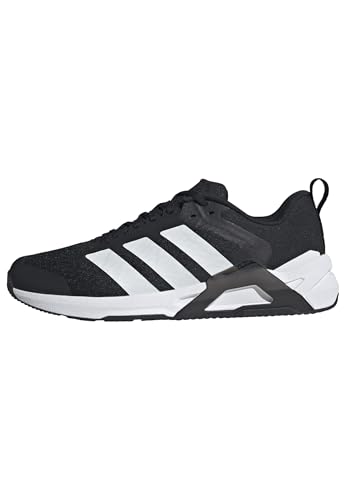
Adidas Dropset Vario Training Shoes
What We Like
- TPU torsion system for heavy lifts
- Wide-fit base enhances ground connection
- Breathable mesh keeps feet cool
- Low-profile design improves lifting mechanics
Trade-offs
- Heavier than most gym shoes at 2.4 lb
- Weighs 2.4 lb, heavier than several listed training shoes
A TPU midfoot torsion system runs under the arch to lock your foot in place during heavy squats and deadlifts, so you can push hard without wobbling. That targeted support, paired with a wide-fit base that keeps you connected to the floor, makes this shoe feel like a solid platform rather than a sneaker. It is built for lifters who want stability first, without sacrificing the ability to move through warmups or dynamic drills comfortably.
The trade-off comes down to weight. At 2.4 pounds, the Dropset Vario is noticeably heavier than the Nike Free Metcon 5 (0.9 pounds). So it is less suited for agility work or fast-paced circuit training where you want your feet light and quick. If your session is mostly barbell work and controlled movements, that extra heft gives you a reassuringly planted feel. But if you mix in box jumps or sprints, you might prefer the lighter, more versatile Reebok Nano X5.
Product photos
Nike Free Metcon 5 Training Shoes

What We Like
- Molded heel clip adds stability
- Redesigned upper for comfort
- Webbing eyelets keep foot secure
Trade-offs
- Not designed for heavy powerlifting focus
- Heavier than the 0.5-pound Under Armour Charged Edge
The redesigned upper wraps your foot without adding bulk, and the webbing eyelets lock your heel in place so you don’t slide around during burpees or lateral shuffles. If your training leans toward fast-paced, multi-directional movement and you want a shoe that feels barely there, this one delivers that airy, responsive ride without sacrificing the stability you need for squats or deadlifts.
The 0.9-pound build includes a molded heel clip for support, but the shoe lacks the extra weight and material found in the Reebok Nano X5, which tips the scales at 1.0 pounds. For someone who primarily does Olympic lifts or high-volume strength sessions, the heavier Nano X5 may feel more planted under heavy loads. But if your gym routine is built around HIIT, circuit training, and moderate lifting, the Free Metcon 5’s low weight and secure fit make every rep feel quicker and less clunky.
Product photos
Reebok Nano Gym 1.0 Athletic Shoes

What We Like
- Removable insole with arch support
- TPU heel clip for lateral support
- Breathable lightweight mesh upper
- Durable rubber sole for variable traction
Trade-offs
- At 1.0 lb, heavier than some gym trainers
- Heavier than the PUMA Tazon 6 FM cross trainer
A removable insole with built-in arch support means you can swap in your own orthotics or keep the factory cushioning exactly where your foot needs it most. That flexibility, paired with a TPU heel clip that locks your heel during lateral moves and a breathable mesh upper, makes this shoe a natural fit for anyone who mixes weightlifting with short runs or agility drills. It’s designed to handle the whole gym session without forcing you to choose between stability for squats and comfort for the treadmill warm-up.
At 1.0 pound per shoe, the Nano Gym 1.0 feels noticeably heavier on your feet than something like the Nike Free Metcon 5 (0.9 lb). So if you’re doing high-rep box jumps or sprint intervals, you might prefer the lighter option. But if you want one pair of trainers that can go from deadlifts to lunges to a quick jog without making you change shoes, this Reebok keeps things simple and supportive.
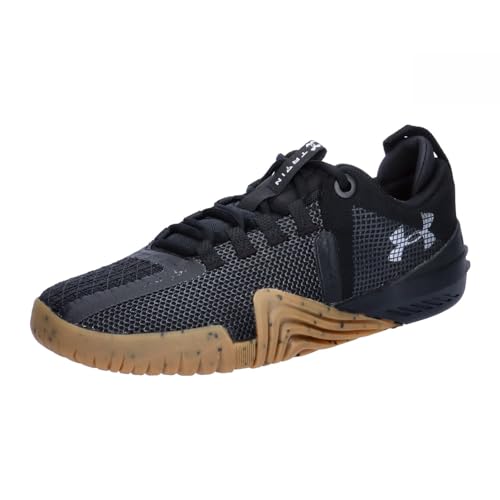
Under Armour TriBase Reign 6 Training Shoes
What We Like
- Three-point ground contact for stable lifts
- UA WARP upper provides support
- Dual-density midsole for comfort and support
- Low build improves power transfer
Trade-offs
- Minimal cushioning for high-impact cardio
- Not ideal for runners needing plush cushioning.
A low-to-the-ground build with three points of ground contact keeps your feet planted during heavy lifts, not wobbling on a squishy platform. The dual-density midsole is softer in the forefoot and firmer in the heel, giving you underfoot comfort where you need it while keeping the rear stable for pressing movements. If your gym sessions revolve around barbell work and you want a solid connection to the floor, this shoe is built for that purpose.
That focus on ground feel comes with a trade-off: the firm heel and minimal cushioning make it less forgiving for box jumps, sprints, or long warm-up jogs. Compared to the Reebok Nano X5, which is a similar weight and build, the TriBase Reign 6 commits harder to lifting stability. It is a shoe for the lifter who values ground connection over versatility, and it does that one job well.
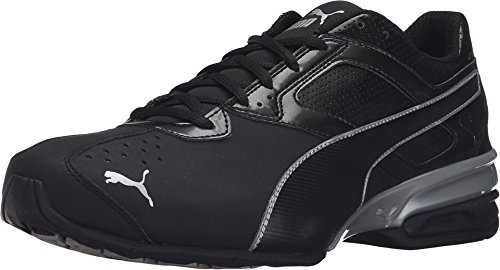
PUMA Tazon 6 FM Cross Training Shoes
What We Like
- SoftFoam+ sockliner for step-in comfort
- EVA heel pod absorbs impact on cardio
- TPU shank improves stability during lifts
- Rubber outsole grips indoor gym floors
Trade-offs
- At 0.8 lb, lighter than some lifters prefer
- Lighter weight (0.8 lb) offers less stability for heavy lifting
The built-in TPU shank support gives you a stable, planted feel during squats and lunges without the stiffness of a full weightlifting shoe. So you can move confidently through cardio and machine work too. The SoftFoam+ sockliner adds plush step-in comfort that makes them easy to wear all day, which is exactly what someone starting their fitness journey needs: a shoe that doesn’t fight back when you’re learning new movements.
The lighter build and EVA cushioning mean these aren’t the best pick if you regularly squat or deadlift heavy loads. The Reebok Nano X5, for example, comes in at 1.0 lb, offering a different balance of weight and platform. But if your gym routine mixes bodyweight circuits, treadmill intervals, and moderate strength work, the Tazon 6 delivers reliable traction and motion control. They’re a straightforward starting point.
Under Armour Charged Edge Training Shoes

What We Like
- Breathable mesh upper for airflow
- Dual-layer Ortholite sockliner for comfort
- Charged Cushioning foam for responsive feel
- Full rubber outsole with traction pattern
Trade-offs
- Leather overlays add weight for agility drills
- No dedicated heel or arch support for heavy lifting
A 0.5-pound shoe with a Charged Cushioning midsole means you get a springy, responsive step that absorbs impact without feeling like you’re sinking into marshmallow. The dual-layer Ortholite sockliner adds a plush step-in feel, so your feet stay comfortable during longer gym sessions or quick transitions between exercises. This is a shoe for someone who wants a lively, cushioned ride during dynamic moves like box jumps, lunges, or short sprints, without sacrificing breathability from the mesh upper.
The leather and synthetic overlays add durability for lateral movements, but the shoe lacks a dedicated heel or arch support structure. So heavy lifting like squats or deadlifts may feel less planted than in a flatter, more stable training shoe such as the Reebok Nano X5. If your gym routine leans toward HIIT, cardio, and lighter strength work, this responsive cushioning is a great fit. For pure powerlifting or Olympic lifts, you’d want a flatter, more stable platform.
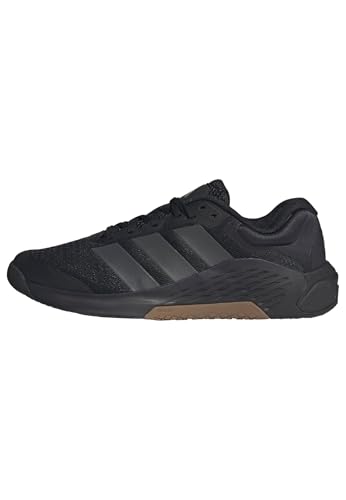
Adidas Dropset 4 Power Trainer Shoes
What We Like
- Continental rubber outsole for wet/dry grip
- Repetitor foam balances cushioning and stability
- Geofit heel pods lock in heel for heavy lifts
Trade-offs
- At 2.1 lb, heavier than the Nike Free Metcon 5 (0.9 lb) and Reebok Nano X5 (1.0 lb)
A full-length Repetitor foam midsole that balances cushioning and stability means you can go from a heavy squat to a box jump without swapping shoes. That versatility is the whole idea here: the Dropset 4 is built for the athlete who wants one pair that handles lifting, rope climbs, short runs, and explosive movements. The Continental rubber outsole keeps you planted on gym floors even if they’re a little sweaty, and the Geofit heel pods wrap your foot for locked-in support during fast transitions. It’s a confident, do-everything trainer for someone who doesn’t want to own three different pairs.
The 2.1-pound weight comes from durable Adiwear rubber and TPU placement, so these shoes hold up to daily training. For lifters who also jump, climb, and sprint in one session, the balanced design delivers controlled stability and responsive feel. That extra heft supports heavy lifts and explosive box jumps without feeling flimsy.
Product photos
NOBULL Allday 365 Ripstop Shoes

What We Like
- Perforated ripstop upper resists wear and tear
- Lug-patterned rubber sole grips various surfaces
- Medial post helps prevent overpronation
- Reflective details improve low-light visibility
Trade-offs
- 10.3 oz weight feels heavier for fast cardio drills
- 10 mm drop reduces stability for heavy lifting
A perforated ripstop upper that the brand calls practically indestructible is the headline here, this shoe is built to handle daily gym abuse without falling apart. The lug-patterned rubber sole keeps you planted on box jumps, turf, and pavement alike, while the medial post and removable insole offer support for proper foot alignment during squats and lunges. If you want a trainer that can survive the grind of frequent cross-training and still look decent for everyday wear, this one delivers on that promise without extra fluff.
The trade-off is a 10 mm heel-to-toe drop, which some lifters may find less stable under a heavy barbell compared to flatter training shoes. At 10.3 ounces, it’s not the lightest option for fast-paced circuits. That said, the cushioning from the phylon EVA midsole keeps things comfortable for walking and light running, so it works well as a do-everything gym shoe for someone who values toughness over specialization.
Product photos
Nike Air Max Alpha Trainer 6 Workout Shoes
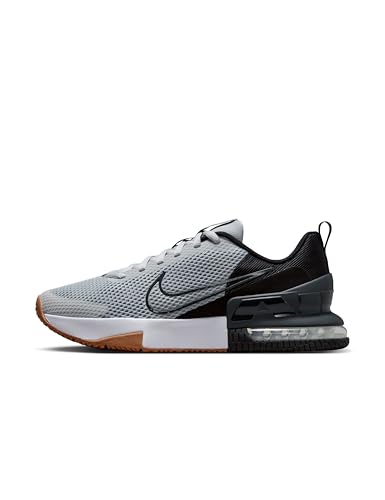
What We Like
- Heel Max Air unit for cushioned stability
- Flat wide sole for stable stance
- Foam collar pads ankle during moves
- Flex grooves in forefoot for lunges
Trade-offs
- Heavier than some training shoes at 1.0 lb
- Heavier than the Nike Free Metcon 5 at 0.9 lb
The heel Max Air unit has been fine-tuned for stability, which means you get plush cushioning without feeling like you’re wobbling during squats or lunges. This shoe pairs a foam midsole with that air unit at the heel to soften impact, while the flat wide sole and rubber tread keep you planted. It’s ideal if your gym sessions mix cardio, light strength work, and exercises where comfort over repeated landings matters more than a super-firm base for max-effort deadlifts.
At 1.0 pounds, the Alpha Trainer 6 is noticeably heavier than a shoe like the Nike Free Metcon 5 (0.9 pounds). So if you prioritize quick footwork or agility drills, you might feel the extra weight. The foam collar and generous cushioning also mean less direct ground feedback compared to a more minimal trainer such as the Reebok Nano X5, which some lifters prefer for heavy compound movements. This is a shoe that rewards comfort and security over minimalism.
Product photos
How We Evaluated Shoes To Train In The Gym
We started by examining the technical specs and design philosophy behind each shoe, things like midsole materials, outsole patterns, heel-to-toe drop, and weight. Manufacturer documentation tells us what a shoe was built to do, and expert round-ups help confirm where those designs succeed or fall short in practice.
Our evaluation centered on four criteria that matter most for gym training: stability under load, versatility across movement types (lifting, jumping, lateral drills), breathability for comfort during intense sessions, and overall weight. A shoe that excels at one thing but fails at another rarely earns a top spot in this category.
The honest limit of a research-led evaluation is that we cannot report how a shoe feels after a month of heavy squats or a season of HIIT classes. What we can do is surface the design choices and owner-reported patterns that point to a shoe’s real strengths and trade-offs, so you can match them to your own training style.
What To Look For In Shoes To Train In The Gym
The right gym shoe depends on what you actually do in the gym. Here are the key factors to weigh before you buy.
A stable, flat base supports heavy lifts; responsive cushioning helps with jumps and cardio. Look for a heel-to-toe drop between 4mm and 8mm for balanced versatility, and a tread pattern that grips indoor floors without marking them.
Stability And Heel Design
A shoe’s stability comes from its outsole width, midsole density, and heel construction. For squats and deadlifts, you want a flat, wide base that doesn’t compress under load. Look for features like a TPU heel clip or a torsion system that resists twisting. A lower heel-to-toe drop (4mm or less) keeps your foot closer to the ground for better power transfer.
Versatility Across Movements
If your workouts mix lifting, box jumps, lunges, and short runs, you need a shoe that handles all of them. A dual-density midsole offers firm support under the heel for lifting and softer cushioning in the forefoot for impact. Flex grooves in the outsole allow natural foot movement during lunges and lateral drills without sacrificing traction.
Breathability And Weight
Intense gym sessions generate heat. A breathable mesh or woven upper (like Flexweave or UA WARP) helps keep your feet cool and dry. Weight matters too, a lighter shoe (under 1 pound per shoe) feels less cumbersome during agility work, while a heavier shoe (over 2 pounds) can feel planted for heavy lifts but sluggish for cardio.
- Check the outsole material: full rubber with a lug pattern grips better than smooth foam.
- Look for a removable insole if you use custom orthotics.
- Consider the lacing system: webbing eyelets or a secure lace-lock help keep your foot from sliding during lateral moves.
- Match the shoe’s intended use to your primary workout, don’t buy a dedicated lifting shoe if you run three times a week.
A shoe that fits snugly in the heel and leaves a thumb’s width of space at the toes is a good starting point for most foot shapes.
Shoes To Train In The Gym Compared
The table below compares the key specs and best-use scenarios for each of our top picks, making it easy to see which shoe fits your training style.
| Product | Weight | Midsole | Outsole |
|---|---|---|---|
| Reebok Nano X5 Cross Training Shoes | 1.0 pounds | Dual-density: firmer heel, responsive forefoot | Decoupled Metasplit rubber |
| Adidas Dropset Vario Training Shoes | 2.4 pounds | Repetitor Foam | N/A |
| Nike Free Metcon 5 Training Shoes | 0.9 pounds | N/A | N/A |
| Reebok Nano Gym 1.0 Athletic Shoes | 1.0 pounds | EVA | Durable rubber |
| Under Armour TriBase Reign 6 Training Shoes | 0.9 pounds | Dual-density (soft forefoot, firm heel) | Strategic rubber under toe box |
| PUMA Tazon 6 FM Cross Training Shoes | 0.8 lb | EVA heel pod + SoftFoam+ sockliner | High-performance rubber |
| Under Armour Charged Edge Training Shoes | 0.5 pounds | Charged Cushioning compression molded foam | Full rubber with pivot & traction pattern |
| Adidas Dropset 4 Power Trainer Shoes | 2.1 pounds | Repetitor foam | Continental rubber |
| NOBULL Allday 365 Ripstop Shoes | 10.3 oz (size 10.5) | Lightweight phylon EVA | Lug-patterned rubber |
| Nike Air Max Alpha Trainer 6 Workout Shoes | 1.0 pounds | Foam midsole + heel Max Air | Flat, wide with rubber tread |
Frequently Asked Questions
Can I use running shoes for gym workouts?
Running shoes are built for forward motion and often have a tall, cushioned heel that can feel unstable under a heavy barbell. For lifting, jumping, and lateral drills, a cross-training shoe with a flatter, wider base provides better stability and support.
What is the difference between cross-trainers and weightlifting shoes?
Weightlifting shoes have a raised, non-compressible heel and a rigid sole for deep squats and Olympic lifts. Cross-trainers offer a more balanced platform for mixed workouts that include cardio and agility work. Our guide on cross trainers vs lifting shoes breaks down the trade-offs in detail.
How should gym shoes fit for lifting?
Your gym shoes should fit snugly in the heel to prevent slipping during squats, with enough room in the toe box to spread your toes for balance. A secure fit around the midfoot is also important for lateral stability. Avoid shoes that are too roomy, as your foot can slide inside during heavy lifts.
What is a good heel-to-toe drop for gym training?
A drop between 4mm and 8mm is a versatile range for most gym workouts. Lower drops (0-4mm) keep you closer to the ground for lifting, while higher drops (8-12mm) offer more cushioning for running. If you do a mix of both, aim for the middle of that range.
Are minimalist or barefoot shoes good for gym workouts?
Minimalist or barefoot shoes offer a zero-drop, thin sole that maximizes ground feel and foot strength for lifting. They work well for dedicated strength training but lack cushioning for high-impact cardio or jumping. They are a specialized choice, not a general-purpose gym shoe.
The Bottom Line
The Reebok Nano X5 is the best all-around gym shoe for most people. Its dual-density midsole and breathable Flexweave upper handle everything from heavy squats to box jumps and short runs, making it the one pair you can grab for any workout. If your training is almost exclusively about heavy lifting, the Adidas Dropset Vario offers superior stability with its TPU torsion system and wide base.
Budget-conscious gym-goers should look at the PUMA Tazon 6 FM, which delivers solid stability and comfort for mixed cardio and strength work at a more accessible price. Those who prioritize fast, agile movements will appreciate the lightweight Nike Free Metcon 5.
The single most important factor is matching the shoe to your actual workouts. A shoe built for powerlifting will frustrate you in a HIIT class, and a cushioned trainer will feel unstable under a heavy barbell. Know your training mix, then pick accordingly.
