
10 Best Fitness And Sleep Tracker Watches in 2026
This post contains affiliate links. As an Amazon Associate, we earn from qualifying purchases.
For most people, the best fitness and sleep tracker watch is the Garmin vívoactive 5 Smartwatch. It wins because it balances detailed sleep coaching with a bright AMOLED display and an 11-day battery, so you don’t have to choose between tracking your rest and your workouts. If you need faster charging and deeper iPhone integration, the Apple Watch SE 3 is a strong alternative, while the Fitbit Inspire 3 offers excellent value for sleep and stress tracking without the smartwatch price.
The real challenge with fitness and sleep trackers is finding one that actually helps you recover, not just counts steps. Many watches promise sleep analysis but deliver vague scores without actionable advice, and a short battery life means you’re charging during the hours you should be tracking. You need a device that respects your rest as much as your run.
We evaluated these 10 picks by studying manufacturer specifications, expert round-ups, and patterns in owner feedback. This guide focuses on what matters most: sleep accuracy, battery life, workout versatility, and real-world usability. No testing, just honest research to help you choose confidently.
Top 10 Fitness And Sleep Tracker Watches in the Market
Certain content that appears on this site comes from Amazon. This content is provided "as is" and is subject to change or removal at any time.
The Best Fitness And Sleep Tracker Watches, Reviewed
Garmin vívoactive 5 Smartwatch

What We Like
- Bright AMOLED display with 11-day battery
- Personalized sleep coaching and nap detection
- Body Battery energy monitoring for rest guidance
- 30+ built-in sports apps including wheelchair mode
Trade-offs
- No built-in music storage or streaming
- Health metrics are estimations, not medical-grade
With battery life reaching up to 11 days in smartwatch mode, you can track sleep, workouts, and daily stress without charging every other night. That kind of stamina supports consistent health data, sleep scores, Body Battery energy insights, and recovery time, so the watch keeps up with your routine. It includes more than 30 built-in sports apps and a wheelchair mode that tracks pushes instead of steps, making the tracking match your actual movement.
Some health monitoring features, such as HRV status and stress tracking, are described as close estimations of the metrics tracked, not clinical measurements. If you need FDA-cleared ECG or AFib detection, the Withings Scanwatch 2 offers those capabilities. For everyday fitness and sleep insight, the Garmin includes GPS and built-in sports apps, which the Fitbit Inspire 3 does not list. The watch provides sleep scores, personalized sleep coaching, and Body Battery insights without requiring you to interpret complex data.
Apple Watch SE 3 Smartwatch
What We Like
- Temperature sensing for cycle tracking
- Sleep apnea notifications and sleep score
- Crash and fall detection for safety
Trade-offs
- 18-hour battery needs daily charging
- Requires iPhone for full connectivity
- GPS model needs iPhone or Wi-Fi nearby
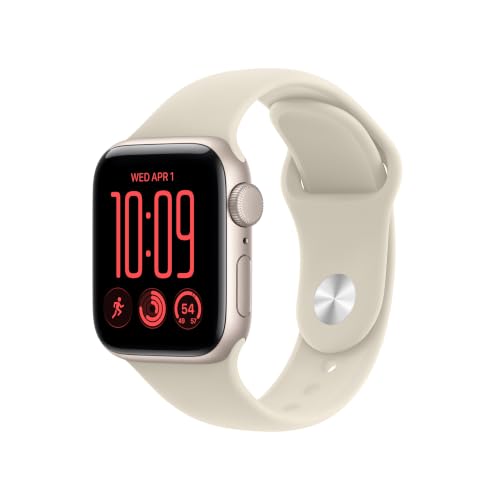
The Apple Watch SE 3 is built for people who forget to charge overnight and don’t want to be tied to a dock. It tracks your sleep score, sends sleep apnea alerts, and uses temperature sensing to give you deeper health insights through the Vitals and Cycle Tracking apps. If you want a smartwatch that fits into a busy, on-the-go routine without demanding a long charging session, this is the one.
The trade-off is that all-day 18-hour battery life means you will need to charge it every day. That is fine if you pair it with the fast charging, but it does mean you cannot wear it for multi-day trips without bringing the charger. Compare that to something like the Amazfit Bip 6, which lasts two weeks on a charge but charges slowly. The SE 3 also requires an iPhone to set up and use, so Android users are out of luck. But if you are already in the Apple ecosystem and want a watch that gets you back on your wrist fast, this is the most practical fitness and sleep tracker for your daily rhythm.
Product photos
Fitbit Inspire 3 Tracker
What We Like
- Daily Readiness Score and Active Zone Minutes
- Automatic sleep tracking with smart wake alarm
- Stress Management Score and mindfulness sessions
- Includes 3-month Google Health Premium membership
Trade-offs
- Requires iOS 16.4 or Android 11.0 or higher
- No built-in GPS for phone-free tracking
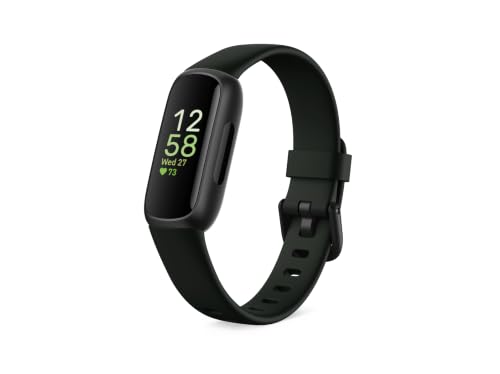
A 24/7 heart rate sensor paired with automatic sleep tracking and a daily Sleep Score means you get genuine recovery insights without having to tap a button before bed. That combination, plus a Stress Management Score and guided breathing sessions, makes this the tracker for anyone who wants to understand their daily energy cycle rather than just count steps. It is small enough to wear 24/7 without noticing it, which matters more for sleep tracking than any spec sheet number.
The Inspire 3 is a tracker that helps you find your energy, do what you love, and feel your best, all you have to do is wear it. It tracks stress with a daily Stress Management Score, sleep with automatic tracking and a Sleep Score, and activity with 24/7 heart rate and 40+ exercise modes. For someone who wants clear sleep and stress insights at a friendly price, this delivers exactly what the name promises.
Fitbit Charge 6 Fitness Tracker
What We Like
- Real-time heart rate on gym machines
- Built-in GPS for outdoor runs
- Google Maps turn-by-turn directions
- Smart Wake alarm for gentler mornings
Trade-offs
- Google Health Premium trial expires after 3 months
- No onboard music storage (requires phone connection)
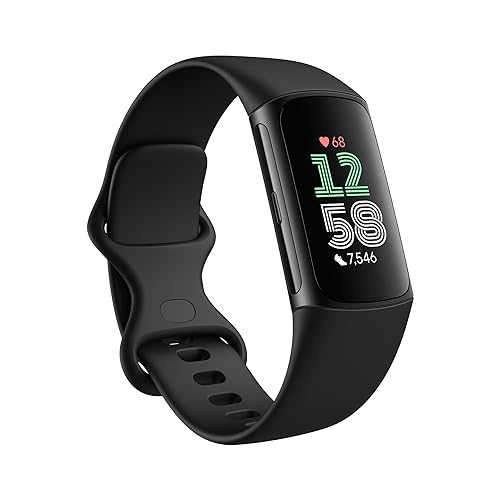
Linking your heart rate directly to compatible treadmills and ellipticals means you can see your effort on the machine’s own display without glancing at your wrist. That feature alone makes the Charge 6 a natural fit for anyone who spends most of their workout on gym equipment and wants consistent intensity data. It also packs built-in GPS for outdoor runs, over forty exercise modes, and a personalized Sleep Score that breaks down your rest quality each morning. For the person who splits their week between the weight floor and the treadmill, this tracker bridges the gap between gym machines and wearable data more directly than most.
The Google Health Premium trial only lasts three months, and after that the subscription costs extra if you want the deeper coaching features. Compared to the Garmin vívoactive 5, which includes sleep coaching and Body Battery energy monitoring, the Charge 6 relies more on a paid membership for advanced insights. You also get YouTube Music controls, but you’ll need your phone nearby for playlists or podcast control. If you prefer a subscription-free experience or want to run phone-free with music, one of those other picks might suit you better.
Amazfit Bip 6 Smart Watch

What We Like
- 14-day battery life
- 1.97" vivid AMOLED display
- 140+ workout modes including HYROX
- Free downloadable maps with turn-by-turn
Trade-offs
- No built-in music storage or streaming
- No onboard music storage for phone-free listening
A 14-day battery life means you can leave the charger at home for nearly two weeks straight, which is a rare luxury in the smartwatch world. That kind of stamina makes this an ideal companion for travelers, shift workers, or anyone who simply forgets to plug things in every night. The 1.97-inch AMOLED display stays bright enough to read under direct sun, and the 140-plus workout modes cover everything from strength training to HYROX racing, so you are not stuck with generic tracking. GPS locks on fast thanks to five satellite systems, and free downloadable maps with turn-by-turn directions keep you exploring without worrying about data or signal.
For anyone who prioritizes battery life above all else and wants a bright screen plus solid GPS and health monitoring without nightly charging, this watch delivers exactly what it promises. The 1.97-inch AMOLED display stays readable in direct sunlight, so glancing at stats during a midday run is no problem. GPS locks onto five satellite systems for accurate route tracking, and free downloadable maps with turn-by-turn directions help navigate unfamiliar trails. Battery life reaches up to 14 days under typical use, meaning a two-week training block or vacation won’t require hunting for a charger. Health monitoring covers heart rate, sleep, blood oxygen, and stress around the clock, feeding back actionable insights without demanding constant attention. Compared to the Garmin Venu 4’s shorter battery span, this model reduces the frequency of charging interruptions significantly.
Product photos
Samsung Galaxy Watch9 Smartwatch
What We Like
- AI-powered fitness coaching tailored to your goals
- Advanced sleep coaching with bedtime guidance
- Blood pressure monitoring from wrist
- Tap to pay for quick errands
Trade-offs
- Blood pressure cuff sold separately for calibration
- No built-in GPS for outdoor runs without phone
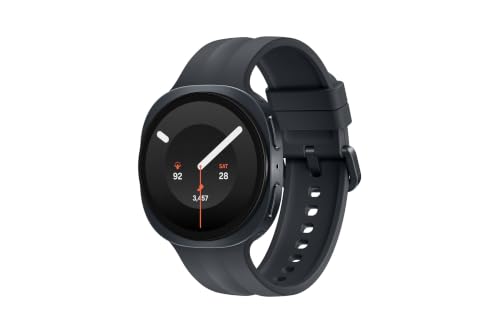
The Samsung Galaxy Watch9 wraps a personalized AI coach around your wrist, using your sleep patterns, heart rate, and activity to deliver tailored fitness guidance through its Fitness Index. That means instead of guessing if you are overtraining or slacking, the watch adjusts its suggestions based on your actual recovery and goals, so you can build endurance or strength without burning out. The Vitals feature tracks health metrics while you sleep, catches shifts from your usual patterns, and provides tailored guidance based on the insights. If you want a smartwatch that actively coaches rather than just logs steps, this is your lane.
The most practical thing to know: checking your blood pressure on this watch requires a separate cuff for initial calibration, so it’s not something you can use straight out of the box. Next to the Garmin vívoactive 5, which includes Body Battery Energy Monitoring, the Galaxy Watch9 focuses on AI-driven coaching and everyday conveniences like tap-to-pay. For someone who wants a fitness companion that offers smart suggestions and doesn’t mind keeping their phone nearby for navigation, this watch delivers coaching without the guesswork.
Withings Scanwatch 2 Hybrid

What We Like
- Hybrid analog-digital design
- Tracks sleep stages and breathing
- Up to 35 days of continuous battery life
Trade-offs
- No full-color touchscreen for app-like navigation
- Proprietary OS limits third-party app support
- No built-in GPS without phone connection
A single charge keeps this hybrid watch running for up to 35 days, so you can wear it continuously through nights and weekends without hunting for a charger. That kind of stamina is rare among smartwatches, and it lets you focus on your sleep and recovery instead of remembering to plug in. Owners report the battery easily lasts a full month even with daily heart rate tracking and periodic ECG checks. The long runtime also means the watch can maintain uninterrupted overnight monitoring, which is essential for accurate sleep stage and breathing analysis. For someone who wants health data without daily charging duties, this endurance is a practical advantage.
You do give up the full touchscreen experience and app ecosystem of a full smartwatch like the Apple Watch SE 3, which offers a color display and a wide range of apps. Withings runs its own HealthSense OS, so third-party app support is limited compared to platforms like watchOS. For someone who wants deep health metrics and a week-plus battery, that sacrifice is easy to make. Next to the Garmin vívoactive 5, the Scanwatch 2 offers a more discreet look and longer battery life, but the Garmin gives you a color display and built-in sports apps. Pick the Withings if your priority is continuous health tracking in a watch that doesn’t scream ‘smartwatch.’
Product photos
Garmin Venu 4 Smartwatch
What We Like
- Tracks lifestyle impacts like caffeine on sleep
- Built-in flashlight for convenience
- Sleep score with circadian rhythm alignment
Trade-offs
- Pulse Ox not available in all countries
- Sleep data is estimation, not medical grade
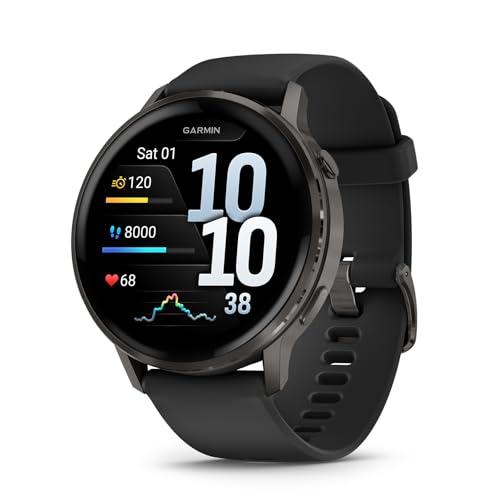
The Garmin Venu 4 goes beyond counting hours in bed. That coaching is backed by real data: you can log daily habits like caffeine or alcohol intake and see how they affect your sleep, stress, and HRV in the Garmin Connect app. For anyone who wants to understand why they sleep well some nights and poorly others, this watch turns guesswork into a clear picture.
The sleep metrics are estimates, not medical readings, and the Pulse Ox feature for breathing variations isn’t available everywhere. The 45mm case fits wrists with a circumference of 135-200 mm, so it accommodates a range of sizes. But if sleep coaching is your priority and you want a watch that links your daytime habits to your nightly recovery, the Venu 4 delivers that insight better than most.
Samsung Galaxy Watch 7 Smartwatch

What We Like
- Personalized Energy Score with Galaxy AI
- Improved heart rate tracking with movement filtering
- Sleep tracking with sleep apnea detection
- Wellness Tips for goal support
Trade-offs
- Requires phone for Wellness Tips analysis
- Battery life shorter than many competitors' models
A personalized Energy Score that calculates your physical readiness based on yesterday’s activity is the standout feature here, helping you decide whether to push hard or take it easy. That kind of daily guidance is perfect for someone who wants to train smarter, not just harder, especially when combined with improved heart rate tracking that filters out body movement for more accurate readings. The sleep tracking goes beyond basic stages too, offering insights to build better habits and even detecting moderate to severe sleep apnea, which adds a layer of health monitoring you don’t see on every smartwatch.
The Wellness Tips feature requires your phone to analyze the insights collected by the watch, so you can’t get those personalized suggestions directly on your wrist. Next to the Garmin vívoactive 5, which offers Body Battery energy monitoring and a sleep coach without needing a phone for analysis, the Galaxy Watch 7 is a bit more dependent on your smartphone. Still, if you’re already in the Samsung ecosystem and want a watch that blends fitness tracking with sleep health and a daily readiness score, this is a strong, feature-packed option.
Product photos
Withings Scanwatch Light Hybrid

What We Like
- 30-day battery life between charges
- Hybrid design with classic watch look
- Heart rate and sleep monitoring included
- FSA & HSA eligible purchase
Trade-offs
- No GPS for outdoor route tracking
- No color touchscreen display
- No onboard music storage or playback
Thirty days of battery life means you can wear this watch for weeks without reaching for a charger, which is a rare convenience in the smartwatch world. The hybrid analog display gives you a traditional watch face while still tracking heart rate, sleep, steps, and cycle patterns through Bluetooth to your phone. It pairs with iOS and Android devices, so you get the data you need without a bright screen or constant notifications.
You give up GPS mapping and a color touchscreen, so if you need pace and distance on your wrist during a run, you might prefer the Garmin Venu 4 instead. The Scanwatch Light Hybrid is designed for someone who values long battery life and a classic watch look over flashy displays and standalone navigation. It’s a straightforward tool for daily activity and sleep tracking, not a full-featured training watch.
Product photos
How We Evaluated Fitness And Sleep Tracker Watches
Our research began with a deep dive into the technical specs and manufacturer claims for each watch. We cross-referenced those against patterns found in owner feedback and expert commentary to understand what features actually deliver in daily life. We focused on the watches that consistently appear in top recommendations for both fitness and sleep tracking.
The four criteria that mattered most were sleep tracking depth, battery life, workout variety, and integration with daily health metrics. Sleep tracking is useless if it only tells you how long you slept, so we prioritized devices with sleep staging, sleep scores, and coaching. Battery life determines whether you actually wear the watch to bed, and workout variety ensures you don’t outgrow the device. We also looked for features like stress management and readiness scores that connect activity to recovery.
A research-led evaluation has limits. Battery life claims and sleep stage accuracy come from owner reports and expert consensus, not from personal testing. For the most precise picture, read multiple user reviews and consider your own sleep habits and workout routines.
What To Look For In Fitness And Sleep Tracker Watches
Choosing the right fitness and sleep tracker watch means matching the device’s strengths to your habits. The best watch for a marathon runner is different from the best watch for someone focused on stress and sleep quality.
Look for a watch with at least 5 days of battery life if you want to track sleep consistently, and prioritize sleep staging and a sleep score over simple duration tracking. For workouts, check that the watch supports your primary activities and offers built-in GPS if you run without a phone.
Sleep Tracking Depth
The difference between a basic sleep tracker and a great one is how it interprets your data. Look for devices that detect sleep stages (light, deep, REM) and provide a sleep score that factors in duration, quality, and consistency. Advanced features like sleep coaching, nap detection, and insights into how lifestyle factors like caffeine or exercise affect your rest are worth paying more for. Some watches even offer sleep apnea detection, though this is not a replacement for a medical diagnosis.
Battery Life and Charging
Battery life is the single biggest factor in whether you actually wear a watch to bed. A watch that needs charging every night means you miss sleep data. Aim for at least 5 days of battery life for consistent sleep tracking; 10 days or more is ideal. If you prefer a watch with a shorter battery but faster charging, like the Apple Watch SE 3, make sure you can charge it during a morning shower or while you get ready for bed.
Workout and Activity Tracking
Your watch should support the exercises you actually do. For runners and cyclists, built-in GPS is essential for accurate pace and distance without a phone. For gym-goers, real-time heart rate display on gym equipment is a useful bonus. Look for a wide variety of built-in workout modes, including strength training, yoga, and swimming. Features like automatic rep counting and heart rate zone tracking can help you train smarter.
Health and Wellness Features
Beyond sleep and workouts, the best watches connect the dots between activity, stress, and recovery. Daily readiness scores, stress management tools, and energy monitoring (like Garmin’s Body Battery) tell you when to push and when to rest. Some watches offer blood pressure monitoring or ECG, but these require calibration or a separate device. For women, cycle tracking with temperature sensing can be a valuable addition.
- Check that the watch is compatible with your smartphone (iOS or Android).
- Look for a display that is easy to read indoors and outdoors (AMOLED is preferred).
- Consider the watch’s size and weight if you plan to wear it 24/7.
- Verify that the watch offers smart features you want, like notifications or music control.
- Read recent owner feedback to check for software bugs or accuracy complaints.
A good rule of thumb: the best fitness and sleep tracker watch is the one you actually want to wear all day and all night.
Fitness And Sleep Tracker Watches Compared
The table below compares the top 10 picks across the most important features for fitness and sleep tracking, so you can see at a glance which watch fits your priorities.
| Product | Display | Battery Life | Sleep Tracking |
|---|---|---|---|
| Garmin vívoactive 5 Smartwatch | AMOLED | Up to 11 days | Sleep score + coaching |
| Apple Watch SE 3 Smartwatch | 40mm | 18 hours | Sleep tracking |
| Fitbit Inspire 3 Tracker | N/A | N/A | Auto tracking + Sleep Score |
| Fitbit Charge 6 Fitness Tracker | N/A | N/A | Personalized nightly Sleep Score |
| Amazfit Bip 6 Smart Watch | 1.97" AMOLED | Up to 14 days | Sleep tracker |
| Samsung Galaxy Watch9 Smartwatch | 40mm | N/A | Advanced Sleep Coaching |
| Withings Scanwatch 2 Hybrid | Analog hands + digital | 35 days | Sleep stages |
| Garmin Venu 4 Smartwatch | AMOLED | Up to 12 days | Sleep score + personalized coaching |
| Samsung Galaxy Watch 7 Smartwatch | 40mm | N/A | Sleep tracking |
| Withings Scanwatch Light Hybrid | Hybrid analog | 30 days | Sleep monitoring |
Frequently Asked Questions
How accurate are fitness and sleep tracker watches?
Most consumer sleep tracking accuracy is reasonable for trends but not medical-grade. Watches estimate sleep stages using movement and heart rate data, which is generally reliable for detecting sleep duration and consistency. For precise sleep stage measurement, a clinical sleep study is needed. The same applies to calorie burn and heart rate, useful for patterns, not exact numbers.
What is the difference between a fitness tracker and a smartwatch?
A fitness tracker focuses on health metrics like steps, sleep, and heart rate, often with a smaller display and longer battery life. A smartwatch adds app support, notifications, and sometimes cellular connectivity. The line is blurring, but choosing between a smartwatch and tracker usually comes down to whether you want a full-featured phone companion or a dedicated health device.
Can I track my sleep without wearing the watch to bed?
No, sleep tracking requires wearing the watch on your wrist while you sleep. The watch uses accelerometer and heart rate data to detect movement and sleep stages. Some watches offer a sleep mode that disables notifications and dims the screen, but the physical contact is necessary for data collection.
How long does the battery last on a sleep tracker watch?
Battery life varies widely. Some watches, like the Apple Watch SE 3, need daily charging, while others, like the Withings Scanwatch 2, last up to 35 days. For consistent sleep tracking, we recommend a watch with at least 5 days of battery life so you can charge it at a convenient time without missing a night of data.
Do I need built-in GPS on a fitness watch?
Built-in GPS is important if you run, cycle, or hike without your phone. It provides accurate pace, distance, and route mapping. If you always carry your phone during workouts, a watch with connected GPS (using your phone’s GPS) will work fine. The best sleep tracking devices often sacrifice GPS for battery life, so consider your priorities.
The Bottom Line
The Garmin vívoactive 5 Smartwatch is the best overall choice for anyone who wants a balanced fitness and sleep tracker with coaching, a bright display, and battery life that lasts through the week. It is ideal for people who value sleep insights and recovery guidance as much as workout tracking, without needing to charge every night.
If your priority is budget-friendly sleep and stress tracking, the Fitbit Inspire 3 delivers good value in a lightweight, comfortable design. For iPhone users who want fast charging and safety features like crash detection, the Apple Watch SE 3 is a reasonable choice. Those who hate charging altogether should look at the Amazfit Bip 6 or the hybrid Withings models.
The single most important factor in choosing a fitness and sleep tracker watch is battery life. A watch you have to charge every night will never track your sleep. Find one that lasts at least as long as your typical week, and you will actually use the sleep data it provides.
