
9 Best Watches For Gym in 2026
This post contains affiliate links. As an Amazon Associate, we earn from qualifying purchases.
For the gym, the Garmin Vivoactive 5 GPS Smartwatch earns our best overall spot. It combines a bright AMOLED display (easy to read mid-set) with over 30 built-in sports apps and recovery insights like Body Battery and sleep coaching. Runners looking for adaptive training guidance should check the Garmin Forerunner 165, while those on a budget will appreciate the durable Timex Ironman Transit+.
The challenge with gym watches is balancing real-time workout data with features that actually help you recover and improve. A watch that tracks your sets is great, but one that also tells you when to rest is even better. You need something that survives sweat, reads clearly in low light, and doesn’t get in the way during a deadlift or a burpee.
We built this guide by analyzing manufacturer specs, expert round-ups, and patterns in owner feedback across nine of the top contenders. Our goal is to help you match a watch’s strengths, whether that’s battery life, heart rate accuracy, or voice control, to your specific gym routine and lifestyle.
Top 9 Watches For Gym in the Market
Certain content that appears on this site comes from Amazon. This content is provided "as is" and is subject to change or removal at any time.
The Best Watches For Gym, Reviewed
Garmin Vivoactive 5 GPS Smartwatch

What We Like
- Bright AMOLED display for easy gym viewing
- 30+ built-in sports apps cover gym workouts
- Body Battery energy monitoring guides rest
- Sleep coaching and HRV status for recovery
Trade-offs
- Wrist-based heart rate less accurate than chest strap
- No dedicated strength rep counting without app
With battery life of up to 11 days in smartwatch mode, you can go nearly two weeks without hunting for a charger. That kind of endurance means the watch stays on your wrist through a full week of workouts and daily wear. More than 30 built-in indoor and GPS sports apps cover walking, running, cycling, HIIT, swimming, golf, and more, so you can track a wide variety of activities. Body Battery energy monitoring shows when you’re charged up or need rest, helping you decide whether to push harder or take it easy.
Garmin Forerunner 165 Running Smartwatch

What We Like
- Built-in GPS tracks pace, distance, speed
- Daily suggested workouts adapt to recovery
- AMOLED display with button controls
- 25+ activity profiles for varied training
Trade-offs
- No onboard music storage for phone-free listening
- Strength profile lacks advanced rep counting
Up to 19 hours of GPS battery life means you can run multiple long sessions between charges without worrying about the watch dying mid-route. That built-in GPS tracks pace, distance, and speed right from your wrist, so you don’t need to carry your phone. The AMOLED touchscreen is bright and easy to read in direct sun, and the physical buttons give you reliable control even when your fingers are sweaty or gloved. For runners who want a lightweight companion that adapts to their recovery and performance, this watch delivers personalized daily suggested workouts that adjust based on how you actually feel and perform.
The 43mm case is compact, which keeps the watch light at 0.1 pounds for all-day comfort. Unlike the Apple Watch SE 3, there’s no onboard music storage, so you’ll need your phone if you want to stream tunes on a run. Still, the Garmin Forerunner 165 focuses on what matters most for dedicated runners: accurate GPS, smart coaching, and battery life that keeps up with your training schedule. It’s a focused tool for the runner who values data and endurance over smartwatch extras.
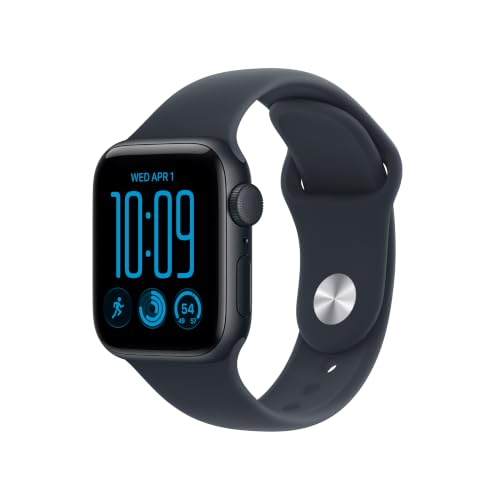
Apple Watch SE 3 GPS Smartwatch
What We Like
- Charges up to twice as fast as SE 2
- 8 hours of battery in 15 minutes
- All-day 18-hour battery life
- Workout tracking with real-time metrics
Trade-offs
- Requires iPhone or Wi-Fi to stay connected
- 0.5 pounds is heavier than some gym bands
Eighteen hours of battery life from sunup to sundown keeps you tracking sets, steps, and sleep without hunting for a charger mid-day. But the real trick is fast charging: plug it in for just 15 minutes and you get up to eight hours of juice. That means you can roll out of bed, realize your watch is nearly dead, and still have enough power for a full gym session plus the commute home. It is a smartwatch that fits the messy reality of real mornings, not just perfect routines.
This GPS model needs your iPhone or a Wi-Fi network to stay connected. So if you like leaving your phone in the locker, you will miss calls and texts until you are back in range. At half a pound, it is also noticeably heavier than a slim band like the Samsung Galaxy Fit 3, which might feel bulky during wrist-heavy moves like push-ups or kettlebell swings. For anyone who already carries an iPhone and values convenience over minimal weight, though, the fast charging makes this an easy daily companion.
Product photos
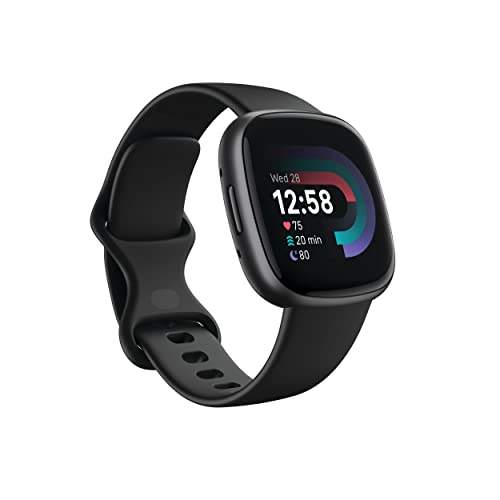
Fitbit Versa 4 Fitness Smartwatch
What We Like
- Daily Readiness Score guides workout or rest
- 40+ exercise modes with auto tracking
- 6+ days battery life
- Built-in GPS with workout intensity map
Trade-offs
- No onboard music storage for phone-free listening
- Requires subscription for advanced coaching after 3 months
A Daily Readiness Score that tells you when to push hard and when to pull back is the kind of nudge most of us need to avoid burning out or skipping days entirely. With 40+ exercise modes, built-in GPS, and automatic workout tracking, this watch keeps you honest without making you tap through menus mid-set. The 6-plus-day battery means you can wear it through the workweek and still have juice for Saturday morning circuits. It suits anyone who wants a coach-like voice on their wrist, someone who values recovery as much as reps and doesn’t want to charge another device every night.
You lose some independence here: there is no onboard music storage, so you will need your phone nearby for playlists or podcasts. Compared to the Garmin Vivoactive 5, which offers body battery energy monitoring, the Versa 4 leans harder on the Google ecosystem with Alexa, Google Wallet, and Maps built in. That is great if you are already in that world but less flexible if you are not. The included three-month premium subscription gives you deeper analytics, but the daily readiness and sleep tools still work without paying.
Product photos
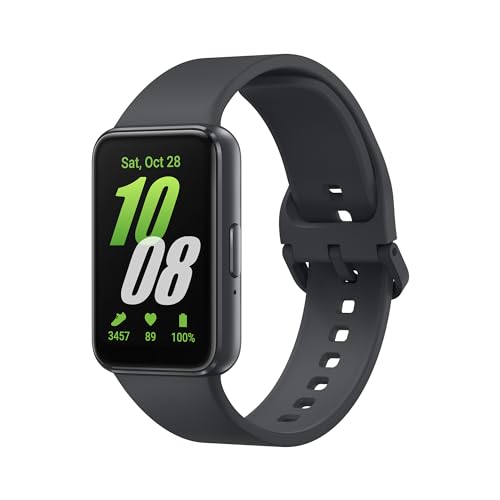
Samsung Galaxy Fit 3 Fitness Band
What We Like
- Up to 14 days battery life
- Vibrant 1.6" AMOLED display
- 5ATM & IP68 water resistance
- 101+ workout modes with auto detection
Trade-offs
- Not compatible with iPhone or iOS devices
- No US warranty (international model)
- Samsung Pay not supported
The 208mAh battery delivers up to 14 days of power, so you can leave the charger at home during a long week of gym sessions and daily wear. That endurance makes it a great fit for anyone who wants a no-fuss fitness tracker that keeps running without constant reminders to plug in. The bright 1.6-inch AMOLED display stays easy to read even under gym lights, and the 101+ workout modes with auto detection mean it catches most of your exercises without you having to tap through menus.
This is an international model with no US warranty, and it works only with Android phones. So if you use an iPhone, you will need to look elsewhere. Compared to the Garmin Vivoactive 5, which also offers long battery life and GPS, the Samsung Galaxy Fit 3 focuses on simplicity and a lower price point rather than built-in navigation. For Android users who prioritize battery stamina and a sharp screen over smartwatch extras like payments or LTE, this band delivers where it counts.
Timex Ironman Transit+ Watch

What We Like
- Easy-touch heart rate monitor for on-demand checks
- 100-hour chronograph with 10-lap memory
- Indiglo light-up dial for low-light visibility
Trade-offs
- No built-in GPS for route tracking.
- Acrylic lens is prone to scratches.
A 100-hour chronograph with 10-lap memory means you can time every set, rest, and interval without worrying about the battery dying mid-session. That kind of endurance is rare in a budget watch. It makes the Timex Ironman Transit+ a straightforward tool for gym-goers who want stopwatch precision and basic activity tracking without the complexity of a full smartwatch. The easy-touch heart rate monitor lets you check your pulse on demand, and the Indiglo backlight keeps the gray digital display readable in a dim weight room. If your gym routine is about lifting, timing, and keeping things simple, this watch delivers exactly that with no fuss.
Product photos
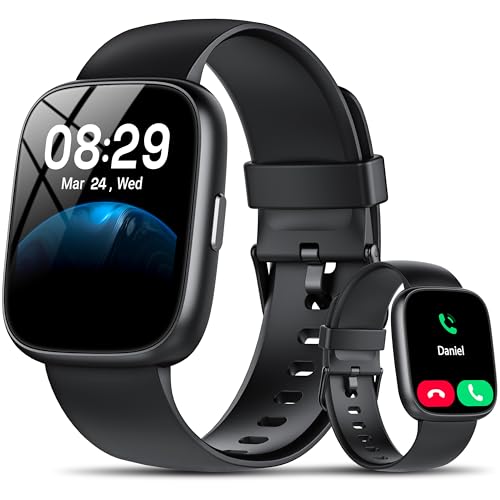
Cillso Smart Watch with Alexa
What We Like
- Built-in Alexa for hands-free commands
- 120+ sport modes for varied workouts
- IP68 waterproof resists sweat and rain
- Bluetooth 5.3 calling and notifications
Trade-offs
- Not rated for swimming or hot showers
- Lacks advanced recovery metrics like Body Battery
A 1.83-inch HD display and built-in Alexa voice control mean you can check the weather, set a timer between sets, or change your playlist without touching the watch. That is perfect when your hands are sweaty or wrapped around a barbell. With 120+ sport modes and an IP68 rating that shrugs off sweat and rain, this Cillso smartwatch covers the basics for gym-goers who want voice convenience without breaking the bank. It also handles Bluetooth 5.3 calls and notifications, so you can stay connected mid-workout without pulling out your phone.
IP68 stops at sweat and splashes, so don’t take it swimming or into a hot shower. If you prioritize voice shortcuts and a big bright screen over advanced training metrics, this is a practical, affordable companion for the gym floor.
Apple Watch Series 12 GPS Smartwatch
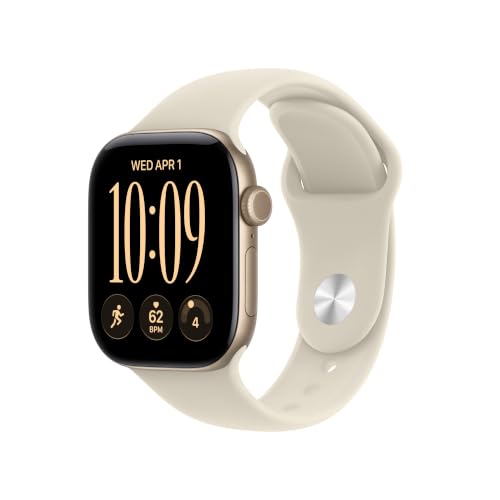
What We Like
- Most accurate heart rate sensing in a wearable
- HRV readings as often as every five minutes
- Ceramic Shield 2 tougher than any smartwatch glass
Trade-offs
- Requires nearby iPhone for advanced fitness features
- Siri AI rolling out in English only
It suits anyone who wants precise, real-time feedback on their heart, whether you’re dialing in zone training or just curious if your morning run left you ready for leg day. The Vitals app and daily sleep score add context, so you’re not guessing whether that sluggish feeling is overtraining or just a bad night’s rest.
Product photos
Fitbit Sense 2 Health Smartwatch

What We Like
- All-day stress detection with cEDA sensor
- ECG app for atrial fibrillation assessment
- Built-in GPS for workout mapping
Trade-offs
- No built-in music storage for phone-free runs
- No onboard music storage for phone-free listening
The all-day cEDA sensor that tracks electrodermal activity and pairs it with a daily Stress Management Score makes this watch a rare gym companion that cares about your headspace, not just your heart rate. If you find yourself gripping the barbell a little too tight because of a rough day, the Sense 2 nudges you toward mindfulness content and helps you see when stress is building before it tanks your workout. It also brings an ECG app for atrial fibrillation assessment, SpO2 monitoring, and 24/7 heart rate tracking. So you get serious health tools without needing a chest strap or a doctor’s visit.
The trade-off comes down to focus: the Sense 2 prioritizes recovery and stress management over workout frills. But if your gym goal includes managing the mental load that comes with consistent training, this watch gives you data that helps you know when to push and when to ease off.
Product photos
How We Evaluated Watches For Gym
Our evaluation is based on research: we studied manufacturer specifications, reviewed expert recommendations from fitness and tech outlets, and identified consistent patterns in what owners praise or criticize about each model. Instead, we focused on how each watch performs in the conditions that matter most to gym-goers.
We prioritized four criteria. Display readability matters because gym lighting varies from bright windows to dim corners, an AMOLED or backlit screen makes a real difference. Workout tracking depth looked at how many activity profiles each watch offers and whether it auto-detects common gym exercises. Battery life separates watches you charge weekly from those you charge daily, which changes how you use them. Recovery and readiness features such as heart rate variability (HRV) monitoring, stress tracking, and sleep coaching help you decide when to push hard and when to take a rest day.
An honest limit of a research-led evaluation is that we cannot verify the real-world accuracy of heart rate sensors during weightlifting or the durability of a watch face after months of barbell contact. We rely on verified owner reports and expert consensus to flag these trade-offs. If you want the most precise heart rate data during intense lifting, a chest strap remains the gold standard, and many of these watches can pair with one.
What To Look For In Watches For Gym
Choosing a gym watch means balancing display quality, battery life, and the specific metrics that match your training style. Here are the key factors to consider.
Look for a bright, always-on display, reliable heart-rate tracking, enough battery life for your week, and recovery features that help you train smarter, not just harder.
Display and Durability
A watch you glance at between sets needs to be readable at a glance. AMOLED screens like those on the Garmin Vivoactive 5 and Samsung Galaxy Fit 3 offer vibrant colors and deep blacks, making them easy to see in any gym lighting. Backlit LCDs, like the Timex Indiglo, are simpler but equally functional in low light. Durability matters too, consider a watch with a scratch-resistant lens (sapphire or Gorilla Glass) if your wrists bang against dumbbells or barbells.
Battery Life and Charging Speed
Battery life dictates your charging routine. The Samsung Galaxy Fit 3 lasts up to 14 days, while the Apple Watch SE 3 needs a daily charge but refuels quickly. If you dislike another charger, look for watches with multi-day battery life. If you charge nightly anyway, fast charging, like the SE 3’s 8 hours of battery in 15 minutes, becomes a bigger advantage. Long battery life is convenient, but fast charging can be a lifesaver if you forget to charge overnight.
Workout Tracking and Recovery Metrics
Not all gym watches track the same things. Some, like the Fitbit Sense 2, focus on stress and recovery with an all-day cEDA sensor and ECG app. Others, like the Garmin Forerunner 165, prioritize GPS accuracy and adaptive training plans. For strength training, look for a watch that counts reps and sets automatically, though many require a separate app for detailed rep tracking. Recovery features such as HRV status and Daily Readiness Score (Fitbit Versa 4) guide your training intensity.
- Does the watch have a dedicated strength training or gym mode with rep counting?
- Can it pair with an external heart rate chest strap for more accurate data?
- Does it offer recovery metrics like HRV, sleep score, or readiness score?
- Is the screen bright enough to read in a dim gym without tapping it?
- How long does the battery last between charges, and how fast does it recharge?
A watch that tracks your workout is useful; one that also tells you when to rest is transformative.
Watches For Gym Compared
The table below compares the nine watches across the key specs that matter most for gym use: display type, battery life, heart rate accuracy, and recovery features.
| Product | Display | Battery Life | Workout Modes |
|---|---|---|---|
| Garmin Vivoactive 5 GPS Smartwatch | AMOLED | Up to 11 days | 30+ built-in |
| Garmin Forerunner 165 Running Smartwatch | AMOLED touchscreen | Up to 11 days | 25+ built-in |
| Apple Watch SE 3 GPS Smartwatch | N/A | 18 hours | N/A |
| Fitbit Versa 4 Fitness Smartwatch | N/A | 6+ days | 40+ |
| Samsung Galaxy Fit 3 Fitness Band | 1.6" AMOLED | Up to 14 days | 101+ |
| Timex Ironman Transit+ Watch | Gray digital | N/A | N/A |
| Cillso Smart Watch with Alexa | 1.83" HD | 5-7 days | 120+ |
| Apple Watch Series 12 GPS Smartwatch | N/A | Up to 24 hours | N/A |
| Fitbit Sense 2 Health Smartwatch | N/A | 6+ days | 40+ |
Frequently Asked Questions
What is the best watch for tracking gym workouts?
The Garmin Vivoactive 5 is our top pick for most gym-goers because it combines over 30 built-in sports apps, a bright AMOLED display, and recovery insights like Body Battery and sleep coaching. It covers everything from strength training to yoga without needing a phone nearby.
Can a fitness watch replace a chest strap for heart rate accuracy?
Wrist-based optical heart rate sensors are convenient but less accurate than chest straps, especially during weightlifting or high-intensity interval training. If precise heart rate data is critical for your training, consider a watch that can pair with a Bluetooth chest strap for the best of both worlds.
How long should a gym watch battery last?
It depends on your routine. A watch with 6-7 days of battery life, like the Fitbit Versa 4, lets you charge weekly without worry. If you prefer daily charging, fast charging becomes important, the Apple Watch SE 3 gains 8 hours of battery in just 15 minutes. For Android users, the Samsung Galaxy Fit 3 lasts up to 14 days.
What features matter most for strength training?
Look for automatic rep counting and set tracking, though many watches require a separate app for detailed logging. A durable screen and a comfortable band that stays put during lifts are also essential. Watches with recovery metrics like HRV and readiness scores help you schedule rest days around heavy lifting sessions.
Are smartwatches with voice assistants useful at the gym?
Yes, if you want hands-free control. The Cillso Smart Watch with Alexa lets you start a workout, set a timer, or check the weather without touching the screen. Voice assistants are less useful if you need to shout over gym music, but they can be a convenience for quick commands between sets.
The Bottom Line
The Garmin Vivoactive 5 is the best overall watch for the gym because it balances a bright, gym-friendly display with comprehensive workout tracking and meaningful recovery insights. If your training revolves around running and you want adaptive daily suggestions, the Garmin Forerunner 165 is a better fit. For iPhone users who prioritize fast charging and easy connectivity, the Apple Watch SE 3 is a strong choice.
Budget-conscious shoppers will find the Timex Ironman Transit+ delivers reliable timing and basic heart rate monitoring without the cost of a full smartwatch. Android users who hate charging should look at the Samsung Galaxy Fit 3, which can last two weeks on a single charge. If stress management is a priority alongside your workouts, the Fitbit Sense 2 offers all-day stress detection with its cEDA sensor.
The single most important factor when choosing a gym watch is matching its battery life and display to your actual routine. A watch you have to charge every night is fine if you charge at your desk; a watch you have to squint at during a set is never fine.
For a deeper look at the category, our guide to the best workout watches covers more ground. If you are torn between a tracker and a smartwatch, our comparison of fitness tracker vs smartwatch can help you decide. For specific training needs, we also have dedicated resources on workout watches for men and workout watches for women.
