
9 Best Yoga Mats in 2026
This post contains affiliate links. As an Amazon Associate, we earn from qualifying purchases.
The Circuit Fitness by Marcy Non-Slip Exercise Mat is our best overall pick because it balances lightweight portability, dual-sided textured grip, and high-density 6mm cushioning at a reasonable price. For sweaty practices, the Gaiam Dry-Grip Yoga Mat excels, while the Manduka PRO Yoga Mat offers unmatched durability for home practice.
Choosing the right yoga mat often comes down to a trade-off between grip, comfort, and portability. A mat that feels great in the studio can be a burden to carry, while a super-light mat might not provide enough cushion for hard floors.
We built this guide by analyzing manufacturer specifications, expert round-ups, and patterns in owner feedback across dozens of models. Our goal is to help you match a mat to your specific practice, whether you need alignment lines, eco-friendly materials, or extra cushioning for joint comfort.
Top 9 Yoga Mats in the Market
Certain content that appears on this site comes from Amazon. This content is provided "as is" and is subject to change or removal at any time.
The Best Yoga Mats, Reviewed
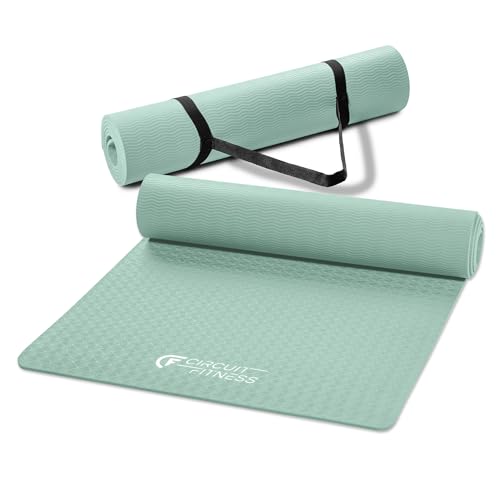
Circuit Fitness by Marcy Non-Slip Exercise Mat
What We Like
- Dual-sided textured traction for grip
- Moisture-resistant closed-cell TPE material
- Lightweight with carry strap included
- High-density 6mm cushioning for comfort
Trade-offs
- At 24 inches wide, narrower than some studio mats
- 6mm thickness less forgiving on hard floors than thicker options
At just 1.5 pounds and with a carry strap included, this mat is easy to take to the studio, the gym, or home. The dual-sided textured surface helps prevent shifting on hardwood, tile, or carpeted floors during bodyweight routines. Closed-cell TPE resists sweat and moisture absorption and cleans up with a damp cloth. That lightweight, low-maintenance design makes it a practical choice for anyone who wants a mat that’s simple to transport and care for.
The trade-off is width and thickness. At 24 inches wide, it’s narrower than the Manduka PRO (26 inches), so some poses may feel more confined. And while the 6mm cushioning offers comfort for floor exercises, yoga, and Pilates, it won’t provide the same plushness as a thicker mat like the Gaiam Essentials 10mm. If you’re doing stretching, core conditioning, or low-impact workouts on hardwood, tile, or carpet, this mat’s portability and grip make it a practical option. For those who prefer a wider or thicker surface, other mats may suit better.
Product photos
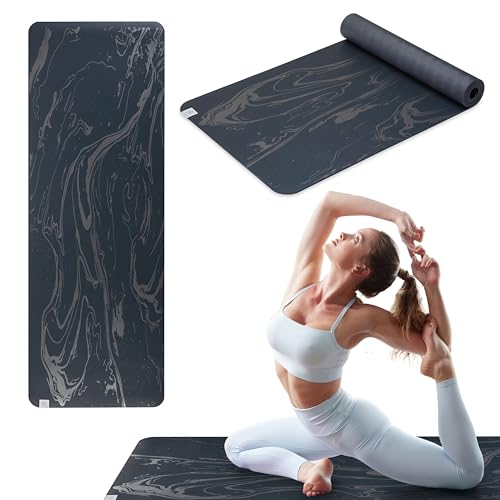
Gaiam Dry-Grip Yoga Mat
What We Like
- Moisture-wicking topcoat for sweaty grip
- Cushioned support for joints and spine
- Lightweight and easy to carry
- Works for hot yoga and high-intensity sessions
Trade-offs
- Not as thick as extra-cushioned mats
- Narrow 4.5-inch width limits stance options
The moisture-wicking topcoat is the key feature here, it pulls sweat away from the surface so your hands and feet don’t slide during a hot Vinyasa or Bikram class. That means you can skip the towel and focus on holding poses without slipping, which is exactly what makes this mat a smart pick for anyone who sweats heavily or practices in a heated room. The rubber base adds cushioning for knees and wrists, and at 4.8 pounds it’s light enough to toss over your shoulder and carry to the studio or gym.
At just 4.5 inches wide, this mat is built for portability, not sprawling full-body poses, so it stows easily in a gym bag but won’t cover your whole body during wide-legged stretches. The moisture-wicking topcoat keeps your hands and feet planted even when you’re dripping sweat, which makes it a smart pick for hot yoga where grip matters more than width. Reviewers say the dry-grip surface reduces the need for a separate towel during sweaty sessions.
Manduka PRO Yoga Mat

What We Like
- Ultra-dense 6mm cushioning protects joints
- Closed-cell surface resists moisture and bacteria
- No-slip dot pattern keeps mat steady on floors
Trade-offs
- At 7.5 lb, it's heavy to carry to class
- Other cleaners not recommended by manufacturer
The Manduka PRO Yoga Mat is guaranteed to last a lifetime of practice, so it’s built for years of regular use without wearing out. Its ultra-dense 6mm cushioning delivers superior joint protection while keeping a stable, floor-like feel that teachers and home practitioners appreciate. The closed-cell surface seals out moisture and sweat, which helps it stay cleaner between sessions, a real plus for daily use where hygiene matters. If you want a mat that feels solid underfoot and is backed by a strong durability promise, this one fits the bill.
The Manduka PRO mat weighs 7.5 pounds, which is noticeably heavier than something like the Gaiam Essentials Thick Yoga Mat at 2.8 pounds. Carrying it to the studio or class feels like a workout in itself. The PVC construction means it won’t appeal to those looking for natural rubber or more eco-friendly materials, though it is OEKO-TEX certified and latex-free. But if your priority is a stable foundation that’s built to last, the Manduka PRO’s build quality justifies the extra heft for home or studio use where portability isn’t the main concern.
Product photos
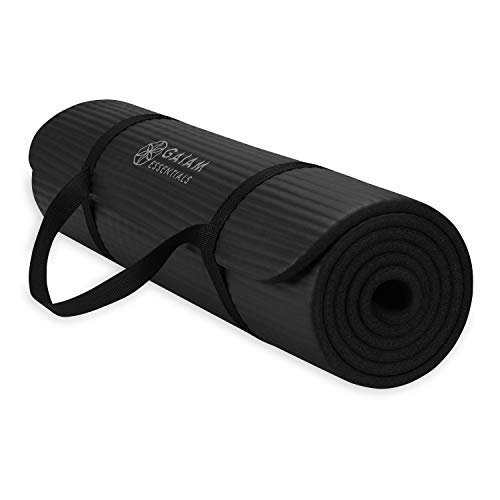
Gaiam Essentials Thick Yoga Mat
What We Like
- 10mm extra-thick cushioning for joints
- Textured non-slip surface
- Lightweight with included carry strap
- Easy to clean with a damp cloth
Trade-offs
- Softer feel prioritizes comfort over firmness
- Soft foam lacks the firm stability needed for advanced balancing poses
With 10mm of high-density NBR foam, this mat delivers noticeably more padding than the standard 6mm mats you see in most studios. It’s great for anyone who feels their knees or hips complaining on a hard floor. That extra cushion makes it a natural fit for beginners, people recovering from injury, or anyone who spends more time in seated or reclining poses. The textured surface helps keep your hands and feet from sliding during dry routines, and the included carrying strap means you can roll it up and take it from the living room to the car without wrestling with a loose mat.
The softer foam lacks the firm, stable feel some practitioners prefer for balancing poses or standing sequences. If you want a more grounded surface that doesn’t sink under pressure, the Manduka PRO Yoga Mat offers a denser 6mm build that many experienced yogis favor. But for budget-conscious buyers who prioritize joint comfort over precision, the Gaiam Essentials delivers exactly what it promises: a thick, forgiving platform for floor work, Pilates, and gentle yoga at home.
YOGATI Yoga Mat with Alignment Lines

What We Like
- Laser-etched alignment lines guide hand and foot placement
- Textured closed-cell surface stays grippy when wet
- Dense foam cushions joints without sacrificing stability
- Lightweight 1.9 lb with included carrying strap
Trade-offs
- At 24 inches wide, narrower than some studio mats
- 6 mm thickness offers less cushion than thicker options
The laser-etched center markings on this mat show where your palms and heels belong, helping beginners learn correct form while experienced yogis fine-tune symmetry. The textured closed-cell surface stays put when you sweat, so poses feel secure during hot flows. Dense foam cushions knees and elbows against hard floors yet stays firm enough for standing balances like tree or warrior sequences. At 1.9 pounds with a carrying strap, it rolls tight and travels easily between home, studio, and park.
The alignment lines make it easy to set up poses correctly without guessing, which is a huge help for beginners and a useful check for experienced yogis. It’s 24 inches wide, so if you tend to spread out in wide stances, you might find your hands or feet slipping off the edges. That’s something to consider if you’re used to a wider mat like the Manduka PRO’s 26 inches. The 6 mm cushioning softens knees and elbows on hard floors, but if you need extra padding for sensitive joints, a thicker mat like the Gaiam Essentials at 10 mm would offer more squish.
Product photos
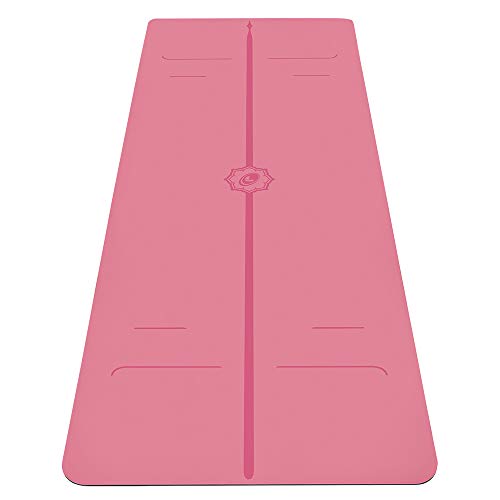
Liforme Evolve Yoga Mat
What We Like
- Stays grippy when sweaty-wet
- Eco-friendly, PVC-free, non-toxic
- Non-slip GripForMe material stays grippy when sweaty
Trade-offs
- Heavier than many mats at 5.5 lb
- Thinner cushioning than 6-10 mm mats
The 4.2 mm thickness and 5.5 lb weight make it less cushioned than thicker options like the Manduka PRO at 6 mm and 7.5 lb. If you need extra padding or a lighter mat for carrying, that thinner profile might nudge you toward the Manduka. But for yogis who practice hot or sweaty sessions, the Liforme’s grip is a clear advantage.
KEEP 7mm Thick TPE Yoga Mat

What We Like
- Lightweight with carry strap
- Leaf-pattern top and corrugated bottom texture
- Closed-cell TPE resists moisture and is easy to clean
Trade-offs
- Narrower than some premium mats at 24"
- Requires a yoga towel for hot yoga or heavy sweat
The 7mm thickness provides 30% more high-density cushioning than a standard 6mm mat, which helps protect sensitive knees, elbows, and spines during floor exercises like planking and Pilates. The TPE material absorbs impact while maintaining stability, so you get joint relief without sacrificing balance. This makes it a practical choice for anyone who wants extra padding on hard surfaces without the bulk of a heavier mat.
The non-slip top works well for dry conditions, but for hot yoga or heavy sweating, the manufacturer recommends using a yoga towel on top for maximum traction. The mat is 24 inches wide, which is narrower than the Manduka PRO’s 26 inches, so it may feel less roomy for wider stances. At 2.55 pounds with a carry strap, it is lighter than the 7.5-pound Manduka, making it easier to transport to the studio or store at home.
Gruper Eco Friendly Yoga Mat
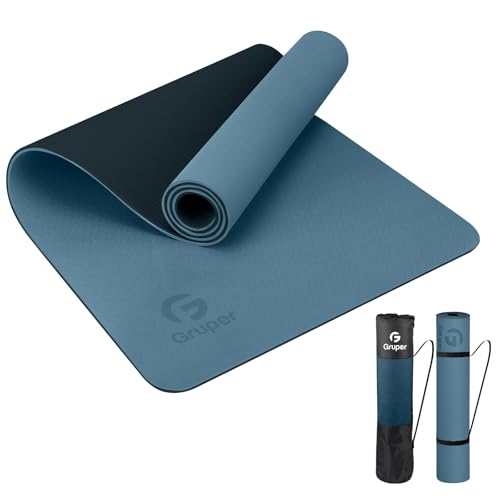
What We Like
- Eco-friendly TPE material
- Double-layer anti-skid texture both sides
- Free carrying strap and storage bag
- Two thickness options available
Trade-offs
- 6mm standard thickness less cushioning than 10mm mats
- Care instructions require barefoot use only, limiting shoe-friendly workouts
An eco-friendly TPE mat that skips the usual PVC and EVA chemicals means you get a softer, safer surface without the plasticky smell. At 72 inches long and 24 inches wide, it gives enough room for most flows and floor work. The double-layer anti-skid texture on both sides helps keep you planted during downward dog or balancing poses. That combination of green materials and practical grip makes it a smart pick for anyone wanting a solid everyday mat without overspending.
The trade-off here is thickness. At 6mm, the Gruper mat provides enough cushioning for most floor poses without feeling unstable, unlike the 10mm Gaiam Essentials mat that can feel overly soft for balancing postures. The eco-friendly TPE material is safer and softer than traditional PVC or EVA mats, so it’s a better choice for anyone concerned about off-gassing or skin contact during practice. A free carry strap and storage bag are included, making it easy to transport to the gym or studio without an extra purchase. For the price-conscious yogi who values eco-friendliness, this mat delivers where it counts.
Product photos
JadeYoga Harmony Yoga Mat

What We Like
- Natural rubber gives excellent non-slip grip
- No PVC, phthalates, or heavy metals
- Tree planted for every mat sold
Trade-offs
- Open-cell rubber absorbs moisture and sweat
- At 4.2 lb, heavier than most travel mats
A 3/16-inch natural rubber surface means you get a grip that only gets stickier as you sweat, not slipperier. That open-cell construction provides a non-slip surface that helps maintain poses with confidence, which is why this mat is a top choice among yoga teachers and practitioners. The non-toxic build and tree-planting pledge add a layer of feel-good that fits an eco-conscious practice.
That same open-cell rubber soaks up moisture, so if you sweat heavily, you’ll need to air it out after each session and clean it regularly to avoid odor. It’s also heavier than the Gaiam Essentials Thick Mat, which is 2.8 pounds and easier to carry to class. But if grip and natural materials matter more than portability, the Harmony delivers a connection to the mat that many practitioners find worth the extra care.
How We Evaluated Yoga Mats
Our research focused on the four factors that matter most for a satisfying practice: grip, cushioning, durability, and portability. We reviewed each mat’s material composition (TPE, PVC, natural rubber, or proprietary blends), thickness, weight, and surface texture using manufacturer data and expert commentary.
We paid close attention to how each mat performed in the conditions it was designed for. For instance, we looked at closed-cell versus open-cell construction to understand moisture resistance, and we compared dot-pattern grip layers versus full-surface textured coatings. Owner feedback helped us confirm whether a mat’s claims held up over weeks of regular use.
An evaluation based on research can surface the real differences between mats that look similar on paper. By cross-referencing dozens of sources, consistent strengths and weaknesses emerge that matter when you’re on the floor.
If you’re still deciding between a few options, our guide to yoga mat materials breaks down the pros and cons of each type. For a deeper look at yoga mat thickness, we’ve covered how to choose between thin and thick mats.
What To Look For In Yoga Mats
Every yoga mat makes trade-offs. Understanding your practice style and where you’ll use the mat will help you prioritize the right features.
Choose a mat that matches your practice intensity: hot yoga needs moisture-wicking grip, restorative practice needs thick cushioning, and travel needs lightweight portability. A mat that excels in one area often sacrifices another.
Grip and Surface Texture
Grip is the most important feature for most practitioners. Closed-cell mats (like TPE or PVC) resist moisture and stay grippy when you sweat. Open-cell mats (like natural rubber) offer excellent dry grip but absorb moisture, making them less ideal for hot yoga. Look for textured surfaces, dot patterns, or proprietary topcoats that enhance traction without being sticky.
For sweaty practices, we recommend browsing mats for hot yoga that use moisture-wicking materials. If grip is your top priority, our list of grippy yoga mats highlights models with superior traction.
Cushioning and Thickness
Thicker mats provide more joint comfort on hard floors, making them ideal for restorative yoga, Pilates, or anyone with sensitive knees. Thinner mats offer better ground feel for balancing poses and are easier to roll up for travel. The trade-off is stability: extra-thick mats can feel unstable in standing balances.
If you practice on carpet or need extra joint support, our guide to yoga mats for seniors focuses on cushioning and comfort. For home practice on hard floors, yoga mats for home can help you find the right thickness.
Material and Durability
- TPE (thermoplastic elastomer) is lightweight, eco-friendly, and offers good grip, but may wear faster than PVC.
- PVC is durable, grippy, and affordable, but less environmentally friendly.
- Natural rubber provides excellent grip and is biodegradable, but is heavy and absorbs moisture.
- Look for closed-cell construction if you practice hot yoga or want easy cleaning.
- Check the mat’s weight if you plan to carry it to class or travel.
- Ensure the mat’s width (usually 24 inches) accommodates your stance and arm reach.
A mat that lasts through daily practice for two years is a better value than a cheaper mat that needs replacing every six months.
Yoga Mats Compared
The table below compares our top picks side by side, so you can quickly see which mat fits your needs.
| Product | Material | Weight | Dimensions |
|---|---|---|---|
| Circuit Fitness by Marcy Non-Slip Exercise Mat | Closed-cell TPE | 1.5 lb | 74 x 24 in |
| Gaiam Dry-Grip Yoga Mat | Rubber | 4.8 lb | 24.1 x 4.5 x 4.0 in |
| Manduka PRO Yoga Mat | OEKO-TEX certified PVC | 7.5 lb | 71 x 26 in |
| Gaiam Essentials Thick Yoga Mat | NBR foam | 2.8 lb | 72 x 24 x 0.4 in |
| YOGATI Yoga Mat with Alignment Lines | Dual Layer TPE | 1.9 lb | 72 x 24 in |
| Liforme Evolve Yoga Mat | Eco-polyurethane / rubber | 5.5 lb | 72.8 x 26.8 x 0.16 in |
| KEEP 7mm Thick TPE Yoga Mat | TPE | 2.0 lb | 72" x 24" |
| Gruper Eco Friendly Yoga Mat | TPE | 1.7 lb | 72" x 24" |
| JadeYoga Harmony Yoga Mat | Natural open-cell rubber | 4.2 lb | 68 x 24 inches |
Frequently Asked Questions
What is the best thickness for a yoga mat?
The ideal thickness depends on your practice and floor type. For most general yoga, a thickness around 6mm offers a good balance of cushioning and stability. Thicker mats are better for joint comfort on hard floors, while thinner mats suit travel or advanced balance work.
How do I clean my yoga mat?
Most mats can be cleaned with a mild soap and water solution, then air-dried. Avoid harsh chemicals that can break down the material. Closed-cell mats like TPE and PVC are easier to clean than open-cell natural rubber, which absorbs moisture and may require more careful maintenance.
What is the difference between open-cell and closed-cell yoga mats?
Closed-cell mats have a non-porous surface that resists moisture, sweat, and bacteria, ideal for hot yoga. Open-cell mats have a porous surface that provides excellent dry grip but absorbs moisture, making them better for dry practices. Natural rubber mats are typically open-cell.
Can I use a yoga mat for other workouts?
Yes, most yoga mats work well for Pilates, stretching, and floor exercises. Thicker mats (6mm and up) provide better cushioning for core work and joint-sensitive movements. However, very thick mats may feel unstable for standing exercises or strength training.
How often should I replace my yoga mat?
A quality yoga mat typically lasts one to three years with regular use. Signs of wear include thinning spots, peeling surfaces, loss of grip, and lingering odors. Mats made from durable materials like PVC or high-density TPE tend to last longer than budget foam mats.
The Bottom Line
The Circuit Fitness by Marcy Non-Slip Exercise Mat is the best overall choice for most practitioners because it combines lightweight portability, reliable grip, and adequate cushioning at a fair price. It works well for yoga, Pilates, and floor workouts without excelling in any single specialty.
If your practice runs hot, the Gaiam Dry-Grip Yoga Mat is a better fit with its moisture-wicking topcoat. For those who prioritize durability and plan to practice at home, the Manduka PRO Yoga Mat is built to last for years. Budget-conscious shoppers will appreciate the Gaiam Essentials Thick Yoga Mat for its plush 10mm cushioning.
The single most important factor in choosing a yoga mat is matching its grip and thickness to your primary practice environment. A mat that feels right on the studio floor may disappoint on carpet, and a mat that works for gentle stretching may fail during a sweaty vinyasa flow. Know where and how you’ll practice before you buy.
