
10 Best Grippy Yoga Mats in 2026
This post contains affiliate links. As an Amazon Associate, we earn from qualifying purchases.
The Gaiam Dry-Grip Yoga Mat is our best overall pick because its moisture-wicking topcoat stays reliably grippy even when you work up a sweat. For built-in alignment guidance, the YOGATI Yoga Mat with Alignment Lines is a top choice, while the Ellylife Natural Rubber Yoga Mat leads the pack for eco-friendly grip.
Finding a mat that doesn’t turn into a slip-and-slide during downward dog is the real challenge, especially in hot yoga or vigorous vinyasa. The wrong surface can ruin your focus and compromise your stability in every pose.
This guide is built on a deep dive into manufacturer specs, expert round-ups, and patterns in owner feedback across dozens of models. We focused on the materials and construction details that actually determine grip, durability, and comfort so you can choose with confidence.
Top 10 Grippy Yoga Mats in the Market
Certain content that appears on this site comes from Amazon. This content is provided "as is" and is subject to change or removal at any time.
The Best Grippy Yoga Mats, Reviewed
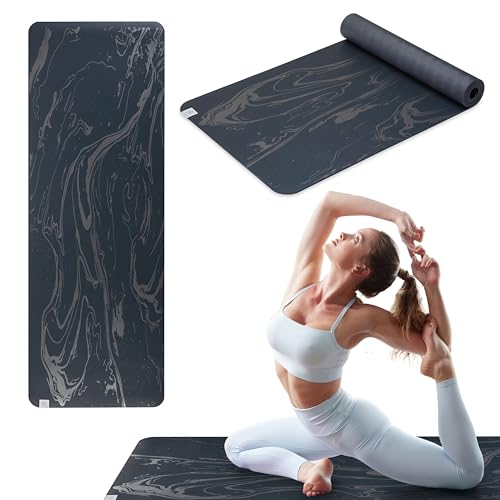
Gaiam Dry-Grip Yoga Mat
What We Like
- Moisture-wicking topcoat stays grippy when sweaty
- Cushioned rubber base supports joints and stability
- Easy to roll up and carry to class
Trade-offs
- At 4.8 lb, heavier than many travel mats
- Dimensions not provided for mat surface area
The moisture-wicking topcoat is the key feature here: it keeps the surface grippy even when you sweat, so you don’t slide around in downward dog or warrior pose during hot yoga or high-intensity flows. The rubber base underneath adds cushioning for your knees, wrists, and spine, which helps with comfort during longer floor sequences. For anyone who practices hot yoga, vinyasa, or just tends to run warm during workouts, this design solves the biggest frustration of slippery mats without needing a separate towel.
At 4.8 pounds, this mat is heavier than many alternatives, the IUGA Double-Sided Non-Slip Yoga Mat weighs under two pounds, so carrying it on a long walk or bike ride to class takes some effort. The shorter and narrower dimensions mean it works well for home practice or a quick studio session, but taller practitioners or anyone wanting more room might find it cramped. It still rolls up easily for transport, but the weight is a real factor if you travel light. Best for the dedicated hot yoga person who values grip over a large surface.
YOGATI Yoga Mat with Alignment Lines

What We Like
- Textured closed-cell surface stays grippy when wet
- Laser-etched alignment lines for posture guidance
- Lightweight with included carrying strap
- Reversible two-tone design, easy to clean
Trade-offs
- At 24 inches wide, narrower than some alternatives
- TPE material less durable than natural rubber
A laser-etched center line running down the middle of this 72-inch mat gives you a clear reference for where your palms and heels should land. That makes it a natural fit for anyone still learning proper form or trying to clean up asymmetry in their practice. The textured closed-cell surface holds steady even when you start sweating through a hot flow, so you can focus on balancing in tree pose instead of worrying about your hands sliding out from under you. At just 1.9 pounds with a shoulder strap included, it travels easily between home and studio without feeling like you are hauling gear.
Choosing between a narrower mat and one with more surface area comes down to how you move through your practice. Owners who like a wider stance in warrior or need room for their hands to land outside shoulder width often find the extra inches make a noticeable difference. At 24 inches wide, this mat matches the width of many standard options like the IUGA or Gruper mats, while the Ellylife and Liforme models offer a wider 26.8-inch surface. That extra width can feel more stable during wide-legged poses or when transitioning through vinyasa flows, keeping you centered without worrying about slipping off the edge.
Product photos
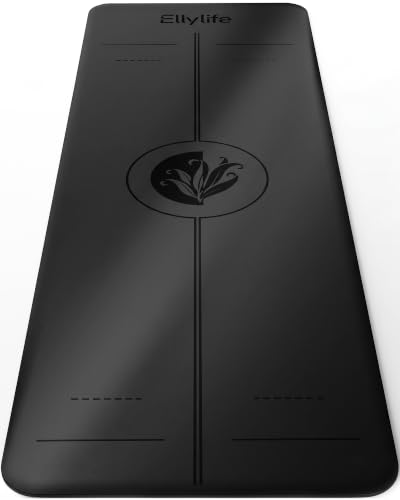
Ellylife Natural Rubber Yoga Mat
What We Like
- PU top stays grippy when wet
- Natural rubber bottom grips floors
- Alignment lines for form check
Trade-offs
- At 7.3 lb, heavier to carry than many mats
- 0.2 in thickness offers less cushion than thicker mats
The mat measures 74.8 inches long and 26.8 inches wide, giving you more surface area than many standard mats, so you have room to move without feeling restricted. The matte PU top maintains grip even when wet, which is useful for sweaty sessions, and the natural rubber bottom stays put on wood, tile, or concrete. For anyone looking for an eco-friendly mat that combines grip and space, this is a practical option.
The trade-off is weight. At 7.3 pounds, it’s heavier than many mats, so if you carry it to a studio, the included carry strap helps but doesn’t make it light. And at 5 mm thick, it provides good ground feel for balance but less cushioning under knees compared to thicker mats like the 6 mm YOGATI. If you prioritize eco-friendly materials and a non-slip surface over portability or plushness, this mat delivers.
Product photos
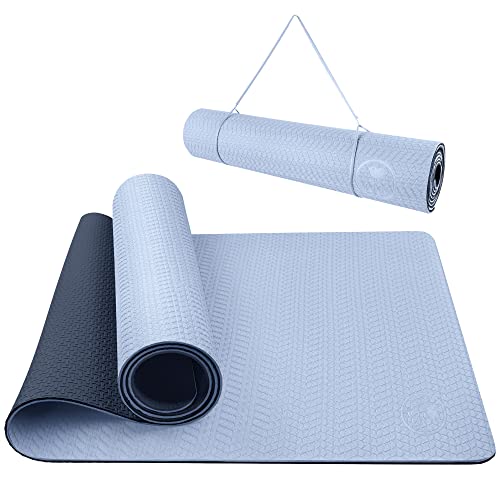
IUGA Double-Sided Non-Slip Yoga Mat
What We Like
- Double-sided non-slip surfaces for grip
- Middle-layer mesh for tear resistance
- Eco-friendly TPE, no latex or PVC
Trade-offs
- Narrower than some premium mats at 24 inches
- Care requires air-drying away from sunlight
At roughly 2 pounds and a quarter-inch thick, this mat hits a sweet spot for anyone who wants real cushion without lugging around a heavy roll. The double-sided grip, textured top to keep your hands and feet planted, plus that Bone pattern underside to stop the mat from sliding on the floor, means you can focus on holding a warrior pose instead of fighting your gear. It’s the kind of practical design that makes sense for someone starting out or upgrading from a thin, slippery rental mat.
The trade-off for that lightweight portability is a narrower 24-inch width and a 72-inch length, which might feel snug if you’re taller or like to spread out in wide stances. Compared to the Ellylife Natural Rubber mat, which offers more width and length at 74.8 by 26.8 inches, the IUGA is noticeably smaller. But if you’re on a budget and want a mat that travels easily, the included carry strap and eco-friendly TPE material make this a smart, no-regret choice for home practice or the occasional studio class.
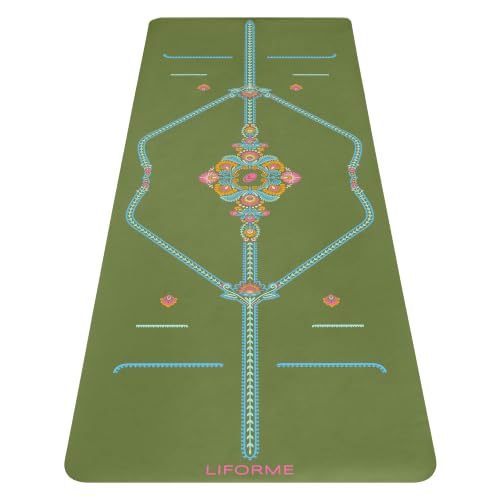
Liforme Printed Yoga Mat
What We Like
- Grip improves as you sweat
- Patented alignment markers for form
- Eco-friendly, non-toxic materials
- Includes complimentary yoga bag
Trade-offs
- At 5.5 lb, heavier than many mats
- 4.2 mm thickness less cushioning for joint-sensitive users
The GripForMe surface actually gets tackier as you sweat, so if hot yoga or a vigorous vinyasa leaves you slippery on standard mats, this one locks you in place. The mat is generous in size, giving taller practitioners room to stretch without their feet hanging off the end, and the 4.2 mm thickness strikes a balance between firm stability and enough cushion for kneeling poses. The AlignForMe markers are a thoughtful touch for anyone working on alignment. They guide foot and hand placement without needing to crane your neck at a mirror.
One downside is the weight: at 5.5 pounds, it’s noticeably heavier than a mat like the YOGATI with alignment lines (1.9 lb), so if you walk or bike to the studio, you’ll feel it in your bag (though the included yoga bag helps). The natural rubber base can have a mild smell when new, and the 4.2 mm padding is less forgiving than thicker mats like the Ellylife Natural Rubber at 5 mm. So if you have sensitive knees or wrists, you might want a second mat underneath. That said, for anyone who prioritizes grip that doesn’t quit and built-in alignment cues, this is a premium choice that lives up to its reputation.
Liforme Special Yoga Mat

What We Like
- GripForMe material stays grippy when wet
- Eco-friendly, non-toxic, PVC-free construction
- Patented alignment design for practice guidance
- Extra length and width for spacious poses
Trade-offs
- At 5.5 lb, it's heavier than many travel mats
- 4.2 mm thickness offers less cushion than thicker mats
The GripForMe surface stays grippy even when sweaty-wet, so you won’t slide during a hot class. The mat is generously sized, giving you plenty of room to stretch out. The eco-polyurethane top bonds to a natural rubber base, and the whole thing is PVC-free and non-toxic, which means no harsh chemical smells. If you need a mat that keeps its traction when you’re dripping, this one delivers.
Weight and cushioning are the main compromises here. At 5.5 pounds, it’s heavier than some mats, and the included bag helps with transport. The 4.2 mm thickness is standard for grip-focused mats, but if you need extra padding, a thicker mat may be more suitable. Still, for the yogi who prioritizes grip over cushioning, this mat delivers on its key feature.
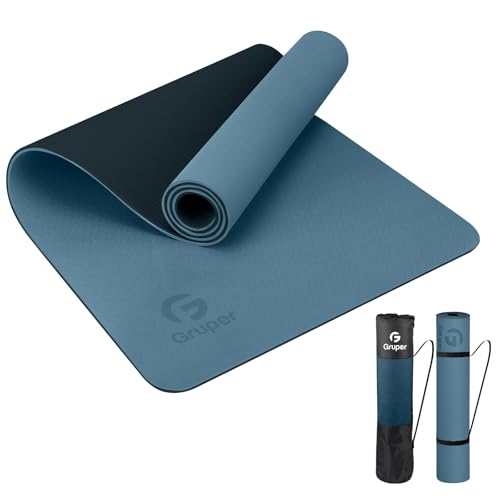
Gruper Non-Slip Yoga Mat
What We Like
- Double-layer anti-skid texture on both sides
- Eco-friendly TPE material is safer and softer
- Free carrying strap and storage bag included
Trade-offs
- Not suitable for hot yoga, sweat resistance not claimed
- Barefoot use only; shoes or pet paws will tear the mat
This mat weighs 1.7 pounds and comes with a carrying strap and storage bag, making it easy to take to a studio or gym. The double-layer anti-skid texture on both sides provides grip, and the eco-friendly TPE material is safer and softer than traditional non-green PVC and EVA mats. For anyone who moves between classes or travels, this is a practical choice for everyday practice.
Gaiam Cork Yoga Mat

What We Like
- Natural cork resists sweat and odor
- Grip improves when slightly damp
- Eco-friendly TPE backing
- Plush cushioning for joints
Trade-offs
- Thin 0.2-inch profile offers less padding
- Narrow 24-inch width limits movement space
The cork surface on this mat gets easier to grip when slightly damp, so it actually becomes more stable as you heat up during hot yoga. That natural top layer also resists sweat and odors, keeping the mat fresh even after intense sessions. Weighing only 2 pounds and measuring 0.2 inches thick, it’s light enough to carry in a bag and stays put on floors thanks to the eco-friendly TPE backing. It’s a practical choice for anyone who wants a sustainable mat that doesn’t turn slippery when things get sweaty.
The thin 0.2-inch profile means there’s limited padding for knees and elbows during floor poses. And at 24 inches wide you’ll need to stay centered, wider options like the Ellylife Natural Rubber offer extra room to spread out. If you value natural grip and easy portability over thick cushioning, this cork mat delivers exactly what it promises.
Product photos
JadeYoga Harmony Yoga Mat

What We Like
- Natural open-cell rubber for superior grip
- No PVC, phthalates, or heavy metals
- Tree planted with every mat sold
Trade-offs
- Open-cell rubber absorbs sweat and moisture
- Heavier than many synthetic mats at 4.2 lbs
A 3/16-inch thickness and natural open-cell rubber give this mat a grip that feels almost sticky, so you can hold downward dog or warrior poses without sliding even when you start to sweat. The non-slip surface comes from the rubber itself, not a coating that wears off. It’s also free of PVC, phthalates, and heavy metals, and JadeYoga plants a tree for every mat sold, so you’re getting a clean surface and a cleaner conscience.
One thing to know is that open-cell rubber is thirsty, meaning it will soak up sweat and need regular cleaning with a plant-based mat wash to stay fresh. If you do hot yoga or heavy flow classes, a sweat-resistant surface like the Gaiam Dry-Grip might be more forgiving between washes. At 4.2 pounds it’s not the lightest mat to haul to the studio. But for dry-practice grip and eco-friendly materials, this mat delivers exactly what it promises.
Product photos
Gruper Pro TPE Yoga Mat

What We Like
- Eco-friendly TPE material, non-toxic and odorless
- Double-sided non-slip surfaces resist sweat
- Lightweight at 1.9 pounds with carrying strap
- Anti-tear and resistant to deformation
Trade-offs
- 0.24-inch thickness offers less cushion for joints
- Narrow 24-inch width limits space for wider poses
At just 1.9 pounds, this mat is light enough to sling over your shoulder with the included strap and bag and forget you’re carrying it. The eco-friendly TPE material is a genuine alternative to PVC, offering a soft, skin-friendly surface that stays odorless and non-toxic. For someone who wants a grippy mat that won’t slide around during flow, thanks to the double-sided non-slip texture and wavy underside, this is a practical, planet-friendlier pick that travels easily from home studio to class.
The main compromise is the 0.2-inch thickness. While it’s fine for most floor work, if you have sensitive knees or spend a lot of time in tabletop or kneeling poses, you’ll feel the floor more than on a thicker mat. The 24-inch width also means you won’t have room for wide-legged stretches without hanging off the edge. This mat suits the eco-conscious yogi who values portability and grip over plush cushioning.
Product photos
How We Evaluated Grippy Yoga Mats
Our research started with the technical specs: surface material, base material, thickness, weight, and dimensions. We compared those against the claims manufacturers make about wet grip, sweat resistance, and durability. Then we cross-referenced those specs with patterns in thousands of owner reviews to see what holds up in real practice.
Three criteria mattered most. First, wet grip performance, how the top layer behaves when moisture hits it. Second, construction quality, including whether the mat uses closed-cell or open-cell materials, which affects sweat absorption and longevity. Third, practical portability: weight, included straps or bags, and how easily the mat rolls up.
A research-based evaluation like this gives you the clearest picture of what to expect from each mat based on its design and what owners consistently report. We prioritize the features that matter most for your specific practice style.
What To Look For In Grippy Yoga Mats
The right grippy mat depends on your sweat level, practice style, and whether you travel to class. Focus on surface material, base grip, thickness, and weight to match your needs.
A grippy yoga mat should keep you stable in every pose, wet or dry. Look for a moisture-wicking or naturally absorbent top layer, a non-slip base that stays put on the floor, and a thickness that balances joint comfort with balance.
Surface Material and Wet Grip
The top layer determines how your hands and feet stay put. Polyurethane (PU) leather and natural cork both improve grip when damp, making them ideal for hot yoga. Closed-cell TPE and PVC resist moisture absorption but can get slick when wet. Open-cell natural rubber offers excellent dry grip but absorbs sweat, which can be a hygiene concern.
Base Material and Floor Adhesion
The underside of the mat must grip the floor without sliding. Natural rubber bases offer the best traction on hardwood and studio floors but are heavier. TPE and PVC bases are lighter and still provide solid grip on most surfaces, though they may shift on very slick floors.
Thickness, Weight, and Portability
Thicker mats (5-6 mm) cushion joints but can feel unstable for balancing poses. Thinner mats (3-4 mm) offer better ground feel and are lighter to carry. Weight matters if you walk to class: a lightweight mat is easy to sling over your shoulder, while a heavier mat is better left at home.
- Check if the mat comes with a carrying strap or bag.
- Measure your practice space to ensure the mat fits.
- Consider whether you need alignment lines for form feedback.
- Look for eco-friendly certifications if material sourcing matters to you.
- Verify the mat’s care instructions, some require air-drying away from sunlight.
A mat that stays grippy when wet and stays put on the floor is worth paying more for.
Grippy Yoga Mats Compared
The table below compares all ten grippy yoga mats across the key specs that matter most for a stable, non-slip practice.
| Product | Material | Thickness | Weight | Dimensions |
|---|---|---|---|---|
| Gaiam Dry-Grip Yoga Mat | Moisture-wicking dry-grip topcoat | N/A | 4.8 lb | L 24.1 inches, W 4.5 inches, H 4.0 inches |
| YOGATI Yoga Mat with Alignment Lines | Dual Layer TPE | 6mm | 1.9 pounds | 72 x 24 inches |
| Ellylife Natural Rubber Yoga Mat | Natural rubber + PU top | 5 mm | 7.3 lb | 74.8 x 26.8 x 0.2 in |
| IUGA Double-Sided Non-Slip Yoga Mat | SGS-certified TPE | 6mm | 1.8 pounds | 72 x 24 inches |
| Liforme Printed Yoga Mat | Eco-polyurethane | 4.2 mm | 5.5 lb | 72.8 x 26.8 in |
| Liforme Special Yoga Mat | Eco-polyurethane + rubber | 4.2 mm | 5.5 lb | 72.8 x 26.8 x 0.2 in |
| Gruper Non-Slip Yoga Mat | TPE (eco-friendly) | 6mm | 1.7 pounds | 72 x 24 inches |
| Gaiam Cork Yoga Mat | Cork top / TPE bottom | 0.2 in | 2.0 lb | 68 x 24 x 0.2 in |
| JadeYoga Harmony Yoga Mat | Natural open-cell rubber | 3/16" (0.2 in) | 4.2 lbs | 68" x 24" |
| Gruper Pro TPE Yoga Mat | Eco-friendly TPE | 0.24*24*72 Inches | 1.9 pounds | 72 x 24 inches |
Frequently Asked Questions
How do I clean a grippy yoga mat?
Most mats can be wiped down with a mild soap and water solution after each use. Avoid soaking the mat or using harsh chemicals, which can break down the surface grip. Always air-dry the mat completely before rolling it up.
What is the best yoga mat for sweaty hands?
Mats with a polyurethane top layer or natural cork surface are best for sweaty hands because their grip actually improves when damp. For a deep dive, our guide to best yoga mats for sweaty hands covers the top options.
How thick should a yoga mat be for joint comfort?
A thickness of 5 to 6 millimeters provides good cushioning for knees and wrists without sacrificing too much stability. Thinner mats around 3 to 4 millimeters offer better ground feel for balancing poses but less padding.
Are natural rubber yoga mats better for grip?
Natural rubber offers excellent dry grip and is very durable, but it absorbs sweat and can be heavier than synthetic materials. For a comparison of mat materials, including rubber and cork, check our full guide.
Can I use a grippy yoga mat for hot yoga?
Yes, but look for mats specifically designed for hot yoga with moisture-wicking or sweat-absorbent top layers. Standard PVC mats can become dangerously slick when wet.
The Bottom Line
For most yogis, the Gaiam Dry-Grip Yoga Mat delivers the best balance of reliable wet grip, cushioned support, and everyday portability. It handles sweaty vinyasa flows without needing a towel, making it the smart choice for hot yoga and vigorous practice.
If your budget is tighter, the IUGA Double-Sided Non-Slip Yoga Mat offers solid traction at a lower price point. For those who prioritize sustainability, the Ellylife Natural Rubber Yoga Mat and JadeYoga Harmony Yoga Mat use eco-friendly materials without sacrificing grip.
The single most important factor is how the mat performs when you sweat. Choose a surface material that matches your practice intensity, and you will stay steady in every pose.
