
10 Best Slip Resistant Yoga Mats in 2026
This post contains affiliate links. As an Amazon Associate, we earn from qualifying purchases.
The Liforme Evolve Yoga Mat is the best overall pick because its grip actually improves when wet, making it ideal for hot yoga and sweaty practice. For those who carry their mat daily, the Gaiam Premium Yoga Mat offers lightweight portability, while the Gaiam Dry-Grip Yoga Mat excels in heated classes.
A slippery mat ruins your flow. You shift in downward dog, your hands slide in warrior, and you spend more time adjusting than breathing. The right grip keeps you planted so you can focus on alignment and depth.
We evaluated these mats by analyzing manufacturer specifications, materials, expert reviews, and patterns in owner feedback. This guide highlights the key features that matter most for a stable, non-slip practice.
Top 10 Slip Resistant Yoga Mats in the Market
Certain content that appears on this site comes from Amazon. This content is provided "as is" and is subject to change or removal at any time.
The Best Slip Resistant Yoga Mats, Reviewed
Liforme Evolve Yoga Mat
What We Like
- Grip stays non-slip when sweaty-wet
- PVC-free, non-toxic eco materials
- Includes free yoga bag
Trade-offs
- At 5.5 lb, heavier than basic mats
- 4.2 mm thickness less cushion than thicker mats
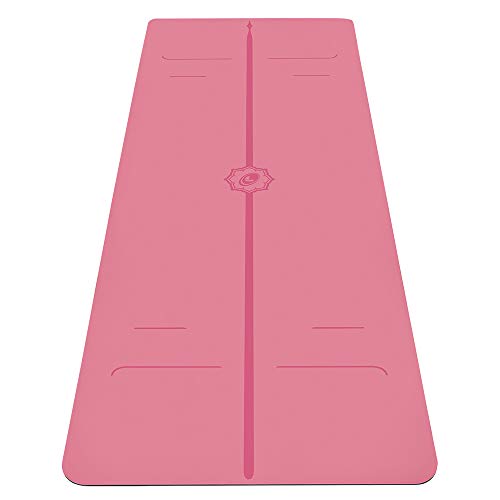
The Liforme Evolve uses a ground-breaking GripForMe material that delivers strong grip even when sweaty-wet, making it a reliable choice for hot yoga or intense flows. Its pared-back alignment markers guide your foot and hand placement without cluttering the mat, so you can focus on form. At 72.8 inches long and 26.8 inches wide, it gives taller practitioners room to stretch out, and the eco-polyurethane and rubber construction is PVC-free and non-toxic. This mat suits anyone who wants dependable grip and alignment cues, all in a package that’s still light enough to carry to class.
The trade-off is weight and cushion. At 5.5 pounds, it’s heavier than a Gaiam Premium Yoga Mat at 2.6 pounds, so carrying it to the studio adds noticeable heft. The 4.2 mm thickness provides a firm, stable base but offers less padding than thicker mats like the Manduka PRO’s 6 mm. If you prioritize grip over plushness and don’t mind a few extra pounds in your bag, this mat’s sweat-resistant performance is hard to beat.
Gaiam Premium Yoga Mat

What We Like
- Lightweight at 2.6 lb for easy portability
- 5mm cushion protects joints without bulk
- Sticky non-slip surface for stable poses
- Made without six harmful phthalates
Trade-offs
- PVC material requires 2-3 days airing out
- 24" width feels narrow for wide stances
At 2.6 pounds, this mat is light enough to carry to the studio or on travel without feeling heavy. The 5mm thickness cushions your knees, wrists, hips, and spine during yoga, Pilates, stretching, and floor workouts, giving you more comfort than a thin mat without the bulk of an extra-thick exercise mat. The textured non-slip surface provides traction and grip, so you can hold downward dog, warrior, and plank with confidence. It’s a reliable non-slip workout mat for beginners and experienced yogis.
The trade-off for that lightness is a smaller footprint. At 68 inches long and 24 inches wide, it’s a standard size that might leave taller yogis with their heels off the mat in savasana, and the width can feel tight for wide-legged poses or if you like extra room. For comparison, the Liforme Evolve Yoga Mat offers a longer and wider surface (72.8″ x 26.8″) but weighs more than double at 5.5 pounds, so you’re trading portability for space. If you prioritize a lightweight, easy-to-carry mat with reliable grip and decent cushion, this Gaiam fits the bill. If you’re tall or prefer a roomier practice surface, you might want to look at a longer option.
Gaiam Dry-Grip Yoga Mat
What We Like
- Moisture-wicking topcoat stays grippy when sweaty
- Lightweight at 4.8 lbs for easy carry
- Cushioned rubber supports joints during floor work
- Built for hot yoga, Vinyasa, and Bikram
Trade-offs
- At 24.1 inches wide, narrower than standard 26-inch mats
- At 24.1 inches wide, narrower than some competitors
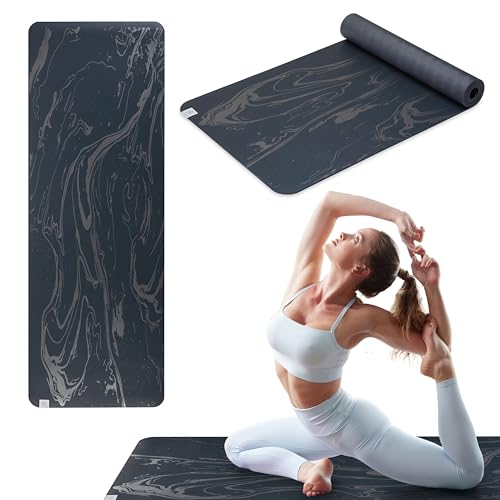
The moisture-wicking topcoat on this mat helps reduce the need for a separate towel during hot yoga and high-sweat sessions, so you can stay focused on your poses without extra gear. At 4.8 pounds, it’s easy to roll up and carry to yoga studios, gyms, or home workouts, and the rubber cushioning provides support for hands, feet, knees, wrists, elbows, and spine during floor exercises. That combination of grip and portability makes it a practical choice for sweaty practices where stability matters.
At 24.1 inches wide, this mat is noticeably narrower than the 26.8-inch Liforme Evolve. So if you tend to spread your hands wide or need extra room for side-angle poses, you might feel cramped. That said, if your priority is staying planted during sweaty practice and you value portability over real estate, this mat delivers exactly what it promises without extra bulk.
Manduka PRO Yoga Mat

What We Like
- Lifetime durability guarantee
- Ultra-dense 6mm cushioning for joint protection
- Closed-cell surface resists moisture and bacteria
- Non-slip dot pattern keeps mat steady on floor
Trade-offs
- At 7.5 lb, it is heavy to carry to class
- Requires specific Manduka cleaner for best care
The closed-cell surface seals out moisture, which helps keep the mat hygienic between cleanings. The ultra-dense 6mm cushioning absorbs impact through your knees and wrists without sacrificing the floor-like stability that teachers and home practitioners rely on. Manduka guarantees the mat to last a lifetime of practice, so it is built for long-term use. It suits anyone who wants a stable, hygienic surface for regular practice and does not plan on replacing their mat frequently.
At 7.5 pounds, this mat is heavier than many alternatives. The Liforme Evolve, for instance, weighs 5.5 pounds, so if you plan to carry it to a studio regularly, the extra weight may be a consideration. For home practice, though, that heft contributes to the legendary stability and durability that teachers worldwide trust. The PVC is OEKO-TEX certified and made in an emissions-free German facility, ensuring a safe, hygienic surface that seals out moisture. If you prioritize a mat that stays put and lasts a lifetime, this weight is a fair trade-off.
Product photos
JadeYoga Harmony Yoga Mat

What We Like
- Non-slip natural rubber surface
- Free of PVC, phthalates, heavy metals
- Tree planted for every mat sold
- Made in the USA
Trade-offs
- At 68 inches, shorter than many premium mats
- Thinner 3/16" padding offers less cushioning
Natural open-cell rubber gives this mat a non-slip surface that helps you hold poses with confidence. It’s free of PVC, phthalates, and heavy metals, so you’re not breathing in or touching harsh chemicals during practice. For anyone who wants a mat that aligns with their values, JadeYoga plants a tree for every one sold, and the mat is made in the USA. That combination of clean materials and environmental commitment makes it a standout for eco-conscious yogis who prioritize grip over plush cushioning.
The Jade Harmony is only 3/16″ thick, which means you’ll feel the floor more during knee-intensive poses than you would on a 5mm or 6mm mat from Gaiam or Manduka. That thinness also keeps the mat light and easy to carry, and the natural rubber construction means it’s free of PVC, phthalates, and heavy metals. Reviewers note that the open-cell surface provides excellent grip, and the mat is easy to clean with a plant-based wash.
Product photos
Liforme Jivamukti Yoga Mat

What We Like
- Patented AlignForMe alignment markers for form
- Sweat-activated GripForMe surface gets grippier when wet
- Eco-friendly materials: polyurethane and natural rubber
- Includes complimentary yoga bag for transport
Trade-offs
- At 5.5 pounds, heavier than some travel-friendly mats
- 4.2 mm thickness offers less cushion than thicker mats
The Liforme Jivamukti Yoga Mat uses patented AlignForMe markers to guide hand and foot placement, helping yogis of all levels improve their form and confidence. Its GripForMe surface becomes grippier as you sweat, ensuring stability in every pose, a feature especially useful for hot yoga or sweaty practices. The mat is constructed with an eco-polyurethane top and a sustainably sourced natural rubber base, offering an eco-friendly option without sacrificing performance. It comes with a complimentary yoga bag for easy transport and storage. This mat is a premium choice for those who want alignment assistance and reliable grip, particularly in hot yoga settings.
The Liforme Jivamukti Yoga Mat is 4.2mm thick, which provides a stable surface for balance poses but offers less cushioning than thicker mats like the Manduka PRO at 6mm. Weighing 5.5 pounds, it’s heavier than some alternatives, though the included yoga bag helps with transport. The natural rubber base is sustainably sourced, and the eco-polyurethane surface is designed to become grippier as you sweat, making it suitable for hot yoga. Reviewers note the patented AlignForMe markers help with positioning, and the GripForMe technology provides stability even during intense practice.
Plyopic Ultra Grip PRO Yoga Mat
What We Like
- Extreme grip in dry and wet conditions
- PoseMap alignment lines for hand and foot placement
- Dense natural rubber cushions knees and wrists
- Vegan-friendly and PVC-free construction
Trade-offs
- 0.2-inch thickness offers less padding than thicker mats
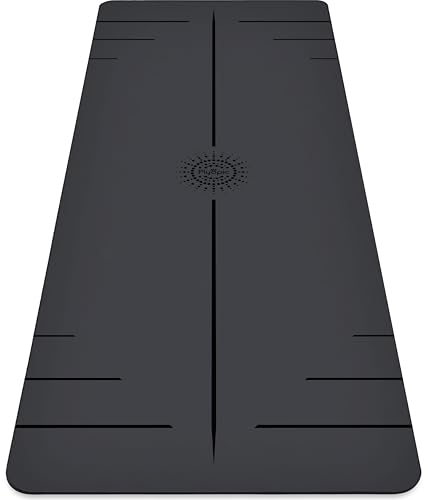
A 72 x 26 inch surface with a dedicated dry-and-wet grip material means you can hold poses even as sweat builds. That is exactly what makes this mat a standout for hot yoga and intense flows. The dense natural rubber layer cushions sensitive knees and wrists without sacrificing stability, and the PoseMap alignment guides help you check hand and foot placement at a glance. It suits yogis who want reliable traction through every stage of practice, especially those who push through sweaty sessions and need a mat that grips harder as moisture increases.
The grip is the main event here: the UltraGrip material keeps hands and feet planted even when sweat builds up, so you can hold poses without sliding. At 5.3 pounds, it’s not the lightest mat around, and the 0.2-inch thickness means less cushioning for your knees on hard floors than thicker options. But the alignment lines give clear reference points for hands, feet, and center, making it easier to check your positioning without a cluttered surface.
Product photos
KEEP Non-Slip Large Yoga Mat
What We Like
- 32-inch width for spacious poses
- 7mm cushion protects joints
- Double-sided non-slip grip
- Lightweight at 2.86 pounds
Trade-offs
- At 7mm, less ground connection for balance
- Requires airing out before first use to dissipate odor
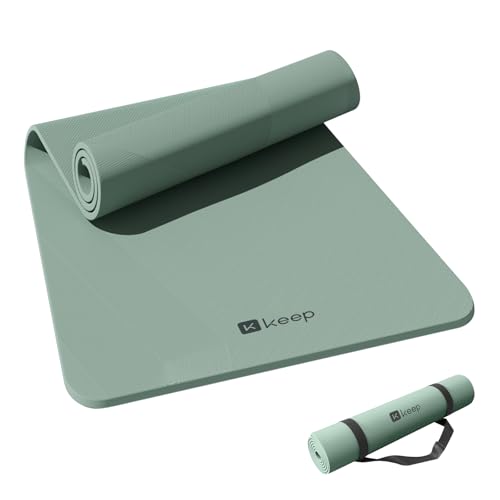
A full 32 inches wide means you can spread out into wide-legged stances or side stretches without worrying about your hands or feet slipping off the edge. That extra real estate, paired with 7mm of TPE cushioning, makes this mat a comfortable choice for anyone who wants joint protection during floor poses or kneeling work. The double-sided non-slip texture, a fingerprint-like top and a patterned bottom, helps keep you steady on dry or wet surfaces. It’s also light enough at under three pounds to toss over your shoulder with the included strap, so carrying it to class or the park doesn’t feel like a chore.
The 7mm padding cushions knees and elbows during floor work, but that plushness reduces the firm ground feedback some practitioners want for balancing poses. Compared to the Manduka PRO at 7.5 pounds, the KEEP’s lighter TPE build offers more comfort but less stability for those who prefer a denser base. If your practice focuses on restorative or gentle stretching, this extra-wide mat is a thoughtful fit.
Product photos
Manduka PROlite Yoga Mat

What We Like
- Lifetime durability from high-density construction
- Closed-cell surface seals out moisture for hygiene
- No-slip dot pattern keeps mat steady on floor
- Lightweight 4.6 lb for easy studio carry
Trade-offs
- Narrower 24-inch width limits space for wide stances
- Closed-cell PVC surface can feel slippery when wet
At just 4.6 pounds, the Manduka PROlite is light enough to toss over your shoulder and walk to the studio without feeling like you’re training for a shoulder press. That 4.7mm thickness gives you a stable, supportive base that still cushions your knees and joints during floor poses. The closed-cell surface seals out sweat and spills, so the mat stays cleaner longer and won’t absorb that funky gym-floor smell. It’s the kind of mat that makes you feel like you’ve got your act together, even if you’re still figuring out which way to face in down dog.
The 24-inch width is standard for many studio mats, but if you prefer extra room for wide-legged poses or have a taller frame, you might find it snug. The Liforme Evolve measures 26.8 inches wide and is marketed with an advanced non-slip grip for sweat resistance, making it a different choice for those who prioritize width and grip. The PROlite is built for daily studio practice where reliability, easy cleaning, and long-term durability matter most.
Ellylife Non-Slip Natural Rubber Yoga Mat
What We Like
- Extra-large surface for movement
- Matte PU stays grippy when sweaty
- Natural rubber bottom resists sliding
- Alignment lines help check form
Trade-offs
- 4.2 mm offers less cushion for hard floors
- 6.3 pounds is heavier than many comparable mats
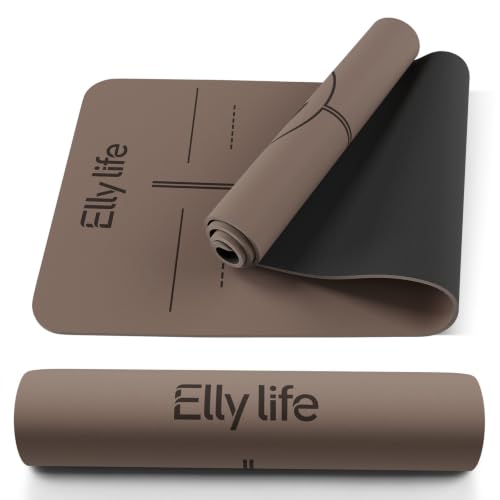
The printed alignment lines on this mat let you check your pelvis, spine, and limb angles without craning your neck or stopping mid-flow. That’s a real time-saver for learning a new pose or refining an old one. The extra-large 74.8 by 26.8 inch surface gives you room to spread out, and the matte PU top keeps its grip even when sweat starts dripping. Beginners and experienced practitioners both get something useful here: clear visual cues and a stable, non-slip foundation.
Weight is a real factor here. At 6.3 pounds, this mat is noticeably heavier than something like the Liforme Evolve Yoga Mat (5.5 pounds), so if you walk to class or carry your gear across a parking lot, that extra pound adds up. The 4.2 mm thickness also means less padding under your knees and spine on concrete or tile than a thicker mat would provide. For home practice where you don’t move the mat often and want alignment guidance built right in, it’s a smart fit.
Product photos
How We Evaluated Slip Resistant Yoga Mats
Our research began with a deep look at the materials and construction that define grip. We studied how different surfaces, natural rubber, polyurethane, PVC, and cork, perform under sweat and pressure. We compared cushion thickness, weight, and width to understand how each mat balances stability with portability. Patterns across expert round-ups and thousands of owner experiences shaped our understanding of what holds up over time.
Three criteria mattered most: grip performance in wet conditions, material quality and durability, and practical dimensions for real practice spaces. A mat that grips when dry but turns slick with sweat fails its primary job. We prioritized surfaces with documented moisture-wicking or sweat-activated properties. Cushion thickness also played a role, since a mat that protects joints but sacrifices ground connection can hinder balance poses.
This evaluation is based on manufacturer specifications, material science, and verified owner feedback patterns. While we cannot replicate every sweaty practice session, the consensus across thousands of users gives a reliable picture of which non-slip yoga mats perform best.
What To Look For In Slip Resistant Yoga Mats
Finding the right mat means understanding how grip, cushion, and material work together for your specific practice style. Here is what to prioritize.
Choose a mat with a surface that grips when wet, polyurethane or natural rubber, if you sweat heavily. Prioritize thickness based on your joint sensitivity and floor type. Consider weight only if you carry your mat to class.
Grip Performance When Wet
The best non-slippery yoga mats maintain grip even when moisture builds. Polyurethane top layers, like those on the Liforme and Gaiam Dry-Grip mats, actually become stickier with sweat. Natural rubber, as used by JadeYoga, offers excellent dry grip but can feel slick when wet unless textured. PVC mats like the Manduka PRO rely on closed-cell surfaces that resist absorbing moisture, though some users report slipperiness during hot sessions. If you practice hot yoga or have sweaty hands, yoga mats for sweaty hands are a must; look for sweat-activated or moisture-wicking topcoats.
Cushion Thickness and Joint Protection
Thickness ranges from 3/16 inch (about 4.8 mm) to 7 mm. Thinner mats (4-5 mm) offer better ground connection for balancing poses like tree or handstand. Thicker mats (6-7 mm) cushion knees, wrists, and spines during floor work and restorative poses. The Liforme Evolve sits at 4.2 mm, balancing feedback and comfort. The Manduka PRO uses 6 mm of dense foam for joint protection without sacrificing stability. Heavier practitioners or those with sensitive joints should prioritize thicker mats, while advanced yogis may prefer thinner profiles for proprioception.
Material Composition and Eco-Friendliness
Natural rubber mats (JadeYoga, Plyopic) offer superior grip and are free of PVC, phthalates, and heavy metals. They have a distinct smell that fades over time. PVC mats (Gaiam Premium, Manduka) are durable and lightweight but may require airing out initially. Polyurethane top layers combine well with natural rubber bases for sweat-activated grip. Cork mats offer an eco-friendly alternative with natural antimicrobial properties. For a deeper look at construction, see our guide to yoga mat materials.
Weight and Portability
- Lightweight mats (under 3 lbs) suit daily commuters and studio-goers.
- Mid-weight mats (4-5 lbs) balance portability with durability.
- Heavy mats (over 7 lbs) stay put on the floor but are cumbersome to carry.
A mat that weighs more than 5 lbs will feel heavy on a walk to the studio but offers better floor stability.
Slip Resistant Yoga Mats Compared
The table below compares all ten mats across key specs so you can see at a glance which fits your practice.
| Product | Thickness | Material | Dimensions | Weight |
|---|---|---|---|---|
| Liforme Evolve Yoga Mat | 4.2 mm | Eco-polyurethane & rubber | 72.8 x 26.8 x 0.16 in | 5.5 lb |
| Gaiam Premium Yoga Mat | 5mm | 6P-free PVC | 68" x 24" | 2.6 pounds |
| Gaiam Dry-Grip Yoga Mat | N/A | N/A | 24.1 x 4.5 x 4.0 in | 4.8 lbs |
| Manduka PRO Yoga Mat | 6 mm | OEKO-TEX certified PVC | 71 x 26 x 0.2 in | 7.5 lb |
| JadeYoga Harmony Yoga Mat | 3/16" (0.2 inches) | Natural open-cell rubber | 68 x 24 x 0.2 in | 4.2 pounds |
| Liforme Jivamukti Yoga Mat | 4.2 mm | Eco-polyurethane surface / natural rubber base | 72.8 x 26.8 x 0.2 in | 5.5 pounds |
| Plyopic Ultra Grip PRO Yoga Mat | N/A | Natural rubber + fiber layer | 72 x 26 x 0.2 in | 5.3 lb |
| KEEP Non-Slip Large Yoga Mat | 7mm | TPE | 72"Lx32"Wx7mm Thick | 2.86 lbs |
| Manduka PROlite Yoga Mat | 4.7 mm | OEKO-TEX certified PVC | 71 x 24 x 0.2 in | 4.6 lb |
| Ellylife Non-Slip Natural Rubber Yoga Mat | 4.2 mm | Natural rubber + matte PU top | 74.8 × 26.8 in | 6.3 lb |
Frequently Asked Questions
What makes a yoga mat slip-resistant?
A slip-resistant yoga mat uses materials like natural rubber, polyurethane, or textured PVC that create friction against your hands and feet. Some surfaces, like the polyurethane top layer on the Liforme Evolve, actually become grippier when wet, making them ideal for sweaty practice.
How thick should a yoga mat be for joint protection?
For most practitioners, 5 mm to 6 mm offers a good balance of joint cushioning and ground connection. Thicker mats (7 mm) protect knees and wrists during floor poses but can feel unstable for balancing. Thinner mats (4 mm) give better feedback for advanced poses.
Are natural rubber yoga mats better than PVC?
Natural rubber mats offer superior grip and are more eco-friendly, but they can be heavier and have a distinct smell. PVC mats are lighter, more durable, and often more affordable, but they may require airing out and are less environmentally sustainable.
How do I clean a non-slip yoga mat?
Most mats can be wiped down with a mild soap and water solution after each use. Natural rubber mats require gentle cleaners to avoid drying out the surface. Avoid soaking the mat or using harsh chemicals, which can break down the grip layer over time.
Can I use a yoga towel on a slip-resistant mat?
Yes, a yoga towel can add extra moisture absorption on mats that feel slick when wet. However, many modern slip-resistant mats are designed to be used without a towel, as their surfaces actively wick moisture or become stickier with sweat.
The Bottom Line
The Liforme Evolve Yoga Mat is the best choice for anyone who sweats heavily and wants reliable grip without a towel. Its sweat-activated surface and eco-friendly materials make it a standout for hot yoga and vigorous vinyasa flows. If you need something lighter, the Gaiam Premium Yoga Mat offers excellent portability at just 2.6 pounds with solid cushioning.
For budget-conscious shoppers or those with specific needs, our award picks cover every scenario. The Gaiam Dry-Grip Yoga Mat handles heat well at a more accessible price point. The Manduka PRO Yoga Mat offers unmatched durability for home practice with its lifetime guarantee. The JadeYoga Harmony Yoga Mat appeals to eco-conscious yogis who want natural rubber grip and a tree planted for every mat sold.
The single most important factor is choosing a mat whose grip matches your sweat level. A mat that works for a gentle Hatha practice may fail you in a Bikram class. Match the surface to your practice, and you will find stability in every pose.
