
10 Best Lightweight Yoga Mats Under 200 in 2026
This post contains affiliate links. As an Amazon Associate, we earn from qualifying purchases.
The best lightweight yoga mat is the Manduka PROlite Yoga Mat. It balances 4.7mm of joint-protecting cushion with a non-slip dot pattern and a closed-cell surface that blocks moisture. For budget-conscious shoppers, the Gaiam Essentials Yoga Mat offers great value, while the Manduka eKO Superlite Travel Yoga Mat is a pick for travelers who need something featherlight.
Anyone searching for a mat wants portability without sacrificing performance. The challenge is finding a mat that stays put during poses, cushions hard floors, and still rolls up light enough to carry to class or stash in a closet.
We researched specifications, manufacturer details, and patterns in owner feedback to build this guide. It covers ten mats across different needs, from ultra-light travel options to extra-thick cushioning, so you can find the right fit for your practice.
Top 10 Lightweight Yoga Mats Under 200 in the Market
Certain content that appears on this site comes from Amazon. This content is provided "as is" and is subject to change or removal at any time.
The Best Lightweight Yoga Mats Under 200, Reviewed
Manduka PROlite Yoga Mat

What We Like
- 4.7mm cushioning with joint protection
- Non-slip dot pattern keeps mat steady
- Closed-cell surface seals out moisture
Trade-offs
- Heavier than travel-focused mats (4.6 lb)
- Requires Manduka-specific cleaner for proper maintenance
At 4.6 pounds, the PROlite is heavier than travel-oriented mats like the eKO Superlite Travel Yoga Mat (2.0 lb), so it’s less convenient for daily carrying. The 71-inch length may leave taller practitioners with less coverage than longer mats, but for most people the combination of lifetime durability, high-density stability, and hygienic construction makes this a reliable choice.
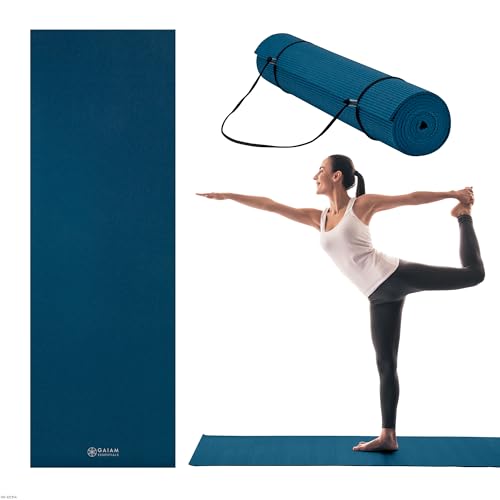
Gaiam Essentials Yoga Mat
What We Like
- Textured non-slip surface for grip
- 6mm cushioning for joint support
- Extra-long 72-inch length
- Non-toxic 6P-free PVC construction
Trade-offs
- At 3.5 lbs, heavier than some travel mats
- Requires 2-3 days airing before first use
A 6mm cushion strikes a smart balance between joint comfort and stability. It gives your knees, wrists, and hips padding on hard floors while keeping you grounded in standing poses like Warrior or Tree. That thickness, paired with a textured non-slip surface, makes this mat a versatile pick for Vinyasa, Pilates, barre, or floor workouts without sliding around. It is also long enough at 72 inches to fit taller folks comfortably, and the included carrying sling means you can toss it over your shoulder for the studio or park without buying a separate bag.
The trade-off is weight: at 3.0 pounds, it is noticeably heavier than the Manduka eKO Superlite Travel Yoga Mat, which comes in at just 2 pounds for those who prioritize portability above all. And while the 6P-free PVC is a healthier choice than some conventional mats, it is still a synthetic material, so if you prefer natural rubber or TPE, you might look elsewhere. But for a budget-friendly mat that delivers reliable grip, decent padding, and a full-size surface, this one gets the job done without fuss.
Manduka eKO Superlite Travel Yoga Mat

What We Like
- Weighs only 2 pounds for easy carry
- Foldable design packs small for travel
- Natural rubber with textured grip
- Closed-cell surface resists moisture
Trade-offs
- At 1.5mm, offers minimal cushioning
- Requires special spray cleaner, not soap
At just two pounds and 1.5 millimeters thick, this mat folds into a compact bundle that disappears into a suitcase or backpack, exactly what you want when every ounce counts on a trip. The natural rubber surface uses a textured orange peel pattern to keep your hands and feet planted, even if you’re practicing on a hotel carpet or a park lawn. It’s built for the yogi who values portability over plushness and wants a reliable grip without the bulk of a standard mat.
At 1.5mm thick, this mat offers almost no padding against a hard floor, so kneeling poses or sensitive joints will feel every bit of the ground. Compared to the Manduka PROlite at 4.7mm, you trade cushioning for something that fits in a carry-on. If your practice is mostly at home or in a studio, a thicker mat makes more sense. But if you want to practice in airports or mountain cabins, this one actually goes with you.
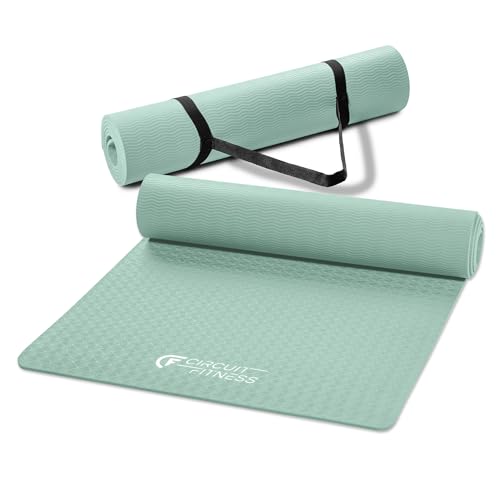
Circuit Fitness by Marcy Non-Slip Exercise Mat
What We Like
- Weighs only 1.5 pounds
- Dual-sided textured traction
- Moisture-resistant closed-cell TPE
- Includes shoulder carry strap
Trade-offs
- At 24 inches wide, narrower than some mats
- 6mm thickness offers less cushion for joint-sensitive workouts
Weighing 1.5 pounds, this mat is light enough to carry with the included shoulder strap without adding noticeable weight to your bag. The closed-cell TPE material resists sweat absorption, so a quick wipe-down keeps it fresh between studio sessions or home workouts. The dual-sided textured traction helps prevent shifting on hardwood, tile, or carpeted floors, which is useful when moving through standing poses.
At just 1.5 pounds, this mat is exceptionally light and easy to carry. But the 6mm thickness means it offers less cushioning than a heavier mat like the Manduka PROlite, which is 4.7mm thick and weighs 4.6 pounds. For low-impact routines like stretching or core work, the padding is adequate, but those who need extra joint protection for floor exercises may prefer a thicker option.
Product photos
Amazon Basics Extra Thick Exercise Yoga Mat

What We Like
- Half-inch cushioning for joint comfort
- Lightweight at only 2.2 pounds
- Textured surface for secure grip
- Includes elastic carrying strap
Trade-offs
- 24-inch width limits side-to-side space for broader stances
- Hand wash only; no machine-wash convenience
The Amazon Basics Extra Thick Exercise Yoga Mat uses half an inch of NBR foam to provide comfortable padded support and shock absorption for yoga, gym workouts, and everyday exercises. At just 2.2 pounds, it’s light enough to sling over your shoulder with the included strap and carry to the park or studio without feeling like you’re hauling gear. That combination of plush padding and easy portability makes it a natural fit for anyone who prioritizes comfort over ground feel, especially beginners or those recovering from joint sensitivity who want a forgiving surface for slower flows or restorative poses.
The Amazon Basics Extra Thick Exercise Yoga Mat provides 1/2 inch of cushioning, which means it offers comfortable padded support for yoga, gym workouts, and everyday exercises. Its NBR foam construction stretches and springs back into shape for long-lasting durability, and at only 2.2 pounds, it’s lightweight enough to carry with the included elastic strap. The textured surface provides extra traction to keep the mat in place during workouts, making it suitable for all fitness levels.
Product photos
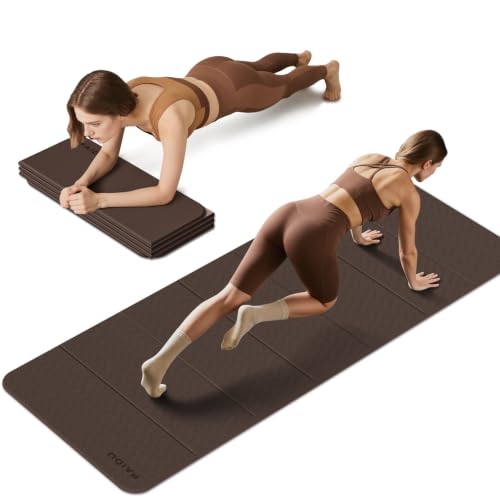
PAIDU Foldable Yoga Mat
What We Like
- Folds in 3 seconds, no rolling
- 75 x 26 in for extra coverage
- 10 mm thick TPE cushions joints
- Double-sided anti-slip texture
Trade-offs
- At 2.6 lb, heavier than some travel mats
- Avoid prolonged outdoor exposure per manufacturer care instructions
A 26-inch width gives you nearly 30 percent more surface than standard 24-inch mats. So sprawling out for wide-stance poses or stretching your arms overhead without touching the floor feels natural. The 10 mm TPE foam cushions pressure on joints during exercise, and the folding design takes about three seconds to reduce the mat to one-seventh its original size, making it easy to stash in a car trunk or gym bag. That combination of generous space and quick portability works well for anyone who moves between home, studio, and outdoor workouts.
At 2.6 pounds, this mat is heavier than the Manduka travel mat that weighs 2.0 pounds. So if your bag is already packed tight, that extra half-pound might tip the scale. The TPE material is softer than the dense natural rubber of the Manduka PROlite, which some people prefer for stability in balancing poses. If you value a wide, cushioned surface that folds quickly and do not mind a bit more heft, this mat works well.
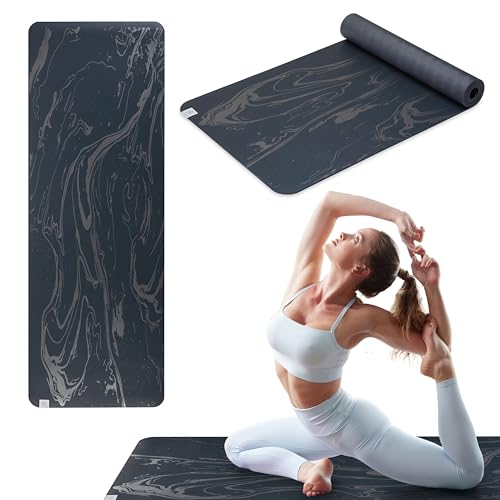
Gaiam Dry-Grip Yoga Mat
What We Like
- Moisture-wicking topcoat for sweaty grip
- Cushioned support for joints
- Lightweight and easy to carry
- Suitable for hot yoga and high-intensity workouts
Trade-offs
- 4.8 pounds is heavier than some travel mats
- 24.1-inch length is too short for taller practitioners
The moisture-wicking dry-grip topcoat is the defining feature here, actively pulling sweat away from your skin so you don’t slide through downward dog or lose your footing in a heated class. That makes this mat a natural fit for anyone who practices hot yoga, Bikram, or sweaty vinyasa flows where a regular mat turns into a slippery mess. The rubber base adds cushioning for knees and wrists without feeling too thick, and at 4.8 pounds it’s light enough to toss over your shoulder for studio sessions or gym trips.
At 4.8 pounds, this mat is noticeably heavier than ultra-portable options like the Circuit Fitness by Marcy Non-Slip Exercise Mat at 1.5 pounds. So if you’re carrying your mat on a long commute or hiking to an outdoor class, you’ll feel the difference. For hot yoga regulars who prioritize grip over ultralight portability, this mat delivers exactly what the name promises.
Sunny Health & Fitness Slim High-Density Yoga Mat

What We Like
- Firm high-density foam for stable balance
- Textured surface resists moisture and cleans easily
- Lightweight 2 lb for easy portability
- Free access to SunnyFit app with guided workouts
Trade-offs
- At 68 inches, shorter than many standard mats
- Slim 4mm profile offers less cushioning for sensitive joints
- Narrow 24-inch width limits side-to-side room
A 4mm profile keeps you close to the floor, which experienced practitioners often prefer for better stability and alignment in standing poses. The high-density PVC foam delivers firm, responsive support. It won’t compress under your weight the way a thick cushion can, so you feel grounded rather than wobbly. This mat is built for daily practice with a textured surface that resists sweat and wipes clean easily, and at just two pounds it’s genuinely portable for carrying to a studio or rolling into a bag for travel.
The slim 4mm profile means less padding for your knees and wrists on hard floors compared to thicker mats. If you spend a lot of time in kneeling poses or have sensitive joints, you might want extra cushioning underneath. The 68-inch length is shorter than some other mats on the market, so taller users may find their feet hanging off the end in savasana. But for someone who values a firm, stable surface and wants a mat that disappears into a backpack, this is a practical, no-fuss option.
Product photos
READAEER Foldable Fitness Yoga Mat
What We Like
- 10 mm thick for joint comfort
- Foldable design, no rolling needed
- 74.8 x 26-inch surface for extra coverage
Trade-offs
- At 3.0 lb, heavier than some travel mats
- Fold lines can create uneven surface during poses
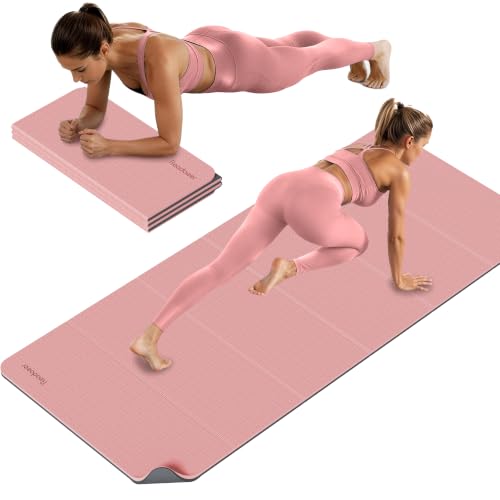
A 75 x 26-inch surface gives you 30% more room than a standard yoga mat, so taller folks or anyone who spreads out during flows won’t hang off the edges. It’s built for versatility, planks, Pilates, or stretching at the park, and the folding design means you can stash it in a closet or toss it in a car without wrestling with a roll.
The extra width and thickness come with a weight trade-off: at 3.0 pounds, it’s heavier than the Manduka travel mat that weighs 2.0 pounds. So if you’re carrying it to class, you’ll feel the difference. But for home use or gym trips where a few extra ounces aren’t a deal, the READAEER gives you more space and cushion than most mats near its weight.
If you’re looking for a mat that packs down to almost nothing for backpacking or air travel, this isn’t it. The 3.0-pound weight and foldable design still take up noticeable space, and the fold lines may need a moment to settle on the floor. For studio sessions or home workouts where portability is secondary to comfort and coverage, it’s a solid fit.
Product photos
CAP 1/2" Thick Yoga Mat
What We Like
- Half-inch NBR foam cushions joints
- Latex-free for sensitive skin
- Textured surface aids grip
- Includes carry strap for portability
Trade-offs
- NBR foam is less dense than premium mats
- At 2.1 lb, not the lightest for travel
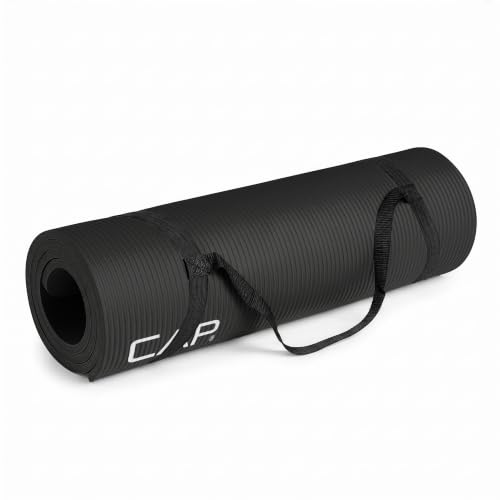
The half-inch of NBR foam cushions your knees, elbows, hips, and back during floor exercises, which is a clear benefit if standard thinner mats leave you sore on hard surfaces. The textured surface is designed to provide grip and stability during yoga poses and floor workouts, and the included carry strap makes it easy to roll up and transport. This mat puts joint protection first without requiring a premium price.
NBR foam is less dense than some premium mats, so you may notice more give in standing poses compared to a denser mat like the Manduka PROlite. At 68 inches long, it fits most users, though taller individuals might find it short for full-length stretches. At 2.1 pounds, it is light enough for everyday carry but not the lightest option for frequent travel. If your priority is forgiving cushioning for floor work and gentle yoga at a reasonable cost, this mat delivers what it promises.
Product photos
How We Evaluated Lightweight Yoga Mats Under 200
This evaluation is research-based. It looks at manufacturer specifications, expert round-ups, and patterns in owner feedback to understand what makes a mat work well. The focus is on weight, thickness, grip material, and overall durability for regular use.
The four criteria that mattered most were weight (how easy it is to carry), cushioning (joint protection during floor poses), grip (surface texture and moisture resistance), and dimensions (length and width for different body types). We also considered material quality and care requirements.
A research-led evaluation has limits: we didn’t test these mats ourselves. Instead, we relied on verified specs, professional reviews, and consistent owner reports to identify strengths and trade-offs. This approach helps you narrow the field before you buy.
What To Look For In Lightweight Yoga Mats Under 200
The best mat for you depends on your practice style and where you use it. Here’s what to check before you buy.
Look for a mat under 4 pounds if you carry it to class. Check the thickness: 4-6mm suits most yoga, while 10mm helps sensitive joints. Pick closed-cell materials like PVC or TPE to keep sweat from soaking in.
Weight and Portability
Weight is the first filter. Travel-focused mats like the Manduka eKO Superlite weigh just 2 pounds and fold into luggage. The Circuit Fitness by Marcy Non-Slip Exercise Mat is even lighter at 1.5 pounds with a carry strap. Heavier mats like the Gaiam Dry-Grip (4.8 pounds) offer more cushion but feel bulky on a commute. For a deeper look at travel yoga mats and yoga mats for on the go, we have dedicated guides.
Cushioning and Thickness
Thickness protects your knees, wrists, and spine on hard floors. The Amazon Basics Extra Thick Exercise Yoga Mat and CAP 1/2″ Thick Yoga Mat both offer half-inch cushioning at around 2 pounds. The Manduka PROlite uses 4.7mm of dense foam that balances support with stability for standing poses. Thinner mats (1.5-4mm) are lighter but require more floor padding underneath for comfort.
Grip and Surface Material
Grip keeps you stable in downward dog and warrior poses. Closed-cell surfaces like the Manduka PROlite’s seal out sweat and bacteria, while natural rubber mats like the eKO Superlite offer textured traction but need special cleaners. The Gaiam Dry-Grip uses a moisture-wicking topcoat that gets tackier when wet, ideal for hot yoga. If you prefer natural materials, check our guide on natural yoga mats.
- Check the mat’s width: 24 inches is standard, but wider mats (26 inches) give more room for broad stances.
- Look for a carry strap or foldable design if you travel often.
- Avoid mats that require special cleaners unless you’re willing to maintain them.
- Consider foldable options like the PAIDU or READAEER if rolling is a hassle.
- Read care instructions: some mats need airing out before first use.
A mat that’s too thick can wobble in balance poses; a mat that’s too thin won’t cushion your joints. Aim for 4-6mm for all-purpose yoga.
Lightweight Yoga Mats Under 200 Compared
The table below compares each mat’s weight, thickness, dimensions, and key features to help you decide at a glance.
| Product | Thickness | Weight | Material | Dimensions |
|---|---|---|---|---|
| Manduka PROlite Yoga Mat | 4.7 mm | 4.6 lb | OEKO-TEX certified PVC | 71 x 24 in |
| Gaiam Essentials Yoga Mat | 6 mm | 3.0 pounds | 6P-free PVC | 72" x 24" |
| Manduka eKO Superlite Travel Yoga Mat | 1.5 mm | 2.0 pounds | Natural rubber | 71 x 24 inches |
| Circuit Fitness by Marcy Non-Slip Exercise Mat | 6mm (1/4 inch) | 1.5 pounds | Closed-cell TPE | 74 x 24 x 0.2 inches |
| Amazon Basics Extra Thick Exercise Yoga Mat | 0.5 inches | 2.2 pounds | NBR foam | 74" x 24" |
| PAIDU Foldable Yoga Mat | 10 mm | 2.6 lb | SGS certified TPE | 75 x 26 x 0.4 in |
| Gaiam Dry-Grip Yoga Mat | N/A | 4.8 pounds | Rubber with topcoat | N/A |
| Sunny Health & Fitness Slim High-Density Yoga Mat | 4 mm (0.16 in) | 2.0 lb | High-density PVC | 68 x 24 x 0.2 in |
| READAEER Foldable Fitness Yoga Mat | 10 mm | 3.0 lb | TPE (eco-friendly) | 74.8 x 26.0 x 0.4 in |
| CAP 1/2" Thick Yoga Mat | 0.5 inches | 2.1 pounds | Latex-free NBR foam | 68 x 24 inches |
Frequently Asked Questions
What is the lightest yoga mat under 200?
The Circuit Fitness by Marcy Non-Slip Exercise Mat is the lightest at 1.5 pounds. It’s a narrow, 6mm TPE mat with a carry strap, designed for commuters and backpack travelers who need minimal bulk.
How thick should a yoga mat be for joint pain?
For sensitive joints, look for 6mm to 10mm of cushioning. The Amazon Basics Extra Thick Exercise Yoga Mat and CAP 1/2″ Thick Yoga Mat both offer half-inch padding. Thicker mats reduce pressure on knees and wrists during floor poses.
What is the best yoga mat for hot yoga?
The Gaiam Dry-Grip Yoga Mat is made for sweaty sessions. Its moisture-wicking topcoat improves grip as you perspire, and the cushioned support works well for high-intensity flows. It weighs 4.8 pounds, so it’s not the lightest for travel.
Are foldable yoga mats better than rolled mats?
Foldable mats like the PAIDU and READAEER are easier to store and pack flat in a bag. They don’t curl at the edges like rolled mats sometimes do. The trade-off is that fold lines can create uneven spots during practice.
What is the best budget lightweight yoga mat?
The Gaiam Essentials Yoga Mat is our budget pick. It has a textured non-slip surface, 6mm cushioning, and a 72-inch length at a weight of 3.5 pounds. It needs a few days to air out before first use, but the value is hard to beat.
The Bottom Line
The Manduka PROlite Yoga Mat is the best overall for its durable construction, reliable grip, and closed-cell hygiene. It suits regular studio and home practitioners who want a mat that lasts without weighing them down.
If you’re on a tight budget, the Gaiam Essentials Yoga Mat gives you cushion and grip at a lower cost. For travelers, the Manduka eKO Superlite weighs only 2 pounds and folds into any suitcase.
The single most important factor is weight versus cushioning. Decide how far you carry your mat and what kind of floor you practice on, then choose accordingly. For more options, see our full list of affordable yoga mats and premium yoga mats.
