
10 Best Activity Tracker And Heart Rate Monitors in 2026
This post contains affiliate links. As an Amazon Associate, we earn from qualifying purchases.
The Garmin Vivoactive 5 Health Smartwatch wins as best overall with its 11-day battery life, AMOLED display, and 30-plus built-in sports apps that include GPS and a wheelchair mode. For sleep-focused buyers, the Fitbit Inspire 3 offers automatic sleep tracking with a Stress Management Score. Gym-goers who want real-time heart rate on exercise machines should look at the Fitbit Charge 6.
Choosing an activity tracker means balancing what you want to track against how much hassle you want. Heart rate accuracy matters for training, but battery life, screen type, and whether you need built-in GPS or a subscription all shift the decision.
We researched specifications, manufacturer data, expert round-ups, and patterns in owner feedback to build this guide. The result is a focused look at ten trackers that cover different priorities from recovery insights to budget-friendly monitoring.
Top 10 Activity Trackers And Heart Rate Monitors in the Market
Certain content that appears on this site comes from Amazon. This content is provided "as is" and is subject to change or removal at any time.
The Best Activity Trackers And Heart Rate Monitors, Reviewed
Garmin Vivoactive 5 Health Smartwatch

What We Like
- 11-day battery life with AMOLED display
- Body Battery energy monitoring with nap insights
- 30+ built-in sports apps including GPS
- Wheelchair mode for inclusive tracking
Trade-offs
- Health data is estimation, not medical-grade
- No onboard music storage mentioned
An 11-day battery life on a bright AMOLED screen means you can wear this smartwatch day and night without hunting for a charger every few days. That alone makes it a strong companion for anyone who wants continuous health tracking. Sleep scores, stress levels, and Body Battery energy monitoring all feed into a morning report that helps you decide whether to push hard or take it easy. With over 30 built-in sports apps including GPS for runs and rides, plus wheelchair mode that tracks pushes instead of steps, it covers a wide range of fitness styles without leaving anyone out.
The trade-off is that the health metrics, heart rate, sleep coaching, HRV status, are clearly labeled as close estimations rather than clinical measurements. So if you need precise data for medical reasons, you might want something with a doctor-grade sensor. For most people who want a balanced, long-lasting activity tracker that also looks like a proper watch, this hits the sweet spot.
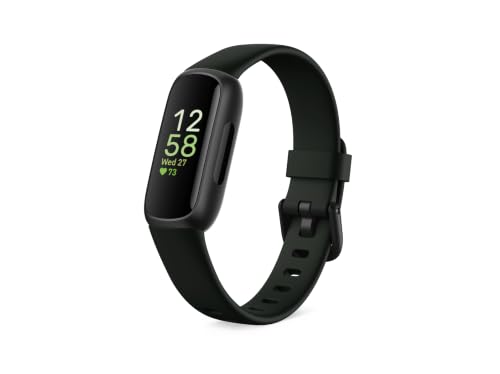
Fitbit Inspire 3 Activity Tracker
What We Like
- Daily Stress Management Score included
- Automatic sleep tracking with Sleep Score
- 24/7 heart rate monitoring
- Smart wake vibrating alarm
Trade-offs
- No built-in GPS for outdoor runs
- Requires smartphone for full features
A daily Stress Management Score helps you keep an eye on your well-being, with mindfulness sessions and relax breathing exercises to support stress management. Automatic sleep tracking gives you a detailed Sleep Score each morning, so you can improve your sleep quality. The Inspire 3 also tracks 24/7 heart rate, SpO2, and menstrual health, giving you a full picture of your well-being without wearing a bulky watch. This is the tracker for anyone who wants to feel better, not just move more.
The Inspire 3 relies on your phone for GPS, so if you run or bike without your phone, you will not get accurate distance or pace. The Inspire 3 also has a small screen that shows basic stats but not maps or detailed workout graphs. If your priority is understanding your sleep and stress patterns with a lightweight band that blends into daily life, this is a focused tool. If you need GPS for outdoor sports, look at a device with built-in GPS instead.
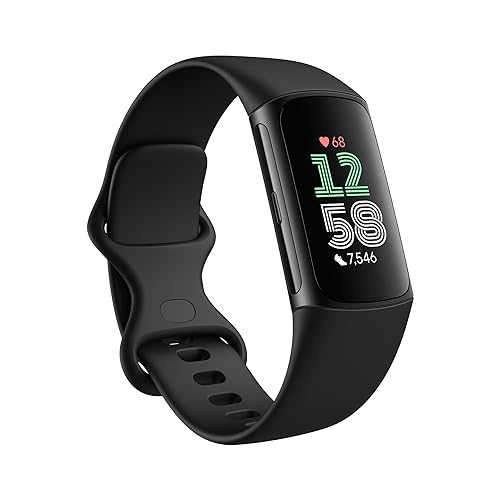
Fitbit Charge 6 Fitness Tracker
What We Like
- Links to compatible gym equipment for real-time HR
- Built-in GPS for runs and rides
- Google Maps turn-by-turn directions
- Google Wallet tap-to-pay on the go
Trade-offs
- Requires compatible exercise machines for HR integration
- YouTube Music controls, not full app
- Google Health Premium subscription after trial
Linking your Charge 6 to compatible treadmills, ellipticals, and other gym machines lets you see your heart rate in real time on the equipment you are already using. That keeps your focus on the workout rather than your wrist. This kind of integration is especially handy when you move between machines during a circuit. This tracker suits anyone who spends time in a gym with modern cardio gear and wants their data to follow them from station to station without extra fuss.
This feature only works with compatible exercise machines, so if your gym has older models or you mostly train with free weights, you will not get that direct link. Compared to the Garmin Vivoactive 5, which includes built-in sports apps, the Charge 6 emphasizes gym connectivity. It is a focused tool for the gym-goer who values real-time feedback on the equipment they already use.
Amazfit Helio Strap Screenless Tracker

What We Like
- HYROX Race mode for race prep
- Tracks reps, sets, rest periods
Trade-offs
- No screen for live stats during workouts
- Requires a smartwatch for full recovery tracking features
A screenless tracker that tracks reps, sets, and rest periods with precision means you can keep your eyes on the barbell, not your wrist. The dedicated strength training mode captures each repetition and pause automatically, so you never have to tap a tiny screen mid-set. For Hyrox competitors, an exclusive race mode offers tailored support during prep and event day. After the workout, the Zepp App delivers sport-specific insights including VO₂ max, training load, effect, and recovery time. All that data syncs with platforms like Strava, TrainingPeaks, and adidas Running, making it easy to keep your entire fitness ecosystem in one place.
If you prefer seeing your pace or heart rate mid-run without pulling out your phone, a watch like the Garmin Vivoactive 5 might suit you better.
Product photos
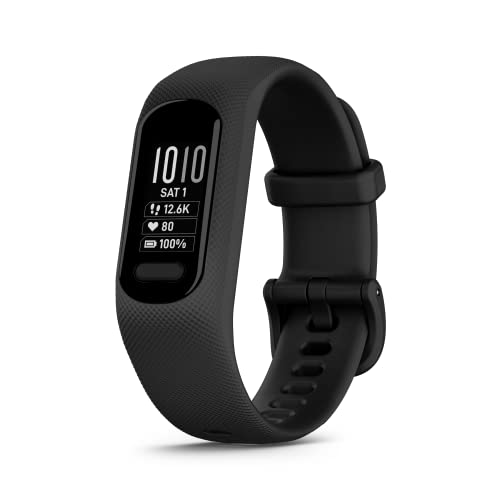
Garmin Vivosmart 5 Fitness Tracker
What We Like
- Sleep quality score with improvement insights
- Up to 7 days battery life
- Swim and shower safe
Trade-offs
- Pulse Ox not available in all countries
- Relies on smartphone GPS for outdoor tracking
- No built-in GPS for standalone distance
A sleep score plus personalized insights via the Garmin Connect app means this tracker doesn’t just log your hours, it helps you understand what your rest is telling you. With up to seven days of battery life and swim-proof build, you can wear it through the night and into the shower without worrying about charging or water damage.
Outdoor walks, runs, and rides rely on your phone’s GPS rather than a built-in chip, so you’ll need to carry your smartphone for accurate distance and pace. Compared to the Garmin Vivoactive 5, which includes its own GPS and a larger screen, the Vivosmart 5 is a slimmer, more sleep-focused option that prioritizes overnight insights over standalone navigation. If your main goal is understanding your sleep patterns without a bulky watch, this is where it shines.
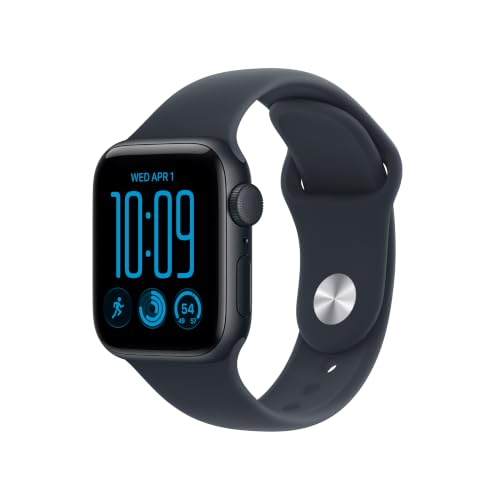
Apple Watch SE 3 GPS Smartwatch
What We Like
- Fast charging gives 8 hours in 15 minutes
- Temperature sensing for cycle tracking
- Fall and car crash detection
- Siri AI for wellness tips
Trade-offs
- Requires iPhone for full connectivity
- 18-hour battery needs daily charging
The fast charging is the standout feature: you can get up to 8 hours of battery in just 15 minutes. A quick top-off while you shower is enough to track your afternoon workout, sleep, and morning routine without worrying about a dead watch. The 18-hour battery life covers a full day from sunup to sundown. This watch gives you core health features like heart rate, sleep tracking, temperature sensing for cycle insights, and safety alerts such as fall and car crash detection. Siri AI can suggest post-workout stretches or healthy recipes right on your wrist, though it’s rolling out in English and usage limits may apply.
Battery life stretches through a full day of use, from morning alarms to evening workouts, so you won’t be hunting for a charger mid-afternoon. When it does run low, a quick 15-minute charge delivers up to 8 hours of power, handy for a last-minute errand or a forgotten overnight charge. Reviewers note this fast-charging capability makes it easy to keep the watch ready without changing daily habits. For anyone who already carries an iPhone and wants a health-focused companion that tops up quickly, this watch fits naturally into a routine.
Product photos
WHOOP 5.0 Screenless Fitness Wearable
What We Like
- Screenless design for uninterrupted sleep tracking
- AI Coach adapts insights from 140+ metrics
- Healthspan feature tracks biological aging
- Wireless PowerPack charges on wrist without removal
Trade-offs
- Requires ongoing membership for full functionality
- No on-device display for quick glance at stats
- Charging PowerPack is an extra item to carry
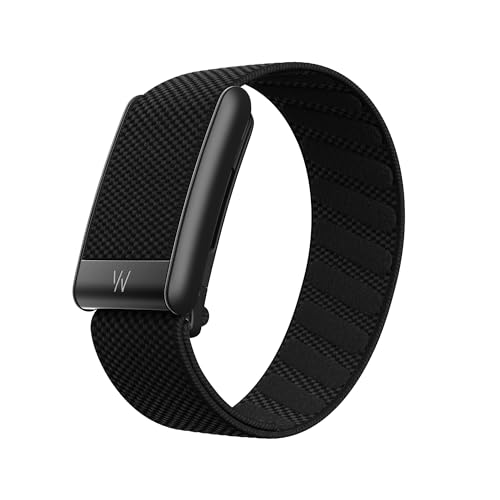
The WHOOP 5.0 tracks 140+ health metrics around the clock, including heart rate, HRV, blood oxygen, skin temperature, and respiratory rate, with 99%+ accuracy for heart rate and HRV. That depth of data feeds an AI coach that turns numbers into actionable advice on sleep, training, and recovery. For anyone focused on understanding how their body responds to daily life and workouts, this screenless wearable offers a level of personalized insight that most fitness trackers can’t match. The Healthspan feature shows your WHOOP Age and Pace of Aging, helping you see whether your body is aging faster or slower than your chronological age.
The big trade-off is the membership model: the device itself is included with a 12-month Peak subscription, so you are committing to an ongoing cost rather than a one-time purchase. The WHOOP 5.0 has no display at all, so you rely entirely on the app for any feedback. The wireless PowerPack lets you charge without removing the band, which keeps tracking continuous, but it is one more thing to keep track of. If recovery and deep sleep analysis are your top priorities, the WHOOP 5.0 delivers where few others do, just be ready for the subscription commitment.
FITVII Health Fitness Tracker Watch

What We Like
- 24/7 heart rate and blood pressure tracking
- 120+ sport modes for varied workouts
- Bluetooth calls and notifications on wrist
- IP67 water resistant for rain or sweat
Trade-offs
- Not suitable for swimming or diving
- Blood pressure tracking not for medical use
- Battery varies heavily with feature use
A 24/7 heart rate and blood pressure monitor at this price range means you can keep an eye on your key vitals without emptying your wallet. It also packs 120+ sport modes, so if you log a treadmill session or a hike, there’s a setting that fits. The built-in Bluetooth calling and notifications make it a practical daily companion, and the IP67 rating handles rain or a sweaty gym session just fine. This watch suits anyone who wants solid health tracking and smartwatch convenience without needing premium frills.
The health data from this watch is for lifestyle encouragement only, not medical diagnosis, so don’t rely on it for clinical decisions. Battery life reaches up to 7 days, but that drops if you use the always-on heart rate, blood pressure checks, or Bluetooth calls often. The included charger gets you started right away, and the feature set covers the basics well.
Product photos
Polar Loop Screenless Health Band
What We Like
- Ultralight 29g screenless design
- 8-day battery with no charging fuss
- No subscription for full app access
- 24/7 heart rate and sleep tracking
Trade-offs
- No screen means no glanceable stats during workouts
- No built-in GPS for outdoor route tracking
- Requires phone nearby for data sync
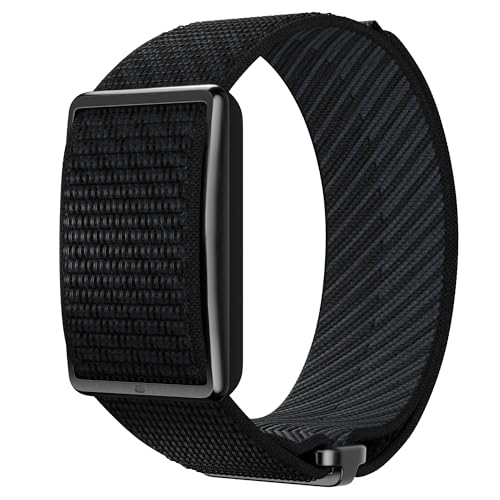
Weighing just 29 grams, the band is light enough for all-day and all-night wear without feeling bulky. Continuous heart rate monitoring uses Polar’s Precision Prime sensor and runs for up to eight days on a single charge, so you won’t need to recharge frequently. The Polar Flow app provides Nightly Recharge and SleepWise metrics with no subscription required, giving you full access to sleep and heart rate insights from day one.
You lose the convenience of seeing your heart rate or step count at a glance mid-run. Unlike the Garmin Vivoactive 5, which has a display, this band requires you to pull out your phone for any data. And since there’s no built-in GPS, outdoor mileage depends on connected GPS from your smartphone. That makes this band ideal for someone prioritizing comfort and battery life over on-wrist data, not for the runner who wants pace and distance on their arm mid-stride.
Product photos
Domhong Screenless Fitness Tracker Band
What We Like
- IP68 water resistance for all conditions
- 170+ sports modes with connected GPS
- Free QwatchPro app, no subscription
Trade-offs
- Screenless design means no display for quick checks
- Connected GPS requires carrying your smartphone
- No built-in music or payment features
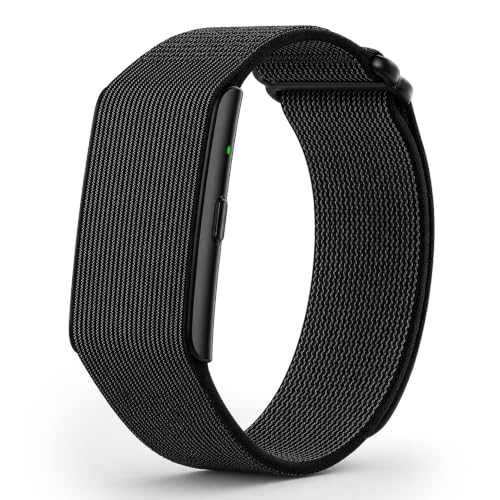
The screenless design keeps it lightweight at just 25 grams, so it disappears on your wrist during workouts, sleep, or daily wear. The IP68 rating handles sweat, rain, and hand washing without worry. With 170+ sports modes, connected GPS via your phone, and a free QwatchPro app that tracks heart rate, SpO2, HRV, stress, sleep stages, and daily energy, it delivers a complete picture of your wellness without locking you into a subscription.
Going screenless means you cannot glance at your stats on your wrist, you rely on vibration alerts and the app for updates. That works best if you already carry your phone for notifications and GPS. Compared to the Amazfit Helio Strap, which offers a similar screenless approach but only 10 days of battery, the Domhong’s 20-30 day endurance gives you far more freedom from charging. If you want a display for real-time pace or heart rate during a run, a model like the Garmin Vivoactive 5 might suit you better. But for pure, low-maintenance tracking that prioritizes battery life and comfort, this band hits a sweet spot.
Product photos
How We Evaluated Activity Trackers And Heart Rate Monitors
We built this guide by examining manufacturer specifications, expert round-ups, and patterns in owner feedback. Our research focused on what real users report about battery life, heart rate consistency, and day-to-day comfort. No product was tested in-house; this is a research-led evaluation based on published data and community consensus.
The four criteria that mattered most were heart rate monitoring method and accuracy, battery life between charges, screen type and glanceability, and the depth of sleep and recovery data provided. For gym use, we also weighed integration with equipment and rep tracking features.
A research-led evaluation has limits. Owner experiences vary with wrist size, skin tone, and workout type. We prioritized products with consistent positive patterns across many user reports rather than single outlier reviews.
What To Look For In Activity Trackers And Heart Rate Monitors
The right tracker fits your workout style and daily habits. Heart rate sensor type, battery life, screen presence, and subscription costs are the big four decisions.
Focus on optical heart rate sensors for general fitness, but know wrist-based readings lag behind chest straps during intervals. Look for at least five days of battery if you want sleep tracking without constant charging. Decide if you need a screen for pace or prefer a screenless band for uninterrupted rest.
Heart Rate Sensor Accuracy
Optical heart rate sensors use LEDs to measure blood flow through the wrist. They work well for steady-state cardio and daily resting heart rate but can lag during high-intensity intervals or weightlifting. For gym-goers doing HIIT, a chest strap paired with a watch offers more consistent readings. If you are comparing chest strap vs wrist monitor options, know that wrist sensors are convenient but less precise during rapid heart rate changes.
Battery Life and Charging
Battery life determines whether the tracker becomes a habit or a chore. Screenless bands often last a week or more because they have no display to drain power. AMOLED smartwatches with GPS active may need charging every few days. Fast charging helps: the Apple Watch SE 3 gives eight hours of use from a 15-minute charge. If you want uninterrupted sleep tracking, look for a model that lasts at least five days without needing a top-up.
Screen Type and Glanceability
A screen lets you check pace, heart rate, and notifications at a glance. AMOLED displays are bright and colorful but drain battery faster. Screenless designs like the WHOOP 5.0 and Polar Loop save battery and avoid light disruption during sleep but require a phone to see your stats. For runners, built-in GPS on a watch means leaving the phone behind; screenless bands use connected GPS from your phone.
Subscription Costs and App Access
Some trackers require a monthly or annual membership for full features. The WHOOP 5.0 needs an ongoing subscription, while the Polar Loop and Domhong bands give full app access with no fees. Factor the subscription into the total cost over two years. Free apps with no subscription are common among budget and screenless options.
- Check whether the tracker has built-in GPS or uses your phone’s GPS
- Confirm water resistance rating for swimming or shower use
- Verify smartphone compatibility (iOS versus Android or iPhone-only)
- Look for rep counting and rest timers if you do strength training
- Decide if you want music controls, contactless payments, or maps
A tracker you forget to charge is useless. Prioritize battery life that matches your routine.
Activity Trackers And Heart Rate Monitors Compared
The table below compares the ten activity trackers and heart rate monitors across key specs and features to help you narrow your choice.
| Product | Heart Rate | Battery Life | Sports Modes |
|---|---|---|---|
| Garmin Vivoactive 5 Health Smartwatch | Wrist-based HR | Up to 11 days | 30+ built-in |
| Fitbit Inspire 3 Activity Tracker | 24/7 heart rate | N/A | 40+ exercise modes |
| Fitbit Charge 6 Fitness Tracker | 24/7 | N/A | 40+ |
| Amazfit Helio Strap Screenless Tracker | 24/7 BioTracker tech | Up to 10 days | 27 sports modes |
| Garmin Vivosmart 5 Fitness Tracker | N/A | Up to 7 days | Built-in sports apps |
| Apple Watch SE 3 GPS Smartwatch | heart rate | 18 hours | N/A |
| WHOOP 5.0 Screenless Fitness Wearable | HR, HRV | 14+ days | N/A |
| FITVII Health Fitness Tracker Watch | 24/7 with blood pressure | Up to 7 days | 120+ |
| Polar Loop Screenless Health Band | 24/7 Precision Prime sensor | Up to 8 days | N/A |
| Domhong Screenless Fitness Tracker Band | heart rate | 20-30 days | 170+ |
Frequently Asked Questions
What is the difference between a fitness tracker and a heart rate monitor?
A fitness tracker counts steps, calories, and sleep, and often includes a heart rate sensor. A dedicated heart rate monitor focuses on continuous heart rate data and is usually worn as a chest strap or arm band. Many modern trackers combine both functions.
Do I need a screen on my activity tracker?
Not necessarily. Screenless bands like the WHOOP 5.0 and Polar Loop offer longer battery life and less sleep disruption. A screen helps if you want to see pace, heart rate, or notifications during a workout without pulling out your phone.
How accurate are wrist-based heart rate monitors?
Wrist-based optical sensors are accurate enough for general fitness and daily resting heart rate. They can be less precise during high-intensity intervals, weightlifting, or cold weather when blood flow to the wrist changes. For medical-grade accuracy, monitors for exercise like chest straps are more reliable.
Can I use a fitness tracker for medical heart health monitoring?
Consumer fitness trackers provide estimates, not medical diagnoses. Some devices like the Fitbit Charge 6 and Apple Watch SE 3 offer ECG and irregular rhythm notifications, but these are screening tools. Always consult a doctor for heart health concerns. The best devices for heart health include those with ECG capabilities for extra peace of mind.
Which tracker is best for strength training and gym workouts?
The Amazfit Helio Strap tracks reps, sets, and rest periods specifically for strength work. The Fitbit Charge 6 links to compatible gym equipment for real-time heart rate display. For general gym use, trackers with heart rate like the Garmin Vivoactive 5 offer multiple sport profiles.
The Bottom Line
The Garmin Vivoactive 5 is the best overall activity tracker and heart rate monitor for most people. Its 11-day battery, AMOLED display, and inclusive features like wheelchair mode and Body Battery energy monitoring make it a versatile daily companion. It suits anyone who wants a smartwatch experience without charging every night.
If your priority is sleep and stress management, the Fitbit Inspire 3 delivers automatic sleep tracking and a Stress Management Score in a lightweight band. Gym-goers who want real-time heart rate on exercise machines will prefer the Fitbit Charge 6. For strength athletes and HYROX racers, the Amazfit Helio Strap tracks reps and rest periods without a screen.
The single most important factor is battery life because a tracker you charge constantly becomes a burden. Match the battery to your routine, and the rest of the features will fall into place.
