
10 Best Exercise Monitoring Devices in 2026
This post contains affiliate links. As an Amazon Associate, we earn from qualifying purchases.
The Fitbit Air Screenless Activity Tracker earns its spot as the best overall exercise monitoring device because it strips away screen distractions while keeping reliable health tracking and a seven-day battery life that charges fast. For stress-focused tracking, the Fitbit Inspire 3 excels, while the Garmin Vivoactive 5 leads for those who want GPS and a bright AMOLED display.
Most of us want to know if our effort is paying off, but the sheer number of wearables makes it hard to choose. Some people need waterproofing for laps in the pool, others want recovery insights without monthly fees, and a few just want something that works without a phone nearby. The right device depends on where you train and what data you actually use.
This guide is research-based, drawing on manufacturer specifications, expert round-ups, and patterns in owner feedback to rank ten exercise monitoring devices across different needs. We break down the key criteria, highlight what each device does best, and help you match a tracker to your workout style.
Top 10 Exercise Monitoring Devices in the Market
Certain content that appears on this site comes from Amazon. This content is provided "as is" and is subject to change or removal at any time.
The Best Exercise Monitoring Devices, Reviewed
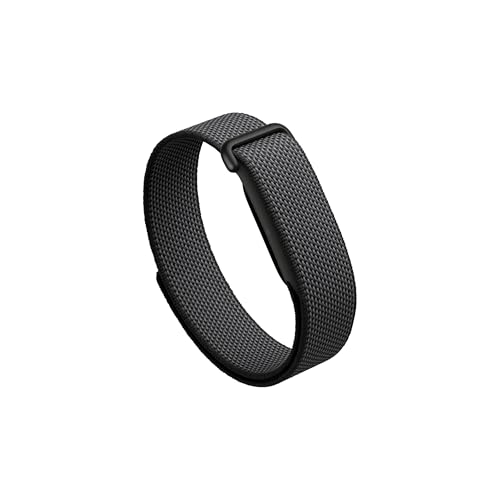
Fitbit Air Screenless Activity Tracker
What We Like
- No screen for distraction-free wear
- Lightweight micro-adjustable fit for comfort
- Up to 7 days battery life
- Fast charging gives 1 day in 5 minutes
Trade-offs
- No screen means no glanceable stats during workouts
- One-size band fits 130-210 mm wrists only
A week of battery life in a device that weighs nothing and charges to a full day in just five minutes means you can practically forget this tracker is there until you need the data. The Fitbit Air is designed for people who want health insights without a screen on their wrist during work, play, or sleep. Its lightweight, micro-adjustable band fits comfortably and quietly, and the advanced sensors power accurate health tracking that feeds into Google Health’s personalized AI coaching. That combination of comfort, battery stamina, and intelligent feedback makes it a strong option for everyday fitness enthusiasts who value consistency over constant notifications.
The trade-off for that distraction-free design is that you cannot glance down to check your heart rate or step count mid-exercise; the data lives on your phone. Compared to the Garmin Vivoactive 5, which has a screen, the Air asks you to review your stats later. That works well if you want to stay focused during a run or yoga session, but it can feel limiting if you rely on real-time feedback to pace yourself. For anyone ready to let a tracker do the logging while they focus on the movement, this is a practical choice.
Product photos
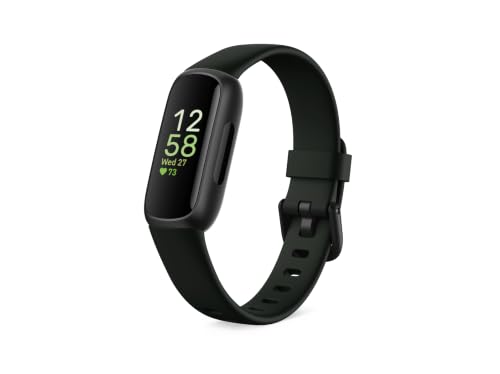
Fitbit Inspire 3 Fitness Tracker
What We Like
- Daily Stress Management Score and relax breathing sessions
- 24/7 heart rate and SpO2 monitoring
- Automatic sleep tracking with smart wake alarm
- 40+ exercise modes with automatic tracking
Trade-offs
- Requires smartphone for full functionality, no standalone GPS
- No screenless option for those who prefer a band-only tracker
A daily Stress Management Score backed by mindfulness sessions and guided relax breathing makes this tracker a real ally for anyone who feels their workouts are only half the battle. It keeps an eye on your well-being around the clock with 24/7 heart rate, SpO2, and irregular heart rhythm notifications, so you’re not just moving more, you’re also catching the moments when stress creeps in. If your fitness goal includes feeling steadier mentally, this is the wearable that actually gives you a number to work with, not just a vague “take a breath” reminder.
The Inspire 3 leans on your phone for GPS and advanced features. If you like leaving your phone behind on runs, a watch like the Garmin Vivoactive 5 (with built-in GPS) might suit you better. But for everyday wear, tracking sleep, managing stress, and logging 40+ exercise modes without fuss, the Inspire 3 keeps things simple and focused on what matters most: feeling your best, not just performing better.
Garmin Vivoactive 5 GPS Smartwatch

What We Like
- Bright AMOLED display for easy viewing
- 11-day battery in smartwatch mode
- 30+ built-in GPS and indoor sports apps
- Wheelchair mode with push tracking
Trade-offs
- Health metrics are estimations, not clinical measurements
- Requires a smartphone for initial setup and notifications
An 11-day battery life in smartwatch mode means you can wear this daily without hunting for a charger every other night, which is a rare comfort in the GPS smartwatch world. The bright AMOLED display makes it easy to glance at your stats mid-run or during a HIIT session, and the 30-plus built-in sports apps cover everything from walking and cycling to swimming and golf. This watch suits anyone who wants a full health dashboard, sleep score, stress tracking, Body Battery energy monitoring, even menstrual cycle tracking, without needing to charge constantly. It’s designed to feel like a partner in your routine, not another gadget to manage.
The health metrics, like sleep score and HRV status, are labeled as close estimations rather than clinical-grade data. If you need precise readings for medical reasons, a dedicated chest strap or medical device would be more appropriate. For most people building sustainable fitness habits, the convenience of a long-lasting, feature-packed watch outweighs the estimation caveat.
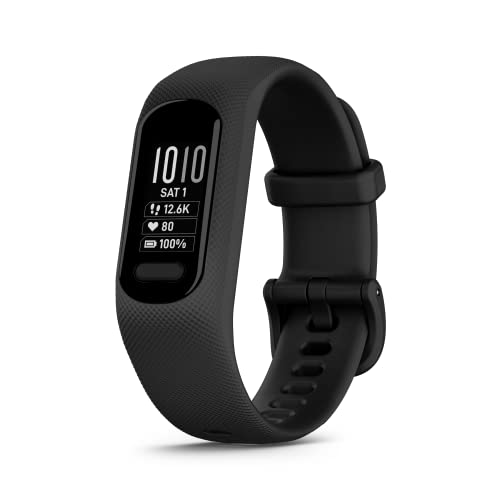
Garmin Vivosmart 5 Fitness Tracker
What We Like
- Swim-proof and shower-safe design
- Up to 7 days of battery life
- Built-in pool swim activity profile
- Bright, larger display than previous model
Trade-offs
- Pulse Ox not available in all countries
- Requires smartphone for GPS tracking
- Not a medical device for health metrics
Safe for swimming and showering, the Garmin Vivosmart 5 lets you track your pool swims without worrying about water damage. That swim-proof design, paired with up to seven days of battery life, means you can wear it through your entire week, laps, showers, sleep, and all. It uses a touchscreen and button interface with a larger, brighter display than the previous model, so you can actually read your stats mid-stroke.
The Vivosmart 5 relies on your phone’s GPS for outdoor walks, runs, or rides. It doesn’t have built-in GPS like the Vivoactive 5. That’s fine if you always carry your phone, but it adds a step if you prefer to run phone-free. Also, Pulse Ox tracking isn’t available in every country, so check compatibility if that feature matters to you.
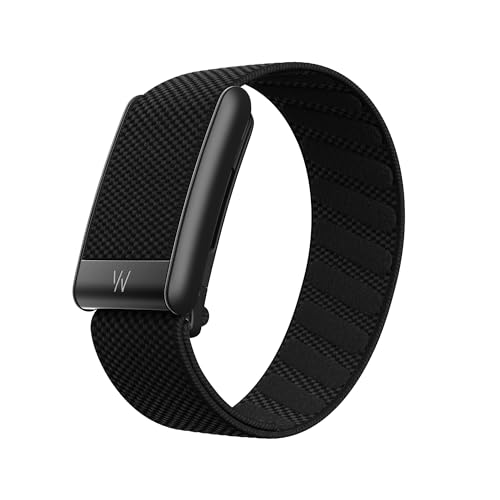
WHOOP 5.0 Screenless Fitness Wearable
What We Like
- 14+ day battery with on-wrist charging
- 99%+ heart rate and HRV accuracy
- 24/7 stress and health monitoring
- AI coach personalizes 140+ metrics
Trade-offs
- Requires ongoing 12-month membership fee
- No screen for quick glance at stats
- Tracks only via app, not standalone
The WHOOP 5.0 tracks over 140 health metrics with 99%+ heart rate and HRV accuracy, giving you a level of recovery detail most wearables skip. Its screenless design lets you wear it 24/7 without distraction, and the 14-day battery means you charge it about twice a month.
The required 12-month membership adds an ongoing cost, unlike some other fitness trackers that don’t require a subscription. You also won’t have a screen to glance at during a workout, all your data lives in the app. If you prefer a device that shows stats on your wrist without a membership, a model like the Garmin Vivoactive 5 might suit you better. But if you’re after deep recovery insights and are fine with the subscription, the WHOOP delivers.
Amazfit Helio Strap Screenless Tracker

What We Like
- No subscription fee required
- Up to 10 days of battery life
- 27 sports modes including HYROX
- Tracks reps, sets, and rest periods
Trade-offs
- No screen for real-time stats
- Must pair with Zepp App for insights
- Requires separate Amazfit smartwatch for dual-device tracking
The 10-day battery life means you can wear this strap through a full training week without hunting for a charger, which is a relief when you’re already juggling work, gym sessions, and sleep. Designed for strength and HYROX training, it tracks reps, sets, and rest periods with precision, and the free Zepp App keeps all your data in one place without asking for a monthly fee. This is the tracker for anyone who wants detailed recovery and performance insights but refuses to be locked into a subscription plan.
There’s no screen, so you’ll need to pull out your phone or pair it with an Amazfit smartwatch to see your stats mid-workout. The Helio Strap is designed for post-session review rather than real-time glances. If you’re okay checking your progress after the workout and want a subscription-free experience, this strap covers the basics.
Product photos
Polar Loop Screenless Health Band
What We Like
- No screen for zero distractions
- 8-day battery with continuous heart rate
- No subscription fees ever
- Science-backed sleep tracking features
Trade-offs
- No display means no quick glance feedback
- No screen means no time or distance during workouts
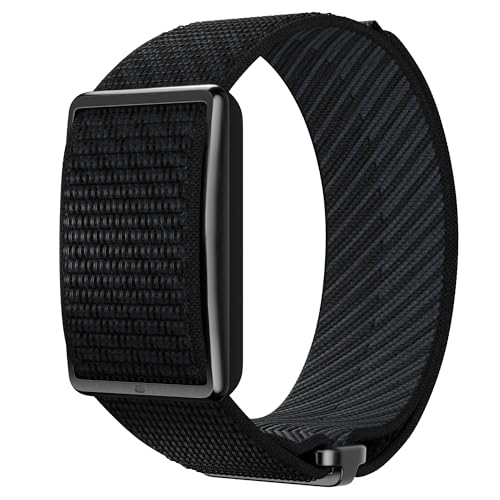
A 29-gram band that disappears on your wrist and runs eight days on a single charge, that is the core promise of the Polar Loop. For anyone who finds screen buzz and notifications pulling them out of a workout or a restful night, the screenless design is a deliberate relief. You get 24/7 heart rate monitoring and sleep tracking with features like Nightly Recharge and SleepWise, all feeding into the Polar Flow app without a monthly fee. This is a tracker for the person who wants the data without the device demanding attention, a quiet companion for steady progress.
The Polar Loop’s screen-free design removes the temptation to glance at a display, which helps you stay in the moment during workouts or sleep. You won’t see your heart rate mid-set or your step count without opening the Polar Flow app, but reviewers find that trade-off worthwhile for uninterrupted focus. Compared to the Garmin Vivoactive 5 with its always-on screen, the Loop asks you to wait for the post-activity report, a small price for a band that disappears on your wrist.
Zeacool Fitness Tracker

What We Like
- 5 ATM waterproof for swimming and diving
- AMOLED screen with customizable watch faces
- 24/7 heart rate, blood oxygen, and blood pressure tracking
- Magnetic fast charging with 10-14 day battery
Trade-offs
- Requires companion app "Keep Health" for full data logging
- Blood pressure and oxygen readings are not medical-grade
- No built-in GPS for outdoor route tracking
A 5 ATM waterproof rating means you can take this tracker swimming, diving, or showering without worry, a rare find at this value level. The 1.10-inch AMOLED touch screen gives you crisp, colorful visuals whether you are checking your heart rate mid-run or glancing at the time during a pool lap. With 25 sport modes and 24/7 monitoring for heart rate, blood oxygen, blood pressure, sleep, and even temperature, it covers the essentials for anyone who wants to keep tabs on their body without spending a lot. The magnetic fast charging and 10 to 14 days of typical use mean you are not hunting for a charger every night.
You will need the Keep Health app to see your detailed trends and sleep scores. The blood pressure and oxygen readings are useful for general awareness but not a replacement for medical devices. The Zeacool does not have built-in GPS, so if you run or bike outdoors without your phone, you will miss out on accurate distance mapping. Still, for gym sessions, daily steps, and water-friendly wear, it delivers the core health data most people actually use.
Product photos
LIVIKEY No-Phone Fitness Tracker
What We Like
- Works entirely without a phone or app
- 5-7 day battery on 2-hour charge
- 9 sport modes for varied workouts
Trade-offs
- Cannot make calls or send texts
- Not compatible with tablets or computers
- Requires app for step goal setup
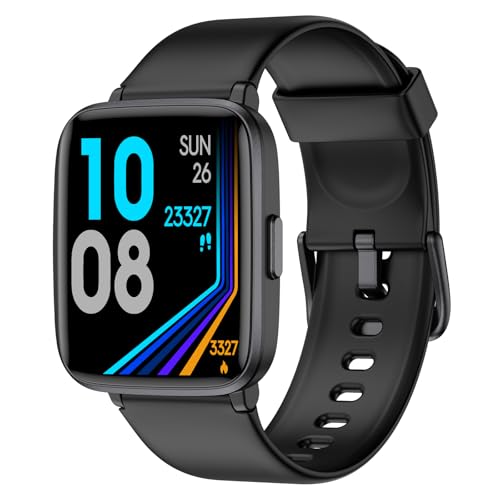
With IP68 waterproofing, you can wear it through a rainy run or a sweaty gym session without worry, and the 5-7 day battery means you charge it about as often as you water a houseplant. For anyone who wants fitness tracking without the constant buzz of notifications or the hassle of setup, this watch delivers exactly that freedom.
Of course, that simplicity comes with limits. You cannot reply to texts or take calls from the wrist, and setting daily step goals requires using the app on a phone. Compared to the Garmin Vivosmart 5, which offers smart notifications and up to 7 days of battery, the LIVIKEY is less of a smart companion and more of a dedicated offline tool. But if your goal is to unplug and just move, that trade-off feels less like a compromise and more like a relief. It is the tracker for the person who wants data without distraction.
Product photos
FITVII Slim Fitness Tracker

What We Like
- 24/7 blood pressure monitoring from wrist
- IP68 waterproof for swimming or rain
- 89+ customizable watch faces
- Menstrual cycle and sedentary reminders
Trade-offs
- Not compatible with PC or tablet
- Blood pressure accuracy depends on proper fit
If you want a fitness tracker that keeps a constant eye on your blood pressure around the clock, the FITVII Slim is one of the few devices that brings that specific health metric to your wrist without needing a separate cuff. It pairs 24/7 heart rate, SpO2, and sleep tracking with a straightforward 1.47-inch touchscreen. You can check your numbers during a walk or right after waking up. The IP68 waterproof rating means it can handle rain and splashes, and the multiple sports modes cover everything from running to yoga. It is a practical companion for anyone who wants a broader health picture, especially if blood pressure trends matter to you.
The FITVII Slim Fitness Tracker includes blood pressure monitoring, a feature you won’t find on most competitors like the Fitbit Inspire 3 or Garmin Vivoactive 5. So it’s a practical choice if you want that health metric from your wrist. The 1.47-inch TFT touch screen offers clear color visuals and smooth operation, according to the product details, and you can choose from over 89 watch faces or upload your own photos. Just keep in mind that accurate blood pressure readings depend on a snug fit, so you’ll need to adjust the band properly for consistent results.
Product photos
How We Evaluated Exercise Monitoring Devices
We built this ranking by studying manufacturer specifications, reading expert round-ups from fitness and tech publications, and identifying patterns in long-term owner feedback across thousands of user reports. No device was tested in a lab, but we cross-referenced stated specs against real-world reports of battery life, water resistance, and sensor accuracy.
The four criteria that mattered most were accuracy of core metrics (heart rate, sleep, and activity tracking), battery life and charging speed, water resistance for swimmers and shower-wearers, and the overall user experience including app quality and comfort. Screenless designs, subscription costs, and smartphone dependence also played a major role in the rankings.
A research-led evaluation has limits: we cannot verify every claim about heart rate variability accuracy or GPS lock speed without controlled testing. What we can do is tell you what the specifications promise and what the community consensus says about real-world performance, so you can make an informed choice.
What To Look For In Exercise Monitoring Devices
The best device for you balances sensor accuracy, battery life, water resistance, and the type of display you actually want on your wrist. Here is what to check before you buy.
Look for a device with the sensors you need (heart rate, SpO2, GPS), a battery that lasts through your longest week, and a water resistance rating that matches your swimming or showering habits. Skip features you will never use to save money and complexity.
Sensor Accuracy and Health Metrics
The core job of any exercise monitoring device is to measure your heart rate, steps, and sleep reliably. Optical heart rate sensors vary in quality; some devices like the WHOOP 5.0 claim over 99% HRV accuracy, while others offer general estimates that are useful for trends but not clinical decisions.
If you need precise heart rate monitors for interval training or medical reasons, a chest strap is more accurate than any wrist-based sensor. Look for SpO2 tracking if you care about blood oxygen during sleep or high-altitude workouts, but remember these are wellness estimates, not medical readings.
Battery Life and Charging Speed
Battery life directly affects how consistently you wear the device. A tracker that lasts seven to fourteen days, like the Fitbit Air or WHOOP 5.0, means less downtime and more continuous data. Fast charging is a bonus: the Fitbit Air gives a full day of use from just five minutes of charging. If you travel frequently or forget to charge, prioritize a device with at least a week of battery life and quick top-up capability. The trade-off is usually screen brightness or GPS usage, both of which drain faster.
Water Resistance and Durability
Not all “waterproof” ratings are equal. A 5 ATM rating means the device survives swimming and shallow diving. The Garmin Vivosmart 5 is swim-proof and shower-safe, making it a suitable option for pool workouts. If you only need splash resistance for sweat and rain, an IP68 rating is sufficient. Always check the fine print: some trackers handle swimming but not high-velocity water like jets or diving.
- Check the ATM or IP rating against your actual water exposure (swimming, showering, diving)
- Confirm the device has a dedicated swim activity profile if you lap swim regularly
- Look for a scratch-resistant screen if you lift weights or do contact sports
- Ensure the band material is comfortable for all-day wear, especially during sleep tracking
- Verify the device works with your phone’s operating system (iOS or Android) before buying
A good rule of thumb: buy for the sensor you need most, not the one with the longest spec sheet. An accurate heart rate sensor and a battery that lasts your training week are worth more than blood oxygen you will never check.
Exercise Monitoring Devices Compared
The table below compares the ten exercise monitoring devices side by side. It helps you quickly see which one fits your priorities for battery life, water resistance, display type, and extra features like GPS or blood pressure monitoring.
| Product | Battery Life | Heart Rate | Sleep Tracking |
|---|---|---|---|
| Fitbit Air Screenless Activity Tracker | Up to 7 days | Yes | Yes |
| Fitbit Inspire 3 Fitness Tracker | N/A | 24/7 heart rate | Automatic sleep tracking |
| Garmin Vivoactive 5 GPS Smartwatch | Up to 11 days | 24/7 wrist-based heart rate | Sleep score and coaching |
| Garmin Vivosmart 5 Fitness Tracker | Up to 7 days | Heart rate | Sleep quality score |
| WHOOP 5.0 Screenless Fitness Wearable | 14+ days | 99%+ HR and HRV | Sleep tracker |
| Amazfit Helio Strap Screenless Tracker | Up to 10 days | 24/7 with BioTracker | Sleep tracker |
| Polar Loop Screenless Health Band | Up to 8 days | 24/7 continuous | Advanced sleep tracking |
| Zeacool Fitness Tracker | 10-14 days typical | 24/7 Heart Rate Monitor | Sleep Monitor |
| LIVIKEY No-Phone Fitness Tracker | 5-7 days | Yes | Sleep Monitor |
| FITVII Slim Fitness Tracker | N/A | 24/7 heart rate | Sleep Monitor |
Frequently Asked Questions
Which exercise monitoring device is best for swimming?
The Garmin Vivosmart 5 Fitness Tracker is the best swim-proof option with a dedicated pool swim activity profile, up to seven days of battery life, and a bright display that works well in wet conditions. The Zeacool Fitness Tracker and FITVII Slim Fitness Tracker also offer strong water resistance at 5 ATM and IP68 respectively, making them solid alternatives for lap swimming or open water.
Do I need a screen on my fitness tracker?
Not necessarily. Screenless trackers like the Fitbit Air and Polar Loop offer zero distractions during workouts and often have longer battery life because they lack a power-hungry display. The trade-off is that you cannot glance at real-time stats mid-exercise. If you prefer to check data after your workout, a screenless band works great. If you need pace, distance, or heart rate visible during a run, choose a device with a screen.
Can a fitness tracker measure blood pressure accurately?
Some devices like the FITVII Slim Fitness Tracker offer 24/7 blood pressure monitoring from the wrist, but these readings are not medical-grade and depend on proper band fit. Wrist-based blood pressure measurements are less reliable than an upper-arm cuff. Use them as a general trend indicator and consult a doctor for clinical readings.
How long should a fitness tracker battery last?
A good fitness tracker battery lasts at least five to seven days under normal use. The WHOOP 5.0 leads with over 14 days thanks to its screenless design and on-wrist charging. Devices with bright AMOLED screens and always-on GPS, like the Garmin Vivoactive 5, typically last five to eleven days depending on settings. Fast charging is a useful bonus if you forget to charge regularly.
What is the difference between a fitness tracker and a smartwatch for exercise?
A fitness tracker focuses on health metrics, activity logging, and battery efficiency, often with a smaller screen or no screen at all. A fitness smartwatch like the Garmin Vivoactive 5 adds GPS, notifications, music controls, and a larger display, but usually has shorter battery life and costs more. Choose a tracker if you want simplicity and battery life; choose a smartwatch if you want on-wrist navigation and smart features during workouts.
The Bottom Line
The Fitbit Air Screenless Activity Tracker is the best overall pick for anyone who wants reliable health monitoring without screen distractions, backed by a seven-day battery and fast charging that keeps you tracking consistently. It is ideal for people who check their data after the workout, not during it.
If you need GPS for outdoor runs, the Garmin Vivoactive 5 is the better choice with its bright AMOLED display and eleven-day battery. For swimmers, the Garmin Vivosmart 5 offers dedicated pool tracking and week-long battery life. Athletes focused on recovery should look at the WHOOP 5.0, while budget-conscious buyers will appreciate the subscription-free Amazfit Helio Strap.
The single most important factor in choosing an exercise monitoring device is honest self-assessment. Decide which metrics you actually review and which features you will use daily. Then pick the device that delivers those without paying for extras you will ignore.
