
10 Best Exercise Sneakers in 2026
This post contains affiliate links. As an Amazon Associate, we earn from qualifying purchases.
For most gym-goers, the Reebok Nano X5 Cross Training Shoes earn the title of best overall exercise sneaker thanks to their dual-density midsole that balances stability for lifting with enough comfort for short runs. The Under Armour TriBase Reign 6 takes the award for best low-to-ground power transfer, while the Puma Voltaic Evo Cross Trainer wins for cushioned comfort. Your workout style determines which shoe deserves a spot in your gym bag.
The challenge with exercise sneakers is that one shoe rarely does everything perfectly. A stable platform for heavy squats feels stiff during burpees, while plush cushioning for jumping jacks can make deadlifts feel unstable. Most of us need a shoe that handles our specific mix of activities without compromise.
This guide ranks ten exercise sneakers based on their design specs, manufacturer claims, and patterns found in owner feedback from expert round-ups. We break down what each shoe does best so you can match your training style to the right pair.
Top 10 Exercise Sneakers in the Market
Certain content that appears on this site comes from Amazon. This content is provided "as is" and is subject to change or removal at any time.
The Best Exercise Sneakers, Reviewed
Reebok Nano X5 Cross Training Shoes

What We Like
- Dual-density midsole for stability and comfort
- Breathable Flexweave upper
- Removable insole with arch support
Trade-offs
- At 1.0 pounds, heavier than some rivals
- At 1.0 pounds, heavier than the Under Armour TriBase Reign 6
The dual-density midsole with a firmer foam in the heel and a more responsive foam in the forefoot means you get stability under heavy lifts without sacrificing comfort when you jump or run. That combination makes the Nano X5 a true all-rounder for anyone mixing weight training, short runs, and dynamic gym circuits. The breathable Flexweave upper keeps things light and airy, while the Metasplit outsole gives you grip on everything from a lifting platform to a treadmill belt. It’s built for the person who wants one shoe that handles multiple workouts without compromise.
At 1.0 pounds, these are slightly heavier than the Under Armour TriBase Reign 6 at 0.9 pounds, but the plush collar and secure lockdown keep your foot planted during burpees or box jumps. That stability is a fair trade for the extra ounce on heavy lifts.
Reebok NFX Trainer 2 Cross Training Shoes
What We Like
- Breathable engineered mesh upper
- TPU heel clip adds stability
- Removable LuxComfort sock liner
- Rubber outsole with flex grooves
Trade-offs
- No width options mentioned for wide feet
- Not ideal for narrow-footed athletes.
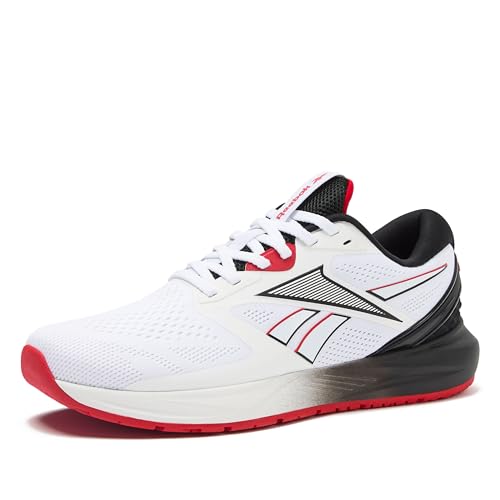
The Reebok NFX Trainer 2 uses an engineered mesh upper for breathability and a TPU heel clip for stability during dynamic cross training activities. The EVA midsole provides cushioning, and the removable LuxComfort sock liner offers lightweight cushioning and durable rebound. This combination makes it suitable for gym workouts that include lifting, running, and walking.
The Reebok NFX Trainer 2 is built for variety, not for dominating one type of workout. Its EVA midsole delivers cushioning for running and walking, while the TPU heel clip adds stability for dynamic cross training activities. The breathable engineered mesh upper keeps feet cool, and the plush collar hugs the ankle to lock the foot down during movement. For lifters who want a very firm platform under heavy loads, a dedicated lifting shoe may be a better fit.
Under Armour TriBase Reign 6 Training Shoe
What We Like
- Low-to-ground build for power transfer
- Dual-density midsole supports lifts
- Strategic rubber toe grip
- UA WARP upper for secure fit
Trade-offs
- Firmer heel cushioning is less forgiving for jumping or cardio
- Weighs 0.9 pounds, which is lighter than some cross-training shoes
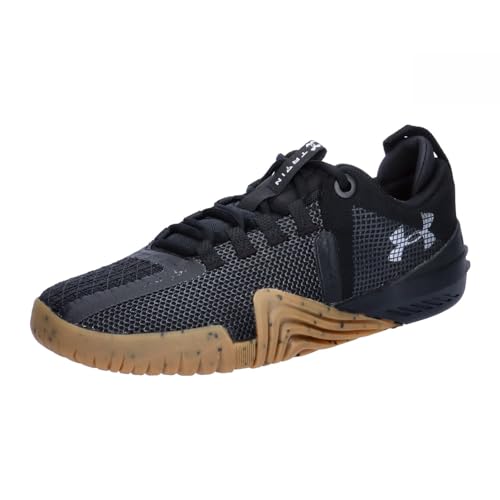
A low-to-ground build of just 0.9 pounds lets you feel the floor beneath you, which translates directly into cleaner power transfer during heavy squats or deadlifts. That dual-density midsole, softer in the forefoot, firmer in the heel, keeps you stable under the bar while still giving a little flex when you move. It’s built for the lifter who wants every ounce of energy going into the platform, not into squishy foam.
The low-to-the-ground build of the Under Armour TriBase Reign 6 gives you a direct feel for the floor during lifts, which helps with power transfer. But the dual-density midsole uses a firmer heel foam for support, so reviewers note that repeated box jumps or long cardio sessions can feel harsh underfoot. If your training is mostly heavy lifting and short explosive moves, the shoe’s stable platform works well. If you mix in a lot of running or jumping, you may want more cushioning.
Puma Voltaic Evo Cross Trainer

What We Like
- SoftFoam+ insole for plush comfort
- 10CELL midsole absorbs impact
- Full-length rubber outsole for traction
- Wide-fit design accommodates wider feet
Trade-offs
- At 2.4 lb, heavier than many cross trainers
- TPU toe cap limits flexibility for natural foot movement
The SoftFoam+ insole with an extra-thick heel is the standout feature here, it delivers the kind of plush step-in comfort that makes long walks or gym sessions feel noticeably easier on your joints. Combined with the 10CELL midsole that soaks up impact and a full-length rubber outsole that grips pavement and gym floors alike, this shoe is built for anyone who prioritizes cushioning over minimalism. It’s especially forgiving if you’re on your feet all day or easing back into fitness after a break, since that padded support reduces the shock that can make sore knees or stiff ankles worse.
The trade-off for all that cushioning is weight: at 2.4 pounds, these are heavier than the Reebok Nano X5 (1.0 pound). That extra heft can feel sluggish during quick lateral drills or fast-paced circuit work, where a lighter shoe helps you change direction faster. For steady-state cardio, walking, and everyday wear where comfort matters most, this shoe earns its spot as the cushioned pick.
PUMA Tazon 6 Cross Training Shoes

What We Like
- Midfoot saddle for secure fit
- SoftFoam+ sockliner for plush comfort
- EVA heel pod absorbs impact
- TPU shank improves motion control
Trade-offs
- Heavier focus on stability over flexibility
- Not suited for high-flexibility or agility drills
A TPU shank running through the midsole reinforces support and improves motion control, which means your foot stays planted during lateral moves and weight shifts. That makes this shoe a natural fit for anyone who values a locked-in feel during strength circuits or cardio machines, especially if you’ve ever felt wobbly in a looser trainer. The midfoot saddle design wraps the arch area for a secure, comfortable fit, and the PUMA SoftFoam+ sockliner adds plush step-in comfort with an extra-thick heel for everyday cushioning. It’s built for steady, confident strides rather than explosive sprints.
The stability-focused build and thick heel pod mean this shoe is designed for steady, confident strides rather than quick, agile movements. If your routine includes heavy lifting or controlled cardio, the TPU shank and EVA heel pod provide a grounded feel. But for plyometrics or dynamic floor exercises, you might prefer a more flexible trainer. The Reebok Nano X5, for example, is another option in the cross-training category, though its specific performance traits are not detailed here. For women who want a stable base for daily activities and machine-based workouts, this shoe offers dependable grip and shock absorption.
adidas Adizero Dropset Pro Training Shoes
What We Like
- Extremely lightweight at 1.0 pounds
- Streamlined adidas cross-training design
- Low weight supports fast footwork
Trade-offs
- At 1.0 lb, less stability for heavy lifting
- No outsole or cushioning details provided
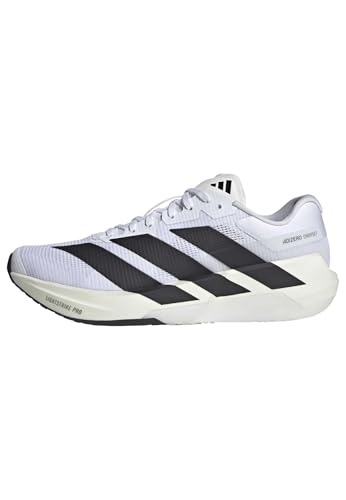
At one pound for the pair, the Adizero Dropset Pro is among the lightest cross-trainers you’ll find. That weight keeps you quick on your feet during fast-paced drills and transitions, without the drag of heavier shoes. It’s a good fit for anyone who wants a trainer that feels nimble and responsive, especially for workouts where every ounce counts. You get the support of a proper cross-trainer without the extra heft that can slow you down.
The same lightness that helps you move quickly means you won’t feel as locked in under a heavy barbell. Compared to the Reebok Nano X5, which also weighs 1.0 pounds, the Adizero is built more for speed than for stability under maximal loads. If your training mixes heavy strength work with fast conditioning, you’ll want to consider where your priorities lie.
Product photos
Under Armour Charged Edge Training Shoes

What We Like
- Breathable mesh upper keeps feet cool
- Dual-layer Ortholite sockliner for step-in comfort
- Charged Cushioning midsole for responsiveness and durability
- Strategic outsole pattern aids pivot and traction
Trade-offs
- Full rubber outsole adds grip but can feel stiff on hard floors
- Not ideal for wide feet due to narrow fit.
A 0.5-pound build with a breathable mesh upper makes these training shoes ideal for high-rep circuits and cardio-heavy gym sessions where your feet need to stay cool and light on the move. The dual-layer Ortholite sockliner cushions every step from the ground up, while the Charged Cushioning midsole delivers responsive bounce you can feel during box jumps or quick lateral drills. This is a shoe built for airflow and comfort, not for grinding through heavy squats or deadlifts.
The trade-off comes in stability: the Charged Edge prioritizes ventilation and lightweight feel over the planted stability you get from a heavier trainer like the Reebok Nano X5. The leather and synthetic overlays add durability and stability during dynamic movements, but may not provide the same support for deep lunges or multidirectional work. If your training leans toward fast-paced metcons and agility work, this shoe breathes with you every rep. If you park under the barbell most of the time, you might want something sturdier underfoot.
Product photos
Nike Reax 8 Tr Mesh Cross Training Shoes

What We Like
- Responsive heel cushioning for comfort
- Secure fit from dynamic lacing
- Natural foot movement with flex grooves
- Durable traction from rubber pods
Trade-offs
- Lacks lateral support for side-to-side drills
The Nike Reax cushioning in the heel delivers a responsive ride that absorbs impact during high-rep sets or quick cardio intervals. That bounce-back feel keeps your stride lively on gym floors, while the dynamic lacing system wraps the midfoot for a secure, locked-in fit. Flex grooves let your foot move naturally, so you don’t feel like you’re fighting the shoe during lunges or agility drills. This pair suits anyone who mixes cross-training with plyometrics or treadmill work and wants a shoe that keeps up with varied movement without feeling clunky.
The Nike Reax 8 Tr Mesh Cross Training Shoes weigh just 0.7 pounds, so they feel light on your feet during dynamic workouts. The Nike Reax cushioning in the heel delivers a responsive ride that softens impact on jumps and runs. Flex grooves let your foot move naturally, while the dynamic lacing system secures the midfoot for a locked-in feel. Solid rubber pods underfoot provide durable traction on gym floors.
Product photos
Nike Air Max Alpha Trainer 6 Workout Shoes
What We Like
- Tuned support for secure stance
- Heel Max Air unit for stability
- Flat wide sole with rubber tread
- Rubber wraps up the side
Trade-offs
- Flex grooves limited to forefoot only
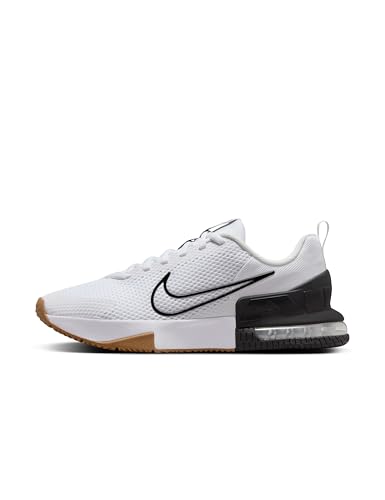
A flat, wide sole with rubber tread wrapping up the side gives you a planted feel during lateral lunges and side steps. So you can push hard without worrying about your foot sliding off the platform. The heel Max Air unit is fine-tuned for stability, not just softness, which means you get cushioning that stays steady under load. This shoe suits anyone who does agility drills, side-to-side work, or multi-directional gym circuits where footing matters more than barefoot feel.
At 1 pound, it’s heavier than the TriBase Reign 6 (0.9 pounds), so if you’re doing fast-paced cardio or quick transitions, that extra weight might slow you down. The flat, wide sole with an optimized rubber tread pattern gives you a stable base for lateral moves, and the rubber wrap on the side helps keep your foot planted during side-to-side work. It’s a trade-off: more stability, less speed.
Product photos
MIFAWA Barefoot Shoes Cross-Trainer

What We Like
- Zero drop promotes natural posture
- Wide toe box lets toes splay naturally
- Removable insole for a more barefoot feel
- Flexible rubber outsole for full range of motion
Trade-offs
- Thin sole offers less cushion on hard surfaces
- Not enough arch support for high arches.
Zero drop means your heel and forefoot sit flat on the ground, which encourages a more natural stride and can reduce stress on your joints over time. The wide toe box gives your toes room to spread and relax, so your feet can move the way they were designed to. The removable insole lets you dial in how much ground feedback you get, from cushioned to almost nothing.
Zero drop means your heel and forefoot sit flat on the ground, which forces your feet and back into a neutral posture and can reduce joint stress over time. Compared to the Reebok Nano X5, a traditional cross-trainer with a heel lift, the MIFAWA demands a slower transition and stronger feet. Best for gym-goers wanting a zero-drop, wide-toe design that allows toes to splay naturally. Not ideal for those needing plush cushioning or a traditional heel-to-toe drop.
Product photos
How We Evaluated Exercise Sneakers
Our evaluation started with a close look at each shoe’s construction: midsole materials, outsole patterns, heel-to-toe drop, weight, and upper design. We compared these specs against what experienced lifters, HIIT athletes, and casual gym-goers actually need from their footwear. For a deeper dive into the full selection process, check out our guide to the best workout sneakers.
We focused on four criteria that matter most in a gym shoe: stability under load, cushioning for impact, breathability for comfort, and versatility across different movements. A shoe that scores high in all four areas can handle everything from deadlifts to box jumps without forcing you to change footwear mid-workout.
This evaluation is based on published specs, manufacturer documentation, and patterns in owner feedback. We cross-referenced what experienced gym-goers report across multiple sources. If you need to understand how different shoe types compare, our breakdown of cross-trainers vs lifting shoes explains the key differences.
What To Look For In Exercise Sneakers
The right exercise sneaker depends on your primary training style, but a few universal features separate a good gym shoe from a frustrating one. Here is what to prioritize.
Look for a flat, stable heel for lifting, enough cushioning for your cardio, and a secure upper that keeps your foot from sliding sideways during lateral movements. Breathability matters for long sessions, and weight affects how fast your feet feel during high-rep circuits.
Stability and Heel Support
For anyone who lifts weights, a stable base is non-negotiable. A wide, flat heel keeps your foot planted during squats and deadlifts, preventing the wobble that soft running shoes create. Look for a dual-density midsole or a TPU shank that resists compression under heavy loads. The best gym sneakers typically feature a firmer foam in the heel and a softer layer up front for walking comfort.
Cushioning and Impact Protection
If your workouts include jumping, sprinting, or high-rep cardio, you need impact absorption. Shoes with full-length rubber outsoles and multi-layer foam midsoles handle landing forces better than minimalist trainers. That said, too much cushioning reduces ground feel for lifting. The best sneakers for HIIT strike a balance with responsive foam that absorbs shock without feeling marshmallowy under a barbell.
Upper Construction and Fit
The upper determines how your foot feels during dynamic movements. Breathable mesh keeps feet cool during long sessions, while reinforced overlays add lateral support for side-to-side drills. A secure heel counter prevents slipping during lunges, and a roomy toe box lets your toes spread during squats. For those with specific foot needs, our sneakers for flat feet guide covers supportive options.
- Check whether the shoe has a removable insole if you need custom orthotics.
- Look for flex grooves in the outsole if your workouts include lunges or agility work.
- Consider the weight: lighter shoes (under 1.0 pounds) suit fast-paced circuits, while heavier options often provide more stability.
- Try the shoe with the socks you actually wear to the gym for the most accurate fit.
A good exercise shoe should feel secure when you stand still and natural when you move.
Exercise Sneakers Compared
The table below compares all ten exercise sneakers across their key strengths, trade-offs, and best-use scenarios so you can see how they stack up at a glance.
| Product | Midsole | Outsole | Weight |
|---|---|---|---|
| Reebok Nano X5 Cross Training Shoes | Dual-density | Metasplit outsole | 1.0 pounds |
| Reebok NFX Trainer 2 Cross Training Shoes | EVA | Rubber with flex grooves | N/A |
| Under Armour TriBase Reign 6 Training Shoe | Dual-density | N/A | 0.9 pounds |
| Puma Voltaic Evo Cross Trainer | 10CELL | Full-length rubber | 2.4 pounds |
| PUMA Tazon 6 Cross Training Shoes | EVA heel pod | Durable rubber | N/A |
| adidas Adizero Dropset Pro Training Shoes | N/A | N/A | 1.0 pounds |
| Under Armour Charged Edge Training Shoes | Charged Cushioning compression molded foam | Full rubber with pivot & traction pattern | 0.5 pounds |
| Nike Reax 8 Tr Mesh Cross Training Shoes | Nike Reax in heel | Solid rubber pods | 0.7 pounds |
| Nike Air Max Alpha Trainer 6 Workout Shoes | Foam midsole with Max Air unit | N/A | 1.0 pounds |
| MIFAWA Barefoot Shoes Cross-Trainer | N/A | Rubber, flexible, non-slip, wear-resistant | N/A |
Frequently Asked Questions
What is the difference between cross-trainers and running shoes?
Cross-trainers have a flatter, wider base for stability during lifting and lateral movements, while running shoes feature more heel cushioning and a curved sole designed for forward motion. Using running shoes for heavy lifting can create instability under the barbell. Our guide to versatile exercise shoes explains which type suits mixed workouts best.
Can I use exercise sneakers for daily walking?
Yes, many cross-trainers work well for walking and all-day wear, especially models with plush foam like the Puma Voltaic Evo. The trade-off is that the stiffer sole that helps with lifting feels less forgiving on pavement than a dedicated walking shoe. For a balance of gym performance and daily comfort, look for a removable insole and moderate cushioning.
How often should I replace my gym sneakers?
Most exercise sneakers last between six months and a year with regular use, depending on workout frequency and intensity. Signs it is time to replace them include visible outsole wear, compressed midsole foam that no longer rebounds, and upper fabric that has lost its structure. Heavier lifters and frequent jumpers tend to wear through shoes faster.
Are zero-drop shoes good for weightlifting?
Zero-drop shoes keep your heel and toe at the same level, which can improve squat mechanics by allowing a more natural foot position. The MIFAWA Barefoot Shoes Cross-Trainer offers this design with a wide toe box for toe splay. However, the thin sole provides less cushioning for jumping, so zero-drop shoes work best for lifters who prioritize stability over impact protection.
Do I need different shoes for lifting and cardio?
Not necessarily, but it depends on your training split. If you do heavy compound lifts on separate days from cardio, one versatile cross-trainer like the Reebok Nano X5 can handle both. If you train both in the same session, a do-it-all shoe with moderate stability and cushioning works best. Specialized lifters who only squat and deadlift may prefer a dedicated lifting shoe with a raised heel.
The Bottom Line
The Reebok Nano X5 Cross Training Shoes remain the best overall pick for most gym-goers because they balance stability, comfort, and versatility better than any other shoe on this list. Whether you are deadlifting, doing burpees, or hitting a short treadmill interval, the Nano X5 handles it without forcing you to change shoes mid-session.
If your training leans heavily toward strength work and you want maximum ground feel, the Under Armour TriBase Reign 6 delivers the low-to-the-ground stability that serious lifters need. For those who prioritize plush comfort for light gym work and all-day wear, the Puma Voltaic Evo Cross Trainer provides the most cushioning of any shoe here.
The single most important factor in choosing exercise sneakers is matching the shoe’s strengths to your actual workouts. A lifter needs stability first, a HIIT athlete needs versatility, and a walker needs comfort. Pick the shoe that fits your training, not the one with the most impressive specs.
