
8 Best Fitness And Health Trackers in 2026
This post contains affiliate links. As an Amazon Associate, we earn from qualifying purchases.
The Google Fitbit Air Screenless Tracker earns our Best Overall spot for its comfortable, distraction-free design and week-long battery life. A fast charge gives you a full day in five minutes. For those who want no subscription and even longer battery, the Garmin CIRQA Smart Band takes the Best Screenless Tracker award, while the Withings Scanwatch Light Hybrid wins for Best Long Battery Life at 30 days.
The real challenge with fitness trackers isn’t finding one that measures steps or heart rate, it’s finding the one that actually fits your daily habits. A screenless band is great for sleep, but useless if you need to check pace mid-run. A color display is beautiful, but not if you have to charge it every night.
We built this guide by analyzing specifications, manufacturer data, expert round-ups, and patterns in owner feedback across eight top models. Whether you lift, run, swim, or just want better sleep, you will find a pick that matches your actual routine.
Top 8 Fitness And Health Trackers in the Market
Certain content that appears on this site comes from Amazon. This content is provided "as is" and is subject to change or removal at any time.
The Best Fitness And Health Trackers, Reviewed
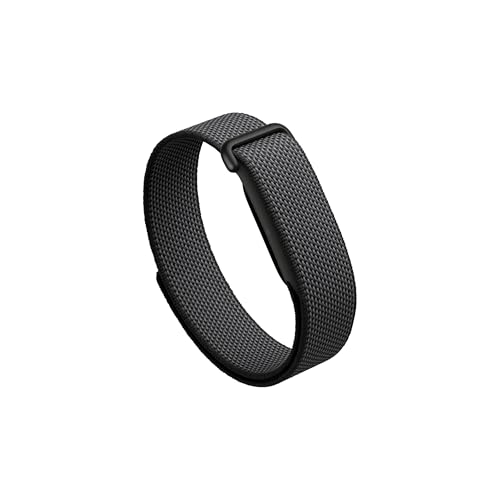
Google Fitbit Air Screenless Tracker
What We Like
- Screenless design works from bracelet to workout band
- Up to 7 days battery life
- Fast charging gives one day in five minutes
Trade-offs
- No screen means no glanceable stats during workouts
- No screen to see stats on the wrist
The Google Fitbit Air is a screenless tracker that slips into your life without demanding attention, lightweight, micro-adjustable, and comfortable enough to wear through work, sleep, and a sweaty gym session. For anyone who wants consistent health data without a screen buzzing at their wrist, this is the tracker that makes sticking with it feel effortless.
The trade-off for that distraction-free design is that you cannot glance down mid-rep to see your heart rate or step count, you have to check the app later. If you prefer a no-subscription approach or need real-time numbers during a set, another option might fit better.
Product photos
Garmin CIRQA Smart Band
What We Like
- No subscription required
- 10-day battery life
- Screenless design minimizes distraction
- Automatically detects and adapts to activities
Trade-offs
- Must pair with phone for GPS tracking
- Basic on-device data only (heart rate, time)
- No screen means all detailed stats require app
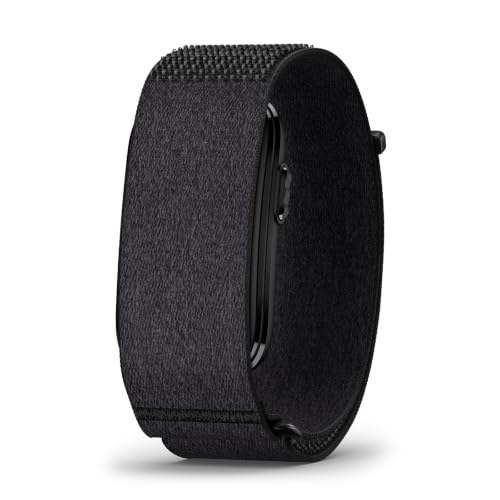
With up to 10 days of battery life, the Garmin CIRQA Smart Band can be worn continuously without frequent recharging. Its screenless soft fabric band is designed for comfort during all-day and all-night wear, and all health data, heart rate, Body Battery energy, stress levels, sleep score, is accessed through the Garmin Connect app. No subscription is required, and the lack of a screen means fewer distractions throughout the day.
You rely on your phone for detailed metrics, which is the trade-off for a screenless design. The on-device button starts or stops a favorite activity, but route mapping needs your smartphone’s GPS, and advanced coaching, sleep recommendations, training readiness, and workout benefit analysis all live in the Garmin Connect app. Compared to the Google Fitbit Air Screenless Tracker, the CIRQA offers up to 10 days of battery life versus up to 7 days, yet both depend on a phone connection for full functionality. If you’re fine checking stats on your phone a few times daily, this band delivers a calm, capable tracking experience.
Garmin Vivosmart 5 Tracker
What We Like
- Sleep quality score with improvement tips
- Up to 7 days battery life
- Swim and shower safe
Trade-offs
- No built-in GPS (relies on phone GPS)
- Pulse Ox not available in all countries
- Not a medical device for health metrics
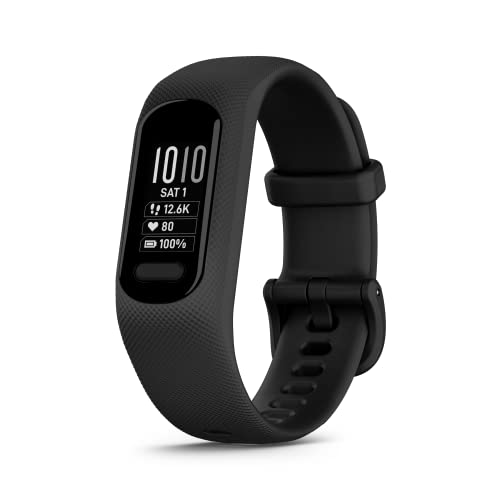
Getting a clear sleep score each morning is the standout feature here. The Vivosmart 5 gives you a number and then points you toward better habits through the Garmin Connect app. That alone makes it a strong pick if you suspect your rest could use some work, but it also tracks heart rate, stress, Body Battery, and even respiration, so you get a fuller picture of how your day-to-day choices affect your recovery.
The trade-off is that there is no built-in GPS. You will need to bring your phone along for outdoor walks or runs if you want accurate distance and pace tracking. Compared to the screenless Fitbit Air, the Vivosmart 5 gives you a display and sleep insights you can act on, but it also asks for a bit more attention to charging every week (seven days is solid, but not the longest in this guide). If sleep quality is your main priority and you are okay keeping your phone nearby for GPS, this tracker delivers the data and guidance to help you actually improve your rest without overwhelming you with complexity.
WHOOP 5.0 Screenless Wearable
What We Like
- 14+ day battery with wrist charging
- Women's health and cycle phase tracking
- AI Coach turns 140+ health and fitness metrics into insights
Trade-offs
- Requires ongoing 12-month membership
- No screen for quick glance at stats
- Charging needs included PowerPack on wrist
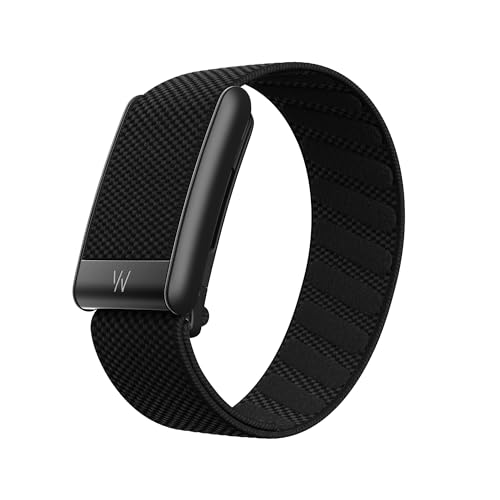
This screenless wearable lives and dies by its 12-month Peak membership. There’s no way to use it without paying for that subscription. And because there’s no display, you have to pull out your phone to see anything, which can feel like a step back if you’re used to glancing at a wrist screen. Compared to the Garmin band that requires no subscription at all, the WHOOP asks for an ongoing commitment.
Amazfit Helio Strap Tracker

What We Like
- Tracks reps, sets, and rest periods
- Exclusive HYROX Race mode
- Free-to-use Zepp App
Trade-offs
- Screenless design means no glanceable stats during workouts
- Requires Zepp App for all analysis and insights
The Amazfit Helio Strap Tracker focuses on one thing that most fitness bands ignore: what happens inside the weight room. It tracks reps, sets, and rest periods with precision, so you’re not just counting steps, you’re logging your entire strength session.
You lose the convenience of a screen with this design. Unlike the Garmin band that also skips a display, the Helio Strap relies entirely on your phone for real-time feedback. Reviewers note that you’ll need the Zepp App to see your rep count or rest timer. That said, if your priority is detailed strength tracking without a subscription fee, this strap delivers exactly what it promises. It’s a focused tool for the gym, not an all-day smartwatch replacement.
Product photos
Withings Scanwatch Light Hybrid

What We Like
- 30-day battery life
- 24/7 heart rate with alerts
- Menstrual cycle guide included
- Sleep Quality Score each morning
Trade-offs
- No built-in GPS (uses connected GPS)
- Hybrid design limits on-screen data
A 30-day battery life means you can wear the Withings Scanwatch Light Hybrid for an entire month without hunting for a charger. That matters when you want heart rate tracking, sleep monitoring, and activity logging to run quietly in the background, not become another device you forget to plug in. It suits someone who values consistency over flashy screens, who wants to know their resting heart rate trends and wake-up sleep scores without weekly charging reminders.
A hybrid design keeps the classic watch look but skips a bright touchscreen and onboard GPS. Compared to the Garmin Vivosmart 5, which also lasts around a week, the Scanwatch Light goes much longer between charges, yet it relies on your phone’s GPS for outdoor route mapping. If you need blood oxygen readings or a full-color display, this isn’t the pick. But for steady, low-maintenance health tracking that blends into your daily routine, it delivers where battery life matters most.
Domhong Screenless Fitness Tracker
What We Like
- 30-day battery with 2-hour charge
- 170+ sports modes with connected GPS
- No subscription for full app features
Trade-offs
- No on-wrist display for instant stats
- Connected GPS requires phone nearby
- Readings are reference only, not medical
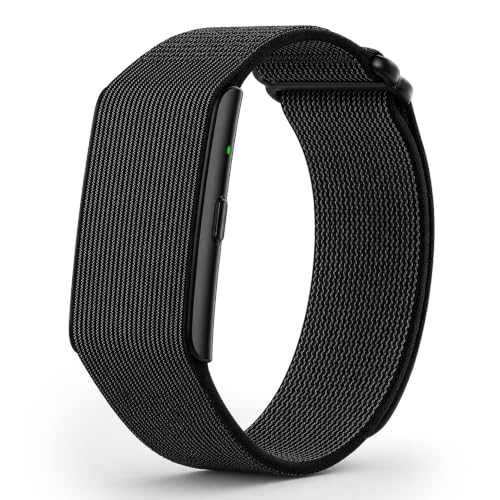
A battery that lasts 20 to 30 days means you can wear this tracker for weeks without hunting for a charger, perfect for anyone who forgets to plug things in. It tracks heart rate, SpO2, HRV, stress, sleep stages, and daily energy through the free QwatchPro app, with no subscription or hidden fees. At just 25 grams and IP68-rated, it’s light enough for overnight wear and handles sweat, rain, and hand washing. This is the tracker for people who want deep health insights without a screen buzzing for attention all day.
The biggest trade-off for dropping the screen is that you won’t see pace or time mid-run on your wrist, you’ll have to check your phone. Connected GPS uses your smartphone to map outdoor activities, so route tracking isn’t built into the band itself. If you’re okay reviewing stats in the app later and prefer a battery that lasts up to 30 days, this tracker gives you a lot of health data without the distraction of another display.
Product photos
ST-CARE Fitness Tracker Watch

What We Like
- Vivid 1.10" AMOLED color touchscreen
- Magnetic fast charging with long battery life
- Tracks body temperature and blood pressure
Trade-offs
- No built-in GPS for outdoor route tracking
- App required for detailed data analysis
The 1.10-inch AMOLED touch color screen is the standout feature here, it’s crisp, bright, and makes glancing at your stats during a workout feel genuinely satisfying. With 25 sport modes, 5 ATM waterproofing (yes, you can swim with it), and round-the-clock heart rate, body temperature, blood oxygen, and blood pressure monitoring, this tracker covers a lot of ground for someone who wants health data at a glance without pulling out a phone. The magnetic fast charging and 10-14 day battery life mean you’re not hunting for a charger every other night, which is a real win for consistency.
This watch relies on your phone’s GPS for outdoor runs or rides, so if you like leaving your phone behind, a tracker like the Garmin Vivosmart 5 (which pairs with your phone’s GPS) might suit you better. Reviewers note the stainless steel frame feels durable, and the full-color display sets it apart from screenless bands like the WHOOP 5.0. For someone who wants both health data and a stylish screen, this tracker covers a lot of ground.
How We Evaluated Fitness And Health Trackers
Our evaluation focused on what matters most when you wear a tracker every day: battery life, tracking accuracy, screen design, and subscription cost. We dug into manufacturer specs for battery claims and sensor types, cross-referenced expert round-ups for reliability patterns, and looked at thousands of owner reviews to see what works in real-world use.
Battery life was our first filter because a tracker you have to charge every day is one you will stop wearing. We prioritized models that deliver at least seven days between charges, with special attention to the 30-day performers. Screen design came next, some people need glanceable stats, others want zero distractions.
We also weighed subscription requirements heavily. A cheap tracker with a mandatory monthly fee costs more over two years than a premium one-time purchase. Honesty note: this is a research-led evaluation, not a hands-on test. We rely on documented specs and the collective experience of thousands of users, not our own wrists.
What To Look For In Fitness And Health Trackers
The right tracker disappears into your routine. These four criteria will help you find one that fits your life, not the other way around.
Focus on battery life first, then decide if you need a screen or not. Check whether the tracker requires a subscription for full features, and make sure it tracks the activities you actually do, not just the ones the company markets.
Battery Life and Charging Convenience
Battery life ranges from seven days to over 30 days depending on the model. The Google Fitbit Air Screenless Tracker offers fast charging that gives a full day in five minutes, while the Withings Scanwatch Light Hybrid and Domhong Screenless Tracker both stretch to 30 days. If you travel frequently or forget to charge, aim for 14 days minimum.
Screen Type: Display vs. Screenless
Screenless trackers like the WHOOP 5.0 and Garmin CIRQA Smart Band are lighter, more comfortable for sleep, and less distracting during workouts. But they require a phone to see your stats. If you need pace, distance, or heart rate at a glance, choose a model with a display like the ST-CARE Fitness Tracker Watch and its vivid AMOLED screen.
Subscription Costs and Hidden Fees
Some trackers require ongoing memberships. The WHOOP 5.0 needs a 12-month commitment, while the Garmin CIRQA and Domhong tracker offer full features with no subscription at all. Calculate the total two-year cost before buying, a budget-priced tracker with a subscription can cost more than a premium one.
Activity-Specific Tracking Features
Make sure the tracker covers your primary workouts. For strength training, the Amazfit Helio Strap Tracker counts reps, sets, and rest periods. For sleep quality, the Garmin Vivosmart 5 gives a detailed score with improvement tips. For runners, look for built-in GPS, many budget and hybrid models only offer connected GPS that requires your phone.
A good rule of thumb: the best tracker is the one you actually wear every day. Prioritize comfort and battery life over feature lists.
Fitness And Health Trackers Compared
The table below compares all eight picks side by side on battery life, screen type, GPS, and subscription requirements so you can spot the differences at a glance.
| Product | Display | Battery Life | Health Sensors |
|---|---|---|---|
| Google Fitbit Air Screenless Tracker | Screenless | Up to 7 days | Heart rate |
| Garmin CIRQA Smart Band | Screenless (soft fabric band) | Up to 10 days | N/A |
| Garmin Vivosmart 5 Tracker | Touchscreen & button | Up to 7 days | Heart Rate Monitor, Pulse Ox, Body Battery |
| WHOOP 5.0 Screenless Wearable | Screenless | 14+ days | HR, HRV, SpO₂, skin temp |
| Amazfit Helio Strap Tracker | Screenless | Up to 10 days | Heart rate, SpO2, stress, sleep |
| Withings Scanwatch Light Hybrid | Hybrid Smart Watch | 30 days | Heart rate monitor |
| Domhong Screenless Fitness Tracker | Screenless | 20-30 days | Heart rate, SpO2, HRV, stress |
| ST-CARE Fitness Tracker Watch | 1.10" AMOLED touch color screen | 10-14 days typical, 30 days standby | Heart rate, body temp, blood oxygen, blood pressure, sleep |
Frequently Asked Questions
What is the best fitness tracker for someone who hates charging devices?
The Withings Scanwatch Light Hybrid and Domhong Screenless Fitness Tracker both offer 30-day battery life, making them the best choices for anyone who wants to charge once a month or less.
Do I need a screen on my fitness tracker?
Not necessarily. Screenless trackers like the Garmin CIRQA Smart Band and WHOOP 5.0 are lighter, more comfortable for sleep, and less distracting. But you will need your phone to check detailed stats, so consider whether that works for your routine.
Can a fitness tracker help me improve my sleep?
Yes, if you choose one designed for it. The Garmin Vivosmart 5 provides a sleep quality score with actionable tips, and the Withings Scanwatch Light Hybrid gives a Sleep Quality Score each morning. For the most comprehensive sleep analysis, look at dedicated sleep trackers.
What is the difference between connected GPS and built-in GPS?
Connected GPS uses your phone’s GPS to track routes, while built-in GPS works independently. The Amazfit Helio Strap and Domhong tracker use connected GPS, which saves battery but means you must carry your phone. Runners who want to leave their phone behind need a model with built-in GPS.
How accurate are wrist-based heart rate monitors?
Wrist-based heart rate monitors are convenient but less accurate during high-intensity intervals or weight lifting compared to a chest strap. For general daily tracking and steady-state cardio, they are reliable enough for most users.
The Bottom Line
The Google Fitbit Air Screenless Tracker is our Best Overall pick because it balances comfort, battery life, and fast charging better than any other model. It is ideal for anyone who wants a screen-free tracker with solid battery and is happy checking stats on their phone.
If you want no subscription fees, go with the Garmin CIRQA Smart Band for its 10-day battery and automatic activity detection. For strength training, the Amazfit Helio Strap Tracker is the only pick that counts your reps and sets. Budget shoppers should look at the Domhong Screenless Fitness Tracker, which gives you 30-day battery and 170+ sports modes for a very affordable price.
The single most important factor in choosing a fitness tracker is this: will you wear it every day? Battery life, comfort, and the right screen type for your habits matter far more than any feature list. Pick the one that fits your actual routine, not the one with the longest spec sheet.
