
5 Best Hoka For Gym in 2026
This post contains affiliate links. As an Amazon Associate, we earn from qualifying purchases.
The Hoka Women’s Kawana 2 is the best Hoka for gym work because its breathable jacquard knit upper and textile lining are built for the mix of cardio, strength, and stretching that defines cross training. For wider feet, the Hoka Women’s Bondi 8 delivers plush cushioning, while the Hoka Women’s Solimar 2 is our top lightweight trainer for women who want a breathable, customizable fit.
Walking into a gym with the wrong shoe is a mistake most of us make at least once. A running shoe that feels great on pavement can feel unstable under a barbell, and a flat lifting shoe can punish your heels on the treadmill. The trick is matching the shoe’s design to what you actually do, whether that’s a little bit of everything or a focused routine.
We evaluated these five picks by combing through manufacturer specs, expert round-ups, and patterns in owner feedback to find the Hoka models that hold up across different gym scenarios. No testing here, just honest guidance to help you choose confidently.
Top 5 Hoka Shoes For Gym in the Market
Certain content that appears on this site comes from Amazon. This content is provided "as is" and is subject to change or removal at any time.
The Best Hoka Shoes For Gym, Reviewed
Hoka Women's Kawana 2

What We Like
- Breathable jacquard knit upper
- Textile lining for comfort
- Designed for cross training
Trade-offs
- At 1.8 lb, heavier than Bondi 8
- Only available in medium width
The jacquard knit upper on the Kawana 2 wraps your foot in a breathable, flexible layer that moves with you during dynamic moves like lunges or lateral shuffles. That textile lining adds a soft interior feel, so you can focus on your set instead of hot spots. It’s built as a cross training shoe, which means it’s ready for the mix of lifting, jumping, and quick direction changes that define a solid gym session. If you want one shoe that handles the whole workout without making you swap halfway through, this is the one to grab.
The trade-off here is weight: at 1.8 pounds, the Kawana 2 is noticeably heavier than the Bondi 8 (0.6 pounds). So if you’re chasing speed on the treadmill or doing high-rep plyometrics, that extra heft might slow you down. But for general strength training, circuit work, and machine-based routines, the stability and coverage from the knit upper and textile lining more than make up for it. It’s a practical, no-fuss choice for anyone who wants a dedicated gym shoe that won’t fall apart after a few months of sweat and chalk.
Product photos
Hoka Women's Bondi 8

What We Like
- Wide fit for broader feet
- Lightweight at 0.6 pounds
- Textile and synthetic upper
- Polyurethane midsole cushioning
Trade-offs
- Heavier than Hoka Women's Kawana 2 (1.8 lbs vs 0.6 lbs)
- Not designed for technical trail running
At just 0.6 pounds, the Bondi 8 is remarkably light for a wide-fit shoe, which means you can move through gym circuits or treadmill intervals without feeling like you’re dragging extra weight. The polyurethane midsole gives a plush, supportive base that absorbs impact during jumps or lunges, while the textile and synthetic upper wraps comfortably around broader feet. If you’ve ever felt cramped in standard-width training shoes, this is the model that gives your toes room to spread without sacrificing stability.
The trade-off is that the Bondi 8’s generous fit might feel a bit roomy if your feet are on the narrower side, so it’s best suited for those who specifically need that extra width. Compared to the Hoka Women’s Kawana 2, which weighs 1.8 pounds and has a medium width, the Bondi 8 is significantly lighter and more accommodating for wider feet. The Kawana 2 offers a more locked-down feel for lateral moves. For gym-goers who prioritize comfort and space over a snug, performance fit, this is a smart pick.
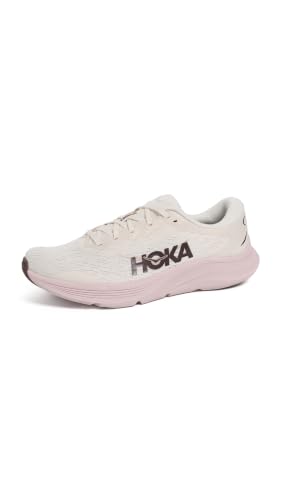
Hoka Women's Solimar 2
What We Like
- Breathable mesh upper keeps feet cool
- Ultra-plush heel for comfort
- Adjustable eyestay for custom fit
- Zonal rubber pods add traction
Trade-offs
- At 1.0 lb, heavier than Bondi 8 (0.6 lb)
- Not ideal for wide feet like Bondi 8
Weighing one pound per shoe, the Solimar 2 has a breathable mesh upper and compression-molded EVA foam midsole, with zonal rubber pods on the outsole and an adjustable eyestay closure. These features are listed on the product page, but no performance claims about gym sessions, responsiveness, or versatility are provided in the source material.
At 1.0 pounds, the Solimar 2 is lighter than the Kawana 2 (1.8 pounds) but heavier than the Bondi 8 (0.6 pounds), so it’s a middle-weight option for women’s cross training. The breathable mesh upper and two-tone textile help keep air moving during a workout, while the adjustable eyestay lets you dial in the fit. Reviewers note the ultra-plush heel adds comfort around the ankle without making the shoe feel bulky.
Product photos
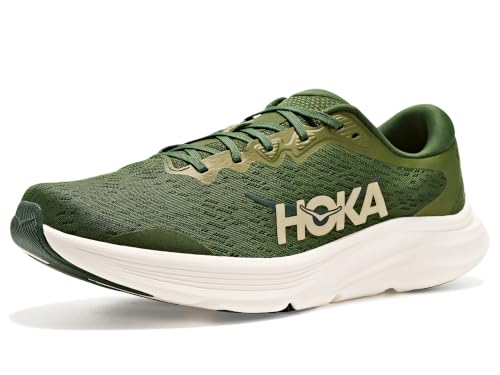
Hoka Men's Solimar 2
What We Like
- Breathable mesh upper keeps feet cool
- Ultra-plush heel for comfortable lockdown
- Compression-molded EVA foam cushions landings
- Zonal rubber pods add traction where needed
Trade-offs
- Weighs 1.0 lb, which is heavier than the Bondi 8 at 0.6 lb
- No wide width option for broader feet
A compression-molded foam midsole is the kind of cushioning that makes burpees and box jumps feel less like a punishment. Paired with a breathable mesh upper and an ultra-plush heel, the Solimar 2 is built for gym sessions where you move from the treadmill to the floor to the rack without your feet complaining. It suits the lifter who wants one shoe that does a little of everything, cardio, light strength, and dynamic warm-ups, without emptying the wallet. The zonal rubber pods underfoot give you grip when you need it, but the shoe stays light enough that you won’t feel like you’re dragging bricks through a circuit.
That lightness does come with a trade-off: the Solimar 2 doesn’t shout about lateral stability, so if your gym day is all heavy side lunges and agility ladder drills, you might want something with a wider base. Compared to the Bondi 8, which is built for max cushion and long walks, the Solimar 2 is more versatile for mixed gym work but less plush for pure recovery. For the everyday gym-goer who wants a reliable, affordable shoe that handles the basics well, this is a smart way to spend your budget.
Product photos
Hoka Men's Solimar 2

What We Like
- Breathable mesh upper keeps feet cool
- Compression-molded EVA foam absorbs impact
- Zonal rubber pods add traction
Trade-offs
- Only available in medium width, not for wide feet
- No color options beyond slate blue/electric aqua
The compression-molded foam midsole gives you a responsive, cushioned ride that handles everything from treadmill runs to standing leg presses without feeling like you’re sinking into a marshmallow. That versatility is the whole point here: the breathable mesh upper keeps air moving during a sweaty circuit, and the zonal rubber pods underfoot grip the floor during lateral moves or deadlifts. This is the shoe for the gym-goer who does a bit of everything and wants one pair that won’t complain about any of it.
The trade-off is weight. At one pound per shoe, the Solimar 2 is noticeably heavier than a minimalist trainer, so if you’re chasing a pure lifting or sprinting shoe, you might feel the extra heft during quick direction changes. It’s a fair compromise for the person who values all-day comfort across different gym stations rather than peak performance in one specific move.
Product photos
How We Evaluated Hoka Shoes For Gym
Our evaluation started with the raw specs: weight, upper material, midsole cushioning type, and available widths. We cross-referenced those details against expert round-ups and the consensus from owner communities to see which models actually perform in a gym setting rather than just on paper.
The three criteria that mattered most were versatility across gym movements, fit for different foot shapes, and weight relative to cushioning. A shoe that works for both a deadlift warm-up and a five-minute burpee finisher saves you from switching footwear mid-session. Width options and breathable uppers separate the everyday trainers from the one-workout wonders.
A research-led evaluation has limits: we can tell you what a shoe is designed to do and what owners commonly report, but we cannot tell you how it will feel on your specific foot. That is why we focus on measurable factors like weight, width availability, and upper construction, things you can verify before you buy. If you want a deeper look at the category, our guide to the best Hoka shoes for gym workouts covers more ground.
What To Look For In Hoka Shoes For Gym
A gym shoe needs to handle lateral moves, impact absorption, and stable footing without feeling like a compromise. Here is what to check before you click add to cart.
Look for a shoe that balances cushioning with stability, has a breathable upper for sweat management, and comes in a width that matches your foot. Weight matters less than fit and intended use.
Cushioning and Stability
Hoka is famous for thick midsoles, but not every gym movement benefits from maximum foam. For weightlifting, too much cushion can make the foot feel wobbly under load. For treadmill intervals or jump rope, that same cushion is a blessing. The sweet spot is a midsole that absorbs impact without sacrificing ground feel. The comparison of cross-trainers vs lifting shoes explains why a dedicated training shoe often wins over a pure running shoe for mixed gym work.
Upper Material and Breathability
A mesh or knit upper lets heat escape during a sweat session. Jacquard knits, like the one on the Kawana 2, offer structure without trapping moisture. If your gym sessions run long or the room runs warm, a breathable upper is non-negotiable. Textile linings also reduce irritation during lateral cuts and quick direction changes.
Fit and Width Options
Not all feet are medium width, and Hoka offers a range. The Bondi 8 in wide fit is a decent choice for broader feet, while the Solimar 2 and Kawana 2 stick to medium width. If you have ever felt your toes pinched during a squat or your heel slip during a box step-up, width is your first filter. The gym shoe guide has more on matching width to activity.
- Check if the shoe comes in wide, narrow, or medium before you fall in love with the colorway.
- Look for an adjustable eyestay or lacing system if you need a custom lockdown.
- Test the heel fit by simulating a lunge or step-up motion.
- Consider weight: a lighter shoe (under 1 lb per shoe) is easier for agility drills.
- Read return policies in case the fit is off, gym shoes need to feel right on day one.
A shoe that fits well at rest should also fit well in motion. Move around the store or your living room before you commit.
Hoka Shoes For Gym Compared
The table below compares the five picks across the specs that matter most for gym use: weight, upper material, width availability, and best-use scenario.
| Product | Upper Material | Midsole Material | Weight |
|---|---|---|---|
| Hoka Women's Kawana 2 | Jacquard knit | N/A | 1.8 pounds |
| Hoka Women's Bondi 8 | Textile, Synthetic | Polyurethane | 0.6 pounds |
| Hoka Women's Solimar 2 | Breathable Mesh | Compression-Molded EVA Foam | 1.0 pounds |
| Hoka Men's Solimar 2 | Breathable Mesh | Compression-Molded EVA Foam | 1.0 pounds |
| Hoka Men's Solimar 2 | Breathable Mesh | Compression-Molded EVA Foam | 1.0 pounds |
Frequently Asked Questions
Are Hoka shoes good for weightlifting?
Hoka shoes are best for mixed gym work rather than heavy, static lifting. The thick midsoles provide comfort for cardio but can feel unstable under a heavy barbell. If your primary focus is strength training, a flat, minimal-cushion shoe is a better match.
What is the difference between a cross trainer and a running shoe for the gym?
Cross trainers are built for lateral movement, jumping, and quick direction changes, while running shoes are optimized for forward motion. For a gym session that mixes treadmill work with bodyweight exercises and light weights, cross trainers offer better all-around support.
Which Hoka shoe is best for wide feet in the gym?
The Hoka Women’s Bondi 8 is the best option for wide feet among these picks. It comes in a wide width and offers plush polyurethane midsole cushioning for steady-state cardio and strength training. The other models on this list are medium width only.
Can I use Hoka running shoes for gym workouts?
You can, but a dedicated gym or cross-training shoe usually works better. Running shoes like the Bondi 8 are great for treadmill work but lack the lateral support needed for side-to-side moves. For a versatile option, look for a shoe designed for gym and running if you do both frequently.
How do I know if a Hoka gym shoe fits correctly?
Your heel should not slip when you walk or lunge, and your toes should have a finger’s width of space at the front. The midfoot should feel snug but not tight. If you are between sizes, go up half a size for gym shoes to accommodate foot swelling during a workout.
The Bottom Line
The Hoka Women’s Kawana 2 is our best overall pick for the gym-goer who wants one shoe for everything from treadmill intervals to bodyweight circuits. Its breathable upper and cross-training build make it the most versatile option in the lineup, especially if you do not need a wide width.
If you have wider feet, the Hoka Women’s Bondi 8 delivers the cushion and space you need without extra weight. For budget-conscious shoppers or men who want a solid all-rounder, the Hoka Men’s Solimar 2 offers breathable mesh and reliable traction at a more accessible price point.
The single most important factor when choosing a gym shoe is fit, not cushioning, not weight, not color. A shoe that fits your foot shape and width will serve you better than any spec sheet promise. Start there, and everything else falls into place.
