
10 Best Workout Mats in 2026
This post contains affiliate links. As an Amazon Associate, we earn from qualifying purchases.
For most home workouts, the Gaiam Premium Yoga Mat 6mm strikes the best balance of cushioning, grip, and portability. If your practice demands a mat that lasts for years, the Manduka PRO Yoga Mat earns our Best Premium Durability award. Budget-minded beginners will appreciate the Gaiam Essentials Thick Yoga Mat for its plush feel at an affordable price.
Choosing a workout mat means balancing thickness, surface grip, portability, and durability against your specific routine. Yoga and Pilates need different support than HIIT or weightlifting, and your floor type changes what works.
This guide is research-based: we examined specifications, manufacturer claims, expert round-ups, and patterns in owner feedback to find the best mats for every need. You will find clear recommendations for yoga, high-impact training, wide stances, eco-friendly materials, and more.
Top 10 Workout Mats in the Market
Certain content that appears on this site comes from Amazon. This content is provided "as is" and is subject to change or removal at any time.
The Best Workout Mats, Reviewed
Gaiam Premium Yoga Mat 6mm

What We Like
- Extra-thick 6mm cushioning for joints
- Textured non-slip surface for grip
- Non-toxic 6P-free PVC material
- Includes free downloadable yoga class
Trade-offs
- Narrow width (24") offers less coverage
- New mat needs 2-3 days airing out
A 6mm thickness gives you noticeable cushioning without turning your balance poses into a wobble-fest. That extra padding is a lifesaver for knees and wrists during floor work, yet the mat stays light enough at 3.1 pounds to toss in a bag and carry to the gym or studio. The textured non-slip surface means you won’t slide around in downward dog, and the non-toxic 6P-free PVC is a thoughtful touch if you’re trying to avoid harsh chemicals. This is the mat for someone who wants a reliable, everyday companion for yoga, Pilates, or stretching without overcomplicating things.
At 68 by 24 inches, this mat is compact enough to toss in a gym bag. Taller users may find their heels hanging off the end during savasana, and the narrow width leaves less room for wide-legged stances. Compared to the Manduka PRO, which is longer and wider but weighs more than double, the Gaiam prioritizes convenience over coverage. If you’re mostly doing gentle flows or floor workouts at home, the size is fine. The manufacturer recommends unrolling and airing out the mat for 2 to 3 days before use, as a harmless odor may be present when unwrapped.
Manduka PRO Yoga Mat

What We Like
- Lifetime durability guarantee
- Closed-cell surface resists moisture
- Non-slip dot pattern on bottom
- Ultra-dense 6mm cushioning
Trade-offs
- At 7.5 lb, heavy to carry around
- Requires Manduka-brand cleaner for proper care
The Manduka PRO mat comes with a guarantee to last a lifetime of practice, backed by a dense 6mm cushion that provides joint protection while maintaining a stable, floor-like feel. Its closed-cell surface seals out moisture for a cleaner practice, which is helpful if you use it at home and want to avoid absorbing sweat. For anyone looking for a single mat that holds up over years of use, this design reduces the need for frequent replacements.
The trade-off is weight: at 7.5 pounds, this is a hefty mat to lug to a studio or roll up after class, especially compared to the Gaiam Essentials Thick Yoga Mat at just over 2 pounds. It is also narrower than some options like the CAMBIVO Large Exercise Mat, so if you need extra width for broader movements, you might feel the 26-inch limit. But if your priority is a mat that stays planted, cushions without sinking, and refuses to wear out, the Manduka PRO delivers exactly that. No frills, just durable function.
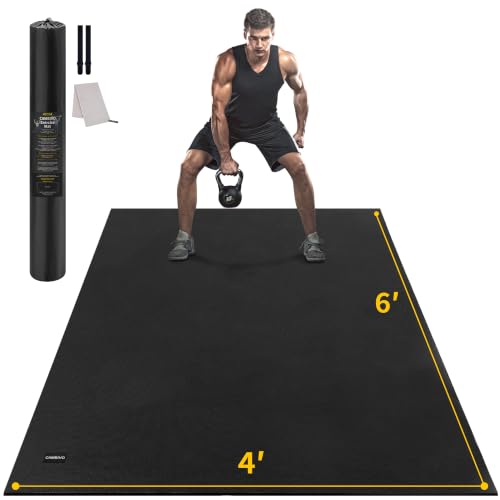
CAMBIVO Large Exercise Mat 6×4
What We Like
- 7mm high-density PVC cushioning
- Non-slip bottom and textured top
- Shoe-friendly and tear-resistant surface
- Includes storage straps and bag
Trade-offs
- At 14 lb, heavy to carry around
- Large footprint needs ample floor space
A 6×4 foot surface gives you room to jump rope, do HIIT, and lift weights without feeling cramped. The 7mm high-density PVC cushioning absorbs impact and reduces noise, protecting your knees, elbows, and floors during intense workouts. The textured top and non-slip bottom keep the mat stable on hard surfaces, so you can focus on your reps. It’s built for real workouts with shoes on, tear-resistant, and stays flat without curling edges.
At 14 pounds and a 6×4 footprint, this mat is clearly built to stay put in a home gym, not to be carried to the park. The Manduka PRO is lighter and narrower for studio portability, while the CAMBIVO trades easy mobility for sheer coverage and shoe-friendly durability. If your workouts include jump rope, weightlifting, cardio, or HIIT, the extra size and weight make sense. For someone who just wants a mat for gentle floor stretches, a lighter, thinner option might feel more practical.
Gaiam Essentials Thick Yoga Mat

What We Like
- Plush 10mm NBR foam cushions joints
- Textured surface reduces slipping on hard floors
- Lightweight at 2.1 lb with carrying strap
- Easy to clean with a damp cloth
Trade-offs
- Softer feel lacks firmness for balance-focused poses
- Narrow 24-inch width limits side-to-side movement
A 10mm thickness of high-density NBR foam means this mat puts serious cushioning between your knees and a hard floor, exactly what you want if you’re starting yoga, Pilates, or stretching on tile or concrete. That plush feel helps reduce pressure on joints during low-impact routines, and the textured surface gives you enough grip to stay steady during dry workouts. For anyone building a home fitness habit on a budget, this mat delivers comfort without overcomplicating things, and the included carrying strap makes it easy to roll up and stash between sessions.
The 10mm thickness of this mat provides plush cushioning that helps reduce pressure on knees and joints, making it a good choice for floor-based recovery work and gentle yoga on hard surfaces. The textured foam surface helps reduce slipping on most hard floors during dry workouts, though the softer feel prioritizes comfort over firmness. For stretching, Pilates, and low-impact routines where joint comfort matters most, this mat offers practical support without a high price.
Amazon Basics Extra Thick Yoga Mat

What We Like
- Half-inch thick NBR foam cushioning
- Lightweight at only 2.2 pounds
- Textured surface for extra grip
- Includes elastic carrying strap
Trade-offs
- Hand wash only; no machine care
- 24-inch width limits side-to-side space
A full half inch of NBR foam means this mat turns a hard floor into a forgiving surface for knees, elbows, and tailbones during floor stretches or core work. At just 2.2 pounds, it’s light enough to sling over your shoulder with the included strap and carry to the park or gym without thinking twice. That combination of thick padding and easy portability makes it a natural fit for anyone who wants comfort without lugging a heavy roll around.
The half-inch thickness of this mat provides comfortable padded support and shock absorption for yoga, gym workouts, and everyday exercises, making it a practical choice for gentle stretching and floor routines. It weighs just 2.2 pounds and includes an elastic carrying strap, so it’s easy to roll up and take to the gym or park. The textured grip surface helps keep the mat in place during workouts, which is useful for all fitness levels.
Product photos
Retrospec Solana Extra Thick Yoga Mat

What We Like
- 1-inch thick for joint comfort
- Non-slip surface for stability
- BPA-free and latex-free materials
- Lightweight with carrying strap
Trade-offs
- Narrow 24-inch width limits side-to-side movement
- Initial harmless odor requires airing out
A full inch of cushioning sets this mat apart from most options, which hover around a quarter to half that thickness. The 1-inch firm foam alleviates stress on pressure points such as joints, hips, hands, and knees during floor work or kneeling poses. At 2.2 pounds with a nylon carrying strap, it stays portable enough to toss in a bag for studio visits or home storage. The non-slip material helps keep you steady and balanced during your practice, and the BPA-free, latex-free build avoids common irritants for those with sensitivities.
Space is the trade-off here. At 24 inches wide, this mat gives you less lateral room than wider options like the KEEP Non-Slip Large Yoga Mat, which offers 32 inches for sprawling flows or wider stances. The 72-inch length may feel snug for some users during fully stretched-out poses. If you prioritize portability and joint-friendly padding over sprawling room, this mat delivers that cushioned support without weighing you down. The manufacturer notes your mat may initially release a harmless odor; if so, unroll it and air it for a day or two before using.
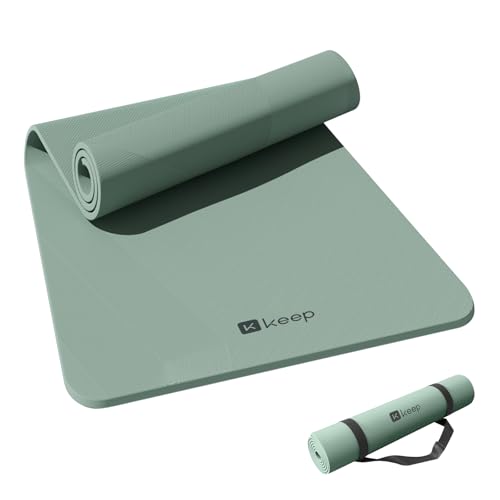
KEEP Non-Slip Large Yoga Mat
What We Like
- 32-inch width gives extra room
- Double-sided non-slip texture
- Eco-friendly TPE material
- Lightweight with carrying strap
Trade-offs
- Only 72 inches long for taller users
- Requires airing out before first use
A 32-inch width is the standout feature here, giving you nearly a third more space than a standard 24-inch mat. That extra room means you can spread into wide-legged poses, side stretches, or dynamic flows without worrying about your hands or feet slipping off the edge. Made from TPE, it skips the harsh plasticizers and formamide found in some PVC mats, so it’s gentler on your skin and the planet. At 7mm thick, the cushioning protects knees and elbows during floor work, while the double-sided non-slip pattern keeps you stable on dry surfaces. This mat suits anyone who values room to move and wants a lightweight, portable option for home or studio.
Seven millimeters of padding is a middle ground: it’s thicker than a travel mat but thinner than the 10 mm or 1-inch cushions some people prefer for very hard floors or sensitive joints. If you’re comparing it to something like the Gaiam Essentials mat at 10 mm, the KEEP offers less plushness but more width and a lighter carry weight. It’s also 72 inches long, which may feel short if you’re over six feet tall. For most practitioners who want a spacious, eco-conscious mat that’s easy to tote around, this hits a sweet spot between comfort and practicality.
Product photos
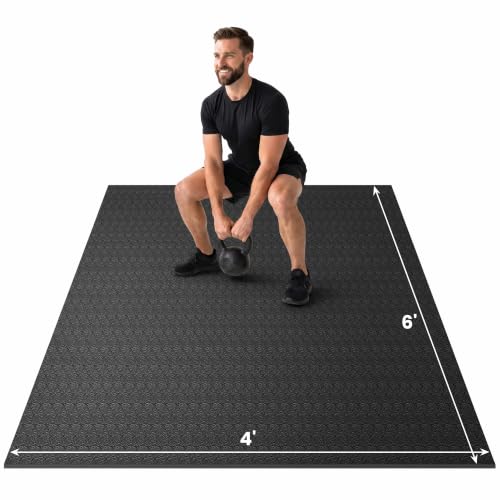
Stepwaver Extra Large Exercise Mat
What We Like
- Double-sided non-slip grip keeps you steady
- Tear-resistant high-density material lasts
- Easy to clean with a damp cloth
Trade-offs
- 8 mm thickness offers firmer feel than thicker mats
- Not ideal for those who prefer very soft cushioning
A 6×4 foot surface means you can jump rope, lunge, or sprawl without stepping off the mat mid-rep. That generous coverage, paired with a shoe-friendly design, makes this a natural pick for anyone who does HIIT, cardio, or weight training in sneakers. The double-sided non-slip texture and high-density build handle the scuffing and sweat that come with dynamic workouts, so you stay planted and your floor stays protected. It is the kind of mat that turns a garage or living room corner into a real training zone without the gym membership.
Thickness is the trade-off here. At 8 mm, this mat offers a firmer surface than thicker options. If your routine is mostly floor stretching or poses that put pressure on knees and elbows, the firmer surface might feel a bit unyielding. But for shoe-wearing, high-movement training where stability and durability matter more than pillowy softness, this mat earns its spot as the go-to for sneaker-friendly workouts.
Product photos
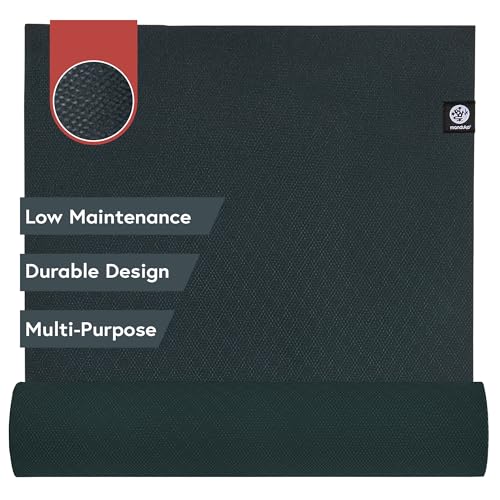
Manduka X Hybrid Fitness Mat
What We Like
- Double-weave scrim system for durability
- Lightweight at 3.4 lb for portability
Trade-offs
- At 5 mm, less cushioning than thicker mats for hard floors
- 24-inch width is narrower than some larger mats for sprawling workouts
At just 3.7 pounds, it is light enough to stash in your car for post-run recovery or take to the park without feeling like you are hauling gear. That 5 mm of cushioning protects your joints without making the mat feel mushy, which matters when you need stability for standing poses or plank holds.
Five millimeters of padding is thinner than what you get from a 10 mm mat like the Gaiam Essentials model, so if your home floor is unforgiving tile or concrete, your knees might notice the difference during floor work. The 24-inch width also feels snug if you tend to spread out wide during stretching or need extra room for side-to-side movements. For someone who wants one mat that moves from the living room to the grass to the gym floor without fuss, this is a smart, low-maintenance choice that cleans up fast and does not trap odors.
Product photos
Gruper Eco Friendly Yoga Mat
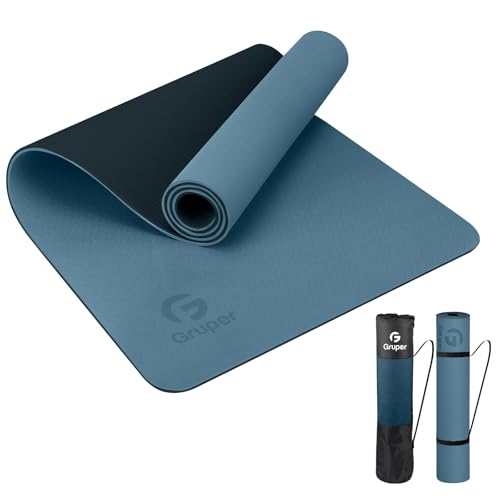
What We Like
- Double-layer anti-skid texture on both sides
- Free carrying strap and storage bag
- Two thickness options available
Trade-offs
- Narrower than some mats at 24 inches wide
- Not designed for shoe or pet use
- Requires flat drying after cleaning
At 6mm or 8mm thick and just 2.6 pounds, it is light enough to sling over your shoulder with the included strap and carry to a studio or across the house.
The trade-off here is the 24-inch width, which is standard for yoga mats but feels tighter if you spread your arms wide during floor stretches or Pilates. The Manduka PRO is 26 inches wide and weighs 7.5 pounds, while the Gruper is much lighter at 2.6 pounds, making it easier to transport. It does not offer the same floor-like stability of a heavier mat. It is a practical choice if you want an eco-friendly mat that is easy to carry and still grips well.
Product photos
How We Evaluated Workout Mats
We started by reviewing the technical specs of dozens of mats: thickness, material composition, dimensions, weight, and surface texture. Manufacturer documentation told us about construction methods and care requirements, while expert round-ups helped identify which features matter most for different workout styles.
The four criteria that drove our rankings were cushioning for joint protection, surface grip for stability during movement, durability for long-term use, and portability for those who carry their mat to class or around the house. Thicker isn’t always better. A 10mm mat that feels great for floor work can make standing balance poses harder.
An honest evaluation has limits. Our recommendations come from comparing what manufacturers promise against what owners consistently report, filtered through the needs of different workout styles. For a deeper look at specific categories, see our guides on home gym mats and exercise mats.
What To Look For In Workout Mats
The right mat makes your workout safer and more comfortable. Focus on thickness, material, size, and surface texture, and match them to the type of exercise you do most.
Choose a mat thickness based on your activity: 4-6mm for yoga and balance work, 8-10mm for joint protection on hard floors, and thicker options for gentle stretching. Wider mats help if you move side to side. Lightweight mats are best for carrying to class.
Thickness and Cushioning
Thickness directly affects joint comfort and stability. A 6mm mat like the Gaiam Premium offers good cushioning for yoga without sacrificing the firm connection you need for standing poses. Thicker mats (10mm to 1 inch) feel plush for knees and elbows during floor work but can make balance poses feel unstable, the soft foam compresses unevenly under your weight.
For high-impact training in shoes, a firmer 6-8mm mat provides enough shock absorption without letting your feet sink. If joint support is your priority, our guide to thick exercise mats covers your options.
Material and Durability
PVC mats (like the Gaiam Premium and Manduka PRO) offer excellent grip and durability at a reasonable weight. TPE mats (like the KEEP Non-Slip Large Yoga Mat) are lighter and more eco-friendly but may wear faster with heavy use. NBR foam (used in the Gaiam Essentials and Amazon Basics mats) provides maximum cushioning at a low cost but lacks the firmness for balance work.
Closed-cell surfaces resist sweat and bacteria better than open-cell foam, which matters if you practice hot yoga or plan to use the mat for years. For heavy home gym use, look at gym mats designed for repeated impact.
Size and Portability
Standard yoga mats are 24 inches wide and 68-72 inches long. That works for most people, but taller users (over 5’8″) or those who take wide stances need extra length or width. The KEEP Non-Slip Large Yoga Mat offers 32 inches of width, while the CAMBIVO Large Exercise Mat covers a full 6×4 feet for sprawling workouts.
Wider and longer mats weigh more, the Manduka PRO is 7.5 lb, and the CAMBIVO is 14 lb. If you carry your mat to the studio, look for a lightweight option (under 3 lb) with a carrying strap.
- Lay on the mat in your typical workout position to check if your head and feet fit comfortably
- Measure your workout space before buying a large mat like the CAMBIVO
- Check the mat’s weight if you plan to carry it regularly
- Look for closed-cell construction if you sweat heavily during workouts
- Consider a mat’s initial odor, some PVC and NBR mats need several days to air out
A mat that is too small or too slippery will frustrate you every workout. Measure your space and your body before you buy.
Workout Mats Compared
The table below compares our top picks across the dimensions that matter most for different workouts: thickness, size, weight, and best use case.
| Product | Thickness | Dimensions | Weight | Material |
|---|---|---|---|---|
| Gaiam Premium Yoga Mat 6mm | 6mm | 68"x24" | 3.1 lbs | Non-toxic 6P-free PVC |
| Manduka PRO Yoga Mat | 6mm | 71 x 26 in | 7.5 lb | PVC (OEKO-TEX certified) |
| CAMBIVO Large Exercise Mat 6×4 | 7mm | 72 x 48 x 0.3 in | 14.0 lb | High-density PVC |
| Gaiam Essentials Thick Yoga Mat | 10 mm (2/5 in) | 72 x 24 in | 2.1 lb | High-density NBR foam |
| Amazon Basics Extra Thick Yoga Mat | 0.5 inches | 74 x 24 inches | 2.2 pounds | NBR foam |
| Retrospec Solana Extra Thick Yoga Mat | 1 inch | 72"x24"x1" | 2.2 pounds | BPA-free, latex-free |
| KEEP Non-Slip Large Yoga Mat | 7 mm | N/A | 2.86 lb | TPE |
| Stepwaver Extra Large Exercise Mat | 8 mm (1/3 inch) | 72 x 48 x 0.3 inches | N/A | N/A |
| Manduka X Hybrid Fitness Mat | 5 mm | 71 x 24 x 0.2 in | 3.7 lb | N/A |
| Gruper Eco Friendly Yoga Mat | 6mm | 72 x 24 inches | 2.6 lb (6mm) | TPE (eco-friendly) |
Frequently Asked Questions
What thickness workout mat should I get?
Choose 4-6mm for yoga and balance-focused workouts where you need a stable surface. Choose 8-10mm for joint cushioning on hard floors during Pilates, stretching, or bodyweight exercises. Choose thicker options for gentle floor work and rehabilitation where comfort matters more than stability.
Are thicker yoga mats better for beginners?
Thicker mats (10mm or more) can feel more comfortable for beginners doing floor work, but they make standing balance poses harder because the foam compresses unevenly. A 6mm mat offers a better all-around experience for learning yoga. If you need joint protection, look for a mat with good density rather than just more thickness.
How do I clean my workout mat?
Most mats can be wiped down with a damp cloth and mild soap after each use. NBR foam mats (like the Gaiam Essentials) are easy to clean this way. Closed-cell PVC mats like the Manduka PRO resist moisture and need only occasional cleaning with a manufacturer-recommended spray. Avoid machine washing unless the label specifically allows it.
What is the best mat for high-impact workouts in shoes?
Look for a shoe-friendly mat with a dense, tear-resistant surface and a non-slip bottom. The Stepwaver Extra Large Exercise Mat handles jump rope, HIIT, and strength training well. The CAMBIVO Large Exercise Mat also works for shoe-wearing workouts thanks to its high-density PVC and textured top surface.
Can I use a yoga mat on carpet?
Yes, but thinner mats may not provide enough stability on soft carpet. Look for a mat with good grip on the bottom, or choose a thicker mat (6mm or more) that won’t let you feel the carpet texture. Our guide on workout mats for carpet explains which options work best on different carpet types.
The Bottom Line
The Gaiam Premium Yoga Mat 6mm is our Best Overall pick because it delivers the right mix of cushioning, grip, and portability for most home and studio yoga sessions. If you want a mat that will outlast every other piece of gear you own, the Manduka PRO Yoga Mat justifies its higher price with a lifetime durability guarantee.
Budget shoppers should start with the Gaiam Essentials Thick Yoga Mat for its plush 10mm foam and low weight. Home gym owners who do high-impact, shoe-wearing workouts will find the CAMBIVO Large Exercise Mat or Stepwaver Extra Large Exercise Mat better suited to their needs. Eco-conscious practitioners should look at the Gruper Eco Friendly Yoga Mat for its non-toxic materials and solid grip.
The single most important factor is matching the mat’s thickness and surface to your primary workout style. A mat that works for gentle stretching will frustrate you during a dynamic HIIT session, and a dense, firm mat that handles weightlifting will feel punishing for restorative floor work. Know your routine, measure your space, and choose accordingly.
