
10 Best Yoga Blankets in 2026
This post contains affiliate links. As an Amazon Associate, we earn from qualifying purchases.
The Yogikuti Iyengar Yoga Blanket Set is our best overall pick because it delivers Iyengar-approved dense support in a machine-washable cotton design that’s thicker than standard blankets. For eco-conscious practitioners, the Manduka Yoga Cotton Blanket offers larger dimensions and fray-resistant stitching. The Open Road Goods Handmade Solid Color Yoga Blanket is our budget-friendly choice for lightweight versatility.
A yoga blanket needs to do more than keep you warm, it props up poses, cushions joints, and adds stability during seated work or restorative holds. The right one balances thickness, size, washability, and material feel for your specific practice style.
We researched specifications, manufacturer details, expert round-ups, and patterns in owner feedback to build this guide. You’ll find clear picks for every need, from dense Iyengar support to lightweight travel-friendly options, plus practical buying advice.
Top 10 Yoga Blankets in the Market
Certain content that appears on this site comes from Amazon. This content is provided "as is" and is subject to change or removal at any time.
The Best Yoga Blankets, Reviewed
Yogikuti Iyengar Yoga Blanket Set

What We Like
- Iyengar-approved dense support
- Machine washable cotton
- Thicker than standard blankets
Trade-offs
- Initial linting after first wash
- At 3.3 lb, heavier than some travel blankets
The dense handwoven cotton holds its shape under weight, so you get stable support in backbends or seated postures, and the breathable fabric stays comfortable against sensitive skin. This is the kind of studio-grade setup that makes sense if you practice at home or teach and want consistent firmness session after session.
The trade-off is the initial linting that comes with new cotton blankets, a cold wash and air dry takes care of it, but it means a little extra care upfront. Not the lightest option for tossing in a weekend bag, but for dedicated practice where support matters more than portability, this set delivers.
Manduka Yoga Cotton Blanket

What We Like
- Larger dimensions for full coverage
- Overlocked stitching resists fraying and pilling
- Versatile for yoga, meditation, or home use
Trade-offs
- Heavier at 4.0 lb than some cotton blankets
- Requires gentle wash and low heat drying
Slightly larger than many yoga blankets on the market, this Peruvian recycled cotton blend provides enough material to fold, roll, or stack into substantial support for seated poses and restorative work without running out of fabric. The overlocked edge stitching resists fraying and pilling after washing, so it holds up to regular use. When not supporting a practice, the rustic traditional print works as a home accessory for a bedroom or living room. Owners mention it balances the firm, grippy feel needed during poses with the softness expected from a throw blanket.
The trade-off is weight: at four pounds, it’s heavier than the Yogikuti Iyengar blanket (3.3 lb), so carrying it to a class or folding it into precise shapes takes a little more effort. The blend includes acrylic and polyester, which helps the blanket hold its shape after washing and resists pilling, so it stays looking good longer. For someone who values sustainability and wants a generously sized prop that doubles as a throw, this is a thoughtful, durable choice.
Product photos
Hugger Mugger Cotton Yoga Blanket

What We Like
- Woven cotton combines firmness with softness
- Excellent prop for Restorative yoga practice
- Great support for inversions and seated poses
Trade-offs
- Size limits portability for studio commutes
- Not as warm as wool for cold studios
At 3.3 pounds and 90 inches long, this blanket is less portable than some alternatives if you carry gear to a studio. Compared to the Manduka Yoga Cotton Blanket at 83 inches and 4.0 pounds, the Hugger Mugger offers more length with less weight, giving you extra coverage without added burden. If you value a large folding surface over compact transport, this blanket suits that priority.
Product photos
Manduka Yoga Wool Blanket

What We Like
- Soft, dense weave resists pilling
- Overlocked edge stitching prevents fraying
- Versatile for folding, rolling, or layering
Trade-offs
- Dry cleaning recommended adds upkeep
- At 4.0 lb, heavier than some cotton options
Seventy-five percent recycled wool means this blanket keeps waste out of landfills while giving you the warmth and structure wool is known for. At 82 by 60 inches, it’s large enough to fold into a supportive seat for seated poses or to layer under your knees during low-lunge holds. The dense weave stays soft and resists pilling, so it holds up to regular use without looking tired. For anyone who wants a prop that pulls double duty as a cozy meditation cover on chilly mornings, this is a thoughtful choice that pairs durability with a lighter environmental footprint.
Dry cleaning is recommended, which adds a step compared to machine-washable cotton blankets like the Hugger Mugger Cotton Yoga Blanket. At four pounds, it’s also a bit heavier than some cotton picks, so if you’re carrying your gear to a studio daily, that extra weight might matter. But if you value recycled materials and a blanket that stays soft wash after wash, the Manduka delivers a premium feel without the premium guilt.
Product photos
Open Road Goods Handmade Solid Color Yoga Blanket

What We Like
- Lightweight at only 1.9 pounds
- Handwoven by Mexican artisans
- Softens with each wash
- Multi-purpose use beyond yoga
Trade-offs
- Narrower than most yoga blankets at 50 inches
- Blend includes synthetic fibers, not all-natural
At 1.9 pounds, this blanket is lighter than many yoga blankets in this guide, which makes it easier to carry to class or pack for outdoor use. Its 80-inch length provides full-body coverage for savasana or as a prop, and the cotton-acrylic-polyester blend softens over time without losing shape. If you want a handwoven Mexican blanket that works as a throw or picnic blanket, this one fits the bill without adding much weight to your bag.
The trade-off for that low weight is a narrower 50-inch width, which means less surface area for folding into thick layers during restorative poses compared to the Yogikuti set’s 60-inch width. The synthetic blend also won’t appeal to those who prefer all-natural fibers like the Manduka wool blanket. Still, for the yogi who values portability and versatility, this is a practical way to add a prop to your practice.
Product photos
Hugger Mugger Deluxe Wool Blanket

What We Like
- Woven wool blends firmness with softness
- Extra padding for knees, elbows, wrists
- Durable and washable construction
- Made in India with saturated colors
Trade-offs
- Heavier than the Yogikuti cotton set (3.3 lb)
- Wool not suitable for vegans or those avoiding animal fibers
A 3.5-pound wool blanket with a dense, woven feel gives you firm support that doesn’t collapse under pressure, which is exactly what you want when your knees, elbows, or wrists need a forgiving surface. This one suits anyone who spends time in restorative poses or finds standard mats too unforgiving for sensitive joints, since the wool’s natural cushioning distributes weight evenly without bottoming out. It also works well for shoulder stands and seated postures where you want a stable, non-slip layer beneath you.
Home practitioners who value padding and durability over portability will appreciate the woven wool construction, which combines firmness with softness for sustained comfort during long holds. The blanket provides extra cushioning for sensitive knees, elbows, and wrists, making it an excellent prop for Restorative yoga, Shoulder stand, headstand, and seated poses. Weighing 3.5 pounds, it is substantial enough to stay in place during practice. Reviewers note that the durable fabric and saturated colors hold up well over time, and the blanket is washable for easy care. Made in India, it measures 80 by 60 inches, offering generous coverage for a variety of poses.
JadeYoga Recycled Cotton Yoga Blanket
What We Like
- Handmade by skilled rural artisans
- Supports community with hot lunch program
- Generous 78 x 44 inch size
- Machine washable for easy care
Trade-offs
- Narrower than most yoga blankets at 44 inches
- 44-inch width is narrower than many competitors
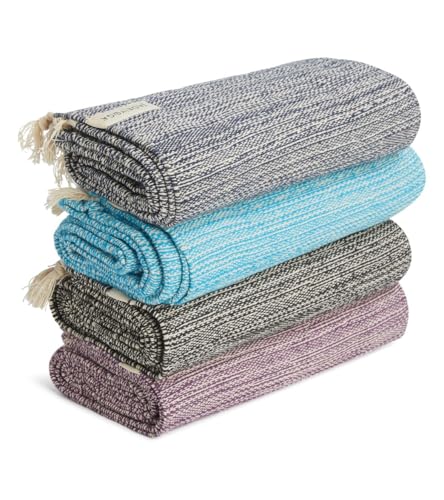
This blanket’s 78 x 44 inch dimensions give you plenty of length for restorative poses, but the 44-inch width is noticeably narrower than many competitors. So it might not fully cover your mat if you like a wide spread. What makes it special is the story behind it: handmade in India by rural artisans using traditional weaving techniques, and each purchase provides a week of hot lunches to a child in need through the Akshaya Patra Foundation. That social impact, paired with recycled cotton that’s soft and machine washable, makes it a thoughtful choice for someone who values craft and community over pure utility.
The recycled cotton material is soft and supple, making it a good choice for warmth during relaxation or as a light prop for folding and rolling. However, it is lighter than some wool options listed in the guide, such as the Manduka Yoga Wool Blanket at 4.0 pounds. So if you need a heavier blanket for stacking under knees or hips, you might prefer a denser material. For gentle support or savasana warmth, this blanket works well, but it is not designed for heavy-duty padding. At 44 inches wide, it is narrower than many other yoga blankets on the market, which may limit full-coverage use on a standard mat.
Open Road Goods Yoga Blanket
What We Like
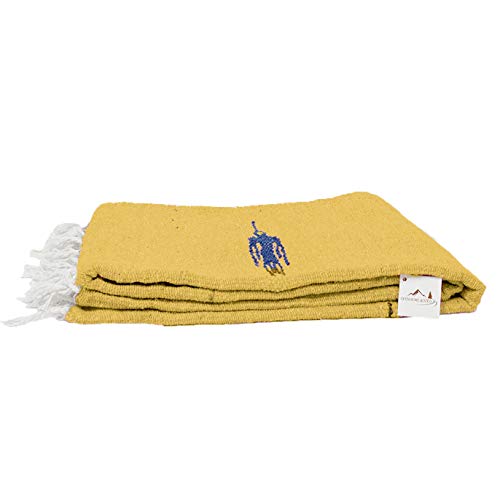
- Handwoven Thunderbird design adds unique style
- Lightweight 1.9 lbs for easy carrying
- Machine washable, softens over time
- Versatile for indoor and outdoor use
Trade-offs
- Acrylic-polyester blend lacks natural-fiber breathability
- Tassel colors vary slightly between blankets
At just 1.9 pounds, this blanket is noticeably lighter than most yoga blankets, which makes it a breeze to toss in a bag for the studio, a picnic, or the beach. The handwoven Thunderbird pattern gives each one a distinct personality, so you get a prop that doubles as decorative home decor. It suits anyone who values style and portability over heavy-duty padding, especially if you want a blanket that transitions easily from savasana to the couch.
The trade-off for that light weight is a shorter length (78 inches) compared to some options like the Yogikuti set at nearly 80 inches, which may be a consideration for taller practitioners. If you prioritize a natural-fiber-only prop, a heavier cotton or wool blanket may serve you better.
Product photos
Y O GAYO Organic Cotton Yoga Blanket

What We Like
- 100% organic cotton construction
- Handwoven for durability
- Generous 90 x 59 inch size
- Versatile for yoga, meditation, outdoor use
Trade-offs
- Hand wash only, not machine washable
- At 0.2 inches thick, less padding than thicker blankets
A 90 x 59 inch surface gives you plenty of room to spread out during practice, using it as a mat cover, a prop for shoulderstand, or a cozy layer during Savasana. This blanket is made from 100% organic cotton and handwoven, which means it skips the synthetic chemicals and supports sustainable farming. For the eco-conscious yogi who wants a soft, natural feel without sacrificing size or versatility, this is a thoughtful pick that works from studio to beach to camping trip.
The trade-off here is care: this blanket requires hand washing, not a quick machine cycle, so it demands a bit more attention than some wash-and-go options. If you want a blanket that can handle frequent hot yoga sessions and machine washing, you would need to check care instructions for other models; this one is hand wash only. But if organic materials and a handcrafted feel matter most, this one delivers.
Product photos
Canyon Creek Authentic Mexican Yoga Falsa Blanket

What We Like
- Thick 3.5-pound blanket for padding
- Handmade in Mexico
- Generous 76 x 53 inch size
Trade-offs
- Heavier than most yoga blankets at 3.5 pounds
- Not as wide as many competing yoga blankets.
At 3.5 pounds, this blanket delivers the kind of dense cushioning that makes a real difference when you’re settling into a long hold on hard floors. It gives your knees and hips a layer of padding that lighter props just can’t match. The 76-by-53-inch dimensions leave you with enough fabric to fold into a firm support for seated poses or to roll up for extra lift under your shoulders. Owners describe it as feeling substantial and grounded from the moment they unpack it, exactly the sort of stable base you want for restorative work.
Compared to the lighter Open Road Goods Handmade Solid Color Yoga Blanket at 1.9 pounds, this Canyon Creek option demands more storage space and takes longer to air out after washing. For yogis who prioritize cushioning and a traditional handmade feel over uniformity or portability, though, that extra weight is a feature, not a flaw.
How We Evaluated Yoga Blankets
Our evaluation started with manufacturer specifications and material details for each blanket. We looked at dimensions, weight, fiber content, weave type, and care instructions to understand how each blanket performs as a prop. We also studied patterns in owner feedback across hundreds of reviews to identify common strengths and trade-offs related to support, durability, and washability.
We focused on four criteria that matter most for yoga blankets. Support density determines how well a blanket holds its shape under weight during poses like shoulder stand or savasana. Size and coverage affects whether you can fold it into a firm prop or spread it fully over your mat. Material and care tells you how often you’ll need to wash it and whether it will hold up over time. Weight and portability matters if you carry the blanket to the studio or on trips.
A research-led evaluation has limits, we don’t test blankets ourselves, so we rely on documented specs and what owners consistently report. That said, the patterns we found are clear enough to guide most buyers toward a blanket that fits their practice. For more gear ideas, check our guides on yoga equipment and best yoga mats.
What To Look For In Yoga Blankets
Choosing the right yoga blanket comes down to how you plan to use it. A blanket for restorative support needs different weight and weave than one for travel or meditation. Here are the key factors to consider.
The best yoga blanket for you balances density for propping, size for coverage, material for comfort, and care requirements for your lifestyle.
Support and Density
A blanket’s density determines how well it supports your weight during poses. Dense cotton weaves, like those in Iyengar-approved blankets, hold their shape when folded into firm rectangles for seated poses or shoulder support. Thinner or looser weaves collapse under pressure, offering less stability. Look for blankets weighing at least three pounds if you want substantial padding for restorative or inversion work. Lighter blankets around 1.9 pounds work better for gentle cushioning or as a light cover.
Size and Coverage
Standard yoga blankets measure roughly 60 to 80 inches long and 44 to 60 inches wide. Wider blankets give you room to fold into multiple layers or spread out for full-body coverage in savasana. Narrower blankets work fine as props but may feel tight if you’re taller or want to wrap yourself completely. Consider your height and how you plan to fold or roll the blanket before choosing a size.
Material and Care
Cotton is the most common yoga blanket material because it breathes, washes well, and provides good grip. Wool offers more warmth and density but often requires dry cleaning. Recycled cotton or wool blends reduce environmental impact but may have different care needs. Check whether a blanket is machine washable or requires hand washing, this matters if you practice regularly and need to clean it often. For more options, see our yoga towels guide for complementary gear.
- Check the label for fiber content and care instructions before buying.
- Look for overlocked or reinforced edges to prevent fraying over time.
- Consider whether you want a natural fiber (cotton, wool) or a synthetic blend (acrylic, polyester).
- Measure your mat or studio space to ensure the blanket fits your practice area.
- Think about how often you’ll wash it and whether that fits your routine.
A good rule of thumb: if you plan to use the blanket mainly as a prop, prioritize density and size. If you want it for warmth and casual use, weight and washability matter more.
Yoga Blankets Compared
The table below compares the key specifications of our top ten yoga blankets side by side, so you can see differences in size, weight, and material at a glance.
| Product | Material | Dimensions | Weight |
|---|---|---|---|
| Yogikuti Iyengar Yoga Blanket Set | 100% cotton | 79.9 x 60.2 inches | 3.3 pounds |
| Manduka Yoga Cotton Blanket | 52.5% Recycled Cotton, 35% Recycled Acrylic, 12.5% Polyester | 65 x 83 inches | 4.0 pounds |
| Hugger Mugger Cotton Yoga Blanket | Woven cotton | 90 x 60 x 0.2 inches | 3.3 pounds |
| Manduka Yoga Wool Blanket | 75% recycled wool, 25% recycled synthetic fibers | 82 x 60 inches | 4.0 pounds |
| Open Road Goods Handmade Solid Color Yoga Blanket | Cotton, acrylic, polyester blend | 80 x 50 inches | 1.9 pounds |
| Hugger Mugger Deluxe Wool Blanket | Woven wool | 80 x 60 inches | 3.5 pounds |
| JadeYoga Recycled Cotton Yoga Blanket | Recycled cotton | 78 x 44 inches | N/A |
| Open Road Goods Yoga Blanket | 50% acrylic, 40% polyester, 10% cotton | 78 x 52 inches | 1.9 pounds |
| Y O GAYO Organic Cotton Yoga Blanket | 100% organic cotton | 90 x 59 inches | N/A |
| Canyon Creek Authentic Mexican Yoga Falsa Blanket | Authentic Mexican, handmade | 76 x 53 inches | 3.5 pounds |
Frequently Asked Questions
What size yoga blanket should I get?
Standard yoga blankets range from 60 to 90 inches long and 44 to 60 inches wide. For propping and folding, a 60 x 80 inch blanket works well for most people. Taller practitioners may prefer longer blankets for full coverage in savasana. Wider blankets allow for more folding layers and better support.
Is a wool or cotton yoga blanket better?
Cotton blankets are easier to wash, breathe well, and provide good grip for propping. Wool blankets offer more warmth and density, making them ideal for restorative poses in cooler studios. The choice depends on your practice environment and care preferences, cotton is more low-maintenance, while wool requires dry cleaning for most models.
Can I use a regular blanket for yoga?
A regular blanket can work in a pinch, but yoga blankets are designed with specific dimensions and densities for propping. Standard throws are often too thin to hold shape under weight, and their loose weaves may shift during poses. A dedicated yoga blanket gives you consistent support and folds into firm rectangles that stay put.
How do I wash a yoga blanket?
Check the care label first. Most cotton yoga blankets are machine washable in cold water on a gentle cycle. Wool blankets typically require dry cleaning to avoid shrinking or felting. Handwoven or artisan blankets may need hand washing. Always air dry or use low heat to extend the blanket’s life.
What is the difference between a yoga blanket and a yoga towel?
A yoga blanket is a thick woven prop used for support, warmth, and cushioning during poses. A yoga towel is a thinner, absorbent layer placed over your mat to manage sweat, especially in hot yoga. They serve different purposes, blankets for structure and towels for moisture control. For more on this, see our best towels for your yoga mat guide.
The Bottom Line
The Yogikuti Iyengar Yoga Blanket Set is our best overall pick for yogis who want dense, Iyengar-approved cotton blankets for home or studio practice. Its thicker weave and machine-washable design make it a reliable workhorse for restorative poses, seated work, and savasana.
If you’re on a budget or need something lightweight for travel, the Open Road Goods Handmade Solid Color Yoga Blanket offers a versatile, multi-purpose option at just 1.9 pounds. Eco-conscious practitioners should look at the Manduka Yoga Cotton Blanket for its larger dimensions and recycled materials.
The single most important factor in choosing a yoga blanket is matching its density and size to how you actually practice. A dense, wide blanket for propping and a lighter one for warmth are two different tools, pick the one that fits your routine.
