
10 Best Yoga Footwear in 2026
This post contains affiliate links. As an Amazon Associate, we earn from qualifying purchases.
The best yoga mat for most practitioners is the Manduka PRO Yoga Mat, thanks to its ultra-dense 6mm cushioning, lifetime durability guarantee, and moisture-resistant closed-cell surface. For a lightweight studio companion, the Manduka PROlite is our top premium pick, while the Gaiam Essentials offers incredible value for beginners. We focused on grip, cushion, portability, and durability to find a mat that supports your practice without compromise.
Every yoga student faces the same real problem: a mat that slips during downward dog, wears out after a few months, or is too heavy to carry to class. The right mat should disappear beneath you, letting you focus on your breath and alignment rather than sliding hands or aching knees.
This guide is research-based, drawing on manufacturer specifications, expert round-ups, and patterns in owner feedback. We compared ten top mats across key criteria to help you find the perfect match for your practice style, whether you sweat heavily, need extra joint protection, or are just starting out.
Top 10 Yoga Mats in the Market
Certain content that appears on this site comes from Amazon. This content is provided "as is" and is subject to change or removal at any time.
The Best Yoga Mats, Reviewed
Manduka PRO Yoga Mat

What We Like
- Lifetime durability guarantee
- Ultra-dense 6mm joint protection
- Closed-cell surface resists moisture
- Non-slip dot pattern bottom
Trade-offs
- At 7.5 lb, heavy to carry
- PVC material not biodegradable
- Requires specific cleaner for care
A 6mm thickness with ultra-dense cushioning means your knees and wrists get real support without sinking into the mat. That keeps poses stable and your alignment honest. This is the mat for someone who wants a single, reliable surface for years of home practice. The closed-cell surface seals out sweat and dirt, so it stays cleaner between washes, and the lifetime durability guarantee backs up that investment. If you value consistency over variety, and you want a mat that won’t soften or shift under you, this is the one to build your routine around.
The trade-off is weight: at 7.5 pounds, this mat is noticeably heavier than the 4.6-pound Manduka PROlite. So if you plan to carry it to a studio or class regularly, the PROlite’s lighter build might serve you better. But for home use, that heft translates to floor-like stability. The non-slip dot pattern keeps it planted even on hardwood or tile, so you’re not fighting the mat during a flow. It’s a deliberate choice: more weight for more steadiness, and for a home practice that’s the trade worth making.
Product photos
Manduka PROlite Yoga Mat

What We Like
- Lifetime durability from high-density construction
- Closed-cell surface resists moisture and bacteria
- Non-slip dot pattern keeps mat steady
- Lightweight at 4.6 lb for portability
Trade-offs
- Narrower 24-inch width limits side-to-side space
- 4.7 mm cushioning is thin for hard floors
At just 4.6 pounds and 4.7 millimeters thick, the Manduka PROlite gives you the stability of a premium studio mat without weighing down your bag. The closed-cell surface seals out sweat and spills, so you can wipe it clean after practice without worrying about bacteria soaking in. That non-slip dot pattern on the bottom means it won’t creep across the floor during downward dog, either. This mat suits anyone who wants a reliable, hygienic surface that travels easily from home to class and holds up for years.
The 24-inch width is standard for many studio mats. But if you prefer a wider surface, the Manduka PRO offers a 26-inch width and 6 mm thickness, though it weighs 7.5 pounds, nearly three pounds more than the PROlite. For practitioners who stay centered and prioritize a lightweight carry, the PROlite delivers a reliable, hygienic surface that travels easily.
JadeYoga Harmony Yoga Mat

What We Like
- Natural rubber for superior grip
- Free of PVC, phthalates, heavy metals
- Tree planted with every mat sold
- Made in the USA
Trade-offs
- At 4.2 lb, heavier than many travel mats
- Open-cell rubber absorbs sweat and needs cleaning
- Thinner than cushioned mats for joint-sensitive users
At 3/16-inch thick, this mat keeps you connected to the floor while the natural open-cell rubber delivers a grip that feels almost magnetic. The material contains no PVC, phthalates, heavy metals, or harsh chemicals, so you avoid those substances entirely during practice. And the brand pledges to plant a tree for each mat purchased through a reforestation partnership, which adds a layer of purpose to your purchase.
Open-cell rubber is thirsty. At 4.2 pounds and 68 inches long, this mat is lighter than the Liforme Printed Yoga Mat, which stretches to 72.8 inches and weighs 5.5 pounds. If you are tall or need extra length for wide stretches, the Liforme gives more room. But if grip and eco-conscious materials matter most, this mat delivers where it counts.
Product photos
Liforme Printed Yoga Mat
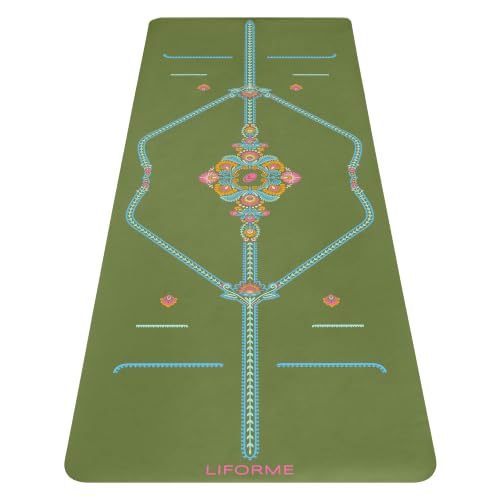
What We Like
- Patented AlignForMe alignment guides
- GripForMe surface grips more when wet
- Eco-friendly PVC-free materials
- Includes complimentary yoga bag
Trade-offs
- At 4.2mm, less cushioning for bony joints
- Heavier than many travel mats at 5.5 pounds
The patented AlignForMe markers provide visual cues for hand and foot placement in every pose, so you can focus on form instead of guessing where your limbs should go. This mat is longer and wider than many standard mats, giving you extra room to stretch out. Its GripForMe surface becomes grippier as you sweat, which helps maintain stability during intense sessions. The eco-polyurethane top and natural rubber base are PVC-free and use non-toxic inks, making the mat kind to your body and the planet.
The 4.2mm of cushioning is firmer under knees and elbows than thicker mats like the Manduka PRO (6mm). That thicker mat offers more padding for restorative or floor-based poses. At 5.5 pounds, it’s not the lightest mat to carry to class, though the included bag helps. If alignment feedback matters more than pillow-like padding, this mat delivers clear, built-in guidance.
Liforme Special Yoga Mat

What We Like
- Grippy when sweaty-wet
- Eco-friendly, non-toxic materials
Trade-offs
- At 5.5 lb, heavier than some mats
- 4.2 mm thickness offers less cushion than thicker mats
The Liforme Special Yoga Mat’s GripForMe material stays grippy even when you’re drenched in sweat, which is exactly what you want for hot yoga or any practice where your palms get slippery. At 72.8 inches long and 26.8 inches wide, it gives you plenty of room to stretch out without worrying about your hands or feet sliding off the edge. This mat suits anyone who prioritizes traction over plushness, especially if you tend to sweat a lot or practice in warmer rooms.
Gaiam Essentials Thick Yoga Mat
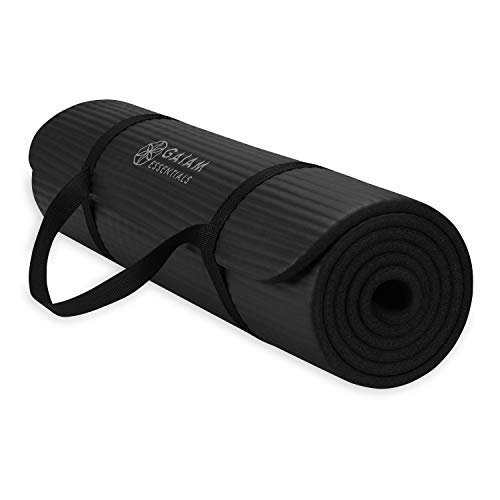
What We Like
- Extra-thick 10mm cushioning for joints
- Textured non-slip surface for dry workouts
- Lightweight at 2.8 lb with carrying strap
- Easy to clean with a damp cloth
Trade-offs
- Soft feel prioritizes comfort over firmness for stability
- NBR foam less durable than high-density alternatives
With 10mm of high-density NBR foam, this mat provides plush cushioning that reduces pressure on knees, hips, and joints, a real help if you’re working out on wood, tile, or concrete floors. The textured surface helps keep you stable during dry workouts, and at just 2.8 pounds with an included carrying strap, it’s easy to roll up and move between rooms. It’s designed for comfort, making it a good fit for beginners and low-impact routines like stretching, Pilates, or floor exercises.
The soft, cushioned feel prioritizes comfort over firmness, so it won’t offer the same stability as a denser mat for standing poses or balance work. You may notice a slight foam odor when you first unroll it, but airing it out for a day or two usually clears that up. If your practice focuses on gentle movement and you want joint cushioning on hard floors, this mat delivers, just don’t expect it to replace a firm studio surface.
Amazon Basics Extra Thick Yoga Mat

What We Like
- Extra thick 0.5-inch cushioning
- Lightweight at 2.2 pounds
- Textured grip surface for traction
- Includes elastic carrying strap
Trade-offs
- Hand wash only for cleaning
- At 24 inches wide, narrower than some alternatives
The Amazon Basics Extra Thick Yoga Mat uses 0.5 inches of NBR foam, which provides padded support and shock absorption for yoga, gym workouts, and everyday exercises. At 2.2 pounds, it is lightweight and includes an elastic carrying strap for easy transport. The textured grip surface offers extra traction to help keep the mat in place during workouts. This mat is suited for all fitness levels and is hand wash only for cleaning.
The Amazon Basics mat is made from NBR foam that stretches and springs back into shape, so it feels softer underfoot than a denser PVC mat like the Manduka PRO. Because it’s only 2.2 pounds and comes with an elastic carrying strap, you can easily roll it up and take it to the park or studio. That lightweight cushioning works well for floor exercises and gentle stretching, though people who want a very stable base for standing poses might prefer a heavier mat.
Product photos
Retrospec Solana Extra Thick Yoga Mat

What We Like
- 1-inch thick cushioning for joints
- Non-slip material for steady practice
- Includes nylon carrying strap
- Latex-free and BPA-free construction
Trade-offs
- At 72 inches, shorter than some studio mats
- Narrower than some premium mats at 24 inches wide
A full inch of padding separates this mat from the typical 4-6mm options you see in most studios. That means your knees, hips, and hands get serious relief during floor poses or kneeling sequences. That thick foam makes it a natural fit if you have sensitive joints or just prefer a softer surface for longer sessions. The non-slip material helps you hold your balance without sliding around, and the included nylon carrying strap means you can roll it up and bring it to class without wrestling with a loose mat under your arm.
The trade-off for that plush feel is a smaller footprint: 72 inches long and 24 inches wide. So taller practitioners or those who like a wide stance in warrior poses may find themselves reaching the edges. Compared to the Manduka PRO, which measures 71 by 26 inches, the Solana gives up some surface area for that extra cushion. If your priority is joint comfort over maximum real estate, this mat delivers where it counts.
Gaiam Premium Yoga Mat

What We Like
- 5mm cushion protects knees and wrists
- Textured non-slip surface for stable poses
- Made without six harmful phthalates
- Lightweight and portable with strap
Trade-offs
- Requires 2-3 days airing out before first use
- Narrower than many premium yoga mats
The 5mm thickness cushions your knees, wrists, hips, and spine during floor poses, giving you more comfort than a thin mat without the bulk of an extra-thick exercise mat. The textured non-slip surface provides traction and grip, so you can hold downward dog, warrior, and plank with confidence. It’s made without the six most harmful phthalates, which is a healthier choice for your home gym. Every mat comes with a free downloadable yoga workout to help you start or deepen your practice.
This mat needs to air out for 2-3 days before first use, as recommended by the manufacturer. The 68-inch length is standard for many yoga mats, but if you’re taller, the Manduka PRO offers a 71-inch length for more room. For most people, this mat balances comfort, portability, and grip at a thickness that works for both yoga and floor workouts.
Product photos
YOGATI Yoga Mat with Alignment Lines

What We Like
- Dense foam cushions joints without sacrificing stability
- Lightweight with included carrying strap for portability
- Laser-etched center markings for palm and heel placement
Trade-offs
- At 24 inches wide, less room for broad-shouldered poses
- 6 mm thickness offers less cushion than thicker mats
The laser-etched center markings show exactly where your palms and heels belong, taking the guesswork out of poses like downward dog or warrior. That direct visual feedback helps beginners build correct muscle memory from day one, while experienced yogis can use the same lines to fine-tune their symmetry. The textured closed-cell surface holds hands and feet steady through hot flows, planks, lunges, or downward dog, so you won’t slide during a sweaty sequence. At just 1.9 pounds and with an included shoulder harness, this mat rolls tight and travels easily between home, studio, or park.
At 24 inches wide, this mat is narrower than the Liforme Printed Yoga Mat (26.8 inches). Taller or broader-shouldered practitioners may find their hands or feet stray off the edge during wide-legged poses. The 6 mm dual-layer TPE also provides less cushion than the 10 mm Gaiam Essentials Thick Yoga Mat, which some might prefer for extra knee or spine padding on hard floors. But for anyone who values clear positional guidance and a non-slip surface in a lightweight, portable package, this mat delivers exactly what the alignment-focused beginner needs.
Product photos
How We Evaluated Yoga Mats
We started by examining the materials, thickness, and dimensions of each mat from official product data. We then cross-referenced those specs with patterns in user feedback from thousands of reviews, noting what owners consistently praised or flagged as trade-offs. Expert round-ups from yoga instructors and studio owners helped us understand which features actually matter for different practice styles.
Four criteria mattered most for this category. Grip came first, a mat that shifts during standing poses is unsafe and frustrating. We looked at surface texture, material (natural rubber vs. PVC vs. Foam), and how each mat performs when wet. Cushioning was next, with thickness ranging from 4.2mm to 1 inch, because joint comfort directly affects how long you can practice. Portability weighed weight and included carrying straps against durability. Finally, durability covered material quality, warranty terms, and whether the mat holds up to daily use.
A research-led evaluation has limits: we haven’t sweated on every mat ourselves, and individual preferences for firmness or texture vary. Our goal is to give you the honest trade-offs so you can decide which compromises fit your practice. If you also want to protect your feet during standing poses, check our guide on the best yoga shoes for studio and travel use.
What To Look For In Yoga Mats
Choosing a yoga mat is about matching its physical properties to your body, your practice style, and your lifestyle. The perfect mat for a hot yoga enthusiast is different from the ideal mat for a restorative practitioner with sensitive knees.
Choose a mat that stays put when you push, cushions what hurts, and is light enough to carry where you practice. The material determines grip and eco-friendliness; the thickness determines joint comfort; the weight determines portability.
Material and Grip
The material of your mat dictates how it grips the floor and your hands. PVC mats like the Manduka PRO offer excellent durability and a closed-cell surface that repels moisture and bacteria. Natural rubber mats like the JadeYoga Harmony provide superior grip that actually improves when you sweat, but they are open-cell, meaning they absorb moisture and need more frequent cleaning. TPE and NBR foam mats are lighter and more affordable but less durable.
Thickness and Cushioning
Thickness directly affects joint comfort and stability. A 6mm mat like the Manduka PRO offers a good balance of cushion and stability for most practitioners. Extra-thick mats at 10mm or even 1 inch, like the Retrospec Solana, are ideal for sensitive knees and wrists but can feel unstable for standing balance poses. Thinner mats (4-5mm) provide better ground feel and stability for advanced practitioners but offer less joint protection on hard floors.
Weight and Portability
If you carry your mat to a studio, weight matters. The Manduka PRO is a durable 7.5 pounds, great for home, heavy for the commute. The Manduka PROlite cuts that to 4.6 pounds while keeping the same durability. Budget mats like the Gaiam Essentials are even lighter at 2.8 pounds and include carrying straps. For studio-goers, a mat that’s easy to carry makes the difference between showing up and staying home.
Size and Alignment Features
Standard mats are 68 inches long and 24 inches wide. Taller practitioners (over 5’8″) should look for 72-inch or longer mats. Width matters for broad-shouldered poses and wider stances. Some mats, like the Liforme, include printed alignment guides that help beginners position hands and feet correctly. The YOGATI mat uses laser-etched markings for palm and heel placement, which can speed up learning proper form.
- Check the mat’s length against your height, aim for at least 6 inches above your head.
- Test the width: 26-inch mats give more room for wide-legged poses.
- Look at the warranty: a lifetime guarantee signals confidence in durability.
- Consider the break-in period: some PVC mats need a few sessions to fully grip.
- Match the mat to your primary practice: hot yoga needs moisture resistance; gentle yoga needs cushion.
A good mat should feel boringly reliable, you shouldn’t think about it during practice.
Yoga Mats Compared
The table below compares the key specs of our top ten yoga mats side-by-side, making it easy to see differences in thickness, weight, and material at a glance.
| Product | Thickness | Weight | Material | Dimensions |
|---|---|---|---|---|
| Manduka PRO Yoga Mat | 6 mm | 7.5 lb | OEKO-TEX certified PVC | 71 x 26 in |
| Manduka PROlite Yoga Mat | 4.7 mm | 4.6 lb | OEKO-TEX certified PVC | 71 x 24 in |
| JadeYoga Harmony Yoga Mat | 3/16 in (0.2 in) | 4.2 lb | Natural open-cell rubber | 68 x 24 in |
| Liforme Printed Yoga Mat | 4.2 mm | 5.5 lb | Eco-polyurethane + natural rubber | 72.8 x 26.8 in |
| Liforme Special Yoga Mat | 4.2 mm | 5.5 lb | Eco-polyurethane & rubber | 72.8 x 26.8 in |
| Gaiam Essentials Thick Yoga Mat | 10mm (2/5 in.) | 2.8 lb | NBR foam | 68"x24" |
| Amazon Basics Extra Thick Yoga Mat | 0.5 inches | 2.2 lb | NBR foam | 74 x 24 inches |
| Retrospec Solana Extra Thick Yoga Mat | 1 inch | 2.2 lb | Latex-free, BPA-free | 72"x24"x1" |
| Gaiam Premium Yoga Mat | 5 mm | 2.6 lb | 6P-free PVC | 68"x24" |
| YOGATI Yoga Mat with Alignment Lines | 6 mm | 1.9 lb | Dual layer TPE | 72 x 24 in |
Frequently Asked Questions
How thick should my yoga mat be for joint comfort?
For most practitioners, a 5-6mm mat provides a good balance of cushion and stability. If you have sensitive knees or wrists, look for 10mm or thicker mats like the Gaiam Essentials or Retrospec Solana. Thinner mats (4mm) offer better ground feel for balancing poses but less joint protection.
What is the best material for a non-slip yoga mat?
Natural rubber offers the best grip, especially when wet, making it ideal for hot yoga. PVC mats like the Manduka PRO provide reliable grip with a closed-cell surface that resists moisture. NBR foam mats are less grippy but more affordable and lightweight.
How do I clean my yoga mat properly?
Mix a few drops of mild dish soap with water in a spray bottle, lightly mist the mat, and wipe with a soft cloth. For natural rubber mats, use a specialized mat cleaner to avoid degrading the material. Avoid soaking the mat or using harsh chemicals. Pat it dry before rolling it up.
Are expensive yoga mats worth the money?
Higher-priced mats typically use better materials, offer longer warranties, and last years longer than budget alternatives. The Manduka PRO’s lifetime guarantee means you buy it once. Budget mats are fine for beginners or occasional use, but serious practitioners often find the investment in a premium mat pays off.
What is the difference between closed-cell and open-cell mats?
Closed-cell mats (like the Manduka PRO) have a non-porous surface that resists moisture, sweat, and bacteria, they are easier to clean and more hygienic. Open-cell mats (like natural rubber) are more porous, offering better grip when wet but absorbing sweat and requiring more frequent cleaning.
The Bottom Line
The Manduka PRO Yoga Mat is our best overall pick for anyone who wants a stable, durable mat for daily home practice. Its lifetime guarantee and 6mm cushioning make it a buy-it-for-life investment for serious practitioners. If you carry your mat to a studio, the Manduka PROlite gives you the same durability at nearly half the weight.
For budget-conscious shoppers, the Gaiam Essentials Thick Yoga Mat offers impressive 10mm cushioning at a fraction of the cost. If you practice hot yoga or sweat heavily, the Liforme Special Yoga Mat‘s grip that improves when wet is worth the premium. Beginners will appreciate the alignment guides on the Liforme Printed or YOGATI mats.
The single most important factor in choosing a yoga mat is matching it to where and how you practice. A mat that works well at home on carpet may slip on a studio’s hardwood floor. A mat that’s perfect for gentle stretching may feel unstable during vinyasa flow.
Consider your practice, your joints, and your commute, and if you practice in cooler spaces, a pair of yoga socks or grip socks for women can add traction without a new mat. For men, we also have a guide on men’s yoga socks for better grip in standing poses.
