
10 Best Yoga Shoes in 2026
This post contains affiliate links. As an Amazon Associate, we earn from qualifying purchases.
The best yoga shoe lets your feet move, grip, and breathe the way they were designed to. After reviewing specs, owner feedback, and expert guidance, we recommend the RUFONE Hiking Barefoot Shoes as the best overall. Its zero-drop sole, wide toe box, and non-slip grip work for both studio practice and outdoor walks. The WHITIN Men’s Fashion Barefoot Shoes are a top choice for those who need extra room in the toe box, while the WCIDFY Barefoot Shoes Women offer a budget-friendly option that doesn’t compromise on barefoot feel.
Real yoga practitioners know that thick, cushioned sneakers get in the way of balance and ground feel. What matters is a thin, flexible sole, a wide toe box for toe splay, and a zero-drop design that keeps your heel level with your forefoot. Without those three things, holding a tree pose or transitioning through a vinyasa feels clumsy and unstable.
We built this guide by combing through manufacturer specifications, expert round-ups on barefoot footwear, and patterns in owner reviews across dozens of models. You will find ten picks organized by specific needs, wide toe boxes, travel-friendly designs, arch support, and more, so you can zero in on the pair that fits your practice and your feet.
Top 10 Yoga Shoes in the Market
Certain content that appears on this site comes from Amazon. This content is provided "as is" and is subject to change or removal at any time.
The Best Yoga Shoes, Reviewed
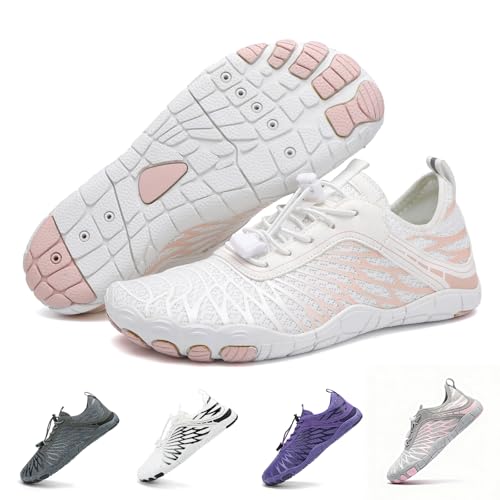
RUFONE Hiking Barefoot Shoes
What We Like
- Zero drop sole for natural stride
- Wide toe box relieves toe pressure
- Non-slip grip on wet surfaces
- Breathable mesh keeps feet cool
Trade-offs
- Minimalist sole offers limited impact protection
- No arch support for high-arched feet
A zero drop, minimalist sole and a wide toe box that lets toes spread naturally are the two features that make this shoe stand out for yoga and everyday movement. The non-slip rubber outsole grips wet pavement and slick tile, so you can transition from a sweaty studio to a rainy sidewalk without swapping shoes. Breathable mesh keeps feet cool during long flows or walks, and the elastic drawstring collar means no laces to trip over, just step in, pull, and go. The shoe is designed for hiking, trail walking, running, gym, weightlifting, yoga, pilates, and casual wear, so it works for a range of activities.
The trade-off is that the minimalist sole provides only enough protection for gravel and pavement, it won’t cushion high-impact runs or jumps the way a thicker sole would. The RUFONE includes drainage mesh for wet conditions and a sock-like fit that suits sensitive feet, as noted in the product features. If you need arch support or a lot of padding underfoot, this isn’t the shoe for you. But if you value ground connection, toe freedom, and versatility across yoga, water, and trail, this is the one to grab.
Product photos
WHITIN Men's Fashion Barefoot Shoes

What We Like
- Wide toe box for natural splay
- Zero-drop sole improves posture
- Removable sockliner fits orthotics
- Flexible rubber sole for free movement
Trade-offs
- No arch support built into sole
- Not suited for trail hiking or rugged terrain
The wide toe box is the standout feature, giving your toes room to spread naturally for a more stable, less cramped feel than standard narrow shoes. The zero-drop sole keeps your heel and toe level, which encourages better posture and a more grounded stance. If you want your feet to move freely without the constraints of typical footwear, this pair delivers that experience.
There is no built-in arch support, since the flat sole lets your foot do its own work. That’s great for building foot strength over time, but if you’re used to a cushioned arch, you might feel the difference at first. It’s a solid match for anyone who wants a minimalist shoe that prioritizes toe space and natural movement over extra padding.
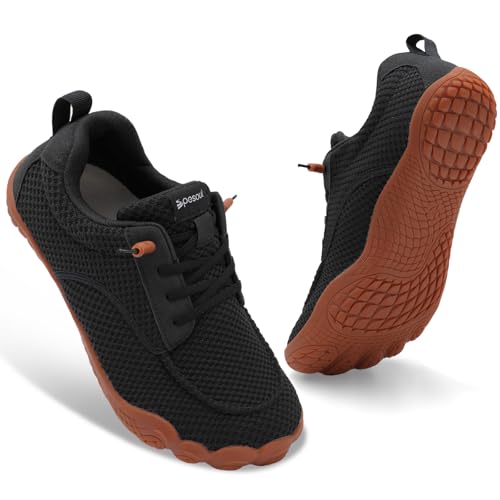
Spesoul Mens Barefoot Hiking Shoes
What We Like
- Weighs only 0.7 pounds
- Zero-drop design for natural stride
- Wide toe box accommodates bunions
- Breathable knit upper for comfort
Trade-offs
- Flexible sole offers light grip, not rugged traction
- Best for light hiking, not technical terrain
At 0.7 pounds, these are among the lightest options in this guide, which makes them feel like you are barely wearing anything at all. That weight, combined with the zero-drop platform and wide toe box, lets your feet move naturally and spread out as you walk, whether you are on a trail or the gym floor. The breathable knit upper wraps like a second skin, so they work great for anyone who wants a minimalist feel without sacrificing foot room, especially if you have wide feet or deal with swelling.
The flexible rubber sole is designed for light hiking and casual walking, not for heavy-duty traction on rough terrain. If you need more aggressive tread for technical trails, consider a shoe with a deeper lug pattern. But for daily walks and easy trail days, the Spesoul keeps things simple and comfortable, and at this weight, they are easy to pack.
Product photos
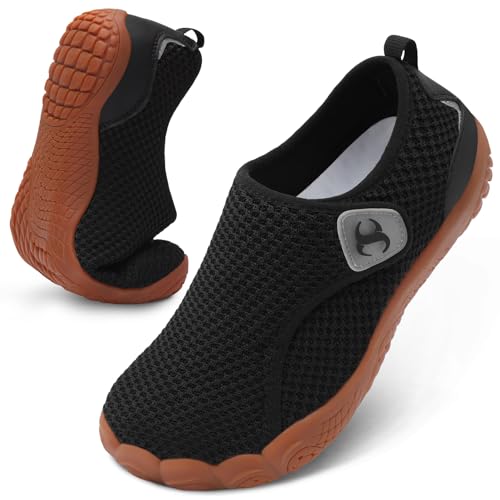
Scurtain Wide Toe Box Walking Shoes
What We Like
- Extra wide toe box allows natural toe splay
- Adjustable straps for personalized secure fit
- Zero drop sole promotes natural foot positioning
- Removable honeycomb insole reduces sweat and odor
Trade-offs
- Zero drop offers less cushioning for hard surfaces
- Slip-on design lacks heel lockdown for dynamic activities
The extra wide toe box gives your toes room to spread naturally during long walks or all-day wear, so you won’t feel pinched even after hours on your feet. Combined with the adjustable straps, you get a fit that adapts to different foot shapes without the hassle of laces. That means people with wider feet or anyone wanting a barefoot feel can wear these comfortably all day, without pressure points.
The slip-on design and zero drop sole don’t lock your heel in place the way a laced shoe would for faster movement. The WHITIN Men’s Fashion Barefoot Shoes also use a zero drop platform, but the Scurtain focuses on width and easy adjustability rather than a snug performance fit. If all-day comfort is your priority, this shoe delivers.
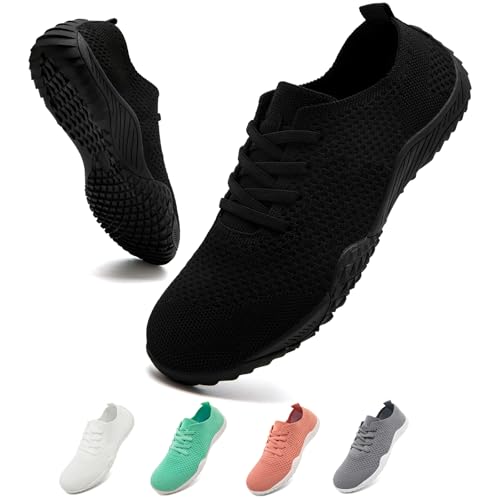
WCIDFY Barefoot Shoes Women
What We Like
- Breathable mesh upper keeps feet cool
- Zero-drop design supports natural posture
- Thin sole enhances ground feel for balance
- Flexible and foldable for easy travel
Trade-offs
- Thin sole offers minimal cushioning on hard floors
- Limited arch support for long standing sessions
A zero-drop sole and thin flexible rubber bottom let your feet move naturally, which is exactly what you want when you’re trying to feel the floor during yoga or a light walk. The breathable mesh upper keeps air moving, so your feet stay comfortable even when you start to warm up. This pair focuses on letting your foot do its job without extra bulk.
That thin sole makes every bump and seam on tile or hardwood noticeable. If your practice involves a lot of kneeling or standing in one spot, you might miss a bit more padding. The RUFONE Hiking Barefoot Shoes are designed as water shoes for walking and swimming, but the WCIDFY stays simple and lightweight. It’s a practical choice for those who prioritize ground connection over plush comfort.
Product photos
Spadeer Men's Walking Barefoot Shoes
What We Like
- Wide toe box reduces pinching and pressure
- Arch support insole for stability and comfort
- Thin flexible sole for natural ground feel
- Breathable mesh keeps feet cool and dry
Trade-offs
- Men should order one size up for proper fit
- Men must order one size up for fit
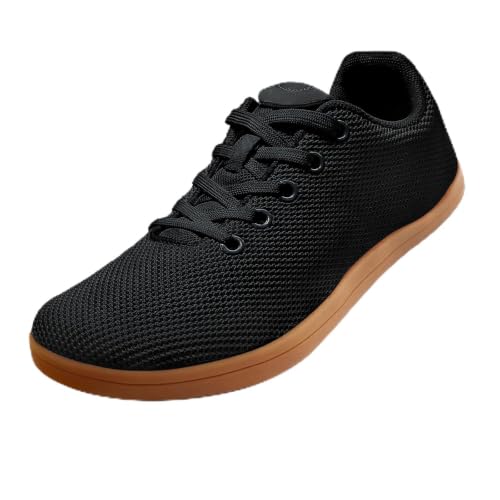
The built-in arch support insole sets these barefoot shoes apart from most minimalist options, providing stability and reducing fatigue during long walks. While many zero-drop shoes leave your arches to fend for themselves, Spadeer adds structured support to keep your stride steady. The wide toe box lets toes spread naturally, so you avoid the pinching that can ruin a day on your feet.
The thin flexible sole provides natural ground contact and reliable traction on various surfaces. The breathable mesh upper helps keep feet cool and dry during extended wear. Men should order one size up for proper fit, so check your size before you buy.
Product photos
Barezoey New Barefoot Shoes
What We Like
- Wide toe box lets toes spread freely
- Zero drop promotes natural alignment
- Non-slip rubber outsole for reliable traction
Trade-offs
- Ultra-thin sole offers minimal protection from sharp objects
- Not suitable for rocky or sharp terrain hiking.
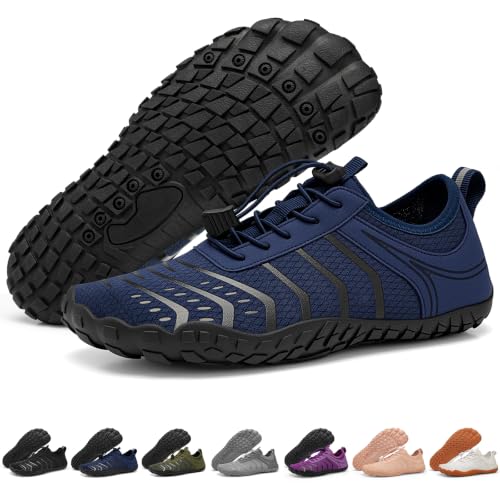
The ultra-thin sole brings you closer to the ground for a true barefoot feel. But that same thinness means it is not designed for rocky trails where sharp objects could be a concern. The RUFONE Hiking Barefoot Shoes also offer a barefoot feel, while the Barezoey focuses on lightweight, breathable comfort for everyday and outdoor use. If you want a minimalist shoe that promotes natural movement and foot strength, this one delivers without extra bulk.
AIRHAS Womens Gym Barefoot Shoes
What We Like
- Zero-drop sole supports natural foot posture
- Breathable stretchy knit upper
- Two wearing modes for barefoot feel
- Flexible rubber outsole with good traction
Trade-offs
- Thin sole offers less cushioning for high-impact moves
- Not designed for hiking or water use
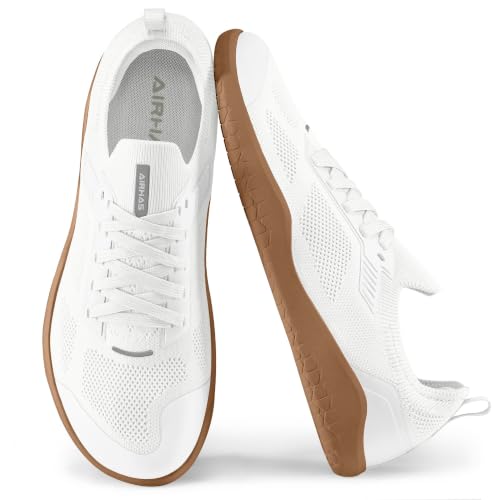
A zero-drop, flexible sole that weighs just 0.9 pounds lets your feet move naturally during dynamic gym sessions. That makes them a smart pick for cross training and yoga flows where you need ground feel and agility. The stretchy knit upper breathes well and adapts to your foot shape. Two wearing modes, keeping the insole in or taking it out, let you dial in exactly how much barefoot sensation you want. This design suits anyone who wants to strengthen foot muscles and improve balance without sacrificing comfort during lifts or stretches.
The thin, flexible sole lets you feel the ground clearly during lifts and yoga poses. But it gives less impact protection than a padded shoe, so explosive jumps or heavy box drops might feel jarring. The RUFONE Hiking Barefoot Shoes target hiking and water use, whereas the AIRHAS is built for gym, yoga, jogging, and daily wear with its breathable knit upper and lightweight design.
Product photos
Nufoot Futsole Soft-Sided Shoes

What We Like
- 4-way stretch Lycra for barefoot feel
- Foldable design with included pouch
- Non-slip rubber sole for grip
- Breathable fabric keeps feet cool
Trade-offs
- No ankle or arch support for long walks
- Thin sole offers minimal ground protection
A 0.8-pound shoe that folds into its own pouch is the whole point here, this is for the person who wants yoga footwear that disappears into a bag or car console. The 4-way stretch Lycra wraps your foot like a snug sock, giving that barefoot feel while the flexible rubber sole keeps you from sliding on wood or gym floors. It suits travelers, studio-hoppers, or anyone who hates packing bulky shoes for a quick class. The drawstring pouch makes it easy to stash, and the breathable fabric means you won’t overheat during a flow session.
That thin, flexible sole is great for feeling the floor in a downward dog. But it won’t cushion your feet on a gravel path or support arches during a long walk. The RUFONE Hiking Barefoot Shoes are designed for hiking and trail use, whereas the Nufoot is best for indoor or smooth-surface use. If your yoga practice stays on a mat or studio floor and you value packability above all, this is your pick. Just don’t expect it to double as a hiking shoe.
Product photos
MUQGAOP Tai Chi Shoes

What We Like
- Elastic side panels for easy on/off
- Lightweight and flexible for natural movement
- Breathable fabric upper helps keep feet comfortable
Trade-offs
- Slip-on design lacks lace adjustability for snug fit
- Not suited for rugged hiking or uneven trails
At 0.7 pounds, these shoes are light enough for easy movement during warm-ups, forms practice, and indoor training. The flexible sole supports natural foot motion, while the breathable fabric upper and elastic side panels let you slip them on and off without laces. They are designed for tai chi, kung fu, martial arts, walking, and daily wear, offering a simple, traditional-inspired style that works for both men and women.
You don’t get any lace adjustment, so if your feet are narrow or you prefer a locked-in fit, the elastic may feel a bit loose during more dynamic movements. The WHITIN Men’s Fashion Barefoot Shoes offer a lace-up closure and a wider toe box for natural splaying. The MUQGAOP focuses on slip-on convenience rather than a customizable fit. Still, for tai chi, kung fu, martial arts practice, walking, and daily wear, the simplicity and breathability make it a practical, no-fuss option.
Product photos
How We Evaluated Yoga Shoes
Our evaluation started with the core biomechanics of yoga: a shoe must allow the foot to bend, spread, and grip the mat. We looked at sole thickness, drop height, toe-box width, and outsole traction as the non-negotiable specs. Zero-drop and minimal cushioning were prerequisites for any shoe to make the list.
We also weighed material quality and breathability, since a hot, sweaty foot inside a synthetic upper is miserable during a long session. Owner feedback patterns told us which models hold up to frequent washing and which develop odors or loose stitching. We prioritized shoes that owners describe as comfortable straight out of the box with no break-in period.
An evaluation based on research has limits. Every recommendation is based on published specs, expert consensus on what makes effective yoga footwear, and what real buyers report after weeks and months of use. The data and the crowd guide our picks.
What To Look For In Yoga Shoes
Choosing yoga shoes is different from buying running shoes or casual sneakers. The right pair disappears on your foot and lets you feel the mat beneath you.
A yoga shoe needs a zero-drop, thin sole that lets you feel the ground. It also needs a wide toe box for natural splay and a grippy outsole that won’t slide on a mat or smooth studio floor.
Sole Design and Drop
The most important spec is the drop, the height difference between heel and forefoot. Yoga demands a zero-drop shoe so your foot sits flat, the way it does when you are barefoot. A raised heel throws off alignment in standing poses and makes balancing poses harder. Look for a sole thickness of 4 to 8 millimeters; anything thicker mutes the ground feel you need for stability. The sole design of a barefoot-style shoe prioritizes sensory feedback over impact protection, which is exactly what yoga requires.
Toe Box Shape
A narrow toe box crowds your toes together, which limits your ability to spread your weight evenly through the foot. In poses like warrior II or wide-legged forward fold, you need your toes to splay for a stable base. Look for a foot-shaped toe box, one that widens toward the front rather than tapering to a point. The WHITIN and Scurtain models on our list are built around this principle, and owners with bunions or wide feet consistently report relief from toe pressure.
Outsole Traction and Upper Material
Yoga mats can be slick, especially when your palms or feet sweat. A non-slip rubber outsole with a simple tread pattern gives you grip without catching on the mat. Avoid aggressive lugs that dig into a studio floor. The upper should be breathable, mesh or knit fabrics let air circulate and prevent overheating during a flow. Some models, like the AIRHAS, offer a stretchy knit that moves with the foot during dynamic transitions.
- Check that the outsole is smooth or lightly textured, not deeply lugged.
- Look for removable insoles if you use custom orthotics.
- Choose a shoe that is machine-washable or easy to hand-wash.
- Confirm the shoe has a secure closure, laces, straps, or elastic panels that keep the heel from slipping.
- Try the shoe on with the socks you plan to wear in the studio.
A good yoga shoe should feel like a second skin, you should forget you are wearing it by the third pose.
Yoga Shoes Compared
The table below compares all ten picks across the specs that matter most for yoga practice: sole design, toe-box shape, weight, and traction.
| Product | Drop | Sole / Outsole | Upper Material |
|---|---|---|---|
| RUFONE Hiking Barefoot Shoes | Zero drop | Non-slip rubber | Breathable knit mesh |
| WHITIN Men's Fashion Barefoot Shoes | Zero-drop | Non-slip rubber | N/A |
| Spesoul Mens Barefoot Hiking Shoes | Zero drop | Flexible rubber, grippy | Breathable knit |
| Scurtain Wide Toe Box Walking Shoes | Zero drop | Non-slip rubber | N/A |
| WCIDFY Barefoot Shoes Women | Zero-drop | Thin flexible rubber | Breathable mesh |
| Spadeer Men's Walking Barefoot Shoes | Zero drop | Thin flexible anti-slip rubber | Breathable mesh fabric |
| Barezoey New Barefoot Shoes | Zero drop | Non-slip rubber | Breathable mesh |
| AIRHAS Womens Gym Barefoot Shoes | Zero-drop | Rubber with unique texture | Stretchy knit |
| Nufoot Futsole Soft-Sided Shoes | N/A | Flexible rubber with non-slip traction | 4-way stretch Lycra |
| MUQGAOP Tai Chi Shoes | N/A | Textured nonslip rubber | Breathable fabric |
Frequently Asked Questions
Can I wear regular sneakers for yoga?
Regular sneakers usually have a raised heel and thick cushioning, which make balancing poses harder and reduce ground feel. A zero-drop, minimal sole is better for yoga because it lets your foot move naturally and grip the mat.
Do I need special shoes for yoga, or can I go barefoot?
Many people practice yoga barefoot, and that is perfectly fine. Shoes are useful if you walk to the studio, practice outdoors on rough surfaces, or prefer the hygiene of a barrier on shared studio floors. Barefoot-style shoes mimic the barefoot experience while adding grip and protection.
What is the difference between yoga shoes and Pilates shoes?
Yoga shoes emphasize ground feel and toe splay, while shoes for Pilates often need a smoother sole that allows sliding on a reformer. Yoga shoes typically have thin, flexible rubber outsoles; Pilates shoes may have a split sole or a wrap-around design. Check the studio’s policy before buying either.
How should yoga shoes fit?
Your toes should have room to spread fully without hitting the front of the shoe. The heel should stay in place without slipping, and the upper should feel snug but not tight. If you wear toe spacers or yoga socks for grip, bring them when you try on shoes.
Can I wear yoga shoes for walking or running?
Yoga shoes are designed for low-impact movement on smooth surfaces. They work well for walking on pavement or light trails, but the thin sole offers little impact protection for running. For running, switch to a shoe with more cushioning and a higher drop.
The Bottom Line
The RUFONE Hiking Barefoot Shoes earn the best overall spot because they combine everything a yoga practitioner needs. They offer a zero-drop sole, wide toe box, and non-slip grip in a package that also works for hiking and daily wear. If you have wide feet or bunions, the WHITIN Men’s Fashion Barefoot Shoes give you even more room in the toe box without sacrificing flexibility.
Budget-minded shoppers should look at the WCIDFY Barefoot Shoes Women, which deliver a breathable, zero-drop design at a price that leaves room for a good mat and a pair of yoga clothes. And if you travel often, the foldable Nufoot Futsoft Soft-Sided Shoes pack down small enough to toss in a carry-on for studio sessions on the road.
The single most important factor in choosing yoga shoes is sole thickness. Pick the thinnest sole you are comfortable with, and your feet will thank you in every downward dog.
