
CrossFit Pros and Cons: What the Research Actually Shows
This post contains affiliate links. As an Amazon Associate, we earn from qualifying purchases.
That second line, who is watching, is the part you actually control. The injury figures swing wildly because the studies count different groups under different supervision, and that variation is where a beginner has real room to gain. Weighing the crossfit pros and cons comes down largely to who is watching.
What follows is the evidence as it stands, including the places where the papers contradict each other, plus the practical version: how to test a class without wrecking your shoulder in week two.
Key Takeaways
- Shoulders lead at 26% of reported injuries in the 2022 review, with spine at 24% and knee at 18%.
- Recovery runs 48 to 72 hours after a hard challenge session, per a 2024 scoping review of 68 papers.
- Switching between prescribed and scaled loads is the one modifiable risk factor a 2022 review could flag, which complicates the usual “just scale it” advice.
- Only 2 of 31 studies in the 2018 meta-analysis rated high-evidence and low-bias, so confident safety claims in either direction deserve suspicion.
- Prior injury raises re-injury risk, and one orthopedic review recommends a pre-participation exam before you start.
What CrossFit Actually Asks of Your Body
A standard class splits into three parts: a warm-up, a strength or skill block, and a conditioning piece scored on a whiteboard.
A CrossFit session combines a warm-up, a strength or skill segment, and a metabolic conditioning piece, completed in a class of mixed ability. The 2024 scoping review of 68 papers reports a 48 to 72 hour recovery window after a challenge session, which sets the practical ceiling on weekly frequency.
The format is what separates it from a normal gym hour when you compare a crossfit pros and cons. You rotate stations, the clock is visible, and the last third of the session happens while you are tired. That is the design, not a defect.
Fatigue is where technique goes. A deadlift near your working max is a different movement when your grip is shot and your heart rate is climbing. (Check with a doctor first if you have a cardiac or joint history that makes that sentence uncomfortable.)
The scoping review behind those recovery numbers is worth reading in full: CrossFit physical demands scoping review.
Hands take a beating before anything else does. High-rep pull-ups and toes-to-bar tear skin long before they strain a muscle, which is why many regulars end up in gymnastics grips.
The Injury Numbers, and Why the Range Is So Wide
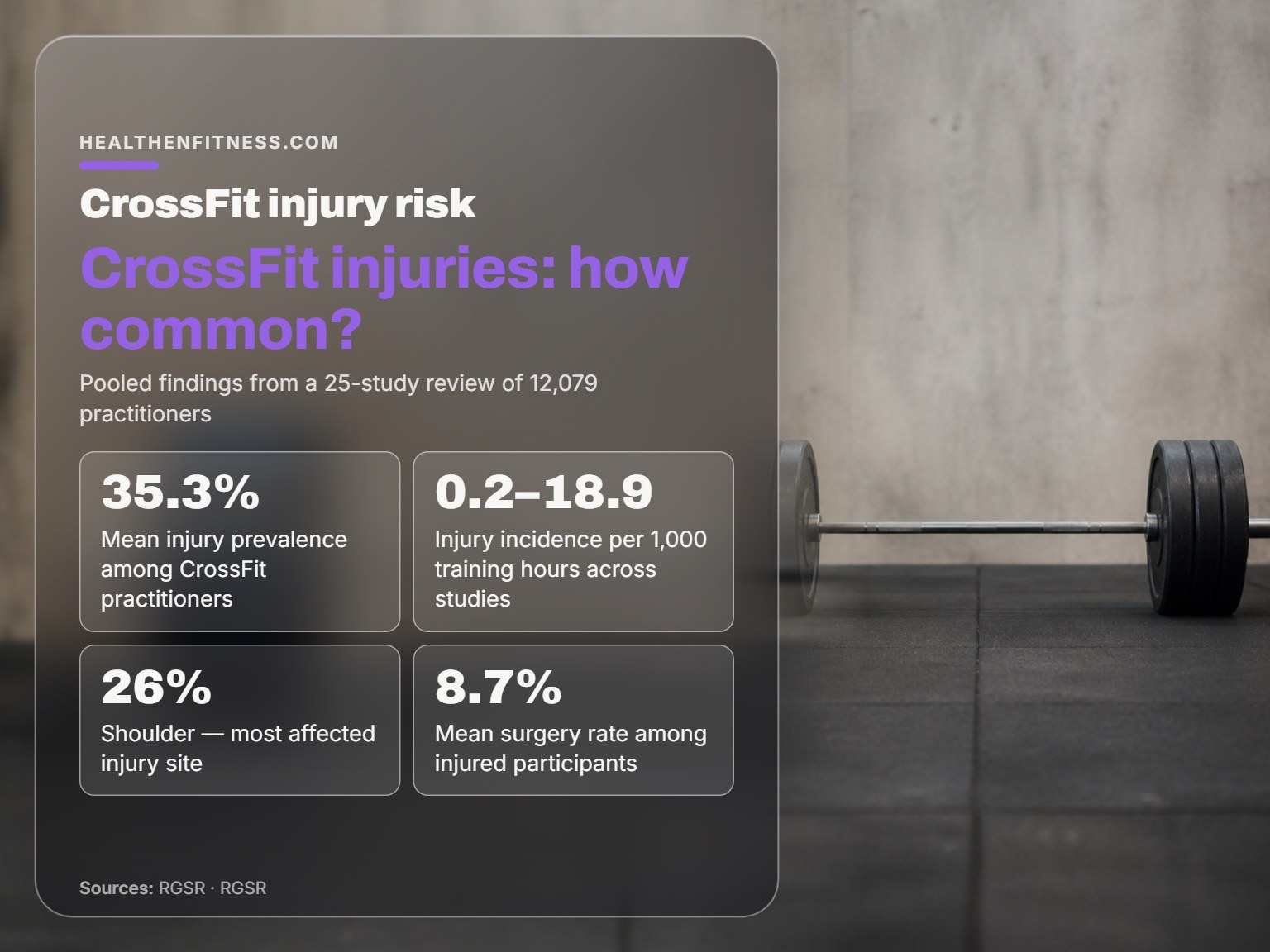
0.2 to 18.9 injuries per 1,000 training hours is the entire reported range, and that spread is the actual finding.
The same 2022 review puts mean injury prevalence at 35.3% and the mean surgery rate among injured participants at 8.7%. Those are three different measurements of one population, so do not add them together.
Where the injuries land is more consistent:
| Injury site | Share of reported injuries | Typical mechanism |
|---|---|---|
| Shoulder | 26% | Overhead reps and kipping done while fatigued |
| Spine | 24% | Loaded flexion after the midline gives out |
| Knee | 18% | Squat and lunge volume on tired quads |
Common mistake: Comparing a 35.3% prevalence figure to an incidence rate from a different study. Prevalence counts everyone who got hurt in a window; incidence counts injuries per hour trained. They are not the same number and they do not convert.
Knees complain first in high-volume lunge and squat cycles, and a pair of knee sleeves keeps the joint warm between sets. That is a comfort measure. It won’t prevent an injury on its own.
The crossfit pros and cons range exists because studies recruit different people. A review that surveys competitive athletes finds a different number than one that follows a beginner program. Supervision differs too, and that is the variable you can shop for.
Where the Research Genuinely Disagrees
The papers do not agree with each other, and any article that flattens them into one confident answer is selling you something.
| Question | One position | The counter-position |
|---|---|---|
| Risk versus other strength sports | Comparable to Olympic weightlifting, powerlifting, and gymnastics | Only 2 of 31 studies rated high-evidence, no significant pooled effect |
| Quality of the evidence base | Evidence Level III, comparability asserted | 11 of 12 studies rated poor on the NIH tool |
| Scaling loads | Standard advice: scale as needed | Switching prescribed to scaled loads flagged as a risk factor |
| Rhabdomyolysis | Not emphasized in orthopedic reviews | An extreme conditioning session may precipitate it |
Start with the orthopedic review: CrossFit benefits and risk overview places injury risk alongside Olympic weightlifting, powerlifting, and gymnastics, and below rugby union and rugby league, though the meta-analytic work says the underlying studies are too weak to confirm comparability. It carries an Evidence Level III label, which means expert interpretation rather than hard trial data.
Then read the other side. The CrossFit overview meta-analysis reviewed 31 articles and pooled just 4. It found no significant effect for any variable. A separate systematic review of CrossFit injury rates rated 11 of its 12 included studies poor on the NIH quality tool.
So the honest summary is this: the narrative reviews say CrossFit looks like other strength sports, and the meta-analytic work says the underlying studies are too weak to confirm it. Both can be true at once.
The rhabdomyolysis question sits in the same fog. A 2018 narrative review in BMJ Open Sport and Exercise Medicine states that an extreme conditioning session may precipitate rhabdomyolysis depending on intensity, duration, and training status. The orthopedic review does not emphasize it. Neither source gives a rate, so I will not invent one.
One more wrinkle worth knowing. A military review concluded that high-intensity functional training does not pose greater risk than standard military PT when measured on the common per-1,000-hour metric. That conclusion flips depending on which denominator you pick, which tells you how much of this debate is about measurement rather than physiology.
The Coaching Problem Nobody Puts on the Brochure
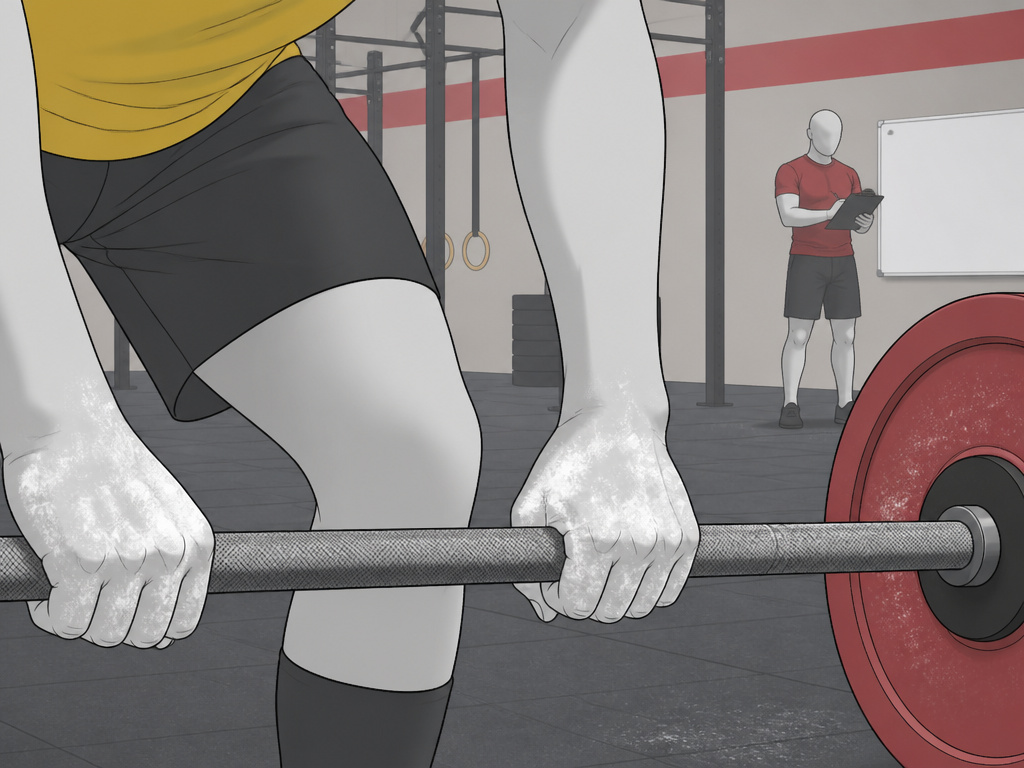
You are eight minutes into a workout, your grip is gone, and the coach is across the room counting reps for somebody else.
That is the real risk multiplier. It is arithmetic. A 2015 critique published through the American Society of Exercise Physiologists argued that fitness leaders lack industry-specific education and questioned whether a Level 1 certification is sufficient on its own. The CrossFit musculoskeletal injury risk factors review lands in a similar place from a different direction: it flags novices and load-increasers as the sub-population needing closer coach supervision.
My own rule came out of a comparison I did not expect. I have taken big cardio classes, and they are genuinely fun. Nobody is watching your form when you are tired. The best value I have found is a small-group strength class with a coach who actually watches your squat and deadlift. I picked up a hip hinge fix in one session that I had failed to get right alone for months.
I will not join a CrossFit-style class without knowing the coach-to-athlete ratio first. A workable ratio means the coach can actually watch your form; a very high ratio means you are paying for a whiteboard and a playlist.
Ask these before you sign anything:
- How many people are in a typical class, and what is the cap?
- Does the coach hold anything beyond a weekend certification?
- Who watches the room while the coach is demonstrating a lift?
- What happens when someone cannot do a movement as prescribed?
That last one matters most. The answer tells you whether scaling is a coached decision or something you figure out alone at the back of the room.
Which Parts of CrossFit Are Worth It?
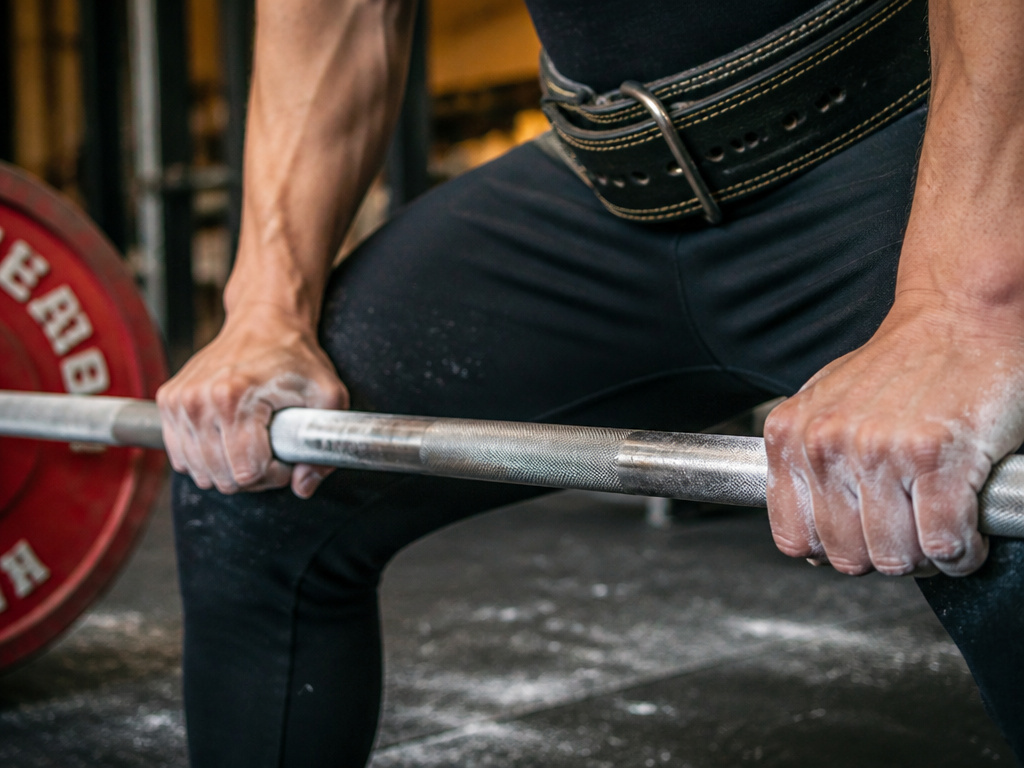
The barbell work is the part that travels.
The lifts that carry over
Squats, deadlifts, presses, and loaded carries show up in every class, and they are the same patterns you would train in any decent strength training program. You practice them under a clock, which is a mixed blessing, but you do practice them.
The hip hinge is the one I care about. Push your hips back with a flat back and you protect your spine over the long run. Gyms rarely teach it, because machines are easier to sell.
If you plan to lift under fatigue, a lifting belt gives your trunk a wall to brace against. It won’t lift the weight for you.
The parts you can skip
- The competition leaderboard, if you are new. Chasing a time on day three is how shoulders get hurt.
- The extra accessory work bolted onto an already hard hour.
- Any session that leaves you unable to train again for several days. That is a scheduling error, not toughness.
CrossFit vs a Regular Gym Class: Which Fits You?
Pick the room you will actually walk into twice a week.
CrossFit wins if you need a clock, a scoreboard, and somebody expecting you. The group accountability is real, and it is why people who hate gyms keep showing up to a box.
Les Mills classes win if you want a predictable, choreographed hour with music and no barbell decisions. You will get fitter and you will not get strong in the same way.
Peloton wins on convenience and on the days when leaving the house is the whole battle. YogaWorks and similar studio classes win if mobility and low-load control are the gap you need to close.
I wrote off barre after a single class because my legs shook and I felt clumsy. A later class was the first one where I actually noticed the coaching, and I was wrong about it. That is why my rule now is several visits before I judge any class type. The first time I am just learning where to stand. By the third I can tell whether the format suits me.
The CrossFit box vs regular gym decision is really a question about supervision and scheduling. Format matters far less than whether a coach learns your name.
The part nobody mentions: A class that fits your calendar beats a better class that doesn’t. The best program in town is worthless if you skip it twice a week.
One thing to ignore while you decide: the calorie number on the screen. Wrist-worn fitness trackers are unreliable enough on energy expenditure that planning meals around them is guesswork.
How Do You Try CrossFit Without Getting Hurt?
Book an intro session, tell the coach about every injury you have had, and refuse to chase the clock at first.
Before you start: High-rep pull-ups tear skin before they strain muscle, so tape or grips go on before the workout, not after the first rip. Kipping pull-ups load the shoulder in a position a new lifter has not earned, and the tissue gives out over weeks, not minutes. If you have a prior shoulder or spine injury, get a pre-participation orthopedic exam first, because a previous injury raises re-injury risk.
If you want a stimulant anyway, read up on pre-workout for CrossFit before you buy, because tolerance varies enormously and you are still learning what your normal energy feels like.
The first month, specifically
- Do the intro session alone. Skipping it means you learn the warm-up while everyone else is already sweating, and you miss the movement standards that help prevent injuries.
- Ask for scaled loads at first. Going prescribed on day one is the load-switching pattern the 2022 review flagged as a risk factor. Pick a weight and stay there long enough to feel it.
- Cap your hard sessions. With a 48 to 72 hour recovery window after hard sessions, stacking hard days back-to-back outruns your recovery.
- Log what hurt and when. A twinge that shows up on day three of every week is a pattern, and patterns are fixable before they become injuries.
- Skip the pre-workout at first. You do not yet know what your normal energy feels like, and stimulants on top of an unknown baseline just hide the signal.
Frequently Asked Questions
Is CrossFit more dangerous than other strength sports?
The narrative reviews say the risk is comparable to Olympic weightlifting, powerlifting, and gymnastics, and lower than rugby. The meta-analytic work is less confident, because only 2 of 31 reviewed studies rated high-evidence and low-bias. Treat “comparable” as the best current guess, not a settled fact.
What is the most common CrossFit injury?
Shoulder, at 26% of reported injuries in a 2022 review of 25 studies. Spine follows at 24% and knee at 18%. All three are joints loaded repeatedly under fatigue, which is the common thread.
How often should a beginner do CrossFit?
Moderate number of sessions a week is a reasonable start. A 2024 scoping review of 68 papers reports a 48 to 72 hour recovery window after a challenge session, so back-to-back hard days outrun your recovery.
Does scaling your weights make CrossFit safer?
Not automatically. A 2022 systematic review identified switching between prescribed and scaled loads as a modifiable risk factor, though the prospective evidence is limited. Pick a load and hold it for a block instead of bouncing between the two.
Can CrossFit cause rhabdomyolysis?
2018 narrative review states that an extreme conditioning session may precipitate rhabdomyolysis depending on intensity, duration, and training status. No rate appears in the sources reviewed here. It is a rare but documented risk, and it is why “more is better” is bad advice in any class format.
The Bottom Line
If you have a prior shoulder or spine injury, get the orthopedic exam before your first class. That is the cheapest risk reduction available. A previous injury is the one factor that shows up consistently across the reviews, and it is the one you can act on this week.
The trigger for walking away is simpler than any statistic. If a coach cannot tell you the class cap, or if nobody corrects a movement in your first three sessions, the supervision is not there. Format will not save you from that.
CrossFit is a useful training method with a marketing problem in both directions. The people who love it oversell the transformation. The people who hate it quote the top of an injury range that spans a wide spread. The truth sits in the middle, and the middle is boring: moderate frequency, honest scaling, and a coach who watches.
Start with one intro session and one honest conversation about your history. Keep it simple and keep showing up.
