
10 Best Natural Yoga Mats Under 100 in 2026
This post contains affiliate links. As an Amazon Associate, we earn from qualifying purchases.
For a natural yoga mat at a budget-friendly price that balances grip, durability, and eco-friendly materials, the Body By Yoga Luxury Cork Yoga Mat is a top pick based on research. Its thicker cork layer provides lasting traction that actually improves with sweat. If you need a lighter carry option, the Manduka eKO Lite Yoga Mat takes the Best Lightweight Natural Rubber spot, while the StrongTek Cork and TPE Yoga Mat earns Best Budget Pick for travelers.
Shopping for a natural mat on a budget means finding one that avoids PVC and synthetic rubbers without forcing you to choose between grip and cushioning. The challenge is that natural materials like cork and rubber behave differently than cheap foam, especially when you sweat or practice on hard floors.
We built this guide by studying manufacturer specs, material properties, and patterns in owner feedback across ten natural mats. You get clear comparisons of grip performance, thickness, weight, and durability so you can match the right mat to your practice style.
Top 10 Natural Yoga Mats Under 100 in the Market
Certain content that appears on this site comes from Amazon. This content is provided "as is" and is subject to change or removal at any time.
The Best Natural Yoga Mats Under 100, Reviewed
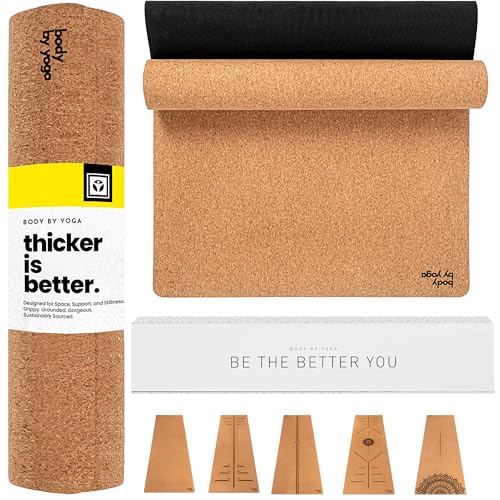
Body By Yoga Luxury Cork Yoga Mat
What We Like
- Thicker cork layer for durability and grip
Trade-offs
- Requires regular cleaning to prevent cork discoloration.
That same heft gives it the stability that lighter mats like the Manduka eKO Lite (5.2 lb) simply can’t match. The Body By Yoga won’t slide around or bunch up during standing balances. The 0.2-inch thickness also leans toward firm support rather than plush padding, so if you have sensitive knees and spend a lot of time in tabletop or kneeling poses, you might want a thicker mat or a towel underneath.
Product photos
Manduka eKO Lite Yoga Mat

What We Like
- 100% natural tree rubber construction
- Textured grip for stable control
- Closed-cell design resists moisture buildup
- Tear and scratch resistant for durability
Trade-offs
- At 5.2 lbs, heavier than some travel mats
- Requires special cleaner; avoid soap and sun
At just 5.2 pounds and 4mm thick, this mat proves that eco-friendly materials don’t have to weigh you down. The 100% natural tree rubber gives you a textured surface that grips reliably during fast flows or slow holds, and the closed-cell design resists moisture and buildup for a clean practice. For someone who wants a lighter, portable mat without sacrificing traction or environmental values, this one hits the sweet spot.
The trade-off for that lightweight feel is a shorter 71-inch length, so taller yogis might find their heels hanging off the edge during savasana. If compact portability and natural grip are your priorities, this is a smart pick.
Product photos
Ellylife Natural Rubber Yoga Mat
What We Like
- PU top stays grippy when wet
- Comes with carry strap and storage bag
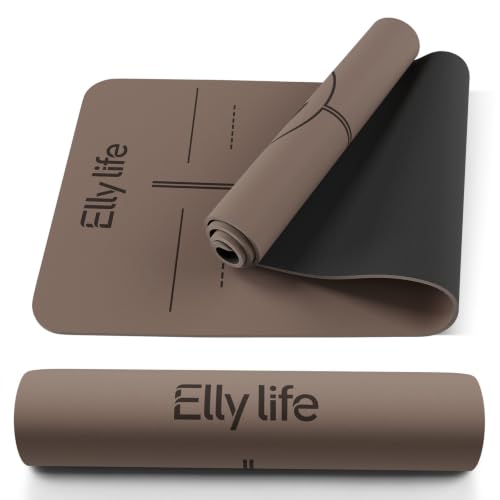
- Alignment lines printed on mat
Trade-offs
- At 6.3 lb, heavier than some travel mats
- 4.2 mm thickness offers less cushioning
The alignment lines printed on this mat help you check foot and hand placement during poses, which is useful for beginners and experienced practitioners alike. The 72 x 24 inch surface gives most users enough room to move, and the PU top stays grippy when wet, so you stay stable during sweaty sessions.
The trade-off is a modest 4.2 mm thickness and a 6.3 pound weight, meaning less padding for bony knees and a bit more to lug to class than the 5.2 pound Manduka eKO Lite. If you prioritize alignment feedback and a non-slip surface over plush cushioning or ultralight portability, this mat delivers exactly what it promises for home practice or studio use.
Product photos
Satori Concept Cork Yoga Mat
What We Like
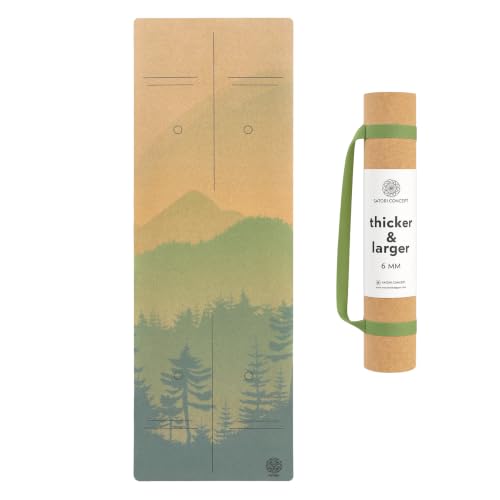
- Extra-large 80×26 inch surface
- Cork grip strengthens with sweat
- Natural rubber base cushions joints
- Free carrying strap included
Trade-offs
- At 8 lb, heavier than standard mats
- Cork surface can feel rough on sensitive skin.
An 80-inch length and 26-inch width give you noticeably more room than standard mats, which matters if you’re tall or like spreading out in wide-legged poses. The cork surface offers a grip that strengthens with sweat, so hot yoga sessions won’t turn into a slip-and-slide, while the natural rubber base provides cushioning for your knees and elbows. This mat suits anyone who wants extra space and a surface that stays secure as you perspire.
The Satori Concept Cork Yoga Mat weighs 8 pounds, which is heavier than most mats in this guide. If you walk or bike to the studio, you’ll feel it on your shoulder even with the included strap. Compared to the lighter StrongTek Cork and TPE Yoga Mat, the Satori gives you more space and a natural rubber base, but it asks you to carry a bit more weight. For home practice or car-transported yoga, the extra size and natural materials make it a sensible pick.
StrongTek Cork and TPE Yoga Mat

What We Like
- Sweat-enhanced natural cork grip
- Lightweight 2.2 lb with carry strap
- 7 mm cushioning for joints
- Stable TPE backing reduces curling
Trade-offs
- Narrower 24-inch width limits side-to-side space
- TPE base less durable than natural rubber under heavy daily use
At just 2.2 pounds with a matching carry strap, this mat is built for the yogi who commutes, travels, or stashes gear in a gym bag. The cork top actually grips better as you sweat, making it a smart pick for hot yoga or sweaty Vinyasa flows where synthetic mats turn slippery. Meanwhile the 7 mm TPE base cushions knees, wrists, and elbows during kneeling poses and planks, without feeling so soft that standing balances wobble. It’s a genuinely portable option that doesn’t skimp on joint comfort, which is rare at this weight.
If you prioritize portability and a sweat-activated grip over maximum durability and extra space, this mat delivers where it counts. For studio hopping or home practice where you roll up and go, it’s a budget-friendly companion that punches above its weight.
Product photos
Rocalt Cork Yoga Mat
What We Like
- Extra width (26 in) for spacious poses
- Non-toxic cork and natural rubber materials
- Non-slip surface for hot yoga
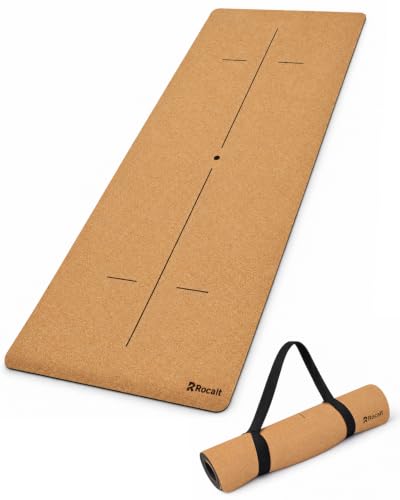
- Minimalist alignment lines for placement
Trade-offs
- 6mm thickness is moderate, not plush
- 9-pound weight is heavy to carry long distances
At 72 by 26 inches, this mat offers two extra inches of width compared to a standard 24-inch mat, which gives more room for hand and foot placement during poses. The cork surface and natural rubber base provide a non-toxic, non-slip grip suitable for hot yoga, and the 6mm padding cushions knees and hips on hard floors. It resists shifting during poses and transitions, making it a stable foundation for home or studio practice.
At 9 pounds, this mat is heavier than some alternatives, such as the Manduka eKO Lite at 5.2 pounds. The rubber base may have a noticeable scent when new; the manufacturer recommends airing it in a well-ventilated space away from direct sunlight, with airing time varying.
Product photos
Adventure World Premium Cork Yoga Mat

What We Like
- Grip improves with moisture and heat
- Natural cork and non-toxic rubber
- Cork is biodegradable and environmentally friendly
Trade-offs
- At 7.5 lb, heavier than some mats
- 5 mm thickness offers less cushioning
- 24-inch width is narrower than many
The cork surface on this mat grips better as you sweat, which means you won’t slide during a hot class or a long pose. The mandala design includes alignment markers to help with foot and hand placement. For someone who wants a natural material that resists retaining odors and stays put, this is a practical choice.
The cork surface gets grippier as you sweat, so you won’t slide around in a hot yoga class. At 7.5 pounds, this mat feels substantial underfoot and stays put on the floor. The 5 mm thickness provides a firm connection to the ground, which some practitioners prefer for balance.
Product photos
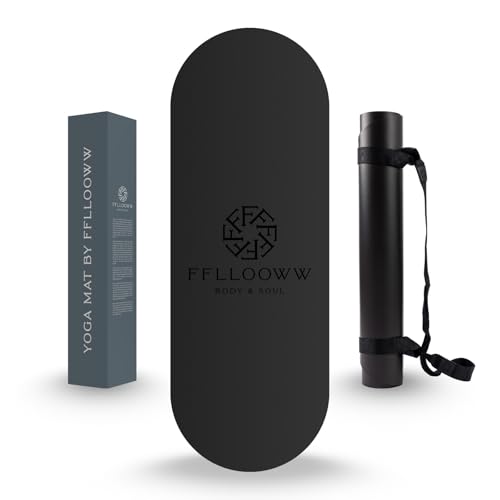
FFLLOOWW Premium PU Yoga Mat
What We Like
- Sweat-activated PU top for hot yoga
- Natural rubber base stays flat on floor
- Extra long and wide for taller users
- Eco-friendly, PVC-free materials
Trade-offs
- Thinner cushion at 4.5 mm for knee comfort
- Heavier than lightweight travel mats
A 4.5 mm thickness strikes a deliberate balance between floor feel and joint protection, giving you enough padding for wrists and knees without the squishiness that throws off balance poses. The real star here is the PU top layer, which turns grippier as you sweat, making this mat a natural fit for hot yoga or any session where things get slippery. It also comes in an extra-long and wide size, so taller practitioners or those who like a broad stance won’t find themselves creeping off the edge mid-flow.
At 4.5 mm of cushion, this mat is on the thinner side compared to something like the StrongTek Cork and TPE Yoga Mat, which offers 7 mm for more forgiving support on hard floors. If you spend a lot of time in kneeling poses or have sensitive knees, you might want to double up with a towel or pad. But for anyone who prioritizes grip, stability, and eco-friendly materials in a hot yoga setting, this mat delivers exactly what its design promises.
Product photos
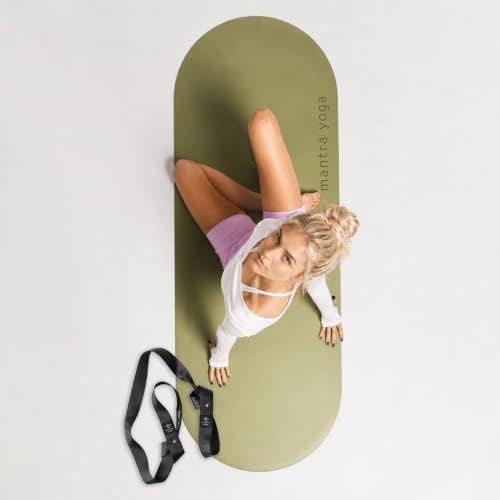
Mantra Yoga Natural Rubber Yoga Mat
What We Like
- Grip improves with sweat
- Eco-friendly natural rubber base
- Includes carry-and-stretch strap
Trade-offs
- Thinner cushioning at 4.3 mm
- Heavy at 4.4 pounds for travel.
A sweat-activated PU top layer that actually grips better as you get slick means this mat is built for hot yoga and sweaty flows where most mats turn into slip-and-slides. At 4.4 pounds, it’s light enough to carry to class without feeling like you’re hauling a tire, and the included strap makes transport easy. This is a smart pick for anyone who practices hot yoga or dynamic vinyasa and wants a mat that works with sweat, not against it.
The trade-off for that lightweight portability is a 0.2-inch cushion, which means less padding on hard floors during seated poses or knee-heavy sequences compared to thicker mats. If you need extra joint protection, the Body By Yoga Luxury Cork mat offers a longer 80-inch length for taller practitioners, though it weighs more than double at 9.9 pounds. The Mantra is a focused tool: it prioritizes grip and portability over plushness, so it suits the yogi who values traction and easy transport over marshmallow comfort.
Product photos
Boho Flow Eco-Luxury Cork Yoga Mat

What We Like
- Non-slip cork grip improves with moisture
- FSC-certified cork and natural rubber base
- White mandala design stands out on cork
- Includes matching carry strap
Trade-offs
- At 6.2 lb, heavier than lightweight TPE mats
- 5 mm thickness offers less cushion than thicker mats
A 5 mm natural rubber base paired with FSC-certified cork gives this mat a grounded, stable feel that stays flat during practice, no curling or bunching. The cork surface actually gets grippier as you sweat, which is a real help if hot yoga or a flowing vinyasa leaves your palms damp. And that white mandala print? It’s printed, not engraved, so the pattern stays crisp and creates a clean contrast against the warm cork. This mat suits someone who wants their gear to look as intentional as their practice, without sacrificing performance.
At 6.2 pounds, this mat is noticeably heavier than a lightweight TPE mat like the StrongTek Cork and TPE Yoga Mat (2.2 lb), so carrying it to class is more of a commitment. And the 5 mm thickness provides solid joint support, never spongy, but if you have sensitive knees or practice on hard floors, a thicker mat like the Rocalt Cork Yoga Mat (6 mm) might feel plusher. Still, for a design-led cork mat that holds its ground and stays fresh without odors, this is a thoughtful pick for the eco-conscious yogi who values aesthetics.
Product photos
How We Evaluated Natural Yoga Mats Under 100
Our research started with the materials themselves. We looked at each mat’s construction, cork, natural tree rubber, TPE, or PU, and how those materials affect grip, durability, and eco-friendliness. Manufacturer documentation told us about sourcing, certifications, and care requirements, while patterns in owner feedback revealed what works in real hot yoga classes and daily home practice.
We focused on four criteria that matter most for a budget-friendly natural mat. Grip performance came first: how the surface behaves dry versus wet, and whether it improves with sweat. Cushioning and thickness came next, because a mat that feels great in the store can leave knees aching after an hour on a studio floor. Weight and portability mattered for anyone carrying a mat to class, and material safety drove every pick, we prioritized mats free of PVC, latex, and synthetic glues.
This is a research-led evaluation, not a hands-on test. We did not unroll these mats in a studio or sweat on them ourselves. What we offer is a thorough, honest comparison of what each mat claims to do, what owners consistently report, and how the specs stack up against your practice needs. For a deeper look at the broader category, explore our full guide to natural yoga mats.
What To Look For In Natural Yoga Mats Under 100
Finding the right natural mat means understanding how material, thickness, and grip interact with your body and floor. Here is what to check before you buy.
Focus on the top surface material (cork, PU, or natural rubber), the total thickness for joint comfort, and the weight you are willing to carry. A mat that is too thin hurts your knees; one too heavy stays home.
Material and Grip
Cork and natural rubber are the two main players in the budget-friendly range. Cork grips best when it absorbs moisture, the more you sweat, the stickier it gets. Natural rubber offers a textured surface that stays stable dry but can get slippery when wet unless it has a PU top layer. Understanding these yoga mat materials helps you match the surface to your practice. Hot yoga and sweaty flows favor cork or PU-coated rubber; gentle practices work fine with bare natural rubber.
Thickness and Cushioning
Thickness ranges from 4 mm to 7 mm in this price bracket. Thinner mats (4-5 mm) give you better ground feel for balance poses but offer less padding for knees, elbows, and wrists on hard floors. Thicker mats (6-7 mm) cushion joints better but can feel unstable during standing balances. If you practice mostly on carpet or a studio floor with padding, a thinner mat works. For home practice on tile or wood, lean toward 6 mm or more.
Weight and Portability
Natural materials are heavier than PVC. A cork mat can weigh 6-9 pounds, while natural rubber mats range from 4.5 to over 5 pounds. TPE-based mats like the StrongTek drop to 2.2 pounds but trade some durability. Consider how you get to class: driving lets you carry a heavier mat; walking or public transit calls for something under 5 pounds. If portability is your priority, the affordable organic mats category has lighter options worth comparing.
- Check the mat’s length against your height, taller practitioners need 72 inches or more.
- Look for a carry strap or bag included; buying one separately adds cost.
- Confirm the mat is free of PVC, latex, and phthalates if you have chemical sensitivities.
- Read care instructions before buying: cork needs regular cleaning, and natural rubber requires special cleaner.
A good rule of thumb: the mat you will actually use is better than the one with the best specs. Weight and portability matter more than you think.
Natural Yoga Mats Under 100 Compared
The table below compares all ten natural yoga mats by material, thickness, weight, and key features so you can see how they stack up at a glance.
| Product | Material | Thickness | Weight | Dimensions |
|---|---|---|---|---|
| Body By Yoga Luxury Cork Yoga Mat | Cork + natural rubber | 0.2 inches | 9.9 pounds | 80 x 26 inches |
| Manduka eKO Lite Yoga Mat | 100% natural tree rubber | 4mm | 5.2 lbs | 71 x 24 in |
| Ellylife Natural Rubber Yoga Mat | Natural rubber + PU top | 4.2 mm | 6.3 lbs | 74.8 x 26.8 in |
| Satori Concept Cork Yoga Mat | Natural cork + tree rubber | 6 mm | 8.0 lb | 80 x 26 x 0.2 in |
| StrongTek Cork and TPE Yoga Mat | Cork + TPE | 7 mm | 2.2 lb | 72 x 24 in |
| Rocalt Cork Yoga Mat | Cork surface, natural rubber base | 6mm | 9 lb | 72 x 26 in |
| Adventure World Premium Cork Yoga Mat | Natural cork & rubber | 5 mm | 7.5 pounds | 72 x 24 inches |
| FFLLOOWW Premium PU Yoga Mat | PU + natural rubber | 4.5 mm | 7.5 lb | 72.8 x 26.8 in |
| Mantra Yoga Natural Rubber Yoga Mat | Natural rubber + PU | 4.3 mm | 4.4 lb | 71 x 26 in |
| Boho Flow Eco-Luxury Cork Yoga Mat | FSC-certified cork + natural rubber | 5 mm | 6.2 lbs | 72" x 26" |
Frequently Asked Questions
What is the best natural yoga mat for hot yoga?
The Body By Yoga Luxury Cork Yoga Mat works exceptionally well for hot yoga because its cork layer gets grippier as it absorbs moisture. For a dedicated hot yoga pick, the FFLLOOWW Premium PU Yoga Mat has a sweat-activated PU top that stays tacky even when you are dripping. Both avoid the slippery PVC surface that cheap mats develop when wet.
How do I clean a natural cork yoga mat?
Wipe your cork mat down with a damp cloth and mild soap after each use, then let it air dry completely before rolling. Avoid soaking the cork or using harsh cleaners, which can dry out the natural oils and cause cracking. A mix of water and white vinegar works well for deeper cleaning without damaging the cork’s texture.
Are natural rubber yoga mats better than cork?
It depends on your practice. Natural rubber offers excellent ground feel and textured grip for dry practices, while cork excels in hot yoga because sweat activates its grip. Rubber mats are generally lighter and more portable, but they can have a strong smell at first and may irritate latex allergies. Cork is naturally antimicrobial and odor-resistant but heavier and requires more care.
What thickness should I choose for hard floors?
For tile, wood, or concrete floors, look for a mat that is at least 5 mm thick, and ideally 6-7 mm if you have sensitive knees or wrists. The StrongTek Cork and TPE Yoga Mat offers 7 mm of cushioning at a reasonable weight, while the Rocalt Cork Yoga Mat at 6 mm provides a good balance of padding and stability. Thinner mats under 5 mm can leave your joints sore after a long session on hard floors.
How long do natural yoga mats last?
A well-maintained natural yoga mat typically lasts one to three years depending on material and use frequency. Cork mats can last two to three years with regular cleaning and proper drying. Natural rubber mats may start to break down after a year to a year and a half of heavy use, especially if exposed to direct sunlight. TPE-based mats like the StrongTek tend to wear faster than natural rubber but cost less to replace.
The Bottom Line
For most practitioners, the Body By Yoga Luxury Cork Yoga Mat delivers a strong combination of grip, durability, and natural materials at a mid-range price. Its thicker cork layer holds up to regular hot practice and stays non-slip without the chemical treatments found in synthetic mats. This is the mat to buy if you practice several times a week and want a surface that works with your sweat, not against it.
If you need a lighter mat for carrying to the studio, the Manduka eKO Lite Yoga Mat offers natural rubber grip at a portable weight. The StrongTek Cork and TPE Yoga Mat is the budget-friendly choice for travelers who prioritize low weight and decent cushioning. Taller practitioners or those who want extra room for wide poses should look at the Satori Concept Cork Yoga Mat or the Rocalt Cork Yoga Mat for their wider surfaces.
The single most important factor when buying a natural yoga mat is matching the material to your sweat level and practice environment. Cork and PU tops handle moisture best; bare natural rubber suits dry, gentle practices. Pick the one you will actually carry to class, and you will get your money’s worth.
