
9 Best Organic Yoga Mats Under 1000 in 2026
This post contains affiliate links. As an Amazon Associate, we earn from qualifying purchases.
For an organic yoga mat that balances grip, sustainability, and comfort, the JadeYoga Harmony Yoga Mat is a top pick. It combines a non-slip natural rubber surface with a tree planted for every mat sold. The Manduka eKO is also highlighted for premium durability, and the Manduka eKO Superlite Travel Mat is a good choice for those who need to pack light.
Shopping for an organic mat under this budget means choosing between natural rubber, cotton, and cork materials. Each affects grip, weight, cushioning, and how well the mat stays put on your floor. The right choice depends on whether you practice hot yoga, travel often, or prioritize eco-friendly manufacturing.
We built this guide by analyzing specifications, manufacturer claims, and patterns in owner feedback across nine top contenders. We focused on material safety, grip performance, durability, and portability to help you find the mat that fits your practice.
Top 9 Organic Yoga Mats Under 1000 in the Market
Certain content that appears on this site comes from Amazon. This content is provided "as is" and is subject to change or removal at any time.
The Best Organic Yoga Mats Under 1000, Reviewed
JadeYoga Harmony Yoga Mat

What We Like
- Non-slip natural rubber surface
- No PVC, phthalates, or heavy metals
- Made in USA with sustainable rubber
- Tree planted for each mat sold
Trade-offs
- At 4.9 lb, heavier than travel mats
- Open-cell rubber absorbs moisture and sweat
Natural rubber construction gives this mat a grippy surface that stays put even in downward dog, so you can hold poses without sliding around. At 3/16 inch thick, it provides enough cushion for knees and wrists while keeping you connected to the floor for balance work. The 68-inch length works for many practitioners, and the 4.9-pound weight makes it easy to carry to class without feeling like you’re hauling a gym bag full of bricks. This is the mat for someone who wants reliable traction from a material that breathes better than synthetic alternatives.
At 4.9 pounds, this mat is more than twice the weight of the Manduka eKO Superlite Travel Mat, so carrying it to a studio by foot or packing it in a small bag takes more effort. That heft comes from a 3/16-inch-thick natural rubber construction that gives the surface a reliable, non-slip grip. This helps you hold poses without sliding. The open-cell rubber does absorb moisture from sweaty hands and feet, leaving marks, but owners say a plant-based wash keeps it clean. For anyone who practices at home or drives to class and wants a mat that stays put, this is a practical choice.
Product photos
Manduka eKO Yoga Mat

What We Like
- 100% natural tree rubber is biodegradable
- Textured grip enhances stability in dry conditions
- 5mm thickness offers responsive cushioning
- Closed-cell design resists moisture and buildup
Trade-offs
- Weighs 7 lbs, less portable than lighter mats
- Requires specific cleaner, not washable with soap
The Manduka eKO Yoga Mat is made from 100% natural tree rubber and has a 5mm thickness that provides responsive cushioning during practice. Its textured surface is designed to give reliable grip in dry conditions, helping you stay stable in poses. The closed-cell construction prevents moisture and buildup, which keeps the mat clean for regular use. If you want a mat made from sustainable materials that feels substantial underfoot, this model delivers on that promise.
That said, the natural rubber does come with a noticeable scent when you first unroll it, and at 7 pounds, it’s not the easiest to carry to class. If portability is your priority, the Manduka eKO Superlite Travel Mat folds up at just 2 pounds, but you lose the cushioning and grip that make this mat stand out. For someone who values a stable, eco-friendly surface and doesn’t mind the extra weight, the eKO is a thoughtful investment.
Manduka eKO Superlite Travel Mat

What We Like
- Ultra-light at 2 pounds
- Foldable design for easy packing
- Textured orange peel grip
- Closed-cell surface locks out moisture
Trade-offs
- 1.5mm thickness offers minimal cushioning
- Requires a specific cleaning spray and routine
At just 2 pounds and a thin 1.5mm, this mat folds up small enough to toss in a carry-on or backpack without thinking twice. That featherlight portability is the whole point: it’s built for yogis who want to practice anywhere without lugging a heavy roll. The textured orange peel surface from natural rubber provides grip, and the closed-cell top locks out moisture, which helps keep the mat clean between uses.
The trade-off is that 1.5mm of cushioning offers minimal padding. So if your practice involves lots of kneeling poses or you prefer a plusher feel, you’ll notice the difference compared to thicker mats like the Manduka eKO (5mm). But for travel, that slim profile is exactly what makes it work: you trade a little comfort for the freedom to pack it easily and take it with you.
Product photos
Y O Gayo Handmade Organic Cotton Mat

What We Like
- 100% organic cotton, no dyes or chemicals
- Absorbent and moisture-wicking for hot yoga
- Lightweight and portable at 2.2 pounds
- Handwoven construction prevents bunching
Trade-offs
- At 0.1 inches thick, minimal cushion on hard floors
- Requires a carpet or rug underneath to prevent slippage
A 74-inch length and 2.2-pound weight make this cotton mat a natural fit for yogis who prioritize eco-conscious materials and portability over plush cushioning. Handwoven from 100% organic cotton with no dyes or harsh chemicals, it’s designed to absorb sweat during hot yoga without trapping odors like synthetic mats do. The fabric construction prevents bunching during tricky poses, and the ability to machine wash it in cold water means you can keep it fresh without fuss. This mat suits anyone who values sustainability and a traditional, natural feel underfoot.
The trade-off is that at only 0.1 inches thick, this mat offers little padding on hard floors, something the thicker Manduka eKO (5mm) handles better for joint comfort. You’ll also need a carpet or rug underneath to keep it from slipping, which limits its standalone use on slick studio floors. Compared to the Yogasana Organic Cotton Mat (0.4 inches thick), this one is thinner and lighter, making it a better travel companion but a less forgiving surface for restorative poses. If you practice mostly on carpet or don’t mind a firm connection to the ground, this is a thoughtfully made, washable choice.
Product photos
Adventure World Organic Yoga Mat

What We Like
- Biodegradable and eco-friendly
- Grip increases with moisture and heat
- Natural cork and rubber construction
Trade-offs
- At 7.5 lbs, it's heavy to carry
- 5 mm thickness offers less cushioning
The trade-off is weight and cushioning. At 7.5 pounds, this is heavier than the Manduka eKO Superlite Travel Mat at 2.0 pounds, so it is less convenient to carry to the studio. And while 5 mm is standard for many mats, the Manduka eKO Yoga Mat also offers 5 mm thickness. If you prioritize grip and sustainability over portability and cushioning, this cork option is worth considering.
Product photos
Yogasana Organic Cotton Yoga Mat

What We Like
- Organic, non-toxic, eco-friendly cotton
- Hand-woven by Indian artisans
- Machine and hand washable
- Grip improves with sweat
Trade-offs
- Slips on smooth floors without a rubber mat underneath
- Firm texture not for those who want cushioning
- Not sticky like synthetic mats
This hand-woven cotton mat is 0.4 inches thick, made from organic, non-toxic, and eco-friendly cotton. It is plastic-free and machine washable, which helps keep it fresh after sweaty sessions. The texture is firm, so it is not for those who prefer a soft or sticky surface. The grip actually improves with sweat, making it suitable for intense practices, but the cotton can slip on smooth floors unless you layer it over a rubber mat.
The main trade-off is that the cotton can slip on smooth floors, so you will likely need a rubber mat underneath for stability unless you are on carpet. Compared to the Manduka eKO Yoga Mat, which is a natural rubber mat with its own traction, the Yogasana requires that extra setup. If you want a washable, handcrafted mat made from organic cotton, this is a distinctive option. It is firm and not cushy, so it works best for those who do not mind a little extra effort for a natural feel.
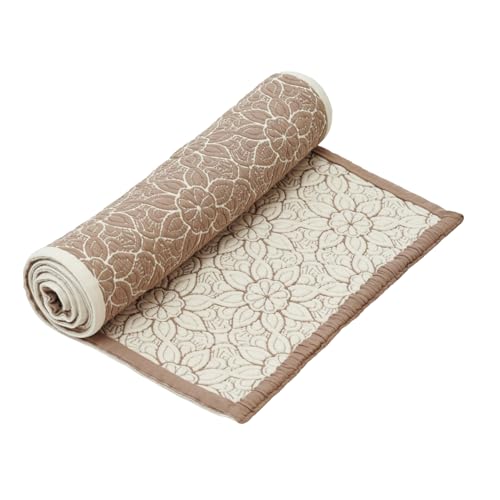
Dalisa Organic Cotton Yoga Mat
What We Like
- OCS certified organic cotton surface
- Non-slip support piece for stability
- Lightweight with carry bag included
Trade-offs
- Thin 0.2-inch padding offers minimal cushioning
- Narrower 24-inch width limits movement space
At just 2.4 pounds with a reusable cotton carry bag, this mat is built for portability without sacrificing its organic credentials. The OCS certified organic cotton top and bottom mean you get a soft, breathable surface that feels natural against your skin during slower practices like yin or restorative yoga. The flat-woven design helps the mat stay smooth and lay flat during use, and the included non-slip support piece improves grip on smooth surfaces, a thoughtful touch for anyone who hates their mat sliding around.
At just 2.4 pounds and packed in a reusable cotton carry bag, this mat is light enough to toss into a backpack for studio or travel use. The thin 0.2-inch profile keeps it easy to roll and carry, but it means less padding under knees or hips during floor poses. For comparison, the Manduka eKO Yoga Mat is 0.2 inches thick as well but weighs 6.2 pounds, so the Dalisa is clearly built for portability over plush cushioning.
Product photos
MELLOWBUFF Hand-Woven Cotton Mat

What We Like
- Generous 28-inch width for extra coverage
- Lightweight at only 2.314 pounds
- Machine washable for easy cleaning
- Highly absorbent cotton weave for hot yoga
Trade-offs
- Only 0.2 inches thick offers minimal cushioning
- Hand-woven cotton can shrink if dried improperly
The 28-inch width on this mat is its most notable feature, offering more lateral space than many standard mats, which helps keep your hands and feet on the surface during wide-legged poses. It is made from 100% natural cotton, so it absorbs moisture effectively during hot yoga, reducing slipperiness from sweat. At just over two pounds, it is easy to carry, and the machine-washable design simplifies cleaning after sweaty sessions. This mat suits someone who prioritizes generous width and easy care over cushioning.
The 0.2-inch thickness provides almost no cushioning, so you’ll feel the floor beneath you during kneeling poses or if you have sensitive joints. Compared to the Manduka eKO Superlite Travel Mat, which weighs 2.0 pounds and is 0.1 inches thick, this cotton mat is heavier at 2.314 pounds and thicker, but both are lightweight options. If you want a wide, washable surface for sweaty practices, this mat fits that need. A folded towel under your knees may help with comfort.
Product photos
Cifupy Handmade Cotton Yoga Mat

What We Like
- Ultra-lightweight at 0.8 pounds
- Absorbent and quick-drying cotton
- Foldable and travel-friendly design
Trade-offs
- Thin 3mm offers minimal cushioning
- Narrow 24-inch width limits side space
At just 0.8 pounds, this mat is barely there when you sling it over your shoulder, perfect for anyone who commutes to class or likes to practice outdoors. The cotton weave is absorbent and quick-drying, so hot yoga sessions won’t leave you slipping or smelling like synthetic materials. It folds down tiny, which means you can stash it in a daypack or even a beach bag without a second thought. For yogis who prioritize portability and natural materials over plush padding, this is a refreshingly simple, breathable option that handles most styles from Hatha to Bikram.
The Cifupy Handmade Cotton Yoga Mat weighs just 0.8 pounds, so it’s easy to fold and carry to a class or the beach. At 3mm thick, it’s a thin layer of cotton that won’t cushion your knees or hips on a hard floor, some users might want to place a thicker mat underneath. The 24-inch width gives less space for wide stances, making it a focused tool for yogis who prioritize lightness and natural materials over padding.
Product photos
How We Evaluated Organic Yoga Mats Under 1000
Our research began with a deep dive into the materials and construction of each mat. We reviewed manufacturer data on rubber sourcing, certifications like OCS (Organic Content Standard), and manufacturing processes. Patterns in owner feedback helped us understand real-world durability, grip changes over time, and how each mat handles sweat and moisture.
We narrowed our criteria to four factors that matter most for an organic mat in this price range. Material safety came first, we prioritized mats free from PVC, phthalates, and heavy metals. Grip and stability was second, with special attention to how each surface performs in dry versus wet conditions. Weight and portability ranked third, since a heavy mat can discourage regular practice. Finally, we considered cushioning and thickness to match different body types and floor surfaces.
This guide draws from what manufacturers state and what consistent owner experiences reveal. For a closer look at the differences between rubber, cotton, and cork, check our yoga mat materials guide. If you are considering a PVC-free option, our roundup of non-toxic yoga mats covers more ground.
What To Look For In Organic Yoga Mats Under 1000
Choosing an organic yoga mat under this budget means weighing trade-offs between grip, weight, and cushioning. Here is what to consider before you buy.
Focus on material safety first, look for natural rubber, organic cotton, or cork. Then match thickness to your floor type and body needs. Weight matters if you carry your mat to class.
Material and Safety
The “organic” label means different things across materials. Natural rubber mats like the JadeYoga Harmony are biodegradable and free from PVC and phthalates. Organic cotton mats, such as the Y O Gayo Handmade Organic Cotton Mat, use no synthetic dyes or chemicals. Cork mats combine a renewable top layer with a rubber base. For a wider look at what is available, explore our list of sustainable yoga mats for more eco-friendly picks.
Thickness and Cushioning
Thickness directly affects joint comfort. A 5mm mat like the Manduka eKO offers responsive cushioning for most floor types. Thinner mats (1.5mm to 3mm) pack smaller but provide minimal padding on hard floors. If you practice on carpet, a thin cotton mat can work well. On tile or wood, consider at least 4mm of cushioning to protect your knees and wrists.
Grip and Moisture Management
Grip behavior changes with material. Natural rubber mats grip well when dry but can feel slick with sweat, the open-cell surface of the JadeYoga Harmony actually absorbs moisture for better traction. Cotton mats like the Yogasana Organic Cotton Yoga Mat improve grip as they absorb sweat, making them popular for hot yoga. Cork mats, including the Adventure World Organic Yoga Mat, become grippier as they get wet.
- Check whether the mat requires a specific cleaner or washing routine.
- Measure your practice space, extra-wide mats (28 inches) help with broad stances.
- Consider the mat’s weight if you carry it to a studio or class.
- Look for a carry strap or bag if you plan to transport the mat regularly.
A good rule of thumb: if you practice hot yoga, choose a mat that gets grippier when wet. If you travel often, prioritize weight over thickness.
Organic Yoga Mats Under 1000 Compared
The table below compares all nine organic yoga mats across key specs like material, thickness, weight, and best use case.
| Product | Material | Thickness | Dimensions | Weight |
|---|---|---|---|---|
| JadeYoga Harmony Yoga Mat | Natural open-cell rubber | 3/16 in (0.2 in) | 68 x 24 x 0.2 in | 4.9 lb |
| Manduka eKO Yoga Mat | 100% natural tree rubber | 5mm | 71 x 24 in | 7 lbs |
| Manduka eKO Superlite Travel Mat | Natural tree rubber | 1.5mm | 71 x 24 in | 2.0 pounds |
| Y O Gayo Handmade Organic Cotton Mat | 100% Organic Cotton | 0.1 inches | 74 x 26 inches | 2.2 pounds |
| Adventure World Organic Yoga Mat | Natural cork & rubber | 5 mm | 72 x 24 x 0.2 inches | 7.5 pounds |
| Yogasana Organic Cotton Yoga Mat | Organic cotton | 0.4 inches | 72 x 24 inches | 3.7 pounds |
| Dalisa Organic Cotton Yoga Mat | Organic cotton top and bottom | 0.2 inches | 24 x 67 in | 2.4 pounds |
| MELLOWBUFF Hand-Woven Cotton Mat | 100% natural cotton | 0.2 in | 78 x 28 x 0.2 in | 2.314 lb |
| Cifupy Handmade Cotton Yoga Mat | eco-friendly premium cotton | 3mm | 70 x 24 inches | 0.8 pounds |
Frequently Asked Questions
What is the best organic yoga mat under 1000 for hot yoga?
For hot yoga, a cotton or cork mat is ideal because both materials improve grip when wet. The Y O Gayo Handmade Organic Cotton Mat absorbs sweat and stays grippy, while the Adventure World Organic Yoga Mat‘s cork surface becomes more tacky with moisture. Avoid natural rubber mats if your palms get very sweaty, they can become slippery.
Are organic cotton yoga mats slippery on hard floors?
Yes, most organic cotton mats slip on smooth surfaces like tile or hardwood. They typically require a non-slip rubber mat underneath for stability. The Dalisa Organic Cotton Yoga Mat includes a separate support piece to address this. If you practice on carpet, cotton mats hold well without extra layers.
How thick should an organic yoga mat be for knee comfort?
For adequate knee and wrist comfort on hard floors, look for a mat that is at least 4mm to 5mm thick. The Manduka eKO Yoga Mat offers 5mm of responsive cushioning. Thinner mats under 3mm, like the Manduka eKO Superlite Travel Mat, provide minimal padding and are best used over carpet or with a folded towel under sensitive joints.
What is the difference between natural rubber and cork yoga mats?
Natural rubber mats are grippy, durable, and biodegradable, but they are heavier and can have a strong initial smell. Cork mats combine a renewable cork top layer with a rubber base, they are naturally antimicrobial and become grippier when wet. Cork mats are typically heavier (around 7.5 pounds) and offer less cushioning than pure rubber mats.
Can I wash an organic yoga mat in a washing machine?
Only organic cotton mats are machine washable. The Yogasana Organic Cotton Yoga Mat and the MELLOWBUFF Hand-Woven Cotton Mat can be machine washed on a gentle cycle. Natural rubber and cork mats must be cleaned with specific sprays or mild soap and water, never put them in a washing machine, as it will damage the material.
The Bottom Line
The JadeYoga Harmony Yoga Mat is our Best Overall pick for yogis who want a grippy, non-toxic surface with genuine eco-credentials. It suits home practitioners who value sustainability and don’t mind a 4.9-pound mat. If you need more cushioning or a closed-cell surface that resists moisture, the Manduka eKO is worth the extra spend.
For travelers and hot yoga practitioners, the Manduka eKO Superlite Travel Mat folds down to nearly nothing at 2 pounds. Budget-conscious shoppers looking for an organic cotton option should consider the Y O Gayo Handmade Organic Cotton Mat for its lightweight, washable design.
The single most important factor when buying an organic yoga mat is matching the material to your practice environment. Rubber for grip, cotton for sweat absorption, cork for hot yoga, choose the one that fits your floor, your body, and your routine.
